
XBOX's Disc-to-Digital Feature Is a Win for Physical Games
How turning your discs into digital copies could give you the best of both worlds without giving anything up.
News by Adeela Tas on Aug 27, 2026
You've probably had this debate with yourself a hundred times: physical or digital? Well, it looks like you might not have to choose anymore. According to an insider who's been testing things out, XBOX is working on a disc-to-digital feature that could change how you think about your game collection entirely, and honestly, it's hard to find a downside.
You take a physical game off your shelf, pop it into your console, and the disc-to-digital feature converts that game into a digital copy you can access whenever you want. From there, you can move it over to your PC or wherever else you'd like to play it. Insiders have apparently been given a tagline for this whole thing too: your discs are now also digital. Simple, but it gets the point across.
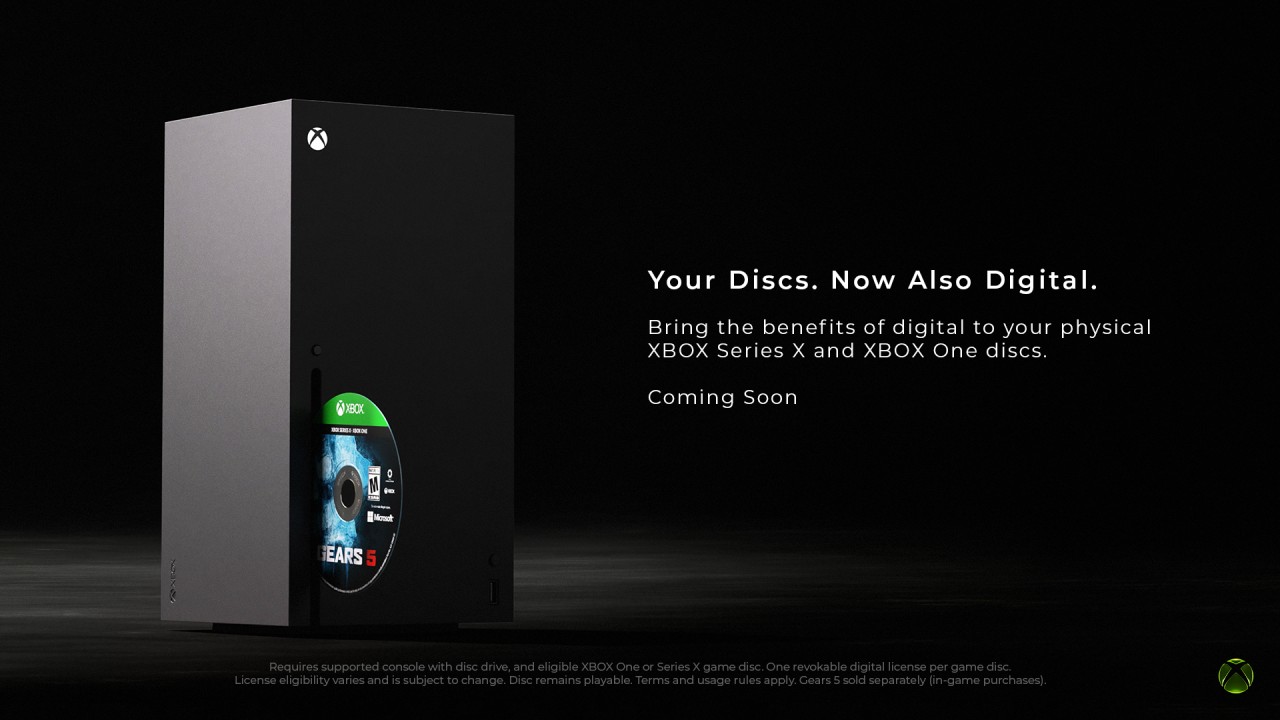
Going fully digital, though, comes with trade-offs worth weighing first.
Think about what you actually gain here. When you go fully digital, you skip the hassle of getting up to swap discs every time you want to switch games, and you never have to stress about scratching or losing a disc again. But digital libraries come with a real trade-off: you don't truly own what you paid for. Try reselling a digital game sometime. You can't. Your money is gone the second you hit purchase, and there's no getting it back.
Physical games don't have that problem. You can sell them, lend them to a friend, or pick something up secondhand to try before committing to buying it new. That's the appeal that's kept physical media relevant even as digital sales have grown.
With this new disc-to-digital feature, you're not sacrificing any of that. You get to keep the ownership and resale value that comes with owning a disc while also getting the convenience of a digital library. If you ever decide to sell your disc, whoever buys it next would essentially inherit the license tied to it, which functions a lot like handing over a physical copy in the first place.
It makes sense that XBOX would be the one testing this. Companies in this industry tend to watch each other closely, and if this disc-to-digital feature takes off, you can bet other console makers will start looking into something similar.
Nintendo's cartridge system already offers a useful point of comparison here.
For now, it sounds like XBOX is the one testing the waters, but based on how much attention this has already gotten, it probably won't stay that way for long. Physical media isn't going anywhere anytime soon, and this feature is proof that companies are still finding ways to support it instead of phasing it out.
Speaking of physical media, you can't really talk about this topic without bringing up Nintendo, since they've been ahead of the curve for years now. Grab a Nintendo cartridge off your shelf, and it just works the moment you put it in the console.
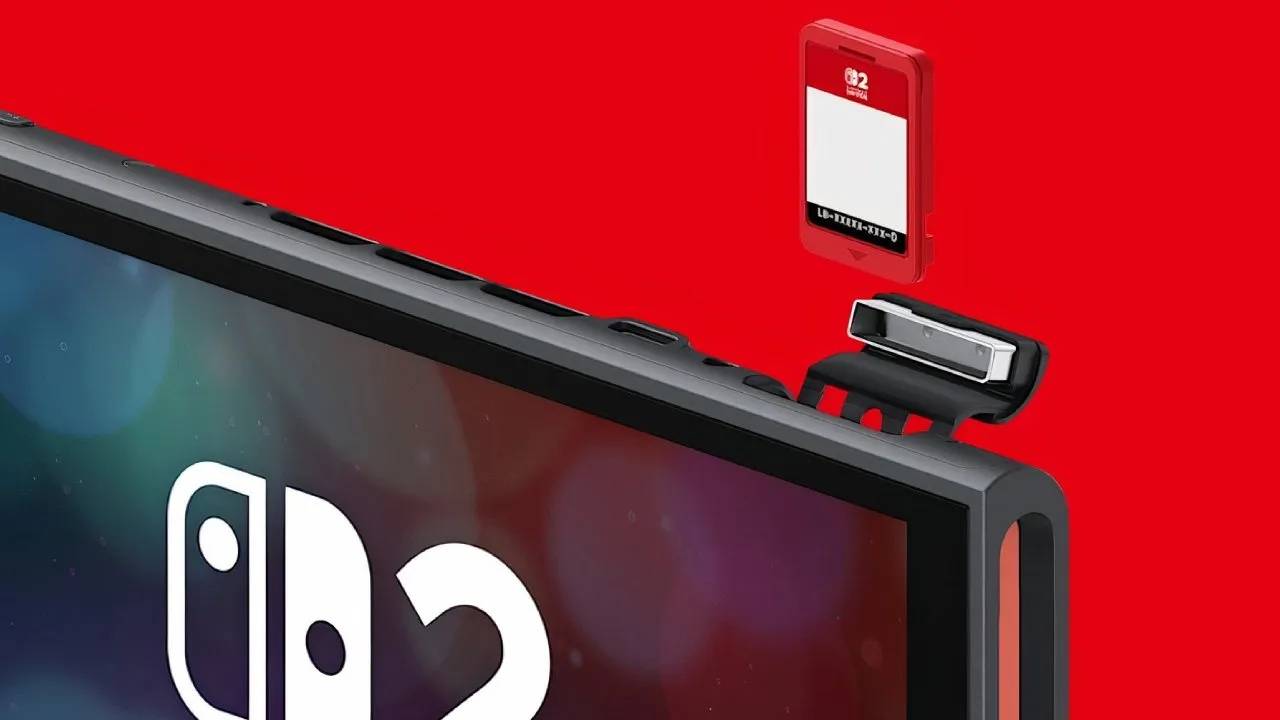
There's no waiting around for a massive download before you can start playing, since the data lives right there on the cartridge itself. These cartridges are also built to last, so you're not likely to run into the same wear and tear issues you'd get with a scratched disc.
XBOX's disc-to-digital feature still requires downloading the full game onto your console, which is basically what digital ownership already looks like. Nintendo's approach skips that step entirely if you go the traditional cartridge route.
That distinction matters most when accounts get banned, or storefronts disappear.
You get the actual game sitting in your hands, and even if something happens to your account, like a ban, you don't lose access to the game itself. You might lose your save data, but the cartridge still works. Game key cards are a different story, though, and they're worth understanding if you're not familiar.
These cards barely hold any actual game data, sometimes as little as 52 kilobytes, since all they really do is act as an access key. You put the card in, it connects to the eShop, and that's how you actually download the game. If your account gets banned, you lose access to the eShop, which means that key card becomes pretty much useless to you.
If the eShop servers ever go down for good, there's a real chance that the access key stops working altogether, since there'd be nothing left for it to connect to. Looking at past examples gives you a little more context here. With systems like the Wii U and the 3DS, you can still redownload games you've already purchased, but you can't buy anything new anymore since those storefronts are closed for purchases.
That raises a fair question about whether game key cards would work the same way down the line, letting you redownload what you already own even after a storefront shuts down for new purchases. Considering the original Wii Shop shut down around two decades ago and people can still access some of that functionality today, there's a decent chance something similar could apply to game key cards in the future.
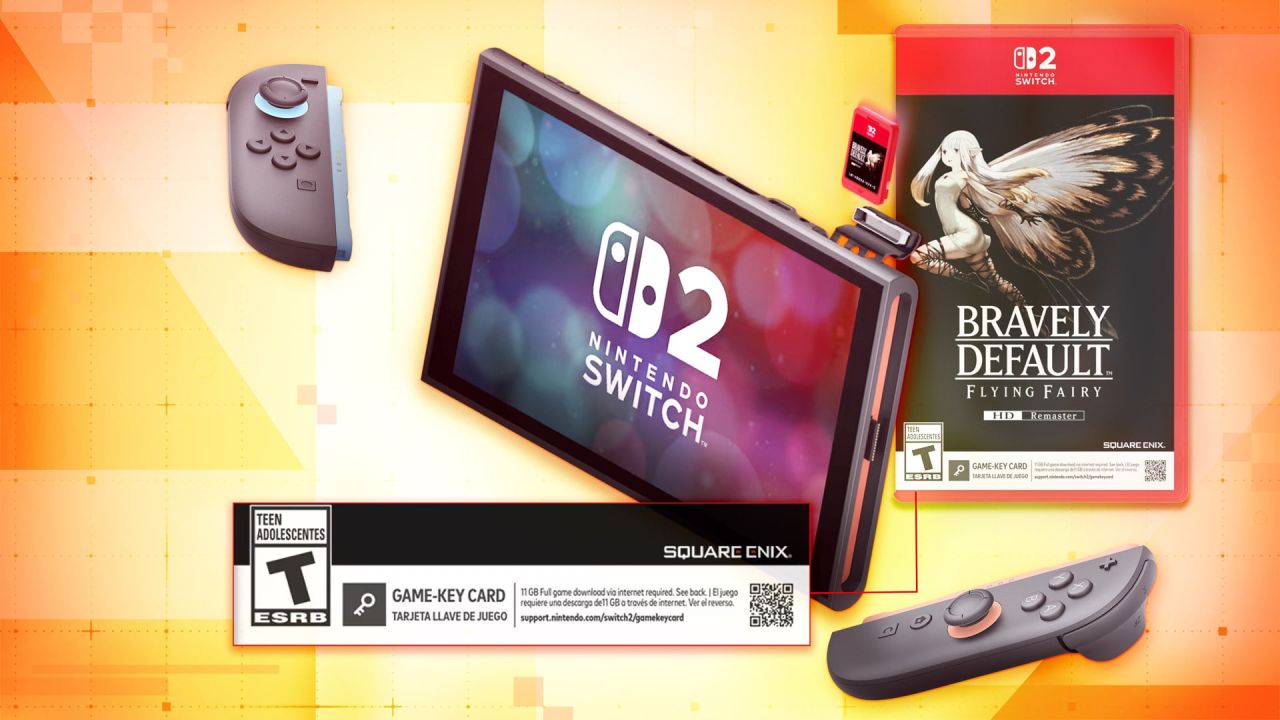
The same durability question applies directly to Nintendo's newer game key cards
At the end of the day, this disc-to-digital feature feels like a genuinely exciting step forward, and it's easy to get excited about the idea of loading your whole physical collection onto your XBOX and having it all in one place. It also reinforces something that's been pretty clear for a while now: physical media isn't fading out the way people assumed it would.
Vinyl records and physical movie sales have actually grown recently, and video game stores are still doing steady business with people picking up copies of games across pretty much every console out there, from Switch titles to older XBOX and DS games. If you want to play a lot of the older Pokémon games, for instance, physical copies are still your most realistic option.
There's also something to be said for the experience itself, not just the practicality of owning physical copies. Take something like the Skylanders series as an example. Plenty of collectors are still out there today hunting down old figures and games from that franchise, moving between consoles just to try different versions of it, like going from the XBOX 360 to the Wii U's handheld GamePad mode.
None of that would be possible without physical copies still existing and being available to track down. It's part of the fun, honestly, browsing shelves and stumbling across something you didn't expect to find. So no, physical media isn't disappearing, and if anything, features like this disc-to-digital feature suggest the industry is leaning into giving you more flexibility rather than pushing you toward an all-digital future.
Whether other companies follow XBOX's lead remains to be seen, but it's clear there's still plenty of demand for physical games, and the disc-to-digital feature might end up being the middle ground a lot of gamers have been waiting for.
Editor, NoobFeed
Related News
No Data.