
XBOX Helix S Could Offer a Cheaper Alternative to PlayStation 6
Xbox Helix S could offer a cheaper entry point to next-generation gaming with lower performance and reduced hardware costs.
News by Shinji Okazaki on Oct 12, 2026
Microsoft's next-generation Xbox console, known as Project Helix, could face pricing challenges as memory, GPUs, CPUs, and other components continue to increase in price. Rumors suggest Microsoft may release two console models, an Xbox Helix S and an Xbox Helix X, following the approach used with the Xbox Series X and Series S.
However, no official information confirms the existence of an Xbox Helix S, and the idea remains a rumor. A Twitter post suggested that Microsoft is planning to release an Xbox Helix S, a cheaper, less powerful next-generation console. Similar to the Xbox Series S and Xbox Series X, the company could offer two models with different performance levels and prices.
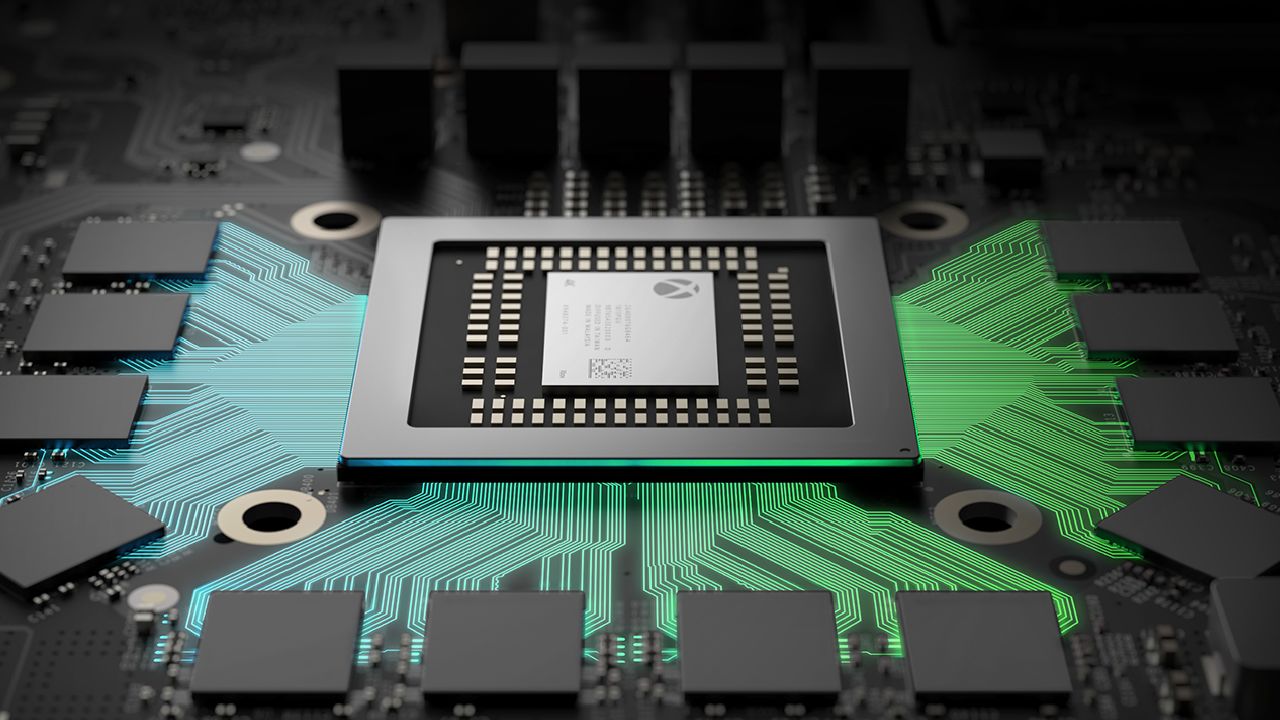
Memory prices keep rising, and the situation is affecting other components, too.
It's unclear whether this rumor is true, and there's been little discussion of it elsewhere. Based on the available information, Microsoft is working on one console. Third-party companies could also be interested in making licensed Xbox PCs and consoles. Companies could potentially release different Xbox-branded devices under Microsoft's licensing program.
However, if Microsoft plans to release two models, an Xbox Helix S and an Xbox Helix X, the idea is worth considering. The main question is whether offering two consoles makes sense given current component prices and the expected cost of next-generation hardware.
GPUs, CPUs, and SSDs are also becoming more expensive. AI servers require RAM, CPUs, GPUs, and other hardware, which is contributing to demand across the component market. When we consider Project Helix and its leaked specifications, which haven't been officially confirmed but come from reliable sources, the console could be expensive.
It could cost around $1,000 or even $1,200, although the final price remains unknown. The price will also depend on whether Microsoft subsidizes the console. If the company doesn't subsidize it, especially at launch, the cost could be high for consumers. A cheaper, lower-performance console could give consumers another option, especially if the main Xbox Helix model hits the expected price range.
On one hand, releasing two console models could create the same problems Microsoft faced with the Xbox Series S during the current generation. Developers have raised concerns about supporting hardware with different performance capabilities, and a substantial gap between the two models could create similar challenges again.
However, if the Xbox Series S is close to what the PlayStation 6 offers, the situation could be different. A console slightly less powerful than the PlayStation 6 shouldn't necessarily be a problem, provided it has similar RAM and can meet next-generation development requirements.
If Microsoft is serious about consoles, it needs to consider how difficult it will be to win back gamers lost during the Xbox One generation and the current generation. Regaining that audience could be difficult, if not impossible, but the company could still try to compete with PlayStation.
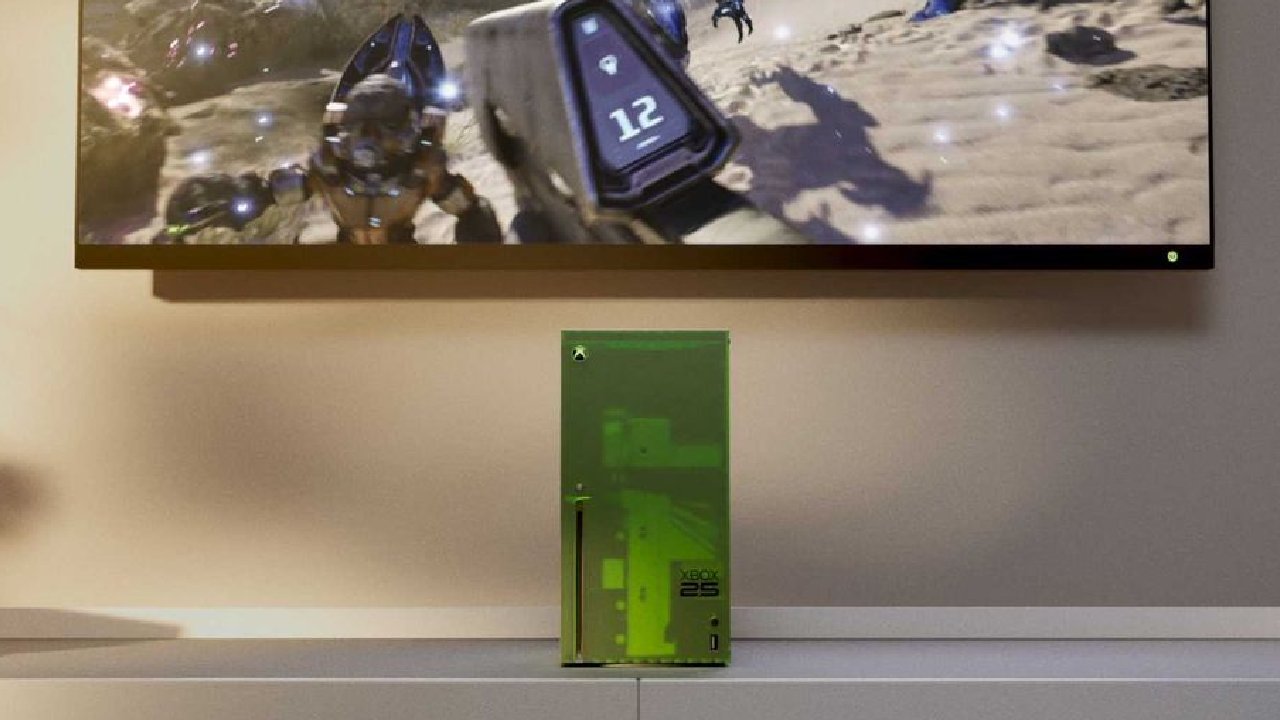
Offering two consoles could help Microsoft establish a performance narrative from the start.
The higher-end Xbox Helix could target consumers who want better graphics performance, while the cheaper model could appeal to those who want a lower entry price. The hardware could also appeal to PC owners. A compact machine with next-gen console performance could work as a Windows PC, giving Microsoft another way to position the device.
However, if Microsoft wants to win back console gamers, the Xbox Helix still needs to offer performance close to what the PlayStation 6 provides. The company should avoid repeating the Xbox Series S situation, where hardware differences raised developer concerns.
A performance difference of around 20–30% shouldn't necessarily be a problem, as long as the memory capacity is close enough. The goal should be to maintain reasonable performance while giving consumers a more affordable entry point. Rumors suggest that the PlayStation 6 could cost around $700–$800.
Editor, NoobFeed
Related News
No Data.