
Hope in the City Review
PC
Lofty Sky's atmospheric detective adventure combines personal storytelling, hand-drawn investigations, and psychological mysteries within a distinctive Chinese city.
Reviewed by Elme Dhee on Nov 12, 2026
Hope in the City is a narrative adventure from Lofty Sky. It's a coming-of-age detective story told through the eyes of a rookie teenager. The developers are more interested in how curiosity, artistic expression, and observation can help someone uncover uncomfortable truths than in building the game around traditional investigative conventions. This creative direction gives the project a recognizable foundation.
The development team includes writer and art director Masha Loftess, who draws on her personal history to shape the game's setting and narrative direction. Having grown up in northeast China, she is familiar with the region where the story is set. Choosing Shenyang therefore feels like a conscious artistic choice rather than a random selection.
Artist Kalista Antonio has also provided more than one hundred original illustrations for the protagonist's notebook. Interestingly, she left Asia at seventeen to study art in Canada, which helps her relate personally to Hope's situation. The drawings are supposed to reflect the protagonist's own artistic abilities, and these contributions add further meaning to the illustrated investigation system.
Lofty Sky has also indicated a desire to enhance the investigative mechanics through feedback, not just its original design. Early prototypes reportedly produced repetitive responses when players combined unrelated observations. They then built on these reactions, ensuring failed deductions got more individual attention rather than making you feel like experimenting was a waste of time.
But playtesting revealed another problem: the relationship between puzzle difficulty and understandable clues. Some links that seemed obvious during development were much harder for players to find. This resulted in changes in how evidence was presented and in the notebook interface. These changes matter, as a detective adventure should reward logical thinking, not knowledge of the developer's intentions.
The new demo includes separate story and investigation modes, plus improvements to camera controls, apartment interactions, and overall stability. These changes reflect the developers' active response to practical problems found during testing. The final experience will show whether these tweaks add up to a consistently engaging adventure, with a release date of November 11, 2026.
The disappearance of family makes for a mystery of the heart.
The story follows Hope Song, a seventeen-year-old aspiring artist whose immediate concerns are academic examinations and opportunities to study abroad. Her life as a normal teenager changes when she comes home to find her apartment completely trashed. Even more disturbingly, both parents have disappeared, leaving no explanation.
The circumstances of their disappearance provide an unsettling foundation for the narrative. Hope is suddenly thrown into a situation that would break most adults, much less a young person still figuring out adolescence. With no idea what happened or where her parents are, she has to start looking into an incident that has upended her familiar surroundings.
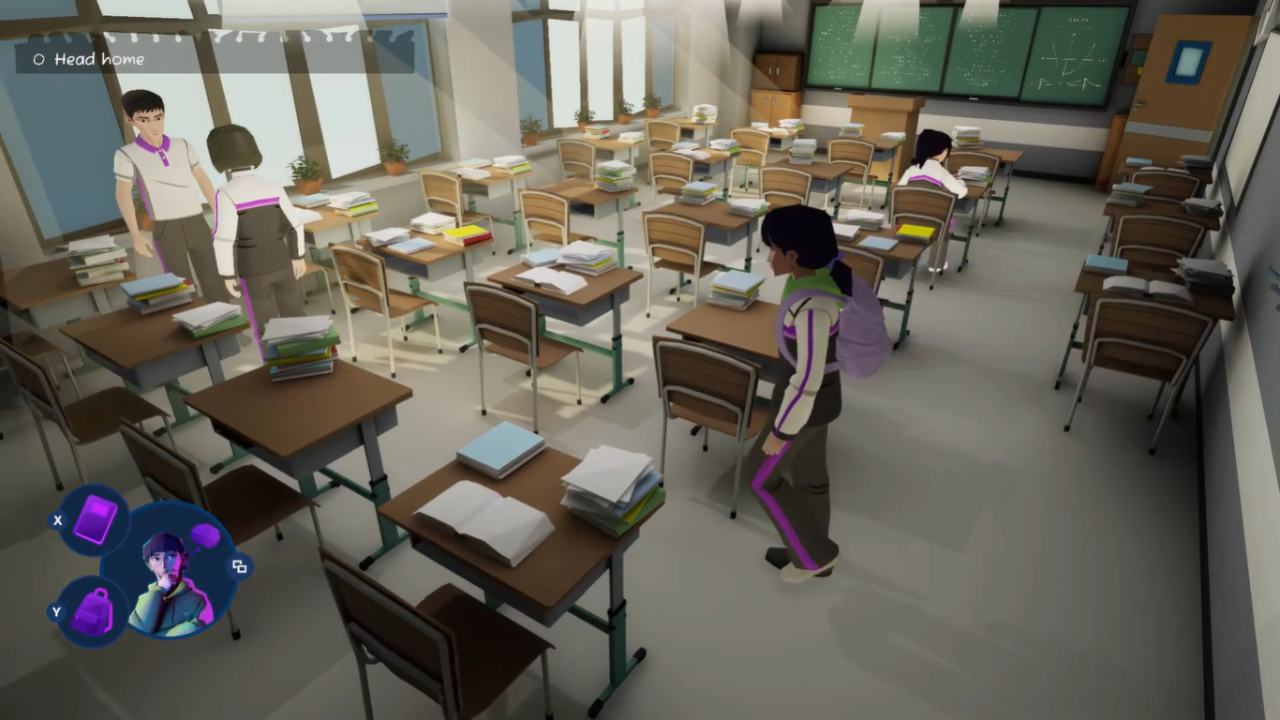
This works so well because Hope doesn't have the usual investigative resources. She has no police force, no forensics, no experienced colleagues to back her up. She has to rely on her own observations and on people who might know something about her family. This limitation adds a more personal and vulnerable dimension to the mystery.
Shenyang also helps set the tone for the investigation. At first sight, this town in northeast China looks like home: the houses, the shops, the people you know in the neighborhood. But as Hope starts to ask questions, the ordinary surroundings take on a more menacing character. Exploration becomes increasingly uncomfortable, because the familiar people may be hiding important information.
Slowly, conversations with neighbors, shopkeepers, and family acquaintances begin to hint at circumstances surrounding Hope's parents that she never understood. They can't answer clearly, and they hesitate. That makes them suspect. You don't need crazy bad guys. This subtle approach builds psychological tension through normal behavior, making the surrounding community feel increasingly untrustworthy.
Hope's artistic nature adds to the story's emotional underpinning. Drawing gives her a way to process unfamiliar situations while holding on to details that might otherwise slip past her. Thus, the notebook is more than just a tool for investigation. It's a personal log of her experiences as she tries to make sense of her family's disappearance and piece together the life she thought was normal.
It also seems to explore larger social issues, such as surveillance, societal pressure, and information communities choose to keep secret. These issues may introduce political and psychological dimensions beyond the specific case of disappearance. The demo is just a tease, but the mix of personal tragedy, urban mystery, and social friction holds strong promise for a story-driven adventure.
Observation is to the investigation what exploration is to discovery.
Hope in the City's gameplay revolves around exploration, encouraging players to explore their surroundings rather than follow set objectives. Residential interiors, streets, and everyday objects offer details worth recording. This establishes a purposeful investigative pace, where progress is driven by understanding the environment rather than conventional action-genre obstacles.

Interacting with surrounding characters is just as important, as conversations can reveal information that changes how players interpret previously discovered evidence. An initial impression of someone as unimportant may change after a subsequent observation adds more context. This link between environmental exploration and dialogue gives everyday interactions a meaningful purpose throughout the investigation.
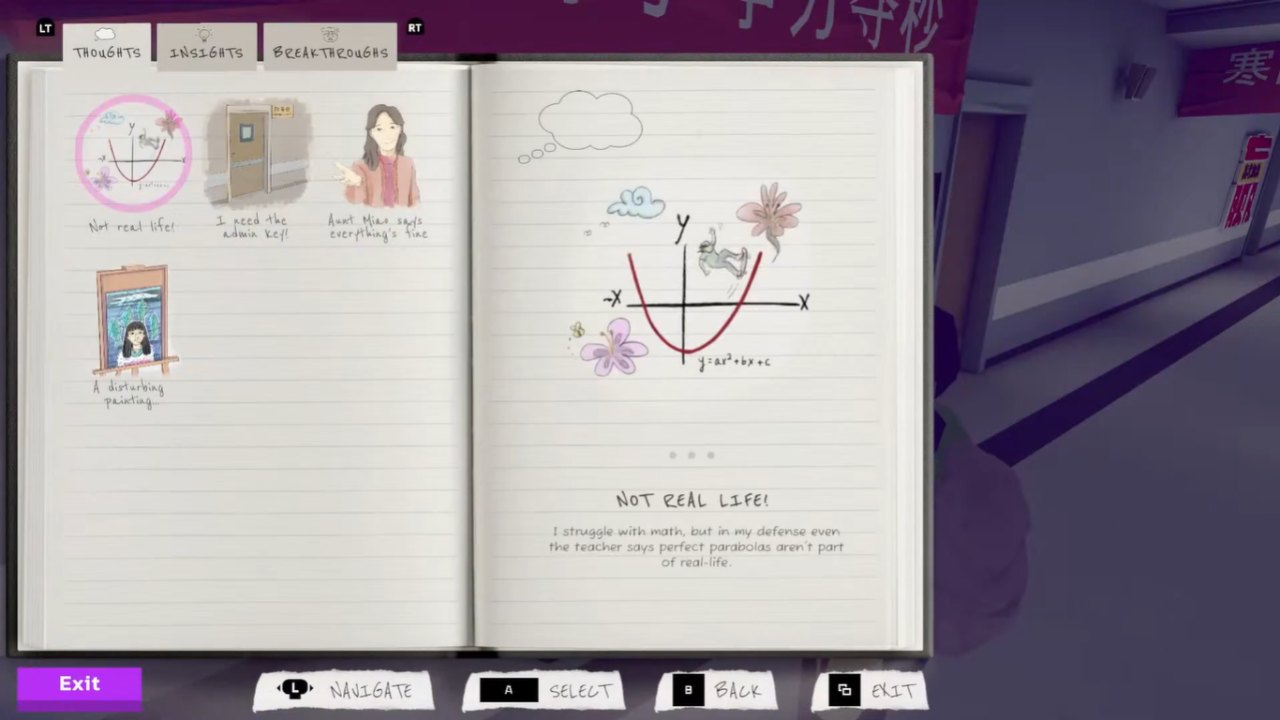
The notebook is the main interface that ties these activities together. If the players find anything significant, Hope can note it in an illustrated record. But collecting information is not merely about keeping an inventory of discoveries. It is a game of interpreting individual details, possible relationships, and building conclusions step by step that drive the mystery forward.
With this structure, there is also a progression between smaller observations and larger discoveries. Each clue might lead to a minor conclusion that, in turn, provides the information needed for a larger deduction. If players discover something new, evidence they've collected before may become relevant again, encouraging them to re-evaluate earlier assumptions rather than seeing each investigation as an isolated objective.
It is especially interesting to develop dialogue, because discoveries in the notebook may reveal new dialogue possibilities. Players can return to familiar characters with information that changes the course of an interaction. New conclusions can also offer clues and open previously off-limits areas, tying the various investigative activities into a more unified experience.
The developers also say players can investigate clues in any order. This means there is some latitude in deciding which questions to address first, but not complete narrative freedom. The key question is whether these alternative investigative routes remain interwoven, without unnecessarily hampering progress when players miss a particular interaction.
The notebook's mechanical purpose derives from logic puzzles.
The puzzle design is centered on interpretation rather than traditional mechanical challenges. Players must connect observations and figure out which details lead to a bigger conclusion. This fits the protagonist's personality, as her ability to make art becomes directly tied to investigating her surroundings and understanding unfamiliar situations.
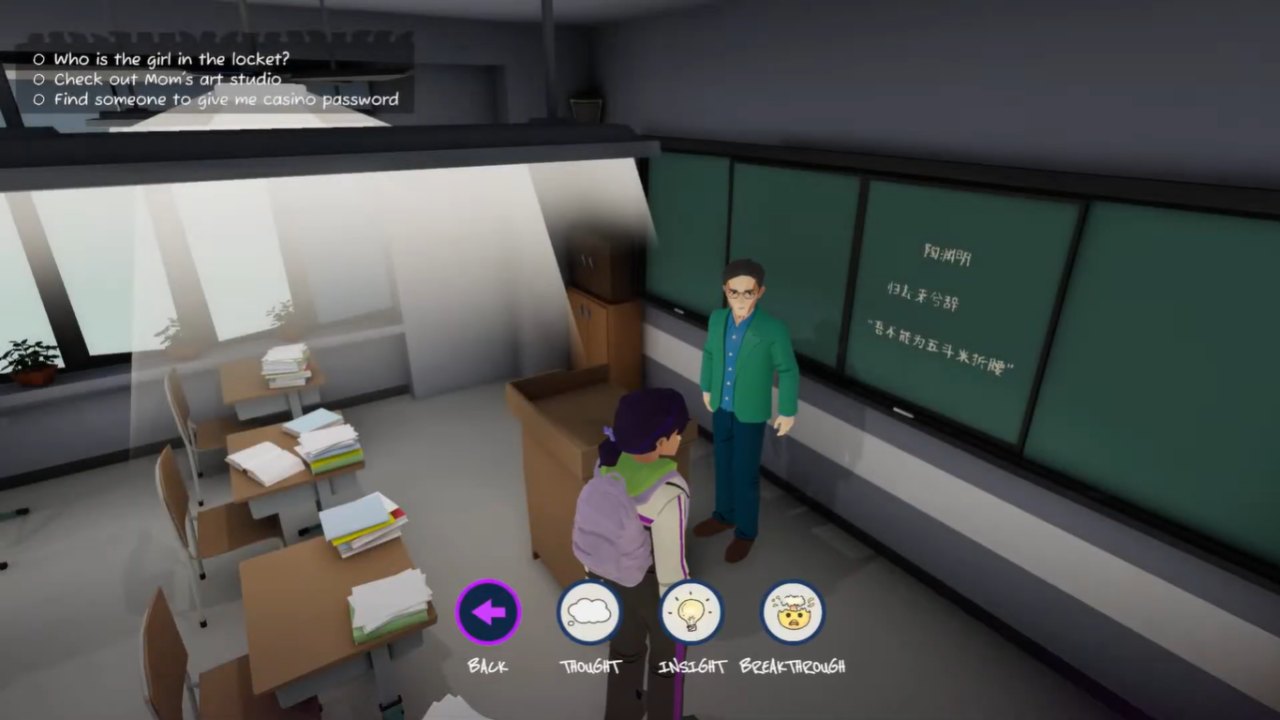
One especially promising aspect is how the game handles incorrect deductions. Instead, the system has more specific reactions rather than a uniform response every time players combine unrelated observations, as reported. This encourages experimentation and makes failed attempts less discouraging. It also shows an appreciation that curiosity should still be part of the investigation even when individual theories are shown to be wrong.
But this mechanic has an important design challenge. Rather than trying every combination over and over without understanding why they matter, players should be encouraged to reexamine evidence and identify links they initially missed. The developers have already admitted to unclear clues during playtesting, and the success of their revisions is especially important to the finished experience.
The separate story and investigation modes also offer flexibility in how you approach solving them. Players can choose a more relaxed experience, or a greater investigative challenge. The exact differences between their rules aren't fully understood yet. Still, these options could bring the mystery to a wider audience without removing the pleasure of drawing logical conclusions for yourself.
What it does best is tie in to the story. Hope in the City uses deduction as the primary way for players to learn about the disappearance, rather than puzzles as random roadblocks. It creates coherent relationships between exploration, dialogue, and progression. But its long-term success will depend on ensuring enough variety throughout the adventure.
Shenyang has a unique visual identity that is very much alive.
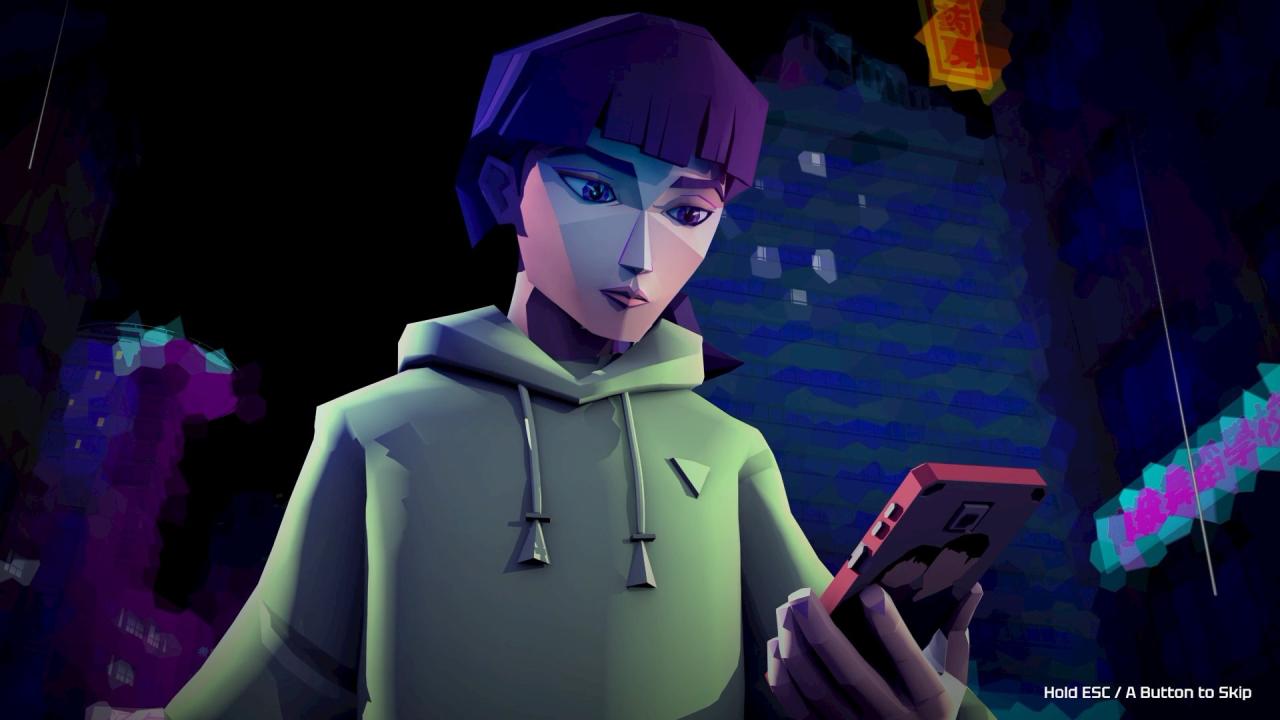
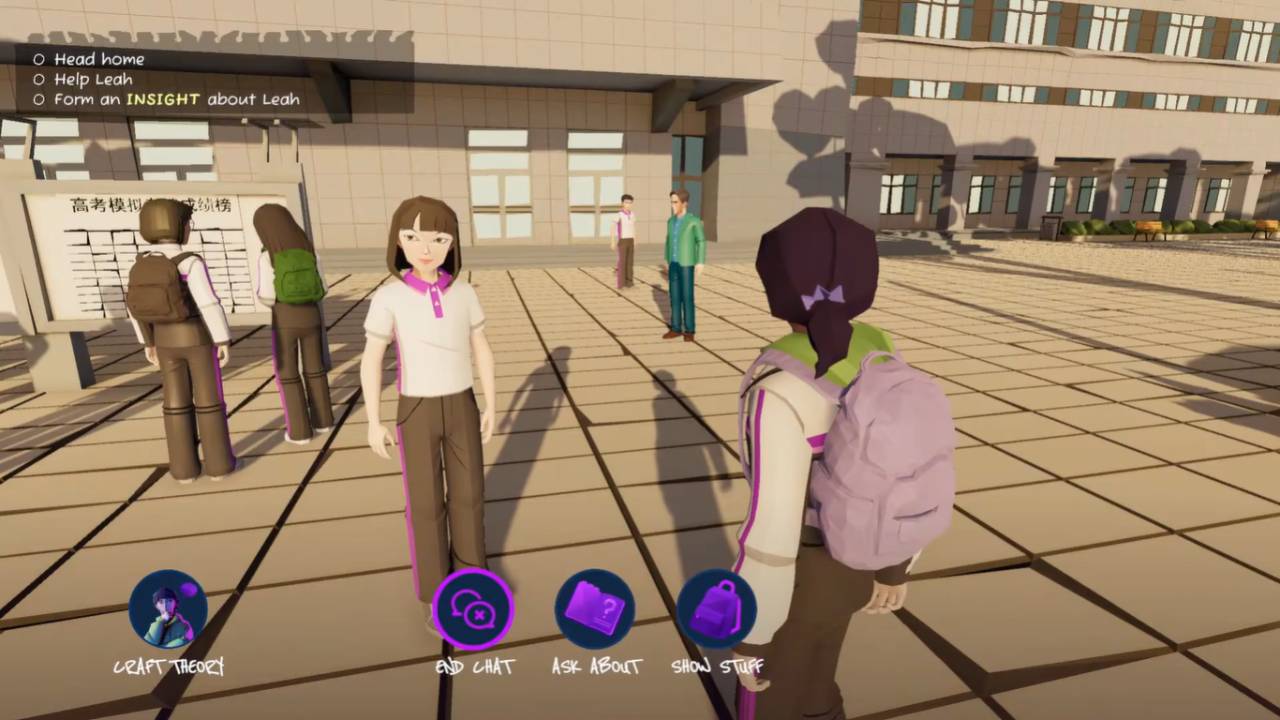
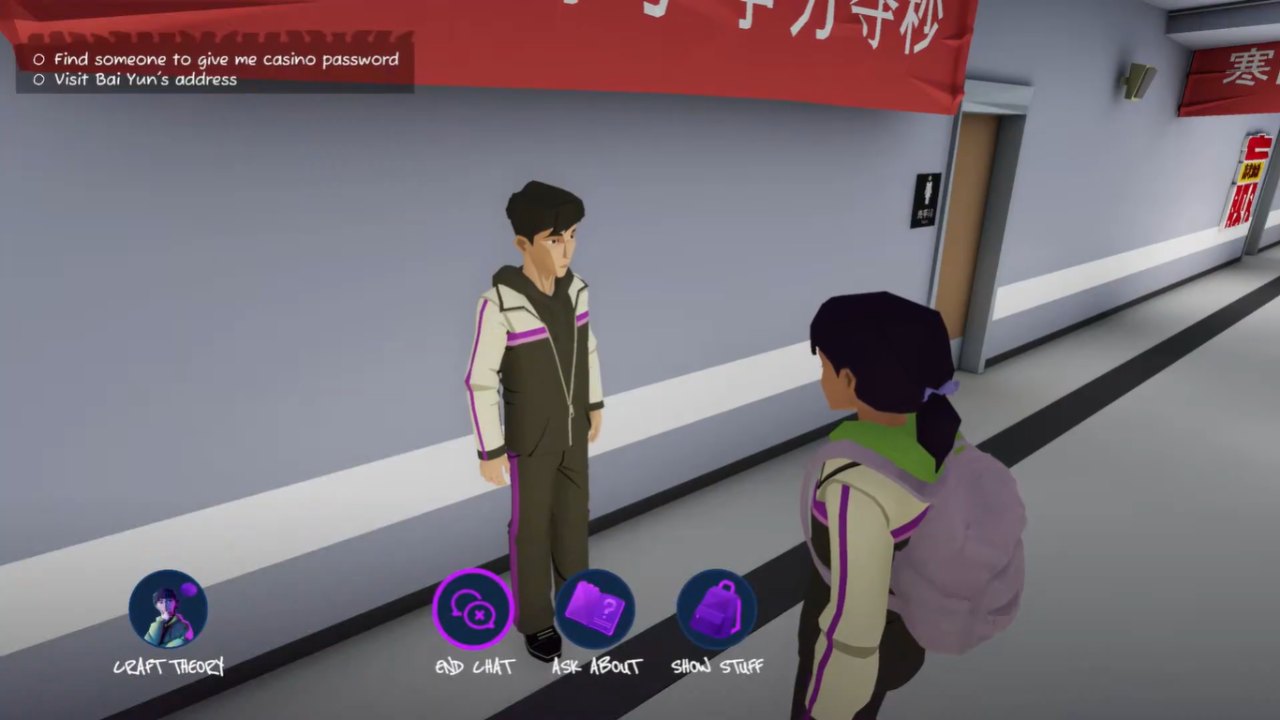
Hope in the City isn't conventional photorealism, but a stylized three-dimensional presentation based on angular geometry. The developers call their visual approach triangulation, using sharp surfaces instead of smooth, traditional environmental shapes. This gives it an instantly recognizable look that works with the psychological mood of the investigation.
This artistic direction greatly helps represent Shenyang. Imposing structures of large residential buildings and commercial streets communicate the rigidity of the urban environment. Meanwhile, the variable night lighting and the colorful neon storefronts provide visual variety. Together, these elements create a modern Chinese city that feels familiar, atmospheric, and increasingly disturbing.
The character design reflects the protagonist's relationship to her surroundings. The adults and environmental structures tend to have harder, more geometric forms, while Hope uses softer lines and more open shapes. This contrast visually conveys her vulnerability without relying on dialogue or exposition alone. It also helps to separate her from the increasingly frightening world surrounding her investigation.
Another major artistic highlight is the game's hand-drawn presentation. The illustrations have a digital watercolor look, with loose sketches and selected details that look like notes taken during an investigation. The developers also draw on perspectives from the three-dimensional environments when placing these drawings, helping to tie the illustrated interface to places the player has already been.
The notebook doesn't boast polished illustrations like catalog artwork, but intentionally keeps its imperfect look. The soft ink effects, loose lines, and highlighted details suggest drawings by a talented teenager under considerable emotional pressure. This approach adds personality to the investigative interface and further emphasizes the link between artistic expression and evidence collection.
Ultimately, the visual direction serves a narrative function, not just to make the game look good. The contrast between Shenyang's angular architecture and Hope's softer illustrations reflects the contrast between her vulnerable point of view and the menacing world around her. It gives the adventure a unique visual identity that amplifies the mystery, exploration, and emotional storytelling.
Performance is still achievable on modest hardware.
The available demo suggests stability in normal exploration mode for Hope in the City. The demo claims frame rates stay constant during most environmental interactions so that players can move through residential areas with minimal interruption. The transition between the three-dimensional environments and the illustrated notebook interface is also immediate, which is important for an investigation that requires frequent evidence comparisons.
The investigative interface is also responsive, which is another plus. Players constantly switch between investigating the environment and checking the notebook, so that any extra loading delays could disrupt the experience. The demo reportedly handles these transitions without noticeable waiting periods, so the investigation can maintain its intended rhythm without technical interruptions becoming distracting.
But some animated segments reportedly suffer from intermittent frame rate dips. These inconsistencies appear most noticeable during sudden camera changes and cinematic transitions. They don't really change the feel of regular exploration, but they should be addressed in the final release to maintain a consistent presentation. This is especially important as cinematic sequences play a huge part in the game's emotional storytelling.
Progression is knowledge-based, not experience point-based.
Hope in the City doesn't appear to have a traditional experience point system or standard character development mechanics. Based on the information available, there are no character levels, skill trees, combat upgrades, or rewards for defeating enemies. Instead, advancement is tied to the player's ability to gather observations, interpret evidence, and uncover more information.
This fits the investigative nature of the adventure, as Hope grows through knowledge, not physical ability. Successful deductions will unlock new dialogue options, locations to explore, and clues to find, slowly increasing the player's knowledge of the disappearance. Thus, the notebook becomes a record of the research's progress, showing how individual discoveries build into findings of greater and greater importance.
The big question is: does this progression stay varied enough over the course of the entire story? Gathering observations over and over and compiling evidence can become tedious when discoveries don't lead to significant advancements. But the connection between deductions, conversations, and environmental exploration gives us chances to keep interest flowing without resorting to traditional XP grinding or numeric progression systems.
Hope in the City is a good play for mystery lovers.
Hope in the City is a promising experience for fans of atmospheric detective games, psychological mysteries, and emotionally charged stories. Its female protagonist, unique setting, and illustrated investigation mechanics give it an identity that is recognizable within the genre. More importantly, the connection between Hope's artistic personality and the central mystery gives the adventure a meaningful narrative foundation.
The best reason to consider the game is how it handles investigation. The experience encourages players to explore environments, parse dialogue, and make connections on their own, rather than relying on navigational aids or constant objective markers. This attention to logic may make successful discoveries all the more satisfying, particularly for audiences who like a slow journey of discovery.
However, if you're looking for traditional action sequences, cinematic chases, or combat-based survival mechanics, come in with different expectations. Hope in the City, however, is about observation and interpretation before physical confrontation. It's a slower affair, demanding patience and an actual desire to investigate evidence, making it much more appropriate for fans of story-heavy single-player adventures.
The notebook remains the project's most compelling feature because it ties several aspects of the experience into one coherent mechanic. Its illustrations reflect Hope's artistic identity and give her the practical tools to collect evidence and solve puzzles. It combines with the dialogue system and environmental exploration to form an investigative framework that feels closely tied to the main character's personal situation.
But the whole experience still needs to prove consistent puzzle quality and meaningful progression. The developers have admitted the clues have sometimes been unclear, and their changes will need to lead to investigations that challenge players without becoming too frustrating. The demo is a good start, but how well it keeps things varied and how well it intercommunicates deductions will determine if the full adventure is as good.
Existing subscribers also get an attractive option with the release available through Xbox Game Pass on PC and consoles. Meanwhile, those who prefer to buy and collect their games can check out the Steam version. Overall, Hope in the City is a promising detective adventure for anyone who enjoys emotional storytelling, atmospheric exploration, and logic-based puzzles. Its greatest strength is that an interesting mystery doesn't need to be acted on to keep players interested.
Editor, NoobFeed
Verdict
Hope in the City delivers an atmospheric detective adventure driven by emotional storytelling, thoughtful exploration, and hand-drawn puzzles, making it a promising choice for mystery enthusiasts.
79
Related News
No Data.