
Splatoon Raiders Review
Nintendo Switch 2
Nintendo's brightest spin-off yet delivers an addictive single-player adventure.
Reviewed by Nusrat Choity on Jul 22, 2026
For years, Nintendo’s colorful competitive shooter Splatoon has stood out from the crowd. Gone were the grim battlefields and military realism, replaced with chaotic ink fights, stylish characters, and unique movement mechanics. The online multiplayer was always the main attraction, overshadowing the short story campaigns. Splatoon never had the chance to become what it could have been.
Splatoon Raiders confidently alters that recipe. Nintendo made an entire game around single-player. The ink-shooting mechanics remain, but the game has been redesigned into a loot-driven action RPG with PvE combat. This ambitious change could have felt like a spin-off cash grab. Instead, it shows that Splatoon's basic gameplay can support another genre.
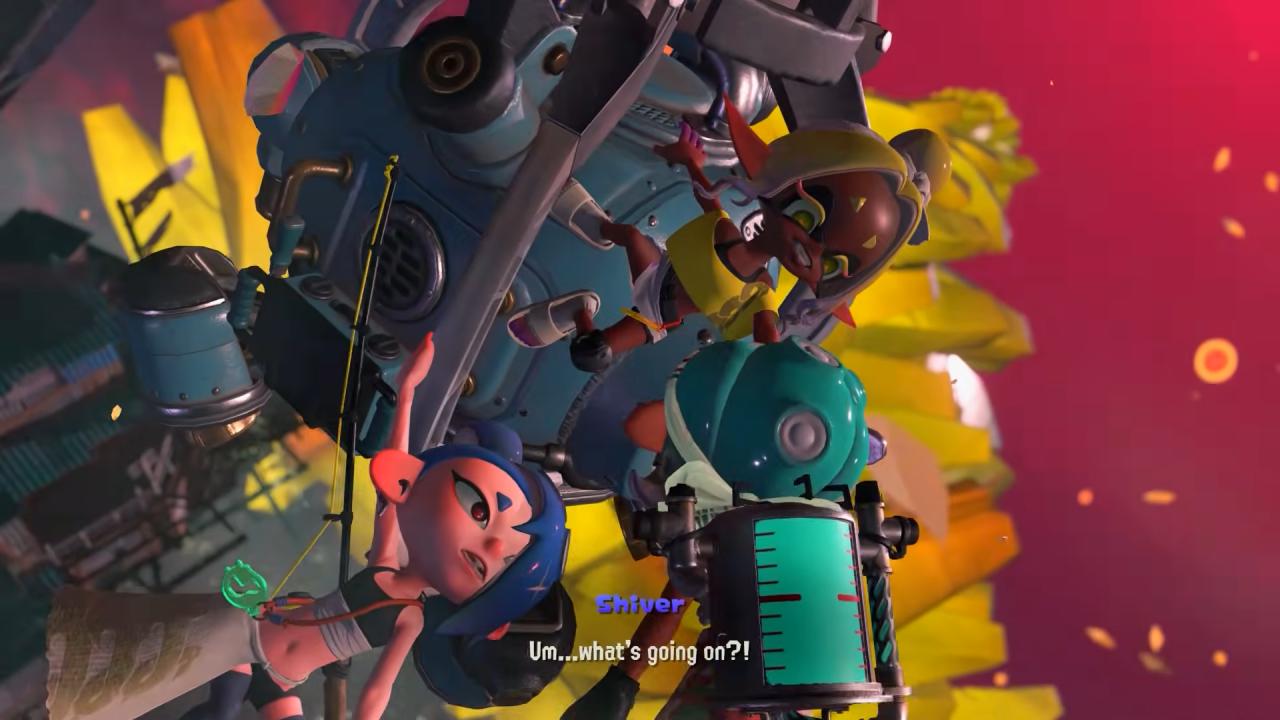
That’s even more impressive as everything falls into place naturally. Splatoon Raiders takes the weapons, enemies, and characters from Splatoon 3 and combines them with looter-shooter and action RPG systems. The outcome feels like a new franchise branch that belongs alongside the competitive games, not a side project.
Raiders' gameplay loop is immediately engaging and hard to put down, whether you've spent hundreds of hours ink-coating battlefields or are new to the series.
You control a custom mechanism as Deep Cut, Shiver, Frye, and Big Man explore the mysterious Spirhalite Islands. A huge beam of light shoots out of the island’s core, unleashing a violent cyclone that smashes your helicopter into unknown territory.
Being stranded turns the experience into more than just survival. You need to unravel the mystery of the island, find out why violent Salmonids have taken control, find treasure, and get back home. Each trip takes you closer to the vortex and uncovers more about the islands and their secrets.
Don’t expect a heartwarming tale with plenty of drama. Splatoon Raiders doesn’t dominate the gameplay with story, but instead supports it with light storytelling. The story is simple, but that’s a good thing. It encourages exploration without getting in the way. The real charm is in Deep Cut.
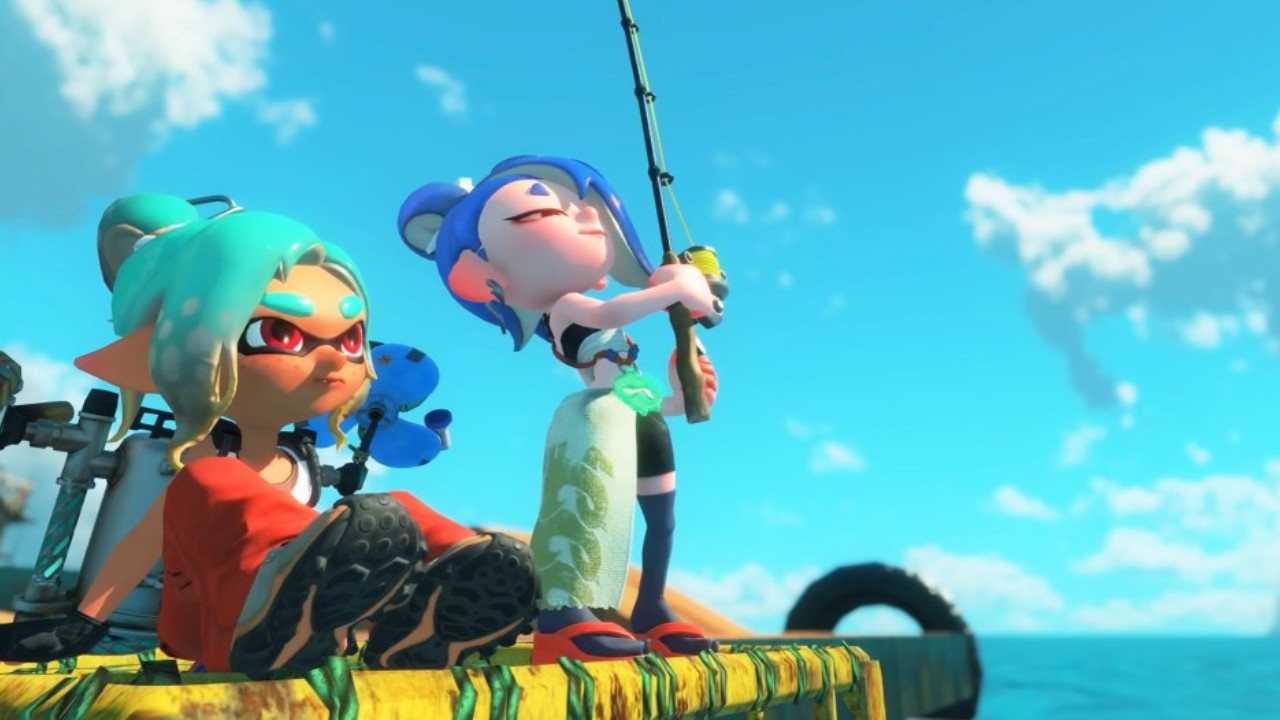
Returning Splatoon 3 players will recognize the trio, but newcomers will love their energy. They add humor and warmth to the long island journey; it is an added personal touch. They never drag on in their conversations and make the treasure hunt feel like a fun road trip with humorous moments.
Your mechanic protagonist is perfect for the game. You're an inventor upgrading equipment with scavenged materials and artifacts, not a superhero. This ties every upgrade into the story, not just in RPG menus.
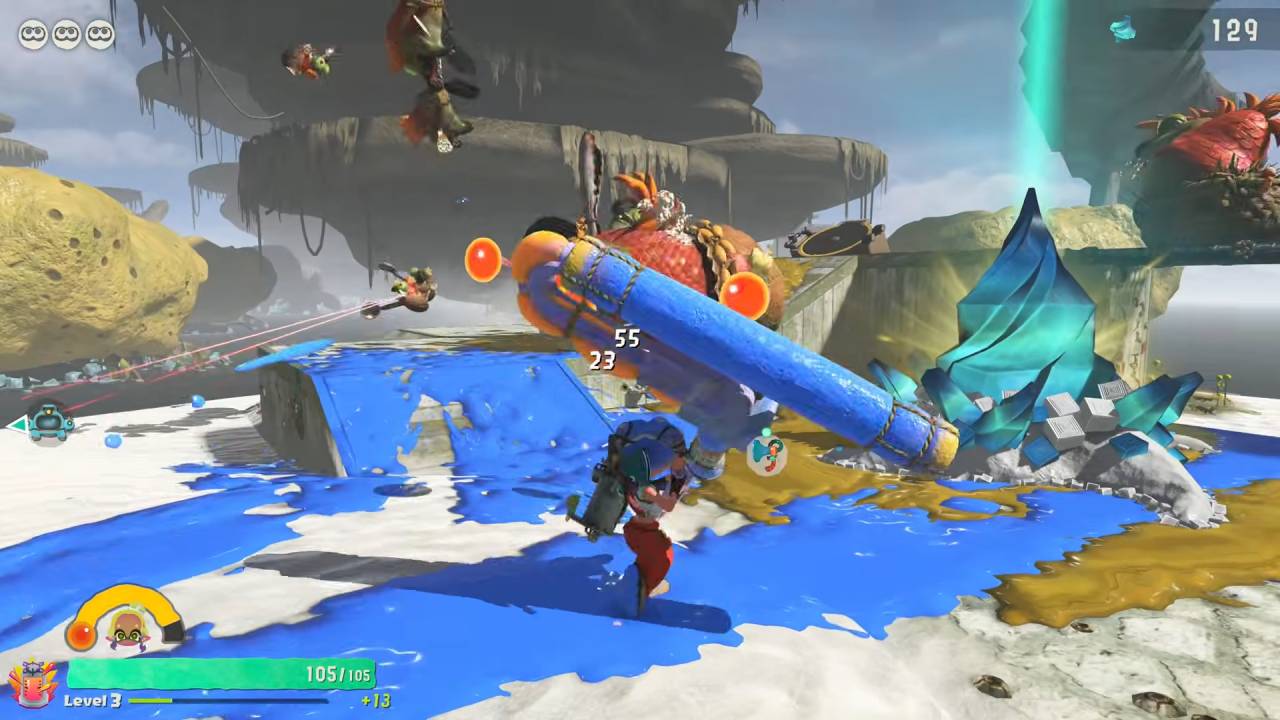
Story is not the focus here, but it’s a fun ride that emphasizes exploration, experimentation, and progress. One simple philosophy guides Splatoon Raiders: kill enemies, grab loot, grow stronger, then take on bigger challenges. Nintendo plays that loop well despite its familiarity. Most rewards make your next trip more successful, making every mission meaningful.
You now fight waves of increasingly dangerous Salmonids across many PvE goals instead of vying to paint the greatest map piece. Defense and Power Egg collection against time limits are required in some missions. Others let you freely explore larger environments, where you can find massive crystal deposits to drill for Spiralite.
Hidden sampler dungeons have gadget-specific difficulties, while large multi-floor dungeons become hard survival tests with bosses and monster swarms.
The variety of missions keeps the gameplay from getting repetitive, unlike many loot games. Explorers are slow and careful resource gatherers. Dungeon runners are fast movers and good fighters. Each action provides various materials, so there's always a motivation to switch mission types rather than farm the same goal.
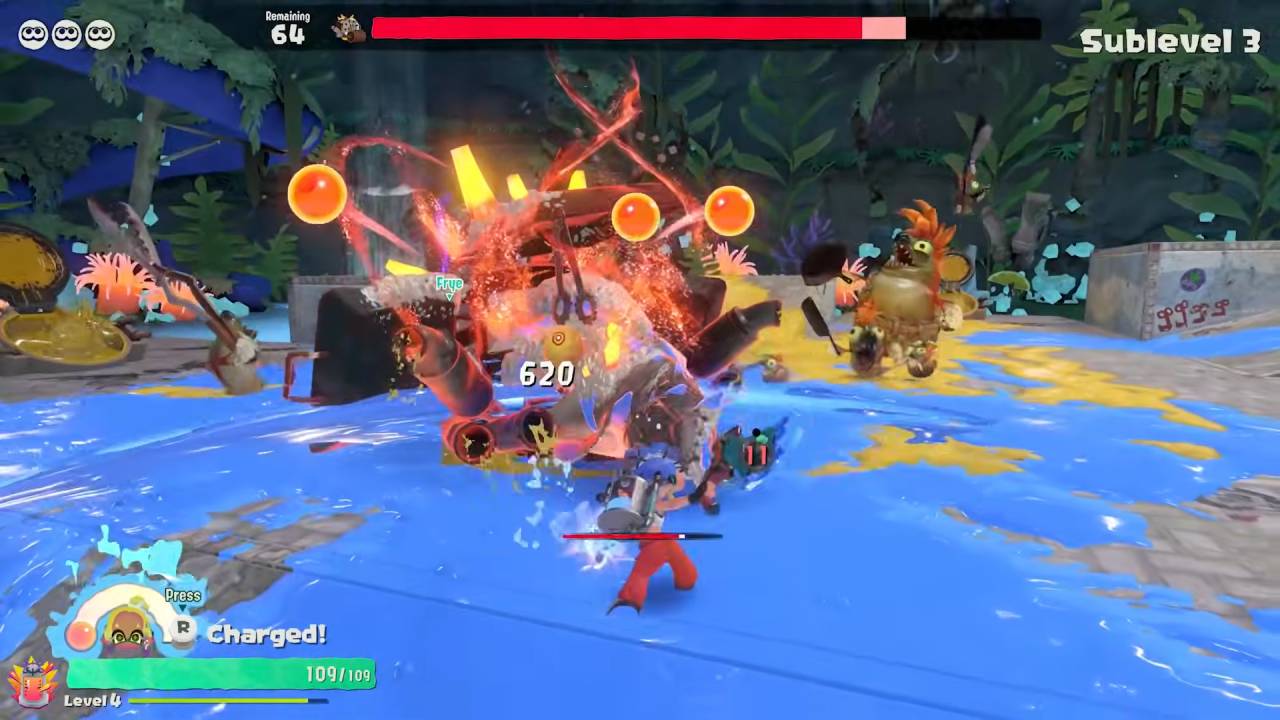
Combat is still Splatoon. You still cover the battlefield in colorful ink, swim through it for mobility and ammunition, and outmaneuver enemies with environmental movement. It's possible that these mechanics are better now since they're not balanced around competitive multiplayer. Nintendo fully embraces PvE freedom.
Another advantage is weapon variety. Shooters, dualies, rollers, brushes, buckets, splatanas, chargers, and more return. Each weapon drops with different levels and rarities, encouraging experimentation rather than loyalty. Instead of waiting for a stronger weapon, you're tempted to try anything new until greater treasure arrives.
The gadget system is the largest addition. Choose Speed, Power, or Tactical tank class before each mission. They decide what unique gadgets you can unlock, not character classes. Speed Tanks are all about agility, using boomerangs, evasive jumps and fast repositioning gadgets.
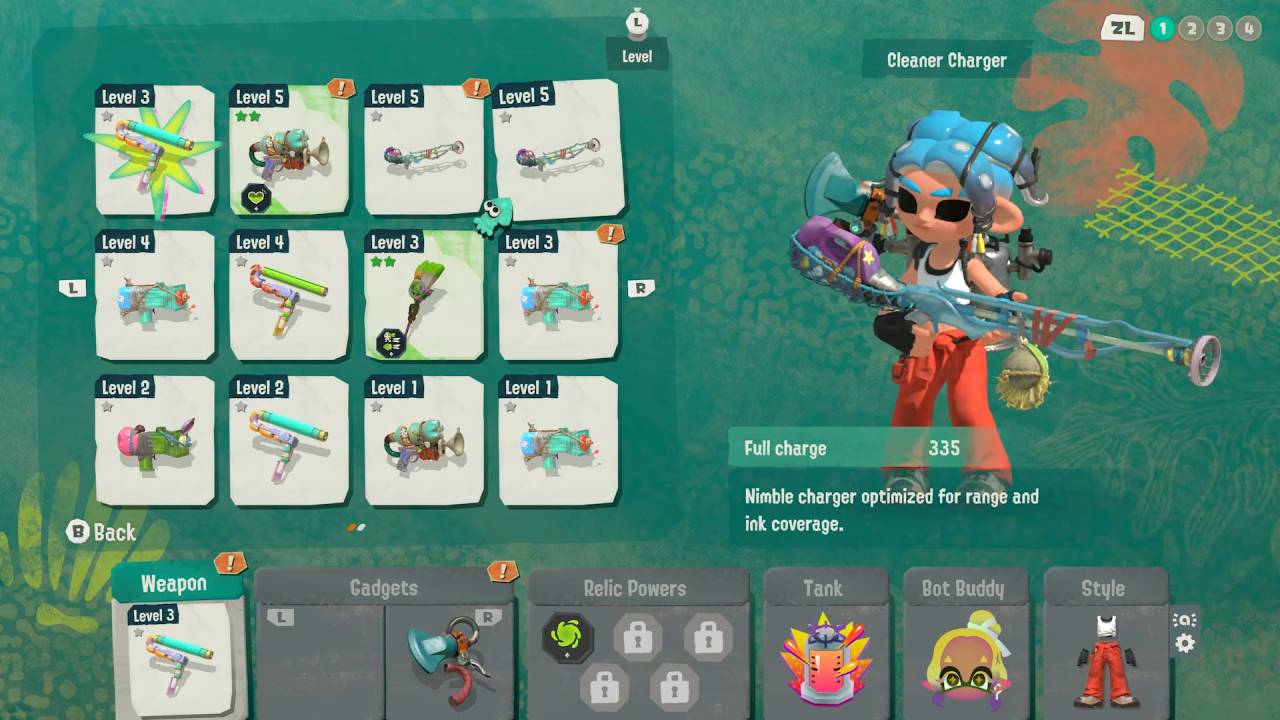
Power Tanks are more aggressive with strong close-range attacks, circling satellites and explosive powers that can take out big clusters of enemies. Tactical Tanks rely on automated turrets, linked bombs, support gadgets and smart positioning gadgets to control the battlefield rather than rely purely on brute force.
There’s a huge customization system, with collectible parts and skill points to upgrade each gadget. Reduce cooldowns, increase damage, expand range, add elemental effects or new behaviors. Depending on upgrade choice, two players using the same device can have very different builds.
This depth makes Raiders powerful. Customization affects fight strategy rather than stats.
The right combinations can turn mobility tools into damage dealers, and defensive gadgets into offensive powerhouses. Sampler dungeons give you fully upgraded versions of new gadgets to encourage experimentation. Instead of simply detailing mechanics, these smartly display their full potential, inspiring new builds.
By combining pleasant gameplay, meaningful growth, flexible loadout customization, rewarding exploration, and an addicting loot cycle, Splatoon Raiders elevates Splatoon’s solid foundation into one of Nintendo’s most compelling single-player experiences in years.
Combat sets Splatoon Raiders apart from other spin-offs. The ink-based shooting mechanisms are still here, but each encounter now focuses on enemy control instead of player-versus-player competition. You’re not controlling territory; you’re deciding where to go, what to shoot, and what to do with your resources as dozens of Salmonids try to overwhelm you.
Movement remains the game's strength. Painting the ground with ink before diving in to swim fast still feels good. Every fight is a cycle of firing, swimming, repositioning, and striking. It's a fluid system that remains appealing after dozens of missions.
Enemy diversity merits praise. Longtime fans may recognize returning Salmonids, but they must be fought differently each time. Standard foes are just the start. Elite variants, fully armored “Salted” Salmonids, shield-bearing opponents, ranged assaults, and huge monsters constantly alter your strategy.
Some enemies shield allies or rain projectiles on the battlefield, while others send shockwaves that push you out of your ink. Shooting the closest thing rarely works.
Highlights include boss fights. Each boss has a distinct mechanic that requires attention and reaction, not just damage. As important as firepower is learning attack patterns, identifying weak points, and choosing the right gadget loadout.
The sampling dungeons' focus on experimenting rather than conflict is refreshing. These small challenge chambers are like puzzle stages, limiting your equipment and requiring you to solve mobility or combat scenarios with a certain device. They mirror the shrine system in The Legend of Zelda: Breath of the Wild, but they also teach advanced combat techniques and environmental riddles.
These stages are the smartest in the game because they naturally show each gadget's abilities. You often find inventive combinations you never would have used in normal gaming, making them rewarding instead of instructional.
Combat is most enjoyable when every gadget may be customized. Cooldowns, damage output, AOE, status effects, mobility, or new behaviors are changed by parts. A simple support ability can become a build's centerpiece. Some technologies become powerful crowd-control tools, while others become reliable defenses that help you escape difficult situations.
Showstopper skills make things more exciting. All Deep Cut characters charge their super attacks by using the eggs of defeated enemies. These abilities recharge slower than regular gadgets, but they can turn a hopeless battle around. Some of the game's best moments involve triggering a massive shark attack or screen-clearing ability during massive enemy waves.
Combat isn't perfect. In PvE, some weapon classes feel stronger.
Shooters and dualies outperform rollers, which were built to cover territory rather than kill massive enemy hordes. Every weapon is usable, but the balance is off. Mission recurrence is another small concern.
The game has several objective types, but the horde-style den missions blur after long play sessions. After the campaign teaches its main features, subsequent enemy combinations, harsher difficulty variants, and increasingly chaotic encounters keep the experience compelling.
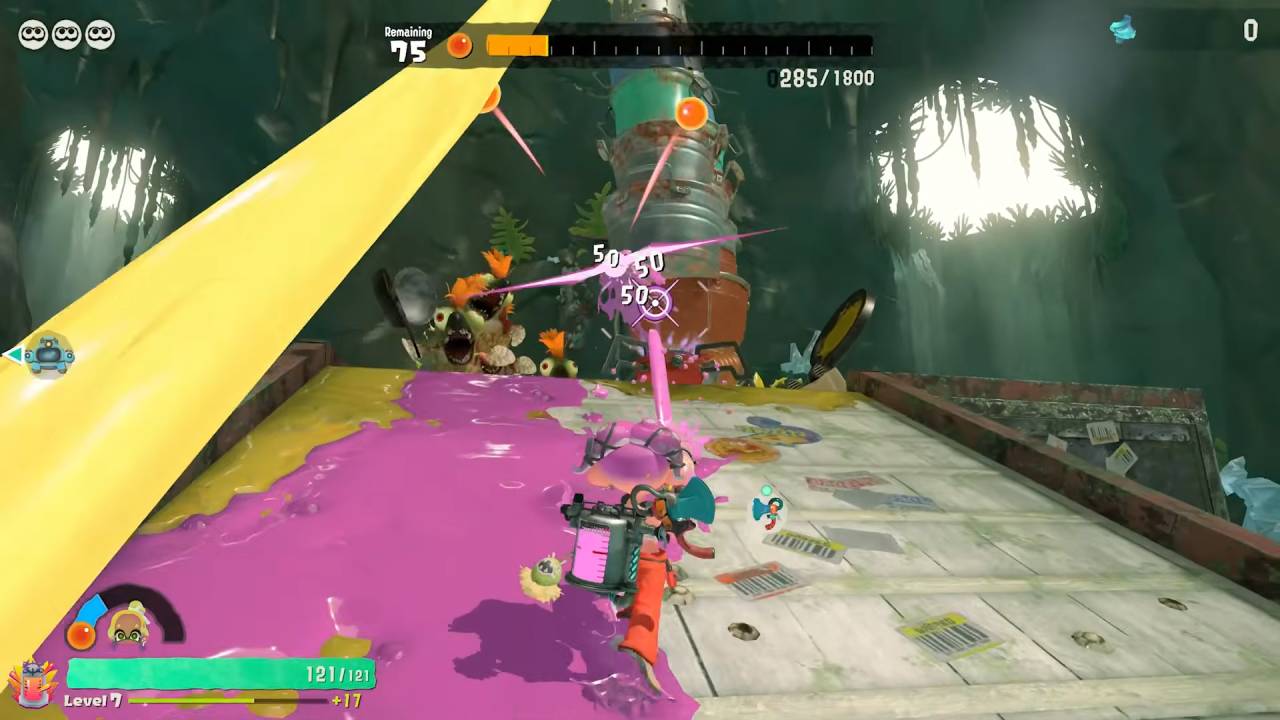
Splatoon Raiders' best feature is progression, which rarely feels like grinding.
Nearly everything you do strengthens your character. Missions yield experience, weapons, crafting materials, relics, gadget parts, coins, and skill points. You keep most awards before returning to base, so failed attempts aren't squandered.
Failure feels completely different with this approach. The game rewards losing as a learning experience. If a dungeon is too challenging, you head back, upgrade your favorite gadgets, enhance your equipment, try different builds, and return better prepared. Weapons have rarity and level requirements like loot. New gear arrives frequently, encouraging experimentation without complicating things.
You can use duplicate or unwanted weapons to craft ingredients to improve your favorite gear. Character development isn’t only about weapons. Speed, Power, and Tactical tanks level independently, unlocking stronger gadgets and customization options. Skill points make each gadget more powerful, allowing you to create custom loadouts for your playstyle.
Good thing the campaign’s pace is well balanced. Upgrades are frequent enough to make every mission worthwhile without having to farm. A new mechanic, enemy type, or personalization choice every few stages makes progression intriguing instead of routine.
The game has multiple difficulty settings, but they only affect enemy damage, not rewards. You'll get the same loot and experience in easy or hard battles. A great accessibility choice that lets everyone experience the progression system at their own pace.
Once the credits roll, the endgame grows. Harder “Spicy” mission variants have more enemies and deadly encounters. The challenges are a great way to test optimal builds, offering more customization to dedicated players. There are still a few issues with progression. The tank class’s experience cap is a downside.
When a much-loved class is maxed out, it’s a waste of experience rather than being spread out to unused classes. This could make players less inclined to stick to their favorite build and make experimentation less rewarding. It would have been nice to have a wishlist for making supplies. Having so many upgrade pathways makes remembering which resources you need inconvenient.
Splatoon Raiders looks like Splatoon. The bright ink explosions, expressive character animations, and creative enemy designs make the game instantly recognizable. Deep Cut steals the show with expressive face animations and delightful interactions that breathe life into every story sequence. Performance, not graphics, is the biggest technical achievement of the game.
Battles are often full of massive enemy hordes, vivid ink effects, explosions, gadgets and particle effects, yet the frame rate remains remarkably stable.
One of the best features is the smooth 60 frames per second, even in frantic battles.
On the other hand, the variety of the environment is not as impressive. The Spirhalite Islands feature different kinds of places, but many of them use similar visual elements, and the exploration is less varied than the combat. Some of the locations in Splatoon are less vibrant than the typical bright multiplayer fighting arenas.
While there are not too many locations, the enemy designs, gadget effects, and the vibrant ink mechanics help to keep the battles exciting. Raiders proudly upholds Splatoon’s iconic audio. The soundtrack matches the game's frenetic combat with upbeat rhythms and slick electronic influences that match the colorful chaos onscreen.
The music builds naturally over longer battles, helping sustain the game’s momentum.
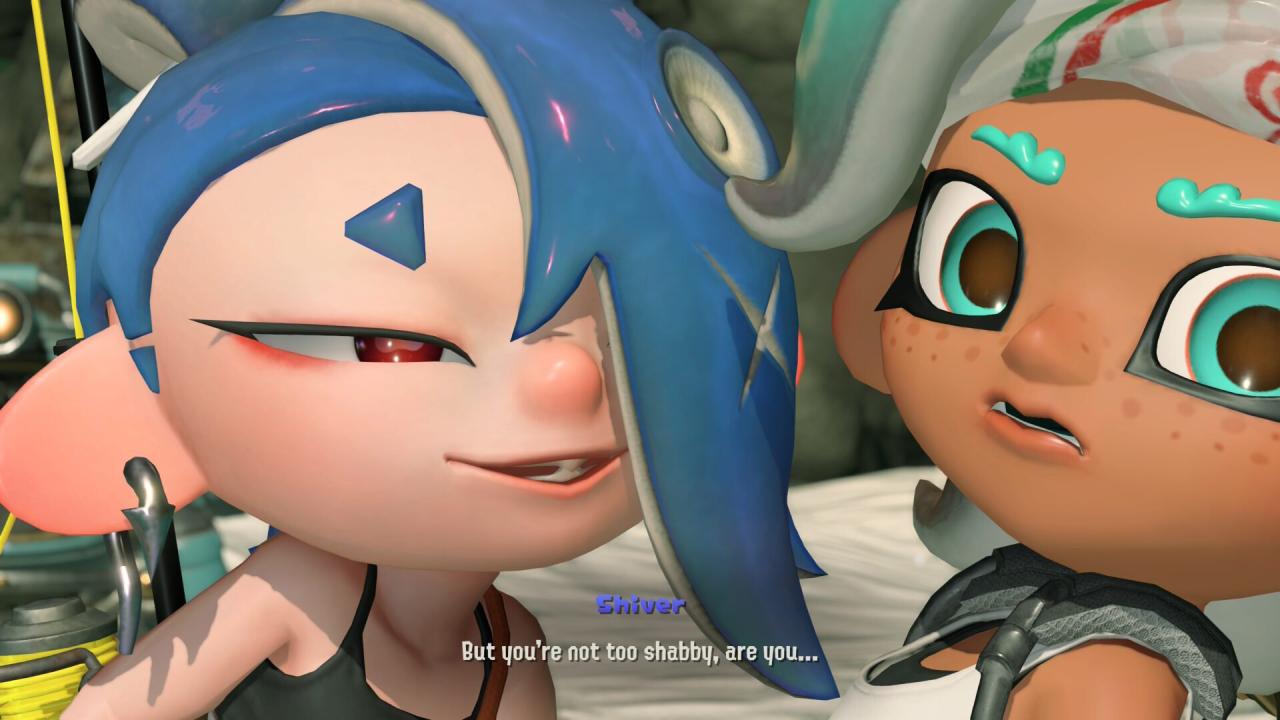
Shots, explosions, gadget activations, and ink splashes are powerful and crisp. Swimming through ink still gives fans the auditory input they expect, reinforcing the franchise’s movement system. Character work is also impressive. The expressive dialogue and animations of lively personalities from Deep Cut add warmth to a straightforward treasure hunt.
Splatoon Raiders might have been a side project using already known mechanics, but it cleverly takes Splatoon's great mobility and shooting and turns it into an addictive PvE action RPG that feels fresh and organic. The energetic sound design doesn’t interfere with the action, making the encounters feel lively and well-polished.
How each system complements another is its greatest strength. Fluid combat generates meaningful loot, which encourages experimentation, which strengthens builds and prepares you for harder encounters. The gameplay loop is satisfying from the first missions to the surprisingly large post-game stuff.
The story may never be emotionally moving, and some missions become repetitive. Some weapon class and advancement system balance flaws prohibit perfection. The basic gameplay is always fun, so minor flaws rarely matter. Splatoon Raiders always gives you another reason to play. Whether it’s hunting down weird gear, trying new gadget combinations, completing harder tasks, or just one more ten-minute raid before bed.
Most importantly, it shows that Splatoon can thrive without competitive multiplayer. This isn't just the franchise's strongest single-player campaign—it convinces Nintendo to expand this PvE concept in future core games.
Contributor, NoobFeed
Verdict
Splatoon Raiders effectively reinvents Nintendo's colorful shooter with satisfying growth, great action, and unlimited build variety. With little repetition, it’s engaging, and it’s one of the best PvE journeys in the franchise.
90
Related News
No Data.