
Battlefield 6 Season 2 is a Warning Sign for Modern Shooters
Sparse maps, limited weapons, and slow content rollout reveal what happens when live-service games ignore their communities.
Opinion by Zahra Morshed on Feb 15, 2026
Battlefield 6 Season 2 is now out, and gamers are having a very strong reaction to it. After a rough launch, DICE and EA announced the roadmap for the next four months, which showed what many people think is a disappointing offering. One big area in the style of Battlefield is the main attraction. It's called Contamination. This map has the big battles, vehicles, and landscapes that can be destroyed, which make the series what it is, but the rest of the content is very lacking.
Along with Contamination, players will be able to access a second map that is set underground and is focused on close-quarters battle with infantry. This map, which has been pushed back until March 17th, is very different from normal Battlefield games. It focuses on narrow hallways instead of large battlefields. There are six more limited-time modes that fill in the gaps, but as short-lived experiences, they can't take the place of the main material that players expect.
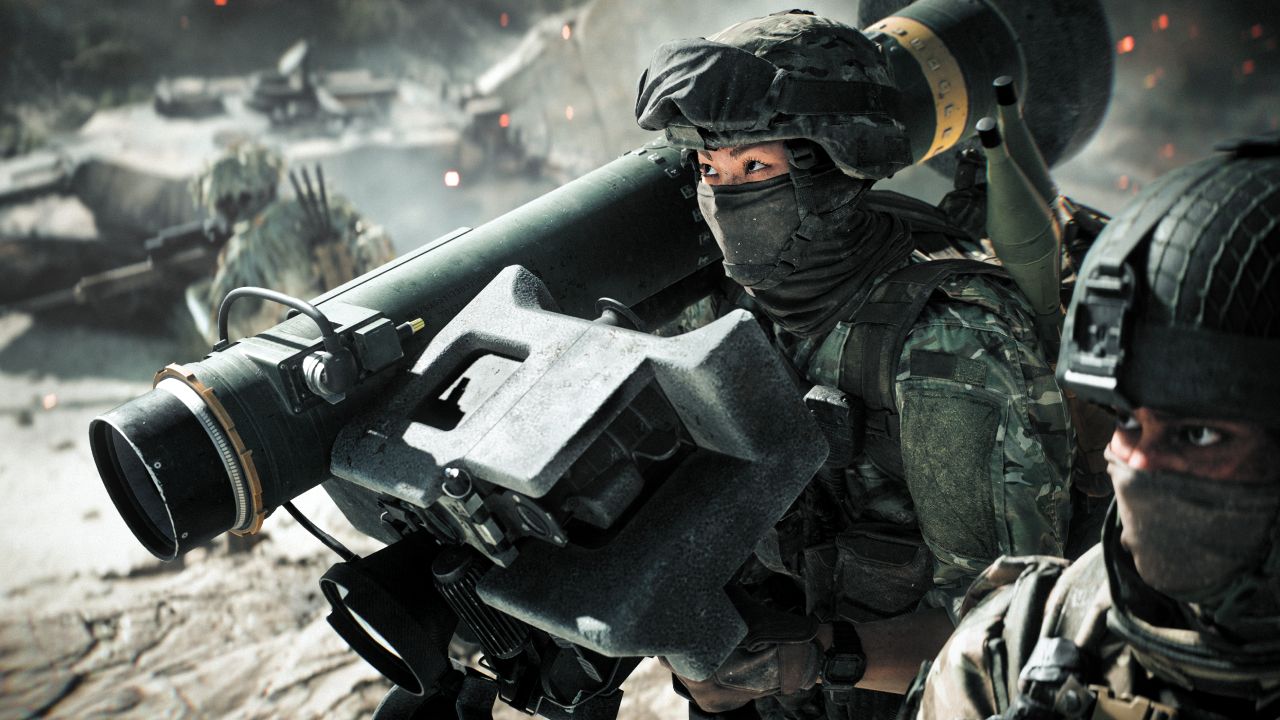
The slow rollout of the roadmap shows that devs are becoming less in tune with what the community wants from a live-service game.
Adding weapons is also looked at closely. In the next four months, only four main guns will be released: a new DMR, an assault rifle, a light machine gun, an SMG, and the Scorpion backup weapon. Late in the season, melee material comes out. Even though pistols and reskinned weapons are officially new, they don't change the balance of the game very much.
As a result, the plan is full of small changes that don't really add anything new, which disappoints fans who were hoping for a big change in the multiplayer mode. Competitors in the same field have not kept quiet. Call of Duty used its official social media to show how its live seasons are different from Battlefield 6's changes.
The messaging stresses broad, consistent material and a dedication to seasonal growth. This public comparison shows how big a mistake DICE and EA made, making Battlefield look like a once-dominant franchise that is now fighting to stay relevant. The mess shows how dangerous it is to have different standards in a live-service market with a lot at stake.
Analysts say that this content approach may make players leave faster.
Season 2's few maps and few types of weapons could make people less interested in playing, which could lead to speed problems similar to those seen early in Battlefield 6's lifecycle. Even though limited-time events try to fill in the blanks, they can't replace evergreen material. This means that there aren't many reasons for people to stay involved in the community over the long term.
The difference between this game and Call of Duty shows how story-driven structures and consistent material can keep people interested in competitive multiplayer settings. The roadmap also shows what might happen to the franchise in the long run. Mismanagement that doesn't go away could hurt trust and make people less excited about future entries.
It doesn't matter how well the foundation is made at launch if later updates don't live up to expectations. Players may stop playing Battlefield and switch to other games that offer more complex and lively experiences. Because of this, Season 2 might not be recognized as a time of growth but as the point at which Battlefield 6 lost its place in the multiplayer hierarchy.
In the end, Season 2's release shows how important live-service planning is in modern shooters.
Large maps, vehicles, and traditional Battlefield gameplay mechanics are still important, but they can't keep people playing if there isn't any real growth. The negative feedback from the community shows how important it is for writers, publishers, and players to work together. Now DICE and EA have to make a big decision: do they rebuild their credibility with a steady stream of good content, or do they risk a long-term drop in credibility?
Battlefield 6's Season 2 plan is both a lesson and a challenging task. When it first came out, the game showed a lot of potential. The next four months will tell us if it becomes a classic or a lesson in how to miss opportunities. Fans of large-scale, strategic multiplayer fighting depend on more than just brand loyalty to stay interested. Battlefield 6's future, and maybe even the franchise's future, rests on how well EA and DICE can give players what they want in terms of game depth.
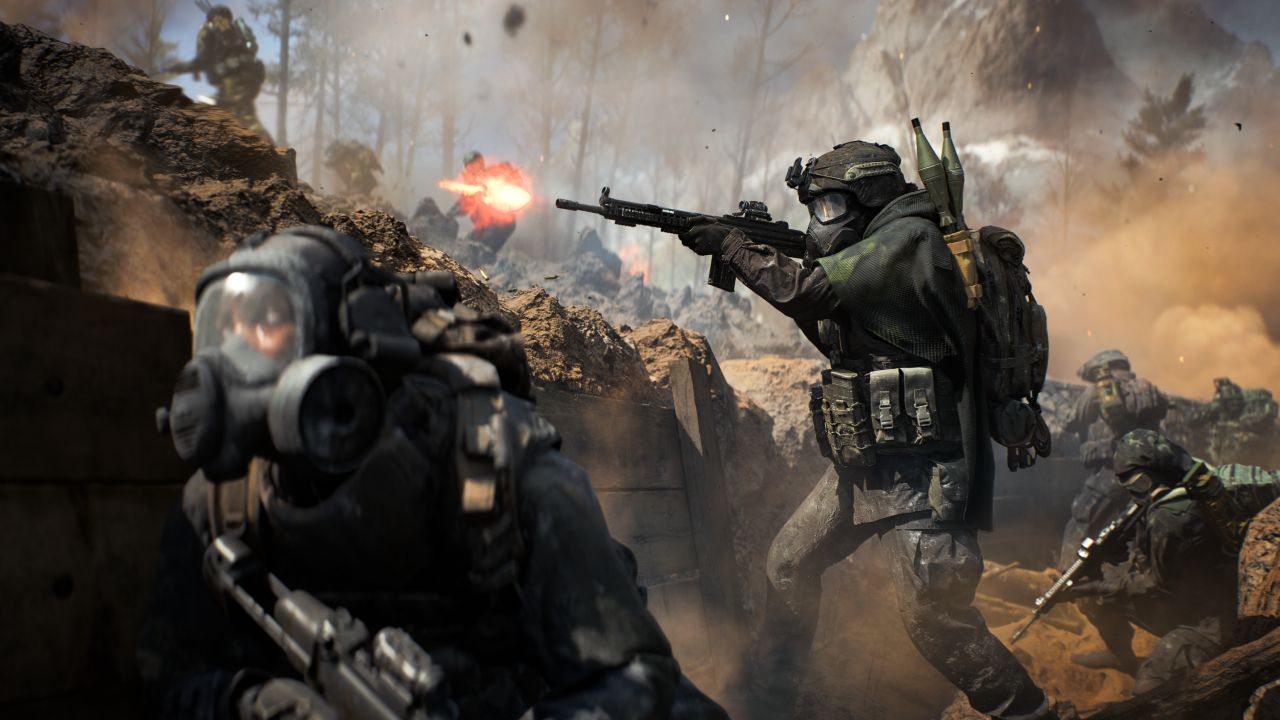
This release has led to more general conversations about how to make live-service designs more competitive. Assuring material richness and pacing, developers must strike a balance between ambition and execution. The difference between this and Call of Duty's live seasons shows how important consistency, useful additions, and design that is focused on the player are for keeping people interested.
The next steps for Battlefield 6 will test both DICE's ability to react and the community's willingness to stay involved. This will set the stage for a major turning point in modern multiplayer gaming. As Battlefield 6 Season 2 goes on, its story is a study in differences. People expect large, fun online experiences, but there aren't many maps and few new weapons.
Competitors in the same industry point out the differences, and fans weigh their anger against their loyalty to the team. Every choice made in the next few months will have an impact on Battlefield 6 and will determine whether it can learn from its mistakes and become a classic example of how not to play competitive games.
Contributor, NoobFeed
Latest Articles
No Data.