
Comparing Dragon Quest I & II HD-2D: Who Wins the RPG Showdown?
Opinion by Aisaka Taiga on Sep 23, 2025
The Dragon Quest I & II HD-2D Remakes are almost here, launching October 30, 2025, and fans are eager to see whether these refreshed classics can still capture the magic that defined JRPGs nearly forty years ago.
Updated visuals, streamlined mechanics, and expanded worlds promise to modernize the legendary adventures—but the real test is whether the originals' spirit remains intact.
Round 1: Graphics & Atmosphere
Back in 1986 and 1987, Dragon Quest set the standard for console RPG visuals. The NES and Famicom delivered limited color palettes and blocky sprites, but players filled in the blanks with imagination. Villages were tiny clusters of pixels, forests were green squares, and caves were dark grids.
Yet these simple designs had soul, and they left a mark on millions of players. Dragon Quest I alone sold around 1.5 million copies in Japan, while Dragon Quest II reached about 2.4 million, showing the appetite for even minimal visuals.
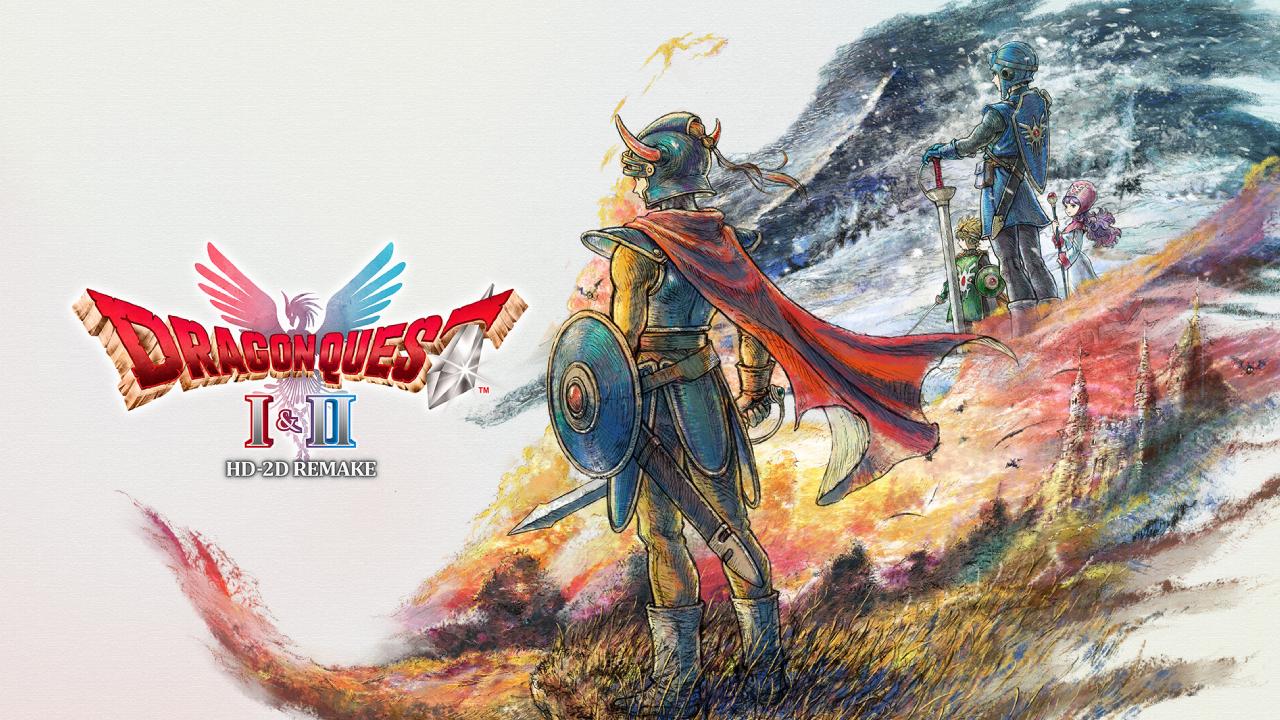
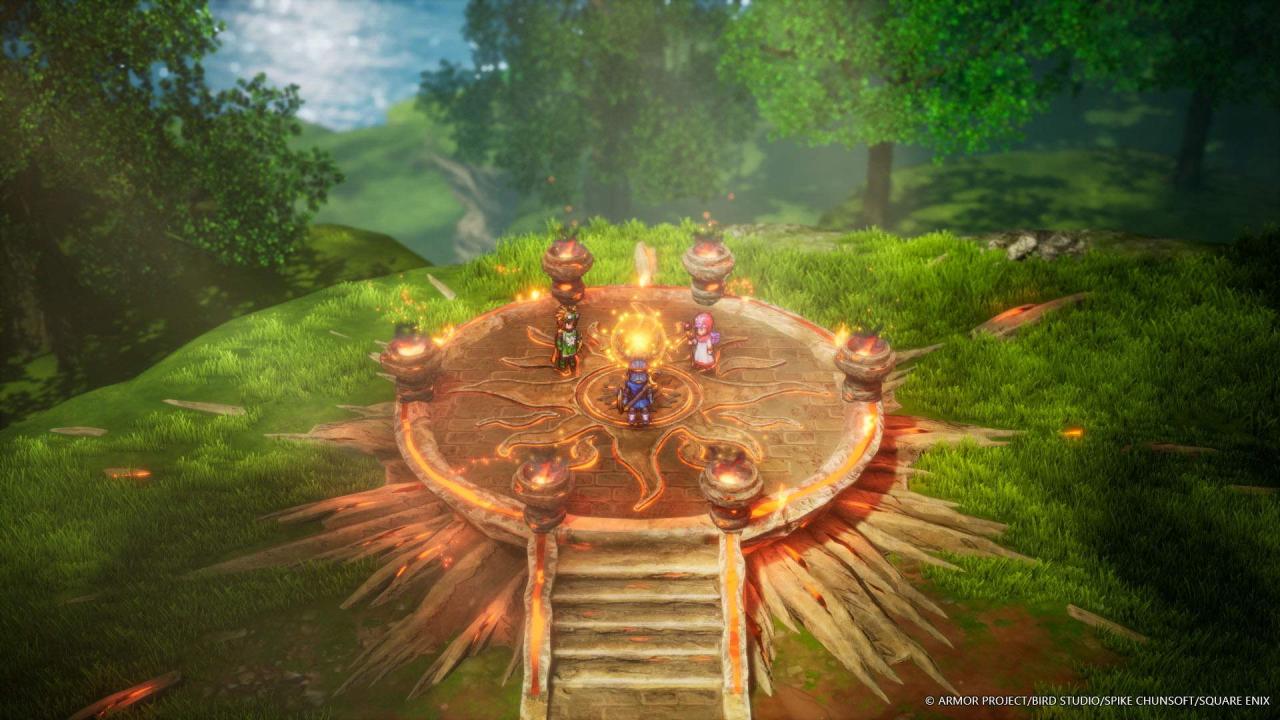
The HD-2D remakes completely change the lens. Lighting effects, layered environments, and modern particle design add a cinematic feel. Towns bustle with life, forests show depth, and even the smallest caves feel like crafted dungeons rather than random tiles. This approach feels closer to Octopath Traveler than the original Dragon Quest, creating nostalgia for veterans while also giving new players clarity.
Verdict: The remakes win here. Visual upgrades make Alefgard more engaging without erasing the originals' charm.
Round 2: Gameplay & Mechanics
The original titles were famous for their grind. Random encounters could hit every few steps. Menus were clunky. Saving required finding specific locations. Many players loved the challenge, but others gave up early.
In the HD-2D versions, Square Enix addresses these pain points. Auto-save is standard, battles run faster, and menus are streamlined. New islands expand exploration, giving players more reasons to roam beyond the main quest.
On top of that, new systems like scrolls and sigils add tactical options, giving depth to the turn-based combat. The core system remains familiar, but pacing and strategy feel modernized.
Verdict: The remakes take the round. They keep the spirit of the old system but remove frustration.
Round 3: Story & Worldbuilding
Dragon Quest I offered a classic rescue mission: a lone hero must defeat the Dragonlord and save the princess. Dragon Quest II expanded to a larger world with multiple heroes and kingdoms. These plots were simple but groundbreaking at the time.
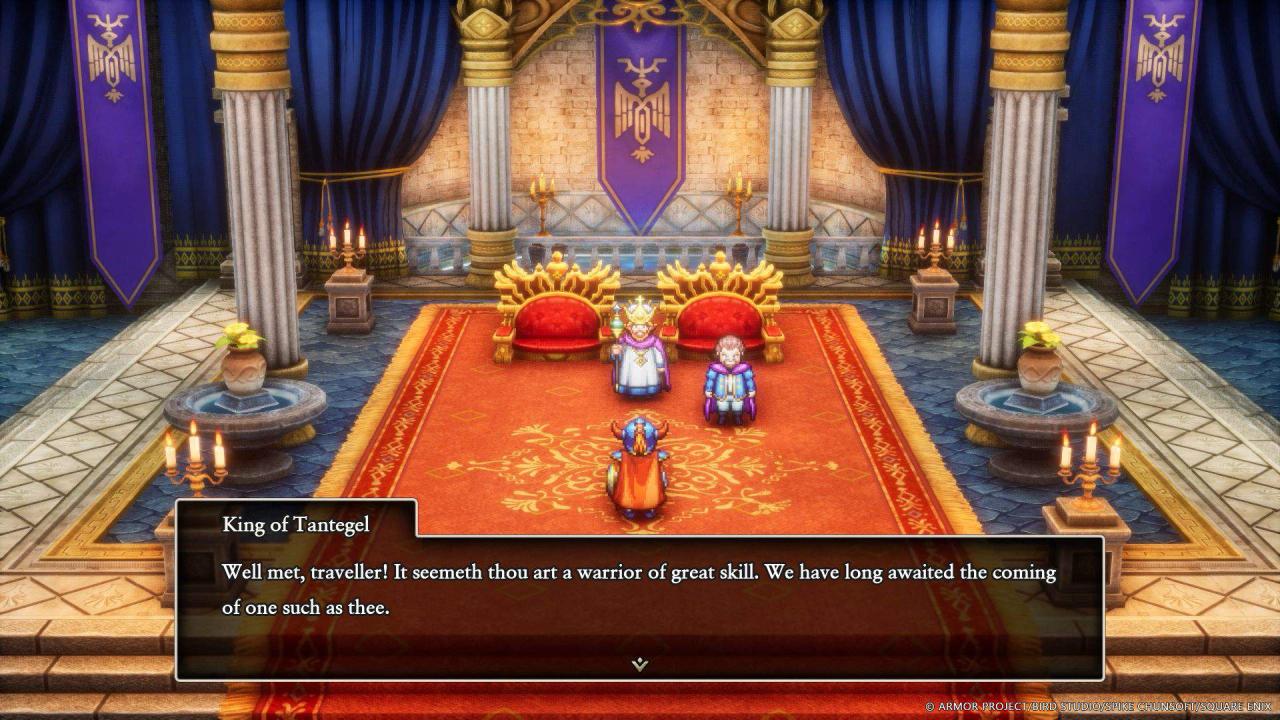
The HD-2D remakes stay true to these foundations. The main arcs remain, but extra dialogue, new NPCs, and expanded areas add depth. The new islands introduce lore that ties into the existing story, making the world feel richer. Without rewriting history, the remakes give veterans and newcomers more to explore and discuss.
Verdict: A draw. The originals hold historical weight, but the remakes refine the same tales for a broader audience.
Round 4: Music & Sound
Koichi Sugiyama’s chiptune scores were a triumph of limited technology. The overworld theme, battle music, and town jingles are still instantly recognizable. Yet they were repetitive and constrained by 8-bit sound.
The remakes bring full orchestration. Strings, brass, and percussion replace bleeps and bloops. This doesn’t just enhance nostalgia. It transforms it into something grand. The overworld march feels like a concert piece, and the battle theme drives adrenaline in a way the original hardware never could.
Verdict: The remakes dominate. Music that once hinted at emotion now delivers it directly.
Round 5: Accessibility & Audience
The NES and Famicom era was unforgiving. No tutorials. Minimal guidance. A steep grind curve. These games were milestones, but not welcoming to casual players.
The remakes change that. Available on PS5, Xbox Series X/S, PC, Switch, and Switch 2, they open the gates to a global audience. Quality-of-life updates lower the barrier.
Not everything is perfect: the lack of an upgrade path or cross-save between Switch and Switch 2 has drawn criticism. The Switch 2 release comes as a game key card, meaning no traditional cartridge version. Still, for most players, this is the easiest way to experience the JRPG genre's origins.
Here are key differences players notice:
- Platforms: Originals limited to NES/Famicom. Remakes span every major modern system.
- Saving: Originals required players to visit specific points. Remakes feature auto-save.
- Content: Originals had fixed worlds. Remakes add new islands, sigils, and side activities.
Verdict: The remakes open the series to a new generation without shutting out veterans.
Final Verdict
The originals remain cultural milestones. They defined what a console RPG could be. But in a 2025 head-to-head matchup, the HD-2D remakes deliver where players care most: smoother mechanics, polished presentation, and expanded content. With the franchise’s 95 million sales milestone proving its global reach, these remakes are more than nostalgia plays—they’re smart evolutions.
Winner: Dragon Quest I & II HD-2D Remakes. They prove nostalgia can live alongside modern design. Players can still appreciate the classics, but these remakes give Alefgard new life without losing its heart.
Moderator, NoobFeed
Latest Articles
No Data.