
DDR4 vs. DDR5 in 2026: Could a Ryzen 5800X3D Return Change Everything?
Why Rising DDR5 Costs Are Forcing Gamers to Reconsider Older, More Affordable DDR4-Based Platforms.
Hardware by Mitsuba Miyu on Jan 29, 2026
Since memory prices are still making PC makers mad, the idea of AMD bringing back the Ryzen 5800X3D or even releasing a made-up Ryzen 5850X3D has gotten a lot of attention. Since DDR5 prices are rising while DDR4 remains the same, it makes sense to ask whether an older platform might be more cost-effective in 2026.
Recent conversations at CES brought this subject up again. Even though AMD was showing off its new AM5 processors, many people were still interested in AM4 and the famous 5800X3D. The allure is simple: powerful game performance paired with cheaper DDR4 memory could help builders who feel stuck in the current price range.
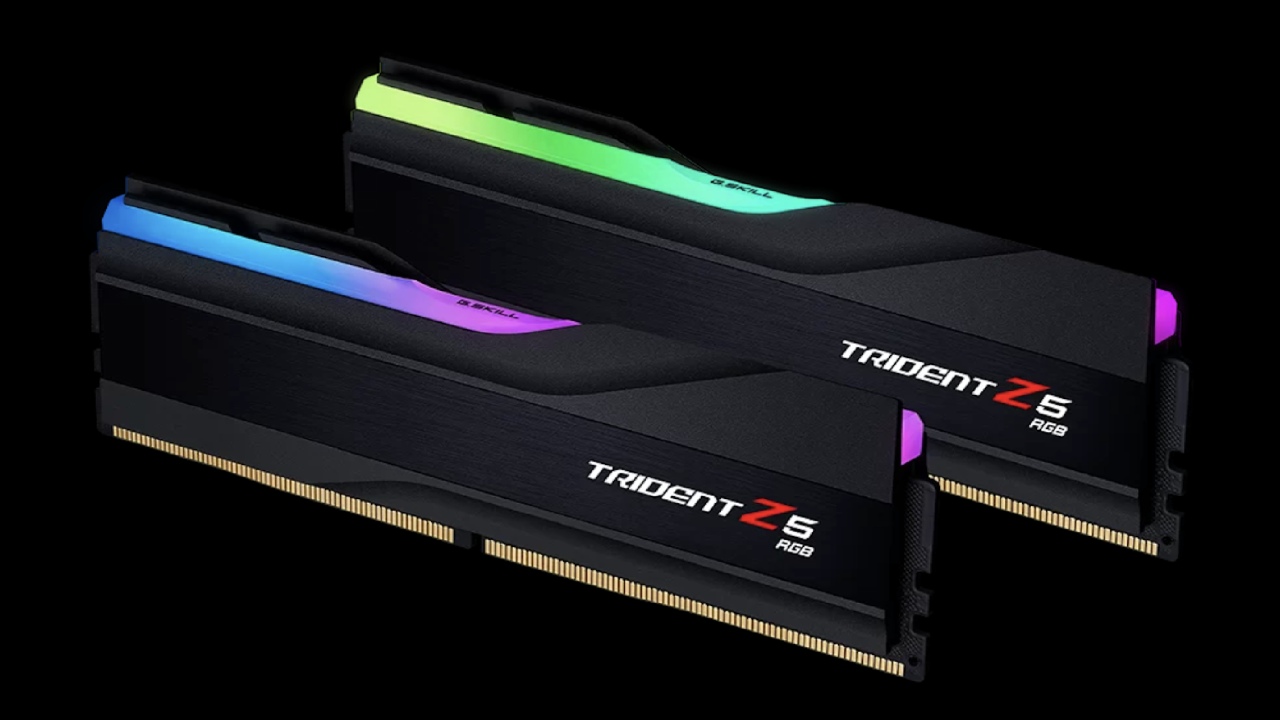
DDR4 Pricing Pressure and Why It Matters Again
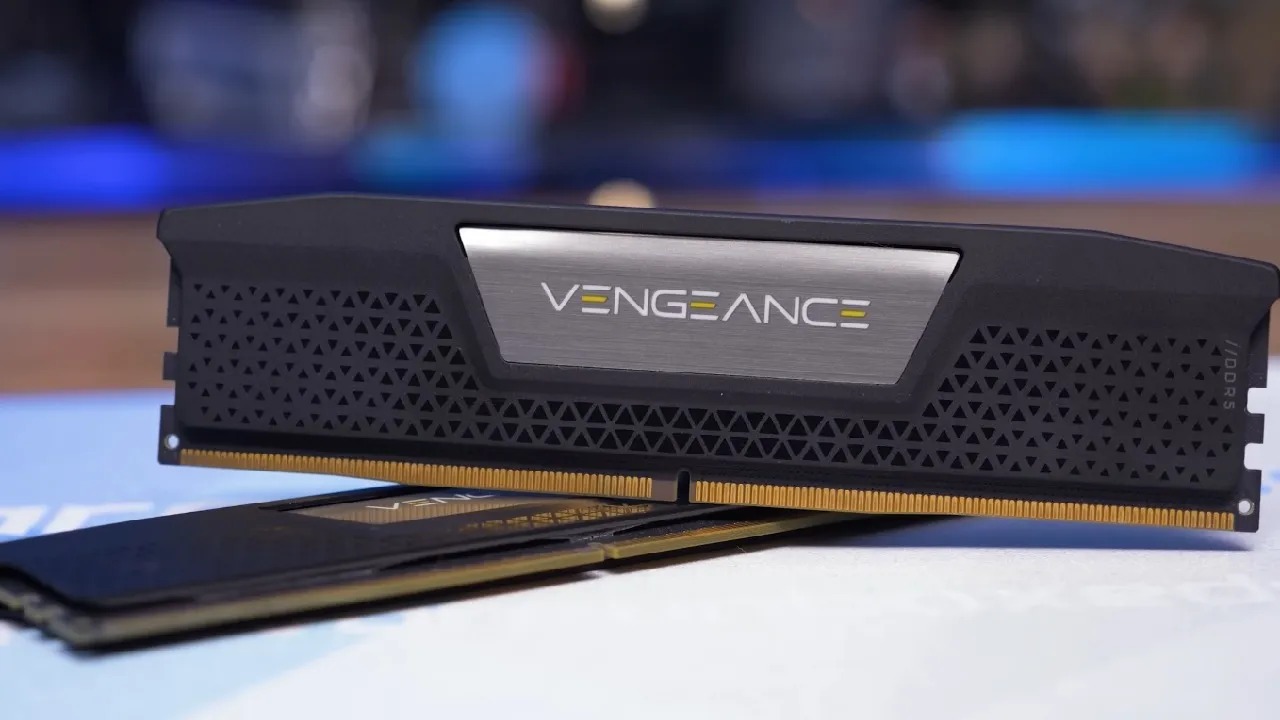
In reality, the price of DDR4 has gone back several years. A lot of 16GB kits are available for about the same price that builders paid a long time ago, and 32GB kits are priced in a way that doesn't seem out of line.
It's normal for older technology to get cheaper over time, but the fact that DDR4 prices have stayed close to historical lows while DDR5 prices have been all over the place has caught many people off guard.
Memory cost is not a vague issue for games. Too much RAM costs money, which means other areas have to be cut. That's exactly why AM4 has come up again, even though it was thought to be a finished platform not long ago.
Why the Ryzen 5800X3D Still Holds Up
The Ryzen 5800X3D is still very competitive in current games, as shown by new benchmark tests. At 1080p, its speed is about the same as that of much newer CPUs, even midrange CPUs on the market right now. The speed gap gets even smaller at 1440p. In real life, it's almost impossible to tell the difference.
The 5800X3D and the Ryzen 5700X3D have almost the same performance, even though the Ryzen 5700X3D has much slower base and boost clocks. That alone brings up a big question: if changes in clock speed don't matter much for games, then how much room is there for something like a 5850X3D?
Would a Ryzen 5850X3D Actually Make Sense?
By looking at how clocks work, we can see why we should keep our goals realistic. The original 5800X has faster base and boost clocks than the X3D version. This is because the first-generation 3DV-Cache is on the die, which helps keep temperatures down.
Because of that design, AMD had to lower the speeds. Later X3D designs moved the cache around, which made it cooler, but it's not easy to add that benefit to an AM4 chip.
Even if AMD slightly raised the clocks for a possible 5850X3D, it's unlikely that game performance would improve much. The 5700X3D already shows that big drops in frequency don't really change how well games run.
If you look at value, it might make more sense to just bring back the 5800X3D in large quantities than to design a new SKU.
Manufacturing Constraints and the Real Bottleneck
When it comes to problems, production is bigger than results. Ryzen 5000 CPUs use an advanced 7nm-class process, and foundry capacity is under significant pressure due to products focused on AI. These higher-margin chips are taking up wafer supply, leaving older-market CPUs with less room.
AMD would have to ensure it has enough factory capacity so it doesn't release a product that sells out right away. It would also be risky to release a lot of CPUs without guaranteeing DDR4 availability, because makers might not be able to get memory that works with them.
Overlooked Option: Ryzen 5500X3D
There is already a restricted version of another AM4 option. The Ryzen 5500X3D performs well in games and is about as fast as several popular mainstream CPUs. It's not as fast as the 5800X3D by about 20%, but it's still a great deal for computers with midrange GPUs.
If price is more important to builders than top performance, this type of CPU could make DDR4-based systems much more appealing, especially if they are priced near the bottom of the market.
Current AM4 Availability and Builder Reality
It is now hard to find good AM4 CPUs in real life. System integrators have been buying up leftover stock in large quantities to support cheaper prebuilts, leaving store shelves empty. What's left are mostly entry-level parts or scraps that are too expensive.
There are still affordable options like the Ryzen 5500 that can make good gaming systems when paired with the right GPUs. But many higher-end AM4 CPUs are no longer easy to find in stores, which makes the call for new supply even stronger.
DDR4 and DDR5 Combo Deals in Context
Memory and motherboard packages make the choice even harder. Even though DDR5 is still pricey on its own, deals that include other items can soften the blow, making newer systems less painful than they seem at first. For some builders, a simple DDR5 setup with a newer CPU may be just as valuable as a revived AM4 machine.
Still, not everyone can get these deals, and they aren't always available. If you don't want to use kits, DDR4 is still the most reliable way to build something cheaply.
Final Thoughts on AM4's Future in 2026
The newfound interest in AM4 has less to do with memories and more to do with how useful it is. When prices are uncertain, it's hard to say no to the platform because it works well for games, memory is cheap, and it has been stable in the past.
Whether AMD decides to bring back the Ryzen 5800X3D, make more X3D models available, or let AM4 die out quietly will depend more on how the products are made than on customer demand.
Surprisingly, the site is still useful for now. AM4 won't quietly leave the stage as long as DDR4 is still available and players continue to value price.
Also, check our other hardware articles:
- AMD Ryzen 9 9950X3D Review: Setting The Standard For 2025 Gaming CPU
- Amazon Luna 2025 Review: Is Prime Gaming's Cloud Service Your Go-To For Casual Fun?
- AMD RX 9070 XT Review: AMD's RDNA 4 Champion for 1440p Gaming
- GeForce Now Ultimate: Ditching Your Gaming PC For Cloud RTX 4080 Power?
- NVIDIA GeForce RTX 5080 Review (2025): Still A 4K Gaming Powerhouse?
- Intel Core Ultra 9 285K Review And Performance Breakdown (2025)
- AMD Ryzen 7 9800X3D Review: 3D V-Cache Goes God Mode with Stunning Gaming Performance
- Intel Core Ultra 9 285K vs AMD Ryzen 7 9800X3D: In-Depth Gaming Performance and Benchmark Comparison
- NVIDIA GeForce RTX 5080 Super Performance In Cyberpunk 2077: Path Tracing & DLSS 4.0 Tested
- AMD Radeon RX 9070 XT In Cyberpunk 2077: Ray Tracing & FSR 4.0 Tested
- Intel Arc B580 Review: The $250 GPU Revolutionizing 1440p Gaming
- Intel Arc B570 Vs. B580: Value, Specs, And Real-World Gaming Performance
- RTX 5090 Laptop Vs. M4 Max MacBook Pro: Ultimate Raw Performance Vs. Battery Endurance
- Intel Arc b580 Vs. RTX 4060: Game Performance And Value Analysis
- RTX5090 Hell Is Us Demo 4K Ultra Benchmark: DLSS Vs. Native Performance Guide
- NVIDIA RTX 5070 Review: Mid-Range Muscle or Marketing Hype?
- Nintendo Switch 2 Review: Handheld Performance, Features & Value Breakdown
- RTX 5070 Ti Review: Performance, Thermals & Power Efficiency Tested
- Samsung Odyssey OLED G81SF Review 2025: Ultimate 32-Inch QD-OLED Gaming Monitor
- AMD RX 9070 Performance Review: Thermals, Clocks, and Real-World FPS
- AMD Ryzen 5 7600 Review: Best Budget Gaming CPU of 2025?
- AMD Radeon RX 7800 XT Review: RDNA 3 Power For Midrange Gaming
- Asus ROG RTX 5090 Astral OC Vs. Founders Edition: The 4K Gaming Benchmark
Editor, NoobFeed
Gaming Hardware Updates
No Data.