
Rising AAA Game Budgets Spark Debate as Developers Face Growing Pressure to Deliver Profitable Games
rising-aaa-games-budgets-pressure
Games by Tahmid Mahi on Nov 04, 2026
Budgets in video game development have become a major talking point across the industry, especially as publishers continue to spend hundreds of millions of dollars on major releases. The topic resurfaced after Bloomberg reporter Jason Schreier recently detailed what a $500 million game budget looks like.
His comments have drawn a response from developers, journalists and content creators, some of whom say that comparing development budgets between different studios is mostly meaningless. But the discussion has also underscored a growing worry about how much money Western publishers are spending and if the current approach is sustainable.
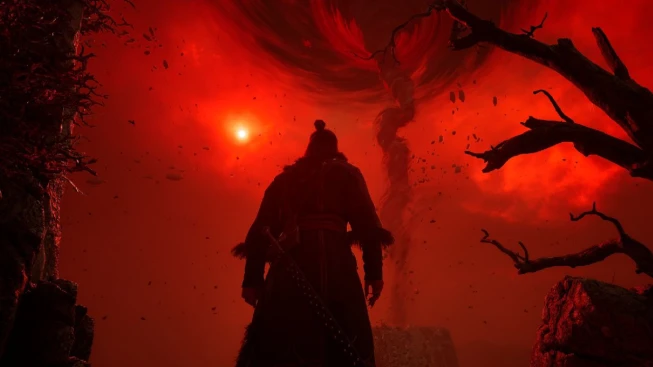
The debate matters as the gaming industry faces studio closures, layoffs, and dismantled development teams.
The cost of making major games has risen significantly because of higher living expenses, longer development cycles, and rising labor costs. While California is a major hub of Western game development, running studios there is expensive. Many publishers have failed to invest enough in other parts of the United States where lower operating costs could help reduce development costs. It gets even more complicated when you consider how long modern games take to develop.
One way to understand the problem is to look at the cost of employing developers over a specific period. Schreier previously discussed this subject in a 2017 Kotaku article featuring Obsidian's Adam Brennecke, who explained how development expenses could be calculated using an estimated cost of $10,000 per person per month.
Using a small, 16-bit RPG inspired by Earthbound as an example, the calculation involved five people working for 18 months. With a designer, programmer, musician, and two artists on the team, the total development cost would reach approximately $900,000. That figure would still rise when you factor in extra expenses like marketing and stretch goals.
As Schreier wrote recently, comparing budgets across studios can be misleading, since publishers don't all calculate costs the same way. Accounting practices, taxes, research and development, marketing, and other internal expenses can all affect the final figures. Direct comparisons are hard without each company's financials, including profit and loss statements, amortization, and tax structures. But that doesn't mean the numbers don't matter, especially as the industry grapples with rising costs.
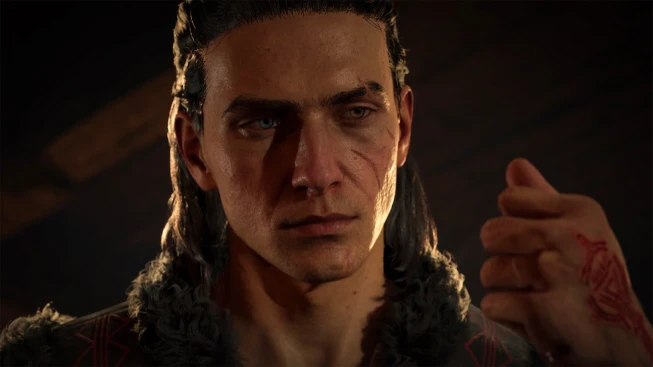
A useful comparison is Rebel Wolves' The Blood of Dawnwalker, which Schreier reported had a development budget of about $40 million.
The studio was established in 2022, meaning its development spending averaged roughly $10 million annually over the four years leading up to the game's release. This is considerably lower than the reported budgets for major Western productions, including Marvel's Wolverine, which has been linked to around $300 million.
Gears of War: E-Day has also reportedly involved a budget of approximately $500 million. These figures emphasize the enormous spending gap between some Western productions and games from smaller European studios. The Blood of Dawnwalker doesn't aim for the same level of visual detail across every aspect of its world, but its development priorities seem to lie elsewhere. But that doesn't mean a smaller budget doesn't have limitations.
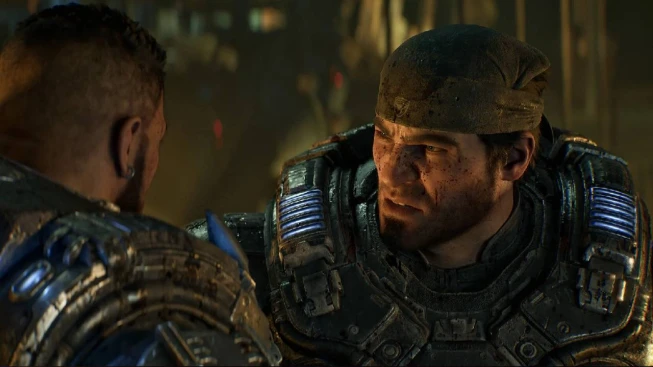
However, the main characters get a lot of attention, and it feels like the developers put their resources into the aspects most important to the experience. On the flip side, Gears of War: E-Day looks very good in terms of environmental detail, with highly detailed character models and locations that show why such an expensive production needs so many resources.
Another interesting case is Marvel's Wolverine. Of course, expectations are massive, since it's a major first-party PlayStation title starring one of Marvel's most recognizable characters. Questions are also being asked about how much is being spent on development versus marketing with its reported $300 million budget.
The argument isn't that expensive games should stop being made.
Instead, the growing difference between production costs in Western studios and smaller international teams deserves more attention. Even if you doubled the reported $40 million budget of The Blood of Dawnwalker, the result would still be below $100 million. It's hard not to compare when even smaller projects can deliver experiences that interest large audiences for hundreds of millions of dollars less.
The financial situation also impacts players, as publishers have increasingly high expectations for massive sales of major releases. A game that does okay is no longer always considered a success, especially when its production costs are very high. Instead, publishers often expect blockbuster performance to justify their investment and to support future projects. When those expectations aren't met, studios and their employees often feel the consequences in layoffs, cancellations, and closures.
That is especially disturbing because failed projects can cost studios experienced developers and valuable institutional knowledge. Western studios have already seen major changes, with some established teams facing financial difficulties or closing down altogether. Developers often cited in discussions of the changing Western industry include BioWare, Obsidian, and Bethesda Game Studios.
The responsibilities of creative directors and studio leadership have also been a topic of discussion.
During an appearance on the Vinmax podcast, the creative director of South of Midnight discussed how Microsoft had supported the project financially. He acknowledged that the company's willingness to fund the project allowed the team to create the game, but he also admitted he might have stopped spending earlier if he had made those decisions.
Double Fine's approach to developing Keeper also came up, though the circumstances were presented differently. The studio explained that it had an opportunity to pitch an unusual concept to Microsoft, which ultimately approved the project. This highlights the balance publishers must maintain between supporting creative experimentation and ensuring that projects have a reasonable financial foundation.
Clockwork Revolution developer Brian Fargo offered another perspective in an interview with Fortune. He explained that studios operating under XBOX's new publishing structure must present a clear commercial case rather than expect funding without showing how a project could become a worthwhile investment. But a closer look at development budgets should not be a pretext for unnecessary criticism of individual developers.
Sawyer also acknowledged that he cannot please everyone and some players may not agree with his creative philosophy.
His comments reflect the personal pressure developers face when discussions about publishers and budgets turn into attacks against the people responsible for making games. His last directed project, Pentiment, received widespread critical praise and remains one of Obsidian's most distinctive releases. Ultimately, the discussion surrounding development budgets needs to continue without turning into personal attacks against creative teams.
The success of smaller productions also demonstrates why these comparisons remain valuable. Clair Obscur: Expedition 33 was a hit and apparently cost under $10 million to make. In comparison, The Blood of Dawnwalker targets players who want big-budget RPG experiences and apparently cost around $40 million.
For Bandai Namco, backing a project like The Blood of Dawnwalker might prove to be a more sustainable investment than throwing hundreds of millions at productions like Wolverine or Gears of War: E-Day. The difference becomes even more noticeable when you consider how well-received smaller RPGs can continue attracting players long after their initial release.
As studio closures and layoffs continue affecting developers, ignoring the rising cost of game production will not solve the industry's problems. Publishers need to reconsider what they spend, how long projects stay in development, and whether their financial expectations are realistic. The discussion should focus on finding a better balance between creative freedom and responsible investment rather than dismissing budget comparisons.
Editor, NoobFeed
Latest Articles
No Data.