
The Importance of Video Games in the Digital Age
Technology by Tess Meijer on Aug 07, 2025
The digital age has transformed the way we communicate, learn, and entertain ourselves. Among the most significant developments in modern entertainment is the rise of video games.
Games are no longer restricted to arcades or teen bedrooms; they now influence industries as diverse as education, healthcare, and film. Our lives continue to be transformed by the digital world, and gaming is no exception.
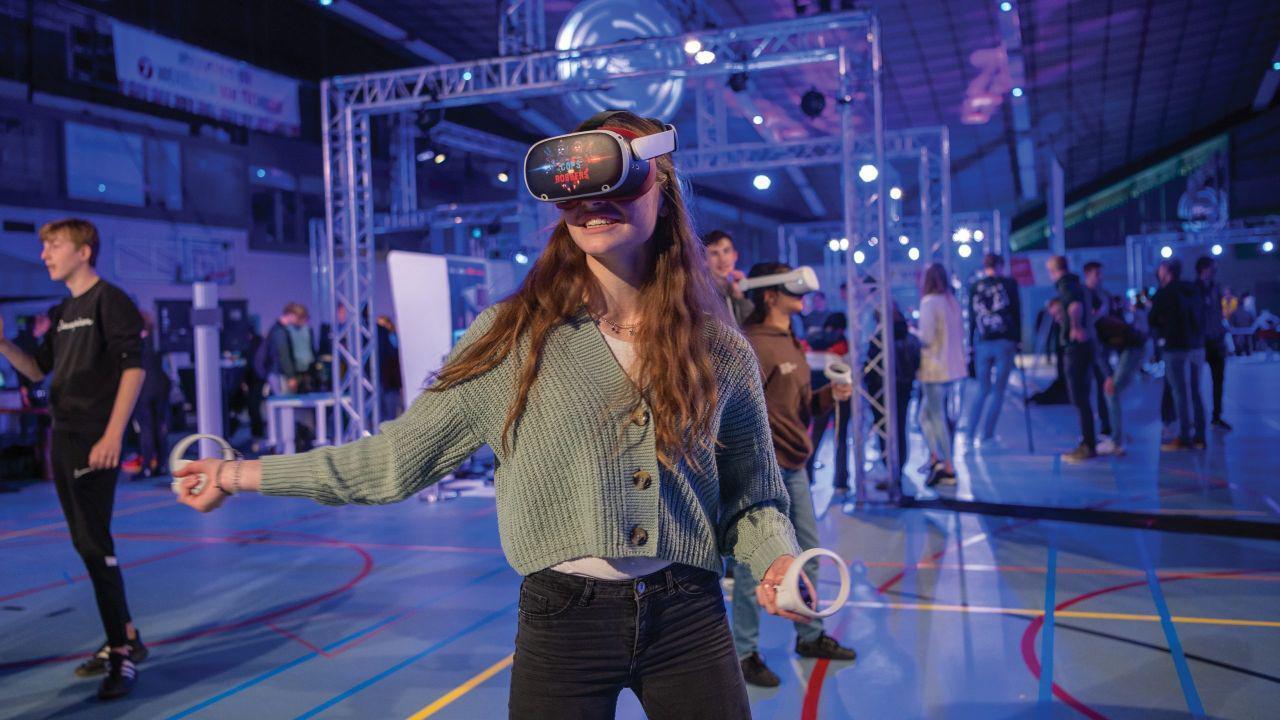
Video Games as a Cultural Phenomenon
Video games have become a cultural staple, engaging millions of people of all ages, genders, and locations. The global revenue of this once-niche hobby now surpasses that of film and music. Games like Fortnite, Minecraft, and Call of Duty have evolved beyond gameplay into social platforms, digital canvases, and virtual economies.
Video games have become a respected medium for artistic expression because of improvements in game design and storytelling. Complex narratives, rich visual aesthetics, and emotional depth engage players.
Just like a filmmaker might use a video editor to bring a cinematic vision to life, game developers employ powerful tools and software to create immersive virtual worlds. These tools let them create experiences that rival the best movies and television series.
Educational Value and Skill Development
One of the most overlooked aspects of video games is their potential in education. Educational games and simulations help students learn difficult concepts through interactive experiences. Gamified methods teach subjects such as mathematics, physics, history, and language learning more effectively.
Video games also help players develop essential cognitive and motor skills. Strategy games promote critical thinking and problem-solving, while multiplayer games enhance communication, teamwork, and decision-making under pressure. Games such as Civilization, Kerbal Space Program, and Portal are perfect examples of titles that challenge the mind while entertaining.
Social Connectivity and Inclusion
In the digital age, video games serve as powerful social platforms. Online multiplayer games and massive multiplayer online role-playing games (MMORPGs) let people worldwide connect, collaborate, and compete. Games help break down barriers and promote inclusivity, giving players a sense of community and belonging.
During global crises like the COVID-19 pandemic, video games proved vital in keeping people connected when physical distancing was necessary. Platforms like Animal Crossing and Among Us became virtual meeting spaces for friends, family, and even coworkers.

Mental Health and Emotional Resilience
Contrary to the outdated stereotype of video games causing social isolation or aggression, recent studies show that games can have positive effects on mental health. Games offer escapism, emotional relief, and stress reduction. Titles such as Journey, Celeste, and Stardew Valley provide calming experiences that help reduce anxiety and promote mindfulness.
Therapists are also incorporating gaming into treatment plans, especially for young clients. Video games offer safe, structured environments where players can work through trauma, build resilience, and practice emotional regulation.
Economic and Career Opportunities
The video game industry is booming. It offers countless career opportunities for developers, writers, animators, marketers, and esports athletes. Game streaming on platforms like Twitch and YouTube has also become a legitimate career path, generating income through sponsorships, donations, and advertising.
Esports, in particular, has exploded into a billion-dollar industry. Professional gamers now have fan bases and sponsorship deals akin to traditional athletes. Universities even offer scholarships for esports players, acknowledging the skill and dedication required to succeed in competitive gaming.
Technological Innovation and Cross-Industry Influence
Video games are often at the forefront of technological innovation. Graphics processing, artificial intelligence, augmented reality (AR), and virtual reality (VR) have all advanced significantly because of demand from the gaming industry. These innovations are now being applied in fields such as architecture, medicine, and education.
For example, game engines like Unreal Engine and Unity are being used to design architectural models, film sets, and training simulations. Just as a video editor might use software to refine visuals in post-production, developers in various industries use gaming technology to simulate and visualize complex systems.
Bridging Generations Through Play
Gaming is no longer an activity limited to youth. Older generations are increasingly embracing video games to stay mentally active and connect with younger family members. Games like Wii Sports and Brain Age are specifically designed to promote cognitive health and encourage intergenerational bonding.
This shared interest helps bridge generational gaps and fosters understanding across age groups. Parents and grandparents who game with their children gain insight into their world, building empathy and stronger relationships.

Addressing the Challenges
While video games offer many benefits, challenges remain. Issues such as game addiction, online harassment, and microtransaction exploitation need to be addressed through ethical game design, parental controls, and regulatory oversight.
Gamers should also practice balance. Like any form of media, moderation and awareness are key to a healthy relationship with gaming.
The Future of Video Games
The future of gaming is incredibly promising. Cloud gaming, AI-generated content, and metaverse integration are just some of the trends shaping the next decade. As 5G and faster internet become widespread, access to high-quality gaming will become more equitable globally.
Games are also expected to play a larger role in education, health care, and training. Simulations for surgeons, pilots, and military personnel are becoming more realistic and accessible, thanks to gaming-industry advancements.
Final Thoughts
Video games are more than just entertainment in the digital age—they are powerful tools for learning, connection, innovation, and emotional well-being. Their influence spans industries and cultures, reshaping how we interact with technology and with each other.
As society continues to move toward a more digital world, video games play an essential role. Whether you're a developer using a video editor, a teacher gamifying your lessons, or a grandparent playing Mario Kart with your grandkids, video games offer something valuable for everyone.
Moderator, NoobFeed
Latest Articles
No Data.