
NVIDIA RTX Spark Gaming Benchmarks Reveal Mixed Results
NVIDIA RTX Spark Brings ARM processing and unified memory to laptops while delivering mixed gaming and AI performance results.
Hardware by Nahe Yan on Oct 23, 2026
NVIDIA's RTX Spark chip marks the company's entry into the consumer ARM processor market, combining an ARM-based CPU with an integrated GPU and unified system memory. The chip takes an approach similar to Apple's Apple Silicon and AMD's Strix Halo, with both platforms supporting up to 128GB of unified RAM.
Asus ProArt P16 is one of the first laptops to feature NVIDIA's new chip, making it possible to examine its performance in AI workloads, gaming, power consumption, and CPU-intensive applications. Asus ProArt P16 features NVIDIA's new RTX Spark chip, marking the launch of NVIDIA's consumer-focused CPU efforts.
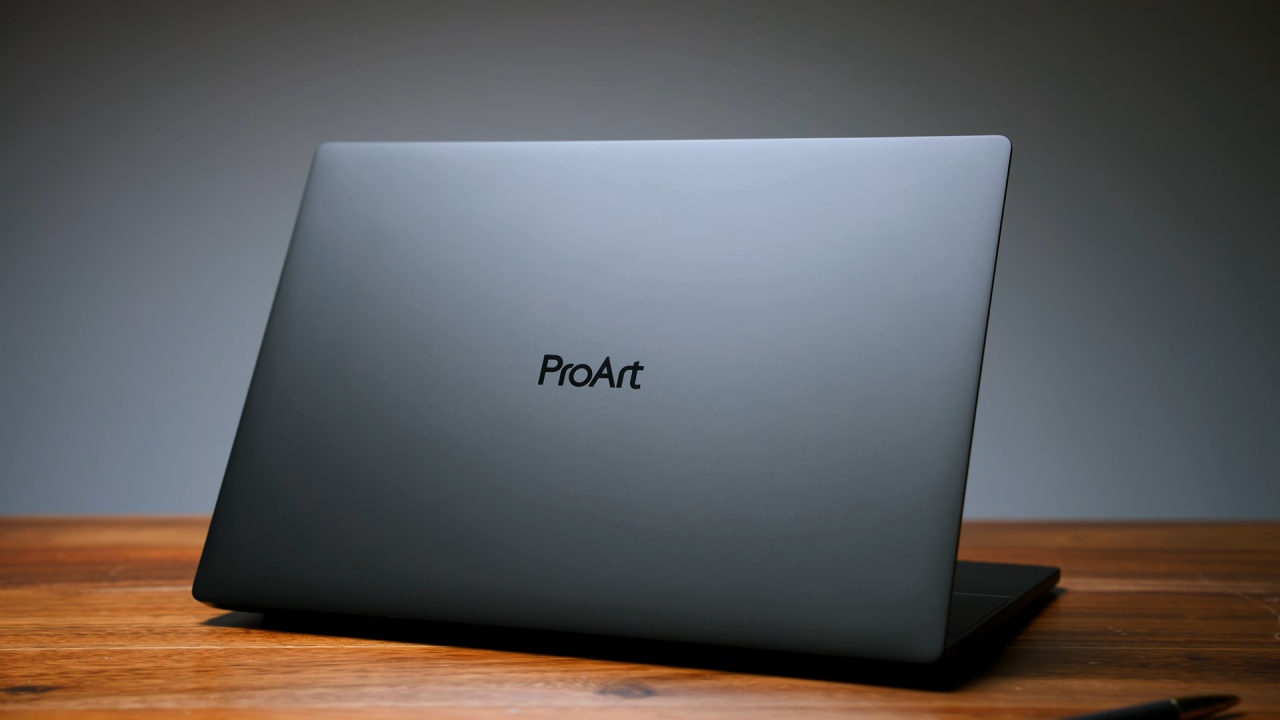
Asus ProArt P16 Design and Build Quality
It uses an ARM-based chip with an integrated GPU, making it comparable to AMD's Strix Halo. Both chips offer integrated graphics with access to up to 128GB of unified system RAM, following an approach that Apple has used with Apple Silicon for years. Before we look at performance, let's examine the Asus ProArt P16. Asus has improved its build quality to a feel comparable to a MacBook.
However, its metal surface picks up fingerprints and oils as soon as you touch it. The laptop also includes design elements that Apple tends to avoid, such as a logo etched into the metal in the bottom-left corner, a line cut around the speaker grilles that varies in depth, and beveled metal around the display's edges. The bottom of the laptop has several ventilation openings, though only some are open.
Even so, its underside has more ventilation than a MacBook. The I/O selection follows a modern laptop layout, but it also includes a standard USB port so that you can connect a mouse without a dongle. Asus also appears to have recognized the complaints about the Windows setup process. The company has completed the initial setup on several recent laptops before sending them out for testing.
The laptop features a 4K tandem OLED touchscreen that produces a good-looking image. The display also has a glossy finish. The keyboard works well for a laptop, and you get a large haptic trackpad. However, the haptic trackpad does not respond as naturally as the one on the Google Chromebook.
RTX Spark AI Performance and Benchmarking
Instead, Qwe tested Qwen 3.8 through LM Studio, measuring performance by token-generation rate. Although RTX Spark supports CUDA, its results were roughly the same as the AMD Strix Halo. One possible explanation is a memory bandwidth bottleneck, though the tests did not establish the cause. The available results do not provide enough information to determine how RTX Spark performs across different AI workloads.
We ran gaming tests at 1440p rather than the laptop's native 4K resolution because we didn't expect the integrated GPU to handle 4K gaming well. We also ran into a display refresh rate issue. Windows reported the screen was running at its supported 120Hz, but it felt closer to 60Hz in practice.
The next test involved Doom: The Dark Ages at 1440p with medium settings. No upscaling was used, with FSR Native AA enabled to measure performance without relying on a lower internal rendering resolution. The laptop averaged approximately 40fps. Some stuttering was visible, and the game didn't feel smooth enough for a comfortable experience.
To test an Unreal Engine 5 game, Silent Hill 2 Remake ran at 1440p with high settings and FSR 3.1 on the Quality preset. We didn't use DLSS to maintain feature parity between RTX Spark and Strix Halo, which cannot use DLSS. The laptop performed better in this test, delivering mid-50s frame rates. Gameplay felt smoother, and frame pacing was more consistent than in the previous games.
NVIDIA's RTX Spark introduces an ARM-based CPU and integrated GPU platform with unified memory support.
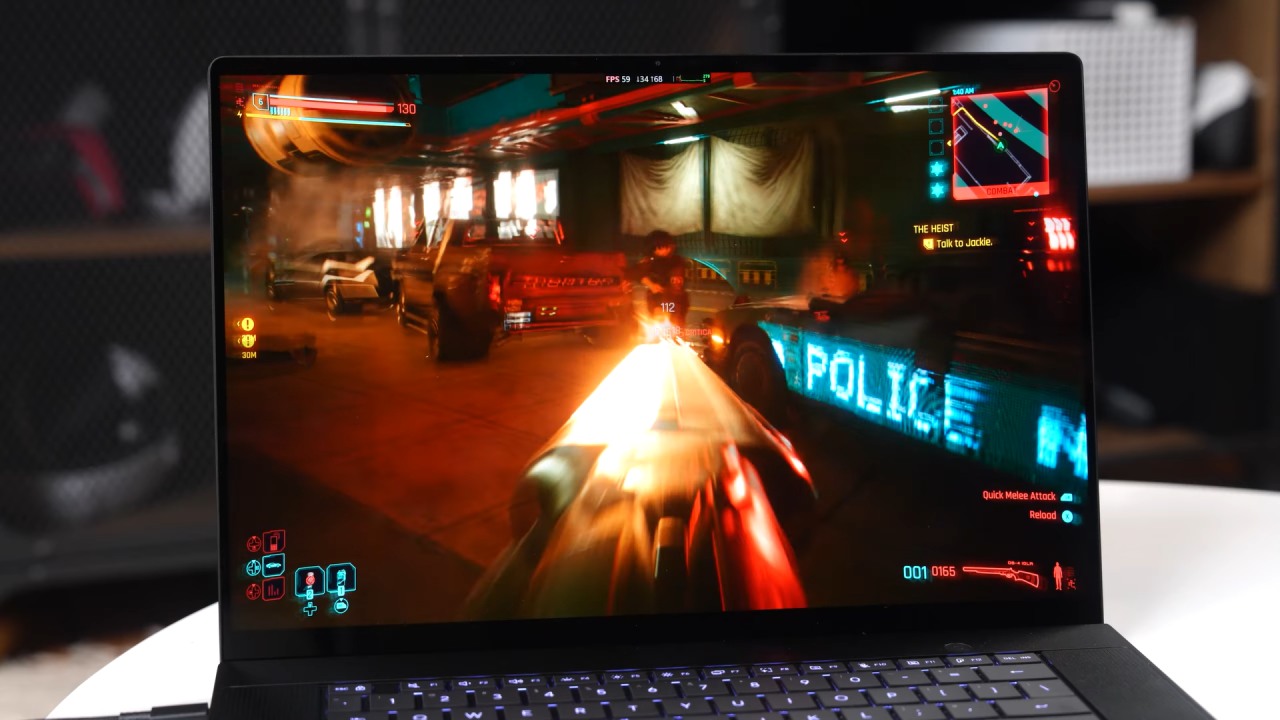
Asus ProArt P16 shows this configuration can deliver 1440p gaming performance while keeping power consumption low, particularly in titles such as Silent Hill 2 Remake. However, the results vary significantly between games. Cyberpunk 2077 showed inconsistent frame pacing, Doom: The Dark Ages struggled to deliver a smooth experience, and Counter-Strike 2 performed poorly.
AI benchmarking also failed to establish a clear performance advantage over AMD Strix Halo, while Cinebench results depended on the version used. The laptop's display, trackpad behavior, game compatibility, and AI agent security also raised concerns during testing. OpenClaw demonstrated how useful local AI agents can be, but its unexpected messaging behavior showed why permissions and configuration need careful management.
At $7,000, the Asus ProArt P16 is an expensive way to experience NVIDIA's new platform. Even with access to substantial unified memory, a first-generation product can still face software compatibility and performance issues at launch.
Editor, NoobFeed
Gaming Hardware Updates
No Data.