
AI vs. Gaming: How the Global Chip Shortage Impacts Hardware
Current market trends indicate shifting prices for consumer memory components amidst widespread industrial hardware shortages.
Hardware by Shinji Okazaki on Apr 20, 2026
The global computer environment is currently going through a very unstable time in the semiconductor business. Access to hardware has usually gone down a predictable path of getting cheaper and more efficient. However, high-stakes advances in artificial intelligence and supply chain vulnerabilities have shook up the normal lifecycle of consumer devices.
This has put a lot of pressure on the supply and prices of memory components, making things complicated because short-term drops in the market can hide problems that run deep in the system.
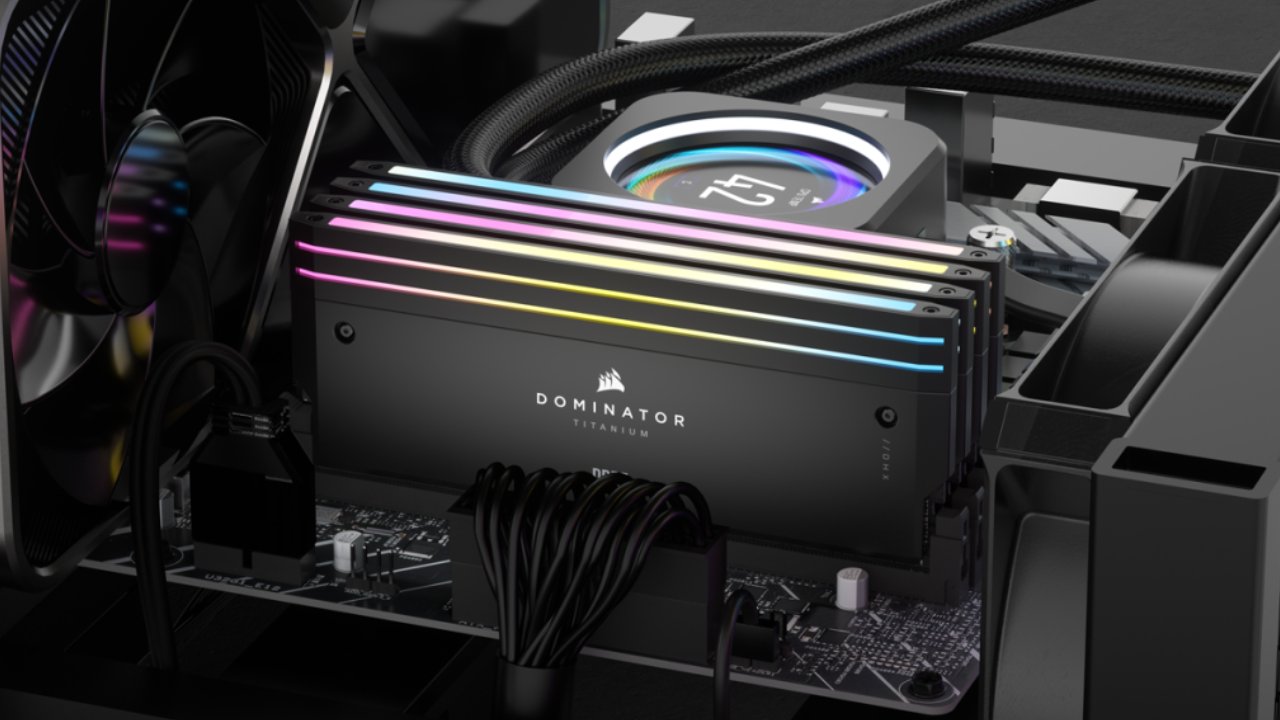
The RAM Crisis as of today
The current situation is a severe deficit, often called the RAM crisis. This problem affects gaming and all industries that use chips for computation, including almost all contemporary technology. Although gaming is a luxury business, it took a direct hit almost a year ago with the price increases of SSDs and RAM, which have driven up console prices and delayed hardware releases.
In recent times, consumer RAM prices have been reported to be on the decline, with retail prices in the US for 32GB of Corsair Vengeance 6400MHz RAM falling to $380 and $490, respectively. The same tendencies are emerging with 16GB sets. Although these numbers are up by hundreds of dollars over the past year, they are at least a positive trend.
There are indications of a market slowdown
The market is showing signs of cooling. OpenAI has also shifted its focus away from video generation tools toward computing to release next-generation models. Plans to massively expand data centers have been scaled back, and it has been reported that of the data centers planned to open this year in the US, almost half are not ready. Such delays are fuelled by a lack of components, rising costs, and local objections. The sector is built on optimism about investment; however, the realities of logistics and physical construction are leading to enormous delays.
The Delusion of Economies of Scale
Google has just announced a compression algorithm known as Turbo Quant, which enables AI models to do more with less physical memory. It is tested to need as little as 6x the previous amount of memory.
Although this news pushed the stock prices of manufacturers such as Micron, Samsung, and SKH down amid investor concern about a decline in demand, this technology will probably not result in more RAM being added to gaming or consoles. The labs and developers will just spend the additional headroom to run more complex models when memory becomes available in a compute-constrained environment.
Understanding Javons Paradox
Javons Paradox can best explain the misconception of technological adoption. This is an economic rule that states that as a resource becomes more efficient to consume, its total consumption does not go down but goes up. For example, coal consumption in the country increased as the efficiency of steam engines improved. Likewise, a more efficient phone battery does not result in a smaller battery, but rather a stronger chip and more apps running at once. If memory efficiency improves, AI companies will merely scale the number of models run, since unit economics have improved.
Supply Chain Reality and Projections
The amount of AI memory demanded by 2028 is predicted to be 625 times higher than in 2022. The gain is still astounding even when a 6x efficiency gain is taken into account. The next several years of RAM contracts are already in place, and production cannot be scaled quickly. It is projected that DRAM contract costs will increase by 58-63 percent in the second quarter of 2026, and flash memory costs could increase by 70 percent.
The suppliers are making colossal profits, driven by the data center aspect of the business. Such components are being hoarded by industries, implying they will not be sold cheaply in the consumer market.
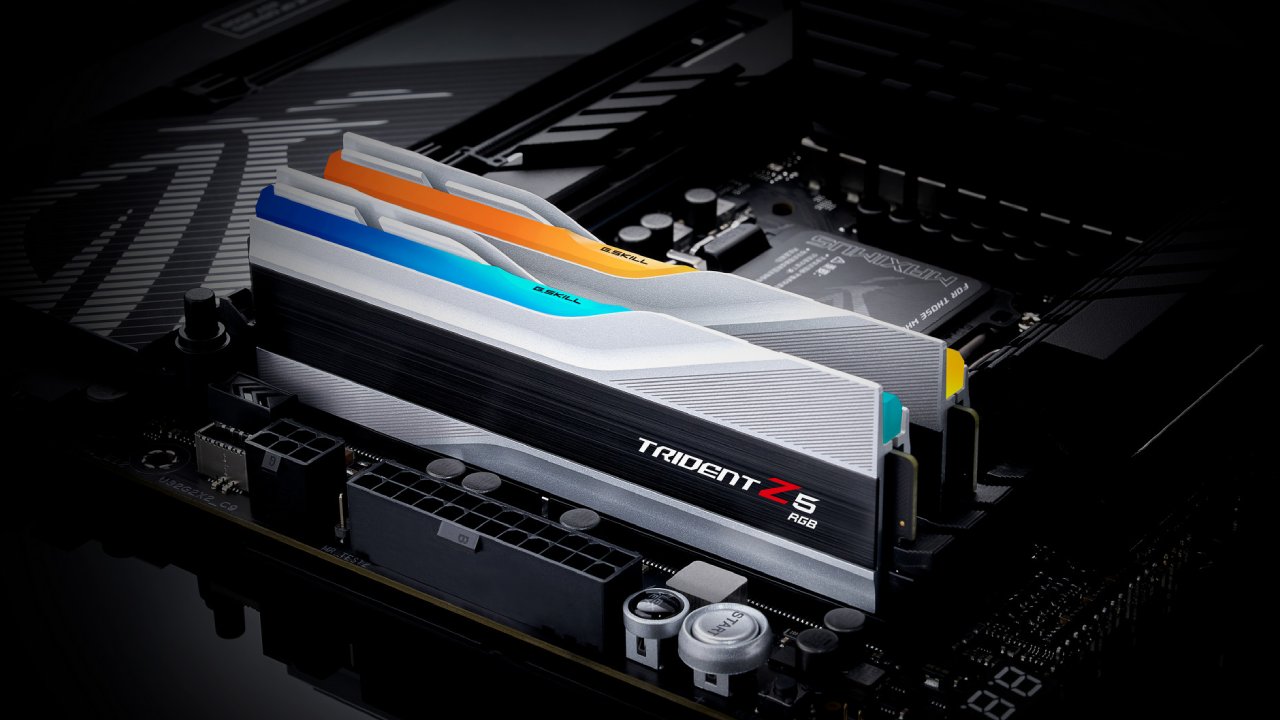
Bottlenecks of Indirect Damage and Resources
Game hosting is also being affected by the AI hardware gold rush. Developers have been compelled to implement offline modes in their games because server providers are acquiring hardware to reuse for AI inference. In addition to the chips, the underlying building blocks, such as PCBs, plastic, and resin, are also being bottlenecked.
We are all competing to have equal resources. A case in point is the production of helium, which is essential as a coolant in chip manufacturing. The destruction of the production facilities indicates that helium is currently in high demand, and it may take 5 years to recapture past production levels.
Final Thoughts
Should you find RAM upgrades 20% lower than last month, it is the retailers who probably overpriced their stock, and demand fell. They are currently reducing prices to attract buyers before the supply chain raises costs again. The pressure in the system due to deals, raw materials, and server demands has not abated. The underlying problem is that manufacturers earn higher margins when selling to data centers than to individual gamers.
Although the current counts are available on a month-to-month basis, it's up to you to decide whether the cost will be increased again, and then to personally decide on an upgrade of hardware in an economy that is still more focused on industrial development than on consumer luxury.
Also, check our other hardware articles:
- AMD Ryzen 9 9950X3D Review: Setting The Standard For 2025 Gaming CPU
- Amazon Luna 2025 Review: Is Prime Gaming's Cloud Service Your Go-To For Casual Fun?
- AMD RX 9070 XT Review: AMD's RDNA 4 Champion for 1440p Gaming
- GeForce Now Ultimate: Ditching Your Gaming PC For Cloud RTX 4080 Power?
- NVIDIA GeForce RTX 5080 Review (2025): Still A 4K Gaming Powerhouse?
- Intel Core Ultra 9 285K Review And Performance Breakdown (2025)
- AMD Ryzen 7 9800X3D Review: 3D V-Cache Goes God Mode with Stunning Gaming Performance
- Intel Core Ultra 9 285K vs AMD Ryzen 7 9800X3D: In-Depth Gaming Performance and Benchmark Comparison
- NVIDIA GeForce RTX 5080 Super Performance In Cyberpunk 2077: Path Tracing & DLSS 4.0 Tested
- AMD Radeon RX 9070 XT In Cyberpunk 2077: Ray Tracing & FSR 4.0 Tested
- Intel Arc B580 Review: The $250 GPU Revolutionizing 1440p Gaming
- Intel Arc B570 Vs. B580: Value, Specs, And Real-World Gaming Performance
- RTX 5090 Laptop Vs. M4 Max MacBook Pro: Ultimate Raw Performance Vs. Battery Endurance
- Intel Arc b580 Vs. RTX 4060: Game Performance And Value Analysis
- RTX5090 Hell Is Us Demo 4K Ultra Benchmark: DLSS Vs. Native Performance Guide
- NVIDIA RTX 5070 Review: Mid-Range Muscle or Marketing Hype?
- Nintendo Switch 2 Review: Handheld Performance, Features & Value Breakdown
- RTX 5070 Ti Review: Performance, Thermals & Power Efficiency Tested
- Samsung Odyssey OLED G81SF Review 2025: Ultimate 32-Inch QD-OLED Gaming Monitor
- AMD RX 9070 Performance Review: Thermals, Clocks, and Real-World FPS
- AMD Ryzen 5 7600 Review: Best Budget Gaming CPU of 2025?
- AMD Radeon RX 7800 XT Review: RDNA 3 Power For Midrange Gaming
- Asus ROG RTX 5090 Astral OC Vs. Founders Edition: The 4K Gaming Benchmark
Editor, NoobFeed
Gaming Hardware Updates
No Data.