
AMD Zen 7 Grimlock Platform Leak Highlights Efficiency Boosts and New Features
The Zen 7 Grimlock architecture introduces substantial design revisions aimed at delivering higher efficiency and next-generation multi-threaded performance.
Hardware by Tanisha Aria on Nov 15, 2025
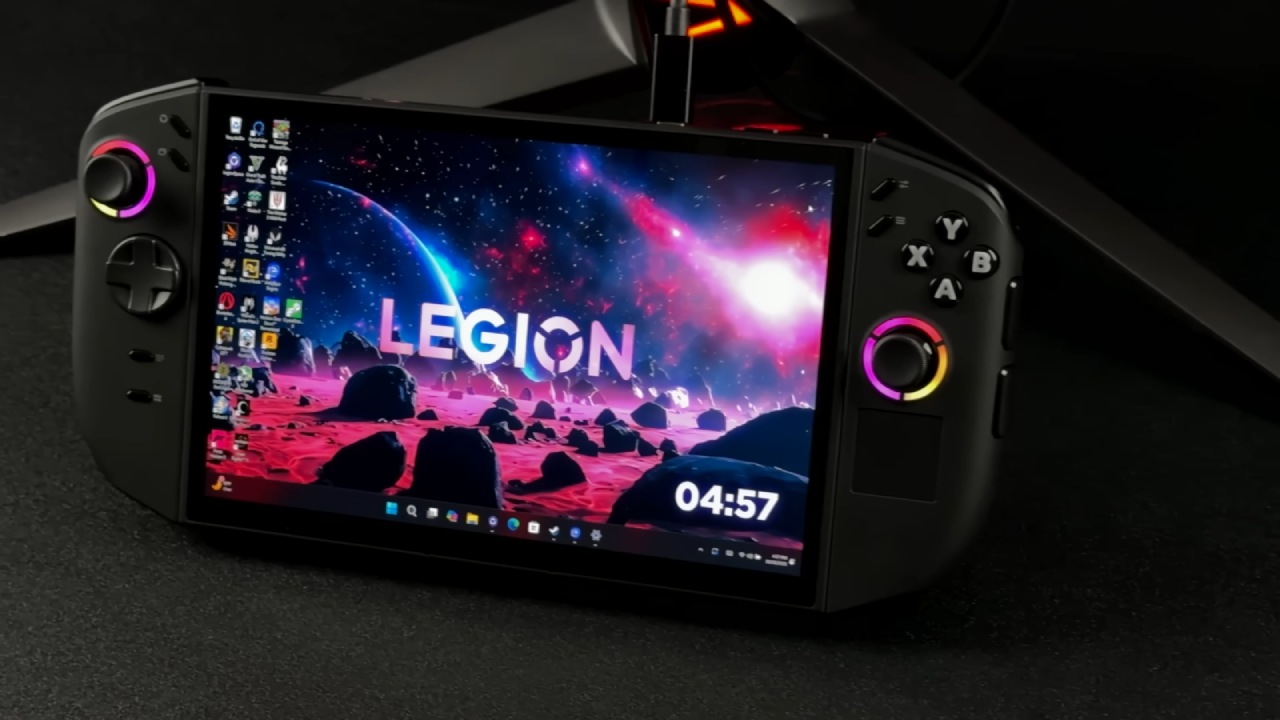
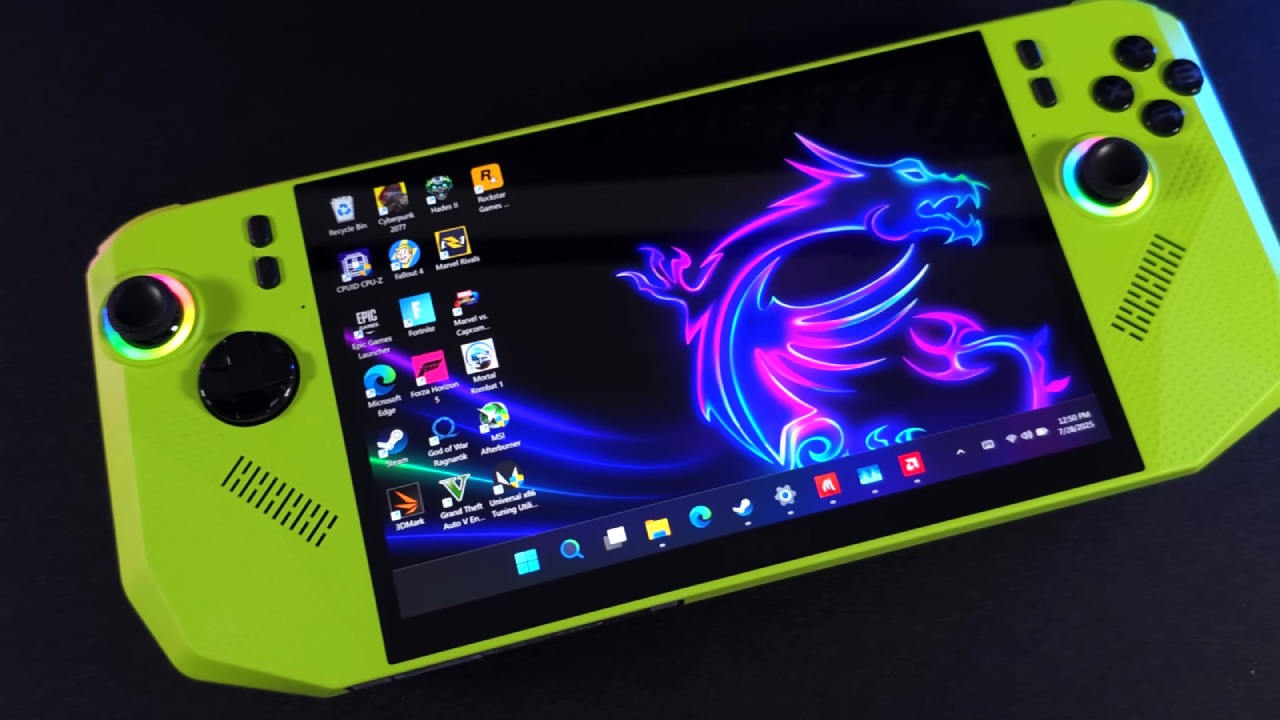
The Z2 Extreme (Z2E) APUs have made significant strides in the handheld gaming market by delivering powerful performance that players can carry with them. The Xbox Alli X, the Lenovo Legion Go 2, and the MSI Claw A8 are three of the most well-known gadgets in this group.
There are some advantages to each of these devices, but the question remains: which is the best Z2 Extreme handheld? To find out, we subjected all three devices to extensive testing, benchmarking their performance at various resolutions and wattages to determine how well they would perform in real-life games.
Benchmark Setup and Device Configuration
The Xbox Alli X and MSI Claw A8 were set to 8GB of VRAM for these tests. In comparison, the Lenovo Legion Go 2 was set to 12GB of VRAM to demonstrate its higher memory capacity. On the Legion Go 2, the main RAM was 32GB, while on the other devices, it was 24GB.
All of the devices were running Xbox OS, and speed tips were used to make sure that everyone had the same chances. Although the A8 and Legion Go 2 both feature 16:10 screens, all measurements were taken in 16:9 resolution to ensure fairness and accuracy. At 720p, 1080p, and power levels of 17W, 20W, 25W, and 35W, performance was evaluated.
Assassin's Creed Mirage
Assassin's Creed Mirage at 720p was the first game that was tried out. It was a surprise that the Xbox Alli X won, even though the Legion Go 2 had more VRAM.
It appears that software optimization is crucial here, as hardware alone does not seem to explain these results. At 20W, the Xbox stayed ahead, but the MSI Claw A8 caught up to the Legion Go 2. This demonstrated the efficiency of the Z2E chip, rather than its power consumption.
At 25W, the Legion Go 2 just edged out the Xbox. Surprisingly, the MSI Claw A8 achieved the best performance at 35W, with a frame rate of 107fps, indicating that increasing power can have varying effects on different devices.
As expected, the Legion Go 2 performed well at 1080p, thanks to its additional VRAM. The Xbox Alli X and MSI Claw A8 didn't experience significant changes in terms of speed. As the wattage exceeded 20W, only minor gains were observed on all devices. This suggests that exceeding 25W doesn't significantly benefit mobile gaming in the real world.
Cyberpunk 2077
When Cyberpunk 2077 benchmarks were run at 720p, the Legion Go 2 came out on top with 74fps, while the MSI Claw came in last with 63fps. Given that the Z2E chips were identical, these results did not align with expectations. This demonstrates the importance of software and driver improvements.
At 1080p, the Legion Go 2 effectively utilized its extra VRAM, maintaining a lead even at lower power levels. The Xbox Alli X, on the other hand, stopped improving after 20W. These tests demonstrate that the Legion Go 2 excels at handling high-resolution games while maintaining smooth performance on low-wattage batteries.
.jpg)
DOOM: The Dark Ages and Dying Light 2
At 17W, the Xbox Alli X was the best at DOOM: The Dark Ages at 720p, but as the wattage went up, the Legion Go 2 regularly did better, and at higher wattages, the MSI Claw A8 finally beat the Xbox. At 1080p, the trend continued. The Legion Go 2 performed best at lower wattages, while the MSI Claw A8 and Xbox showed improvement as the wattage increased.
The same thing happened in Dying Light 2. When it came to 720p and 17W, the MSI Claw was behind the Xbox Alli X. But when it came to 25W and 35W, it beat it.
Initially, the Legion Go 2 was faster at 1080p, and the Xbox only caught up when it had more processing power. These results demonstrate that the Z2E performs well at lower power levels and that having more VRAM enables higher resolutions.
Shadow of the Tomb Raider
Testing Shadow of the Tomb Raider in 720p showed how much better the Legion Go 2 was, even at the lowest power level. At 17W, the Xbox Alli X performed slightly better than the MSI Claw A8.
At 25W and 35W, the MSI caught up. At 1080p, the Legion Go 2 stayed ahead until the Xbox Alli X reached higher wattages and passed it. In all games, the MSI Claw constantly did better with higher wattages than the other devices.
This means that it is better suited for situations where performance is important, such as when it is plugged in, rather than when it is playing on the go.
Real-World Handheld Usage and Recommended Wattages
Based on my own experience, most mobile gaming is done on battery, so the most useful performance range is 17W to 20W. Running at 25W or 35W is generally not recommended, as it reduces battery life. At 35W, you can probably only play for about an hour.
The Lenovo Legion Go 2 consistently outperforms other devices in the 17W–20W range, particularly at 1080p. All three Z2E handhelds are very powerful, but the Legion Go 2's2's extra VRAM gives it an edge when you want to push the graphics quality or resolution.
Final Thoughts
The Xbox Alli X, the Lenovo Legion Go 2, and the MSI Claw A8 are all great Z2E handhelds for games. Benchmark results vary depending on wattage and quality. Still, the Legion Go 2 typically performs better at 17W to 20W, which is where it excels in real-world usage.
The MSI Claw A8 performs better at higher wattage levels, making it more suitable for plugged-in play, while the Xbox Alli X works well at mid wattages. Overall, all the devices make playing games fast and fun, and the only way to tell them apart is by benchmarking them against each other.
The Legion Go 2 is the ideal choice for handheld games that demand high-resolution performance and efficiency without compromising battery life.
Also, check our other Handheld articles :
- ASUS ROG Ally X Handheld Review: Double the Battery, Double the Comfort
- Nintendo Switch 2 Vs. Original Switch 1: A Full Comparison
- How To Connect A Camera And Join Voice Chat With Nintendo Switch 2
- Nintendo Switch 2 Review: Handheld Performance, Features & Value Breakdown
- ROG Xbox Ally X Vs. ROG Ally X: Display, Battery & Controls
- ASUS ROG Ally X vs. Steam Deck OLED: Display, Battery & Gaming Benchmarks
- MSI Claw 8 AI+ Review: Display, Controls & Gaming
- Nintendo Switch 2 vs. Steam Deck OLED: Gaming, Performance, Battery, Display and Value
- NVIDIA GeForce Now on Steam Deck: Battery Life, Gameplay, Streaming
Contributor, NoobFeed
Gaming Hardware Updates
No Data.