
DLSS 5 Mod Unlocks 40% FPS Boost With Leaked NVIDIA DLL
NVIDIA’s Leaked DLSS 5 DLL Delivers Nearly 40% Higher FPS in Demanding 4K Path Tracing Workloads.
Hardware by Masaru Hoshino on Oct 17, 2026
NVIDIA's unreleased DLSS 5 Neural Rendering model is already appearing in unsupported games, thanks to a familiar force in PC gaming: the modding community. After a recent NBA 2K27 update, enthusiasts reportedly extracted an updated neural rendering library. They injected it into other titles, uncovering performance improvements that could make a substantial difference for demanding ray-traced workloads.
The breakthrough centers on nvngx_dlssnr.dll version 310.9.16.0, which replaces earlier 310.8. x versions.x versions. Modder Renan Maniero on X has drawn attention to the discovery. At the same time, performance testing shared by Gaming Optimized suggests NVIDIA's latest model could deliver far more than incremental efficiency gains.
.jpg)
For graphics enthusiasts pushing modern GPUs through demanding rendering workloads, the early results are particularly interesting. A reported 40% performance increase in a 4K Path Tracing test raises questions about how much optimization remains possible through neural rendering alone, even without replacing the underlying graphics hardware.
DLSS 5 Mod Delivers a 39% Performance Increase at 4K
The most striking results come from an RTX 4080 SUPER tested at 4K with Path Tracing and FGx4 enabled. According to Gaming Optimized, the older neural rendering model delivered 108 FPS, while the newer DLL pushed performance to 150 FPS.
That's a 39% improvement in frame rate, bringing the test closer to performance levels that traditionally require a significant GPU upgrade or substantial reductions in graphics settings. Rendering time reportedly fell from 8.8ms to 5.4ms, a 39% reduction.
The distinction between rendered frames and generated frames matters here. With FGx4 enabled, the displayed frame rate includes generated frames, so 150 FPS does not mean the GPU renders 150 fully native frames per second. Nevertheless, lower rendering latency suggests the underlying neural rendering workload is becoming more efficient, although the available figures do not capture the full input-to-display latency.
For Path Tracing, where lighting calculations can overwhelm even high-end GPUs, that efficiency could be particularly valuable—games featuring complex global illumination, reflections, and detailed indirect lighting place enormous demands on rendering hardware. Reducing the cost of the neural rendering stage could help maintain smoother output without forcing players to abandon expensive visual settings.
A Smaller Neural Rendering Model Could Reduce VRAM Pressure
The performance improvement appears alongside NVIDIA's recently announced model optimizations, which reportedly reduce model size by 24% and lower VRAM consumption by 20% at 4K.
These changes could be significant for RTX 40 series owners. Neural rendering adds computational and memory demands, and those costs grow as high-resolution textures, complex geometry, ray-tracing data, and frame generation compete for limited video memory.
A smaller model can reduce the resources needed for neural operations, while lower memory usage frees up more room for the game itself. However, this doesn't mean we can take these results at face value, because the entire 39% performance boost comes from the smaller model size. Architectural changes, execution efficiency, and game interfaces could also matter.
This distinction matters, as VRAM size and memory bandwidth remain separate bottlenecks. A 20% reduction in model-related memory consumption does not translate directly into 20% more FPS, nor does it eliminate the constraints of an 8GB or 16GB graphics card. The real benefit depends on whether memory pressure or neural computation was limiting performance in the first place.
Softer Colors Raise Questions About Image Quality
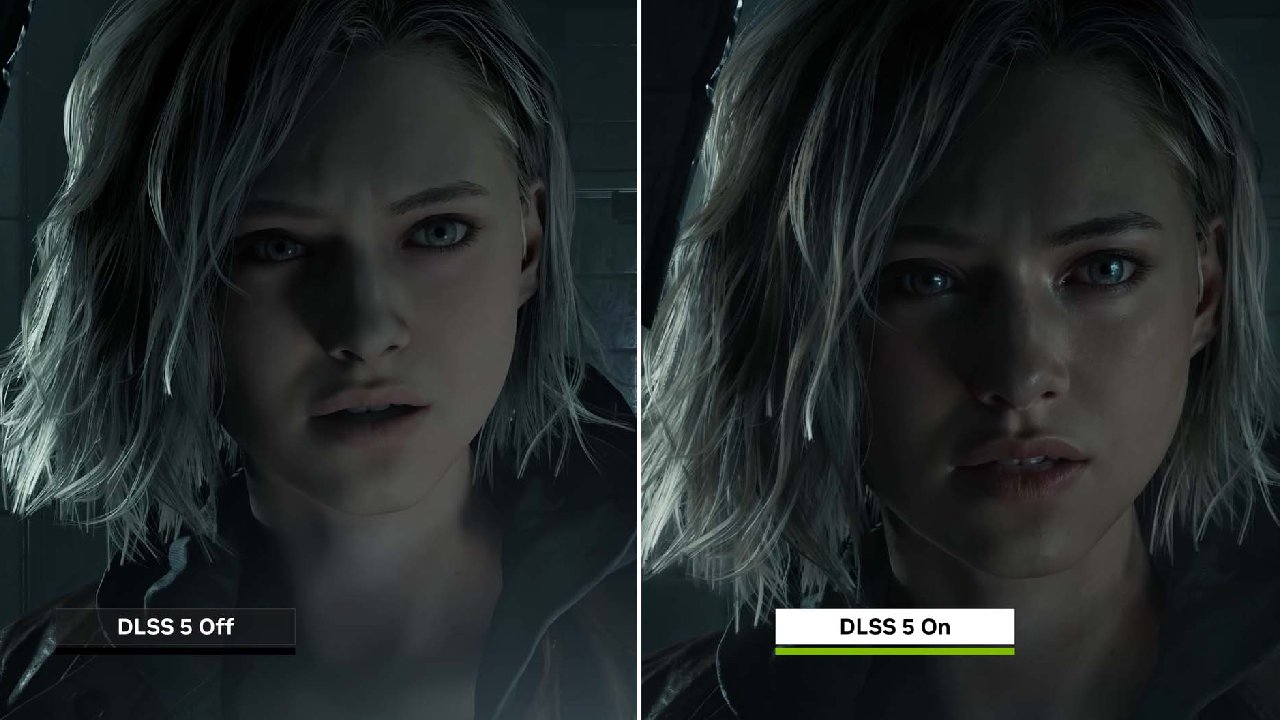
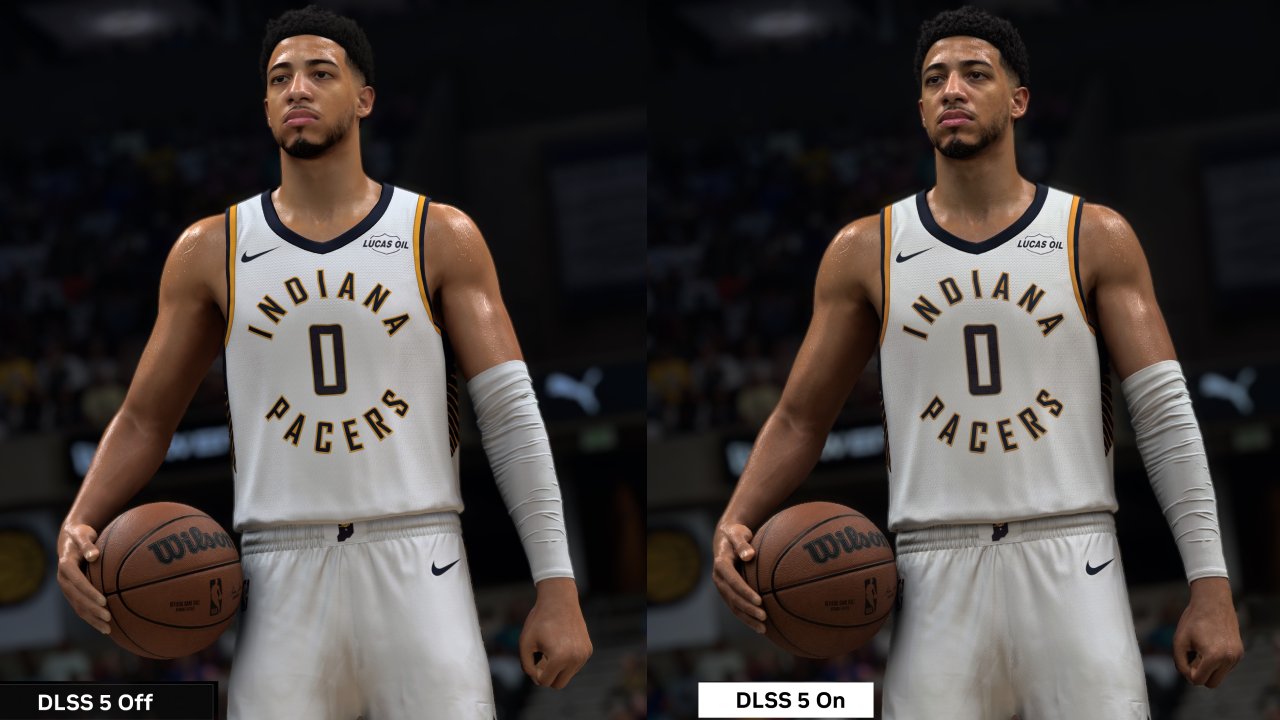
Performance is only half the story. Gaming Optimized reportedly showed softer colors and a less aggressive Neural Rendering effect than its predecessor. Some of the apparent color differences were attributed to changes in the in-game time of day, making direct visual comparisons less conclusive.
For graphics purists, this is where the leaked model becomes particularly interesting. Neural rendering isn't just conventional upscaling; it uses AI-driven processing to transform parts of the rendered image. The game's final look may change even if the underlying game parameters aren't modified, because the model renders lighting, materials, and fine details differently.
A subtler consequence, perhaps, is that NVIDIA has tweaked its rendering behavior to produce more muted effects. Or perhaps some visual qualities have been lightened as part of broader efficiency improvements. The new model may be faster, but without controlled comparisons in the same situations, camera position, exposure, and settings, it is too early to say it sacrifices quality.
Further testing on an RTX 4060 with Forza Horizon 6 and Resident Evil Requiem gives some promising early data. According to reports, Resident Evil Requiem runs about 30% faster with no discernible reduction in graphical quality. The results are, however, hacked and thus preliminary, not a full impartial review across multiple GPUs and games.
Editor, NoobFeed
Gaming Hardware Updates
No Data.