
Gaming Hardware in Crisis: Are We Entering a Dark Age?
Rising hardware costs and slowed innovation create uncertainty across the gaming landscape as manufacturers reassess long-term strategies.
Hardware by Tanvir Kabbo on Dec 18, 2025
The game hardware business is undergoing significant changes. It seems the landscape is unclear, with memory costs rising, GPU and CPU innovation slowing, and supply pressures driven by AI demand.
Many gamers are asking whether they're about to enter a "dark age" of gaming or whether there is still progress to be made.
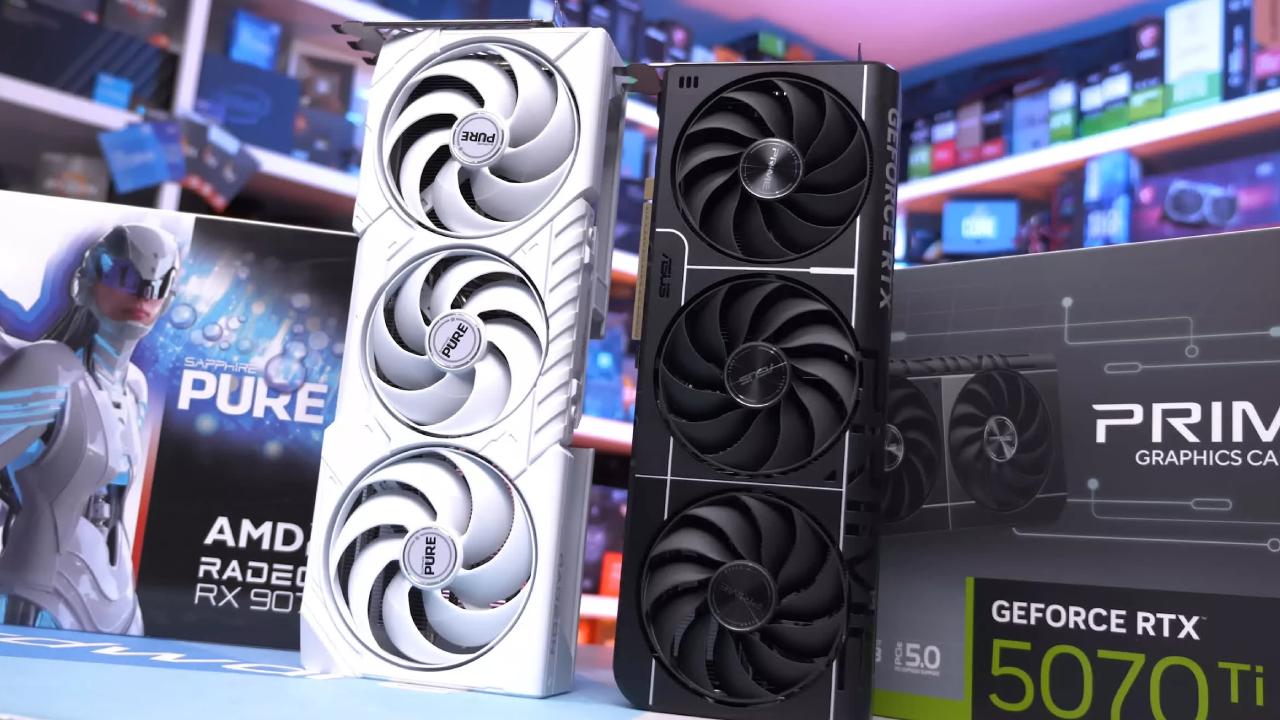
Are We Entering a Period of Stagnation?
It may be true that big progress in silicon will slow down for the next few years. This is due to several factors, including the rising cost of process nodes, limited resources, and increasing demand for memory in machine learning apps.
It seems like GPU systems are in a stand-still phase, and it probably won't be before 2027 that the next-generation designs come out. CPU progress also seems slow. 9850X3D and 9950X3D2 are reported to be in the works, but they will only offer small improvements.
If you're looking to upgrade, we suggest figuring out what you really need first. If you need new gear right now, it's a good idea to buy it now instead of later. We can't be sure what will happen in the future, but it's very unlikely that prices will go down in the next six months.
Even small increases in the bill of materials can add up to big price increases in the store. For example, a $40 increase for 16GB of RAM could lead to a $60 or even $80 price increase once profits are applied. If you already have a setup you enjoy, there's no need to rush, but delaying a necessary purchase may result in higher costs later.
The Outlook for Console Generations
Many questions are being raised about how future consoles—such as the PS6 or the next Xbox—will address memory constraints. Major platform holders have not announced new hardware yet, and with current development timelines being long, there's little reason for them to accelerate releases under unfavorable market conditions. Extending the current generation seems both likely and practical.
PS5 still feels underutilized, and pushing out its successor prematurely would not benefit developers or players. Microsoft may face more urgency due to strategic shifts around Xbox hardware, though price pressures could complicate those plans. If memory costs continue rising, launching a new machine with significantly more RAM becomes challenging.
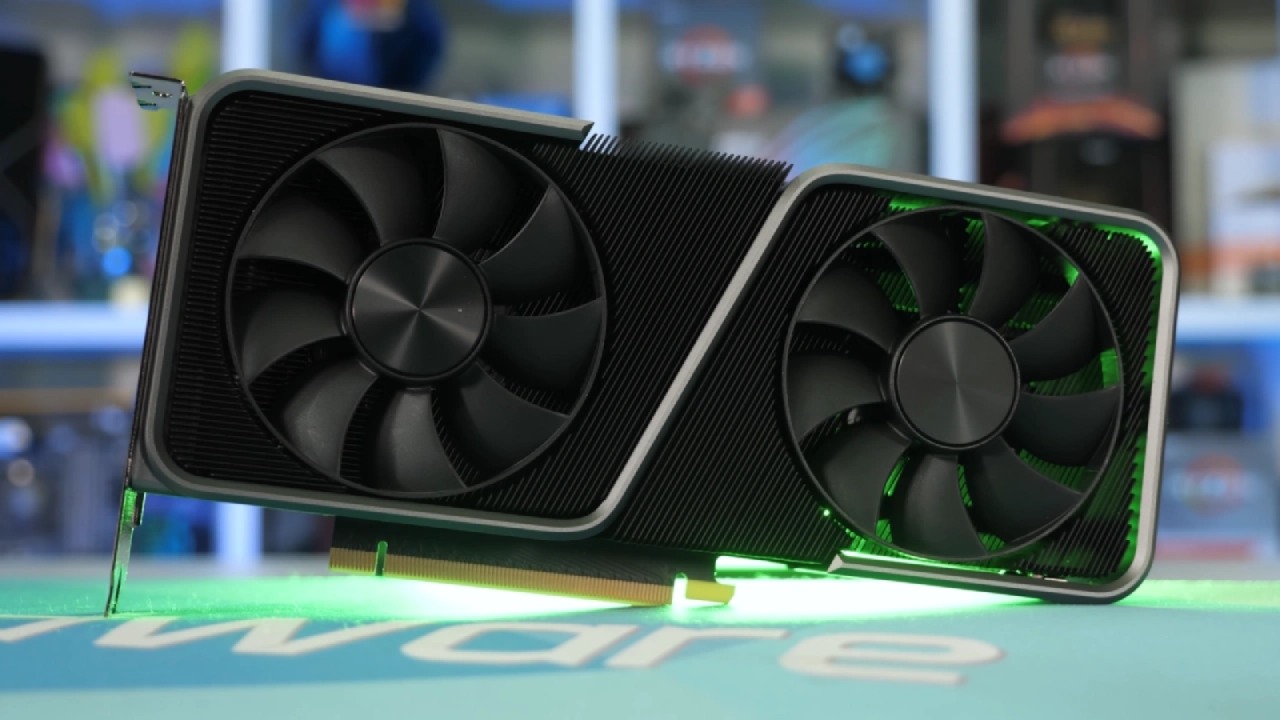
Rising Memory Requirements for Next-Gen Consoles
Rumors have circulated about high-capacity memory configurations—such as an Xbox "Magnus" chip with 48GB of RAM or a PS6 with around 30GB. These figures are becoming harder to justify in the current climate.
Yet from a technological standpoint, we believe next-generation hardware does need substantially more memory. A larger amount of RAM is needed for machine learning features, better rendering, and more complex simulations.
On the technical side, the possible memory sizes are determined by the bus widths. A 192-bit bus, for instance, could handle 18GB, 24GB, or 36GB configurations. In the same way, a 160-bit bus could work with 15GB, 20GB, or 30GB. Reducing rumored targets—such as dropping PS6 from 30GB down to 20GB—would limit next-gen capabilities and make it harder to justify a generational leap.
Unfortunately, if memory costs double or triple due to demand spikes, these high-capacity designs may become financially impractical. Console manufacturers can secure long-term supply contracts, but sustained price increases remain a real risk. Delaying new hardware until memory markets stabilize may ultimately be the only viable option.
Long-Term Viability and What Still Works Today
Despite these challenges, current-generation consoles remain fundamentally strong. Key weaknesses from the previous era—such as outdated mechanical hard drives and weak CPU performance—have been largely addressed. Modern SSDs are still underutilized, leaving room for developers to extract more performance and streamline game design.
GPUs continue to scale well, and cross-generation support is likely to persist, but that is something the industry is already accustomed to. The biggest concern remains memory capacity and cost. For long-lasting consoles, a robust hardware design is important.
In the end, waiting might be the best thing to do. The game industry has to deal with a difficult mix of limited technology, economic needs, and AI-driven supply issues that can't be predicted. If we wait for better conditions, the next generation of game systems will have real improvements instead of just slight changes that are made because they have to be instead of because of innovation.
Also, check our other NVIDIA articles below:
- GeForce RTX 5090 Unleashed: Is NVIDIA's New Flagship the Ultimate 4K Gaming GPU?
- NVIDIA GeForce RTX 5080 Review (2025): Still A 4K Gaming Powerhouse?
- RTX 5090 Performance Testing In GTA 5 – 1080p, 1440p, and 4K Max Settings Benchmark
- RTX 5090 Laptop Vs. M4 Max MacBook Pro: Ultimate Raw Performance Vs. Battery Endurance
- NVIDIA RTX 5070 Review: Mid-Range Muscle or Marketing Hype?
- RTX 5070 Ti Review: Performance, Thermals & Power Efficiency Tested
- Asus ROG RTX 5090 Astral OC Vs. Founders Edition: The 4K Gaming Benchmark
- ASUS ROG Astral RTX 5090 OC Edition Review: 32GB GDDR7 & 4K Gaming Benchmark
- ASUS GeForce RTX 5090 LC Liquid Cooled GPU Review: Unmatched Silence & Speed
- MSI GeForce RTX 5090 32GB SUPRIM SOC Review: Power Efficiency, Cooling, and Gaming Performance
- INNO3D RTX 5060 Ti 16 GB X2 Review: Gaming Benchmarks, Temps, and Power Efficiency
- HP Omen 45L Review: RTX 5090 Performance, Thermals, and Value Analysis
- ASUS TUF Gaming GeForce RTX 5060 Ti Review: DLSS 4, Power Efficiency, and Gaming
- ASUS Prime RTX 5060 Ti OC 16GB Review: DLSS 4, Ray Tracing, & Thermals Tested
- NVIDIA GeForce RTX 5060 Review: Specs, Gaming, and Cost per Frame
- MSI GeForce RTX 5090 GAMING TRIO OC Review: A Monster Power GPU
Senior Editor, NoobFeed
Gaming Hardware Updates
No Data.