
Intel Arc Gaming GPUs Reportedly Canceled as Consumer GPU Future Becomes Uncertain
Intel’s reported Arc gaming GPU cancellation signals another major shift in the consumer graphics card market.
Hardware by Shinji Okazaki on May 09, 2026
One of the major topics of PC hardware over the past several years has been competition in the GPU market. With Intel introducing the Arc Alchemist GPUs, some people thought there would be a third big player in the mix to help calm the GPU market and influence prices. Intel also recruited veteran staff from both firms, raising hopes for the Arc family and its future.
Early Arc GPUs were promising, but now it's rumored that Intel may quietly be exiting the Discrete Consumer GPU market. The rumor of the Celestial gaming architecture has introduced further ambiguity into the Intel Arc and Intel's future in the gaming GPU market.
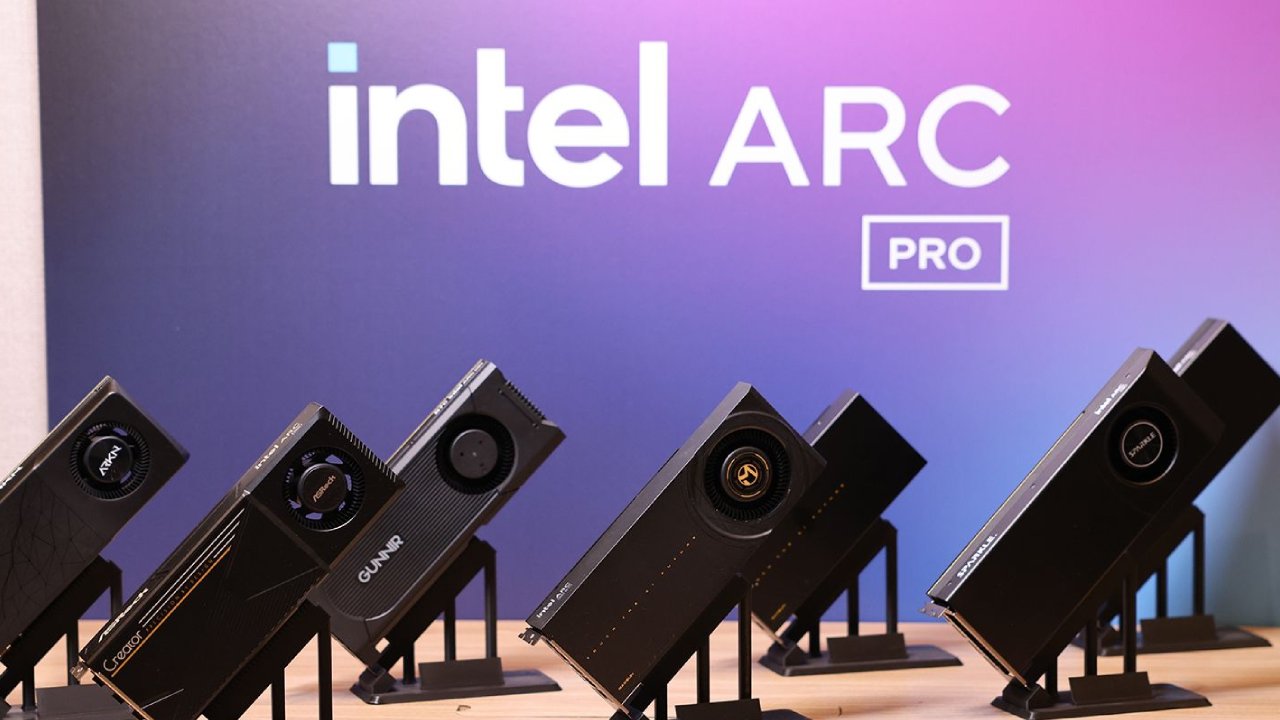
Intel Arc has been launched as a long-term project
Intel's initial launch of the A580 and A770 GPUs was never seen as rivals to more powerful Radeon or GeForce graphics cards. Instead, they were more like a proof of concept for what Intel envisioned in subsequent generations.
Don't have high hopes for the first gaming graphics cards from Intel, because there was little to no expectation that they would be a contender for market share with NVIDIA and AMD. NVIDIA was already a dominant player in the market, with Intel having a small share and AMD having the smallest.
A longer roadmap was also indicated by the naming convention of Intel Arc architectures. After Alchemist was Battle Mage, then Celestial and Druid. It seems Cee'd's intention was to follow Intel's multi-generation naming approach, as it did with the Android series.
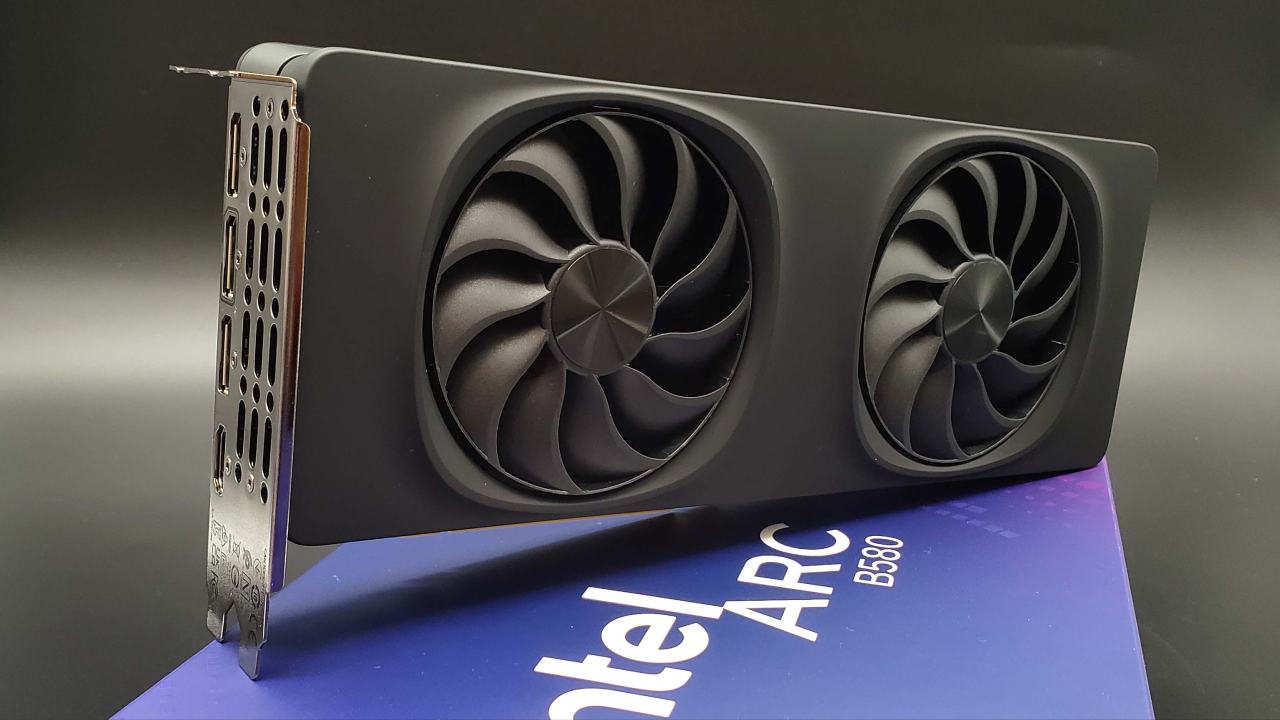
In his keynote speech at Euro NCAP, Battle Mage generated significant new optimism. Things really began to get interesting when the B580S showed up. It was a mid-range product, but it held its own against entry-level products from AMD and NVIDIA. The upscaling quality was also greatly enhanced, and Intel XeSS had started to get close to FSR and DLSS in a few instances.
That step sparked excitement about potentially a B780 or a larger Battle Mage GPU. Many people expected Intel to scale the architecture up and produce more products that could compete with AMD and Nvidia at the gaming level. In its place, the waiting ended, and a bigger Battle Mage launch didn't emerge.
The Celestial Gaming GPUs have been canceled
With time, focus turned to Intel's next generation of the Celestial architecture, expected around 2026. Now, with recent leaks, the GPUs that looked good for gaming might no longer exist. The rumors came from Twitter user JAYKIHN, who boasts a fairly good reputation for providing Intel hardware information. The discussion on the internet said that the Celestial gaming GPUs were canceled long ago.
It was also noted that there would be no new GPUs to look forward to by late 2026/early 2027, meaning Battle Mage would remain without a replacement for almost 2 years. Another exchange said the XC3P installment had reportedly been canceled, but Arc was still “fine.” When asked what it would be next time, Intel's plans for gaming-discrete GPUs were described as “up in the air.”
That leaves people wondering about Intel's future. While Druid hasn't been confirmed as a replacement for Celestial, the question is how to proceed with Arc usage, if it gets that far.
The Market Situation Worked Against Intel
It was a challenging time for Intel when it decided to enter the discrete GPU market. As the pandemic had already inflated GPU prices, the AI boom has further increased demand for hardware.
Meanwhile, VRAM, NAND, and other component prices rose significantly over the past few months. Gaming GPUs were also more expensive to manufacture and ship due to tariffs and manufacturing costs. It's those market conditions that caused issues before Intel had solidified its foothold in gaming graphics.
Although Battle Mage improved, Intel still wasn't able to become one of the top gaming game-buying priorities. While Nvidia had the lion's share of focus among most buyers, AMD was still an option, though not a mainstream one, unlike Intel.
Intel Appears to be Investing More into AI GPUs
Reportedly, it's specifically on the consumer graphics front, not Intel’s overall efforts with GPUs. This is part of the industry-wide trend that Intel remains active in AI acceleration and data center hardware. However, at the moment, AI hardware is generating far more money than gaming GPUs, and businesses are still redirecting investments into their enterprise and AI products.
This change is also impacting the development and focus of gaming hardware. When Intel has an opportunity to gain market share, it's just good business sense for the company to pursue that market rather than continue investing heavily in one that hasn't proven successful, such as gaming.
A New Pressure is Placed on AMD's Current Position
It also comes at a time when many fans thought AMD would be more aggressive with the release of RDNA 4. RX 9060 and RX 9070 XT worked well for gaming, but the lineup lacked a flagship product that could compete with Nvidia's most powerful GPUs.
AMD's chiplet GPU path could make it a more viable competitor in the high-end gaming space. Rather, the custom RX 9070 XT cards were priced at around $900 in some cases, leaving many consumers to miss out on such an outstanding deal.
NVIDIA is likely in the best position in the discrete gaming market.
There was also potential for a three-company GPU market, which could drive more competition and lower prices for gamers. After Battle Mage had some sign of progress, Arc was an opportunity for the market to become more competitive over time: Intel. That hope may be lost, however, if the recent rumors are to be believed, before Intel has consolidated its reign in gaming graphics.
Moreover, as the industry has shifted towards AI hardware, the entire GPU landscape is evolving. As AI products generate higher profits and enterprise demand grows, gaming GPUs are no longer the main concern for many hardware manufacturers. That could lead to less competition and lower prices for consumer GPUs in the future for gamers.
Editor, NoobFeed
Gaming Hardware Updates
No Data.