
Intel Keeps Raptor Lake CPUs Alive Until DDR5 Pricing Finally Falls
High DDR5 pricing gives Raptor Lake and its DDR4 compatibility an unexpected advantage across the budget PC market.
Hardware by Masaru Hoshino on Aug 19, 2026
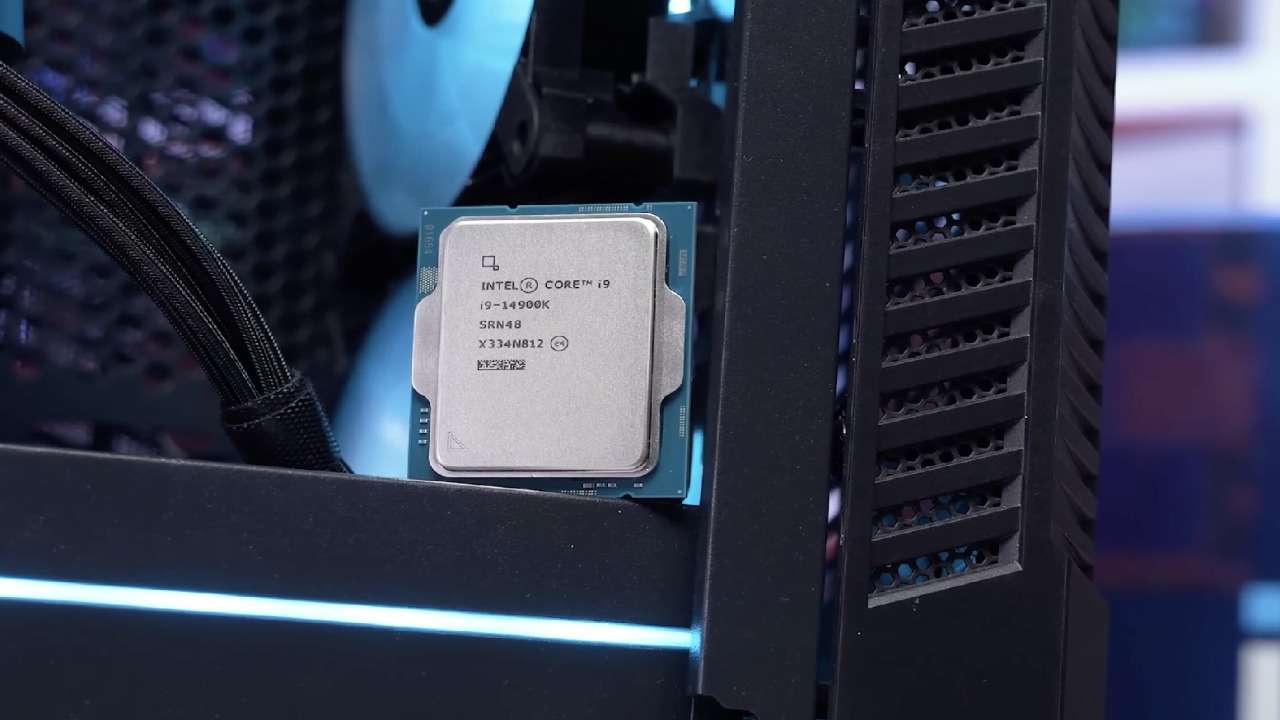
Intel appears ready to break the traditional desktop CPU lifecycle by keeping Raptor Lake CPUs and the LGA 1700 socket in active supply until global memory prices become more manageable. According to a new report via Wccftech, the company is deliberately extending the lifespan of its 13th and 14th Gen processors rather than immediately pushing budget buyers toward newer platforms.
The decision makes little sense if CPU performance is the only metric being considered. From a platform economics perspective, however, Intel's strategy is surprisingly logical. With DRAM prices remaining elevated, the cost of moving to a newer platform can become significantly higher than the cost of the processor itself. For budget PC builders, the current memory crisis is effectively changing how CPU upgrades are being evaluated.
.jpg)
The DDR5 Paywall is Slowing Platform Adoption
The transition to DDR5 was supposed to be a gradual replacement for DDR4 as manufacturing scaled and prices declined. Instead, persistent pressure across the DRAM market has made memory pricing a much bigger concern for consumers. That creates a serious problem for the sub-$800 PC market.
A budget gaming system has to balance spending between the processor, graphics card, motherboard, memory, storage, and power supply. If moving to a modern CPU platform requires expensive DDR5 memory, the added cost can force buyers to compromise elsewhere.
For gaming PCs, that compromise can be particularly painful. Spending more on memory while buying a weaker graphics card can result in a worse overall experience than choosing an older CPU platform and allocating those savings to the GPU. This is why DDR5 pricing has become more than a memory-market issue. It has become a platform-adoption issue.
LGA 1700 Becomes Intel's Budget Safety Net
The biggest advantage of Raptor Lake today isn't simply its performance. It is the flexibility of its platform. The LGA 1700 socket supports both DDR4 and DDR5, depending on the motherboard. That gives Intel an unusually useful product position during a period when memory prices are distorting the cost of new PC builds.
A buyer can choose a Raptor Lake processor with a DDR4 motherboard and use considerably cheaper memory, avoiding the premium associated with DDR5. Existing DDR4 owners may also be able to reuse their memory when building a new system, provided the motherboard supports it.
That flexibility gives Raptor Lake something newer platforms cannot easily provide: a low-cost entry point without completely sacrificing CPU performance. Intel therefore doesn't need Raptor Lake to outperform every modern processor. It needs the platform to remain affordable enough to attract buyers who prioritize total cost of ownership.
Intel is Buying Time With Raptor Lake
The reported strategy is essentially a waiting game. Rather than forcing consumers into a DDR5-based platform while memory remains expensive, Intel can continue supplying Raptor Lake processors until DDR5 production expands and prices become more competitive.
This approach could also help Intel protect its share of the budget market. CPU buyers rarely evaluate processors in isolation. The motherboard, RAM, and other components determine the final system price, meaning a technically superior CPU can become less attractive when its platform costs substantially more.
For Intel, maintaining an older product stack may therefore be more effective than aggressively promoting newer architectures to customers who simply cannot justify the additional expense. In other words, Intel is not just extending the life of a CPU generation. It is extending the life of an affordable platform.
LGA 1700 Has No Long Upgrade Path
There is still a major downside. The LGA 1700 socket is effectively a mature, dead-end platform. Anyone buying into it today should do so for its immediate value rather than for expectations of extensive future upgrades. A newer DDR5 platform can provide a longer upgrade path and access to newer processors. That makes it the more sensible choice for enthusiasts building a high-end system or planning major CPU upgrades over several years.
Raptor Lake makes more sense when the priority is maximizing performance per dollar today. If avoiding expensive DDR5 pricing allows a buyer to put the savings toward a stronger graphics card, the older platform can deliver better gaming value despite having less future upgrade potential.
Editor, NoobFeed
Gaming Hardware Updates
No Data.