
Nintendo Faces Questions Over Switch 2 Sales as Analysts Warn of Fading Momentum and Rising Costs
A disappointing financial report has sparked concerns about Nintendo's latest console, but comparisons with PlayStation and XBOX suggest the company's position might not be as troubling as some analysts claim.
Hardware by Tahmid Mahi on Nov 07, 2026
Nintendo's latest financial results have not been well received, and a report from Bloomberg suggests the Switch 2 is losing momentum sooner than expected. Apparently, the company's second-quarter earnings missed expectations, with both hardware and software sales below what analysts expected.
Some analysts have also expressed concerns about the upcoming holiday shopping season, saying that Nintendo might not be able to maintain the momentum the console had at launch. But not everyone agrees, particularly when you look at the wider gaming industry and the struggles of its biggest competitors.
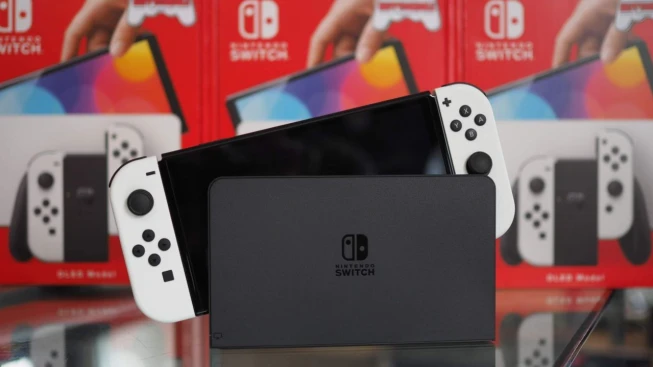
Nintendo's journalist Takashi Mochizuki has unveiled Nintendo's latest financial performance, and the debate has begun.
In his report, he noted that the company's hardware and software sales were weaker than expected, raising questions about how the Switch 2 would perform in its first year on the market.
Analysts are said to believe the platform is losing momentum sooner than expected, raising concerns it won't be able to sustain strong sales through the holiday season. These are important observations, but we need to distinguish between actual financial results and predictions about what might happen next.
A confluence of factors apparently missed analyst expectations, contributing to poor performance in Nintendo's earnings. One concern is software availability, with analysts saying the company has not introduced enough major upgrades to maintain platform momentum.
The report also noted a steeper-than-expected fall in sales after the price increases, although the initial wording may have been impacted by translation from Japanese. Even with big releases like Zelda behind the platform, analysts reportedly think Nintendo could have a tough holiday shopping season. However, when you look at individual game sales, the picture is a little different. Nintendo's recent releases have still commanded a decent amount of attention, with Fire Emblem reportedly selling over 1.3 million copies.
Splatoon 3 has also sold over three million copies, while Star Fox is said to have sold over one million. The numbers suggest Nintendo's software lineup still has strong commercial appeal, even if the company's overall financial results have yet to meet expectations.
Comparisons to other big releases also call into question how analysts are rating Nintendo's performance.
Wolverine sold about 2.5 million copies, even with a dev budget greater than the combined budgets of Nintendo's Switch 2 releases this year. While the games are in different markets and have different development needs, the comparison shows how expectations can vary widely for big releases.
Things get even more interesting when you compare Nintendo to Sony and Microsoft. PlayStation is still doing well in the United States, where it recently topped the NPD sales charts, while Grand Theft Auto 6 should provide another big boost to the gaming market.
However, Sony also faces questions about its upcoming release schedule, particularly after delays affecting projects such as Laufey. Intergalactic: The Heretic Prophet also remains some distance away, leaving questions about what will support PlayStation after its biggest upcoming releases.
Microsoft's position has also attracted considerable attention, with XBOX facing its own uncertainties around hardware and software. Against that background, singling out Nintendo as the company facing the industry's biggest problems seems questionable.
Each of the three makers faces different challenges, whether it's release schedules, hardware costs, development costs, or keeping consumers interested. Nintendo's latest financial results are worth watching, but that doesn't automatically mean the company is worse off than its competitors.
Another part of Mochizuki's report looks at how Nintendo and Sony do business differently. Nintendo still relies heavily on gaming hardware and software, and the Switch 2 is a major part of its current growth strategy. Sony, by contrast, has broadened its entertainment activities through movies, music, and other media, letting its divisions support each other.
But Nintendo has been branching out from its consoles and games, too.
The Super Mario Bros. Movie was a massive success. The company has continued to pour cash into theme parks and merchandise. The projects give Nintendo additional ways to reach people who might not buy its games or consoles as a matter of course. The success of its entertainment ventures also helps attract more people to its gaming franchises, making the difference between Nintendo and Sony's strategies less clear-cut than the report implies.
Nintendo also has to worry about rising memory costs and how they could affect hardware production costs and profit margins. If component prices keep rising, the company may have to make hard choices about console pricing.
Longer development cycles are also giving the industry headaches, as it becomes harder for publishers to keep release schedules consistent like in past console generations. Some analysts therefore think the Switch 2 might not beat the original Switch's lifetime sales.
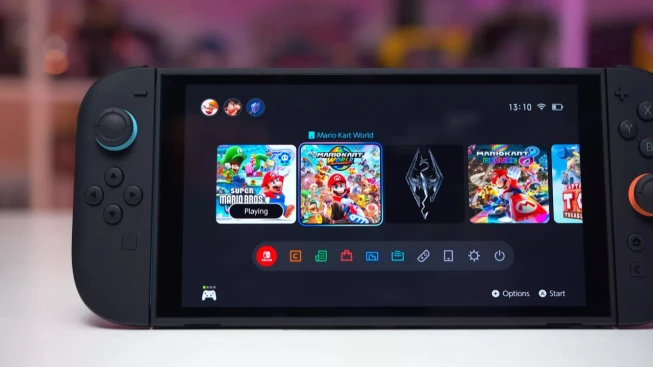
But expecting the Switch 2 to outsell its predecessor might not be a realistic benchmark to start with.
The original Switch launched in particularly good conditions, makingmaking it one of Nintendo's most successful consoles,, with a long period of strong demand. Past generations also show that a successor doesn't have to outsell an older system to be successful. Another problem with comparing sales performance is that the Switch 2 also costs more than the original system. Nintendo probably knows it will be tough to match the original Switch's smash success — and the company doesn't necessarily have to hit that mark to call its newest console a success.
As the industry matures, hardware pricing may become even more important as memory shortages and component costs rise. The Switch 2 could eventually reach $600, although that remains speculation rather than an announced decision.
However, competing systems face similar pressures, and future hardware from Sony and Microsoft could become considerably more expensive. If the PlayStation 5 and XBOX Series consoles keep raising prices, Nintendo can stay competitive by offering a console that still has access to many multiplatform releases alongside its exclusives.
And it's not just Nintendo that's experiencing these rising costs.
Both Sony and Microsoft are feeling the same pressure in the memory market, and we could see more industry-wide hardware price hikes in 2026. Nintendo says its current situation isn't a problem. But that doesn't mean it won't have to make adjustments in the future.
Ultimately, to judge the Switch 2's performance, you need to look past one poor financial report and consider the broader market conditions affecting every major console manufacturer. Rising hardware costs, longer development cycles, and changing player expectations all make it harder for Nintendo to maintain the same momentum throughout the console's life cycle.
Nintendo's most recent earnings are certainly worth a look, but the company's situation doesn't seem as clear-cut as some downbeat assessments imply. There's the hardware sales. There's the software lineup. There's the entertainment business. There's what it will do for future pricing. Of course, Nintendo is not alone in facing these challenges, as the whole industry is feeling the effects of rising development costs and ever more expensive components.
Editor, NoobFeed
Gaming Hardware Updates
No Data.