
Panther Lake Pricing Puts Pressure on AMD as Laptop Competition Heats Up
Panther Lake positions itself as a premium APU with strong efficiency gains but significantly higher laptop pricing expectations.
Hardware by Masaru Hoshino on Feb 02, 2026
In the last six months, it's become evident where Intel's Panther Lake really sits in the market. At first, some thought that Panther Lake was never truly supposed to compete with Strix Point on price.
It was actually more like a competitor to the Strix Halo in terms of price, so it needed to perform in the same general class while giving superior features or efficiency to justify its existence versus AMD's top APU from a year ago.
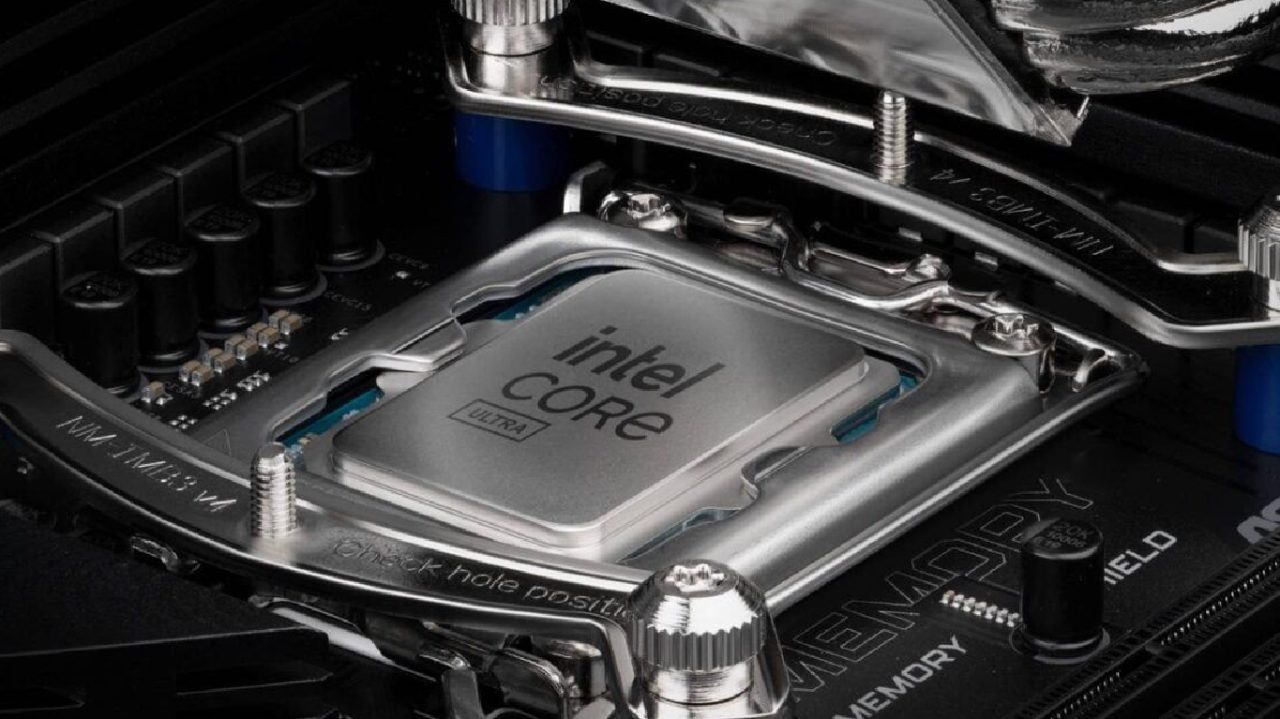
The 12XE Core iGPU Panther Lake versions mostly do what we said they would do. At lower power levels, they fight with Strix Halo, sometimes winning and sometimes losing, but they obviously fall behind when power levels go above 35W.
You receive a lot more features and improved efficiency at those lower power levels in return. That efficiency edge lets Panther Lake find a real performance niche in 2026 laptops. It's great to see Intel bring stronger competition back to the mobile arena.
Panther Lake is a Halo-Class Product in Price Too
In addition to performance expectations, pricing estimates have also been confirmed. Panther Lake was expected to cost more than both Strix Point and Gorgon Point, which would have made it a Halo-class device in terms of both performance and manufacturing cost. Recent information from OEMs and retailers makes this very evident.
The price range for Panther Lake laptops with the more powerful 12XE Core iGPU is between $1400 and $2400. One store said that the average price of a Panther Lake laptop was about $2100. Ultra X7 models are usually the cheaper ones with the better iGPU setup, not Ultra X9s, and that's important.
In single-threaded tasks, those Ultra X7 computers usually perform approximately 6% worse, while in multi-threaded workloads, they perform about 10% worse. Because of this, they aren't faster than Gorgon Point, and in multi-threading, they might even be slower than both Gorgon Point and Strix Point.
We need to be honest about this. No one source ever has a complete view of all OEMs and retailers, and early prices tend to be higher. Later on, there may be cheaper configurations.
But when stories say that Panther Lake laptops cost approximately $1000, they aren't talking about the versions that most people are enthused about. The lower costs are for 4XE Core setups, which have around a third of the iGPU resources of the top versions.
Reality of Lower-End Panther Lake Models
The results of testing the 4XE Core Panther Lake machines confirm what the specs already say. Graphics performance is less than half of the best models, and in some tests, it can decrease to over a third. In the real world, that means these setups could lose not only to Gorgon Point iGPUs but also to Strix Point.
Even in that case, we would probably still prefer Panther Lake because it is more efficient, but only if consumers know what they are getting. The land matters. Panther Lake is a good product, but it's not inexpensive, especially if you want the best versions.
OEM Insight on Cost and Supply Limits
One OEM was willing to give a quote, and that knowledge is what finally made people trust this pricing information. It is said that the supply for Panther Lake is particularly tight. It costs a lot more than Lunar Lake, and the platform kits that are being sent also have higher RAM prices.
Panther Lake is different from Lunar Lake since OEMs have to buy RAM individually. This RAM costs a lot more than the RAM that Lunar Lake systems came with before.
Because of this, people should expect Panther Lake laptops with a lot of features to cost about the same as Strix Halo laptops. If saving money is the most important thing, this OEM says to look for Lunar Lake systems throughout most of 2026.
The rationale is strategic. In 2025, when memory prices were cheaper and RAM was sold with other parts, a number of OEMs hoarded Lunar Lake APUs. That stockpile is now a reserve that can be sold for much less money. Lunar Lake laptops might even be a lot cheaper than Gorgon Point systems, which is a possibility.
What This Means for AMD's Role
Panther Lake is shaping up to be a pricey but effective winner, which gives AMD a strong chance. Intel still has about 80% of the laptop market and about two-thirds of the x86 market. AMD had to fight for almost ten years to get to about 20% of the laptop market. If AMD lets Intel stay ahead in efficiency for a whole year without a significant response, that momentum could fade soon.
Gorgon Point not having RDNA4 already looks like a mistake, and relying on ambiguous AI positioning isn't enough when Intel is coming back with a product that is really competitive. It would be a big error to not take Panther Lake seriously.
Option One: Accelerate Zen6 APUs
The first and most aggressive response would be to speed up Zen6 APUs. Zen6 designs that are mostly based on 3nm might still make a big jump, even without the optional 2nm additional core extensions.
A lower-end Zen6 APU with 10 cores and 8 CUs would be a strong competitor against affordable Panther Lake CPUs that only have 4XE cores. A 14-core Zen6 plus a 24CU Medusa Halo Mini might give you about 50% more CPU power than Gorgon Point and maybe even twice the iGPU power, beating the best Panther Lake setups.
A Medusa Halo with 14 full Zen6 cores and 48CUs of RDNA5 might beat Gorgon Halo in single-threaded performance and boost iGPU output by 50% to 80% at the very top.
Even if you use LPDDR5X on a 256bit bus instead of LPDDR6, these designs would still be faster than Intel's APUs and would save some of the extra costs that Panther Lake has to pay for sophisticated packaging.
The biggest danger here is that drivers won't be ready for RDNA5, but even then, speeding up this roadmap should be a top goal.
Option Two: Be Aggressive with Products You Already Have
The second choice is based on what AMD already has. Gorgon Halo shouldn't be permitted to get to the conclusion of the year. If it comes out in large numbers for back-to-school season, it might directly compete with Panther Lake's efficiency advantage as a refined Strix Halo variation with 5% to 10% increases and greater memory controller efficiency around the 20W range.
Gorgon Point prices also need to be high at the same time. The best thing about Panther Lake is that it is efficient, not that it performs well. Gorgon Point can still look like a great deal in terms of price-to-performance even if it beats the lower-end Panther Lake models on pricing.
If Gorgon Halo laptops cost between $1500 and $2200 instead of $3000, a lot of people would choose the plainly faster AMD choice.
Update on the Nvidia N1X APU
Some people thought that Nvidia's N1X APUs may come out soon, however word from those who have tested the platform and from OEM contacts says otherwise. It doesn't look like there will be a lot of availability in early 2026. Problems with software, Windows support, and problems that haven't been fixed yet are still slowing things down.
Some sources now think that N1X might not happen until late summer. Plans can change, but right now, no one thinks there will be a dramatic launch in the near future. Nvidia's APUs should not be seen as a threat in the short term, but as a development that will happen later in the year.
Final Thoughts
Panther Lake is a big success for Intel in terms of efficiency and competition, but it costs a lot. That price changes the laptop market for 2026 and gives AMD both dangers and chances. The market stays competitive if AMD takes strong action, like speeding up Zen6 or lowering prices and promoting Gorgon products more aggressively.
If not, the balance might swiftly swing back toward laptops that are mostly made by Intel, which would cost everyone who buys these devices in the long run.
Also, check our other Intel chips Articles below:
- Intel Core Ultra 9 285K Review And Performance Breakdown (2025)
- Intel Core Ultra 9 285K vs AMD Ryzen 7 9800X3D: In-Depth Gaming Performance and Benchmark Comparison
- Intel Core i5-13400F Gaming Performance: Still Worth It in 2025?
- Intel Core i9‑14900K vs. AMD Ryzen 7 7800X3D: Power Profiles & Gaming Benchmarks
- Intel Core i9 14900K: Specs, Benchmarks, and Competitor Comparison
- Intel Core Ultra 5 245K Review: Gaming, Productivity & Power Efficiency Tested
- Intel Core Ultra 9 285 K's iGPU Gaming: In-Depth Benchmarks & Analysis
- Intel vs. AMD Gaming Laptop: Performance, Thermals & Battery Life Compared
- AMD Ryzen 7 9800X3D vs.7800X3D vs. Intel Core Ultra 7 265K: Gaming, Thermals & Price Analysis
Editor, NoobFeed
Gaming Hardware Updates
No Data.