
RTX 5090 Supply Concerns Continue Despite NVIDIA Shipments
RTX 5090 prices approach $8,000 as Radeon users experiment with NVIDIA DLSS features and DLSS 5 receives performance optimizations.
Hardware by Nahe Yan on Oct 26, 2026
Graphics card prices, AI rendering, and upscaling technologies continue to shape the PC gaming market. RTX 5090 is appearing at prices far above its launch cost, Radeon owners are testing Nvidia's DLSS features through an unofficial mod, and NVIDIA is working to reduce the processing cost of DLSS 5. These developments raise questions about GPU pricing, software compatibility, performance, and what is worth buying.
Nvidia's top gaming card isn't officially dead, despite rumors of a production shutdown. Executive Jeff Fisher reportedly told Taiwanese media that shipments are continuing, although supply is tight. But shipping doesn't mean the card is easy to buy. Tom's Hardware's October 19 retail check found an available card listed at roughly $7,998, nearly four times the $1,999 launch price.
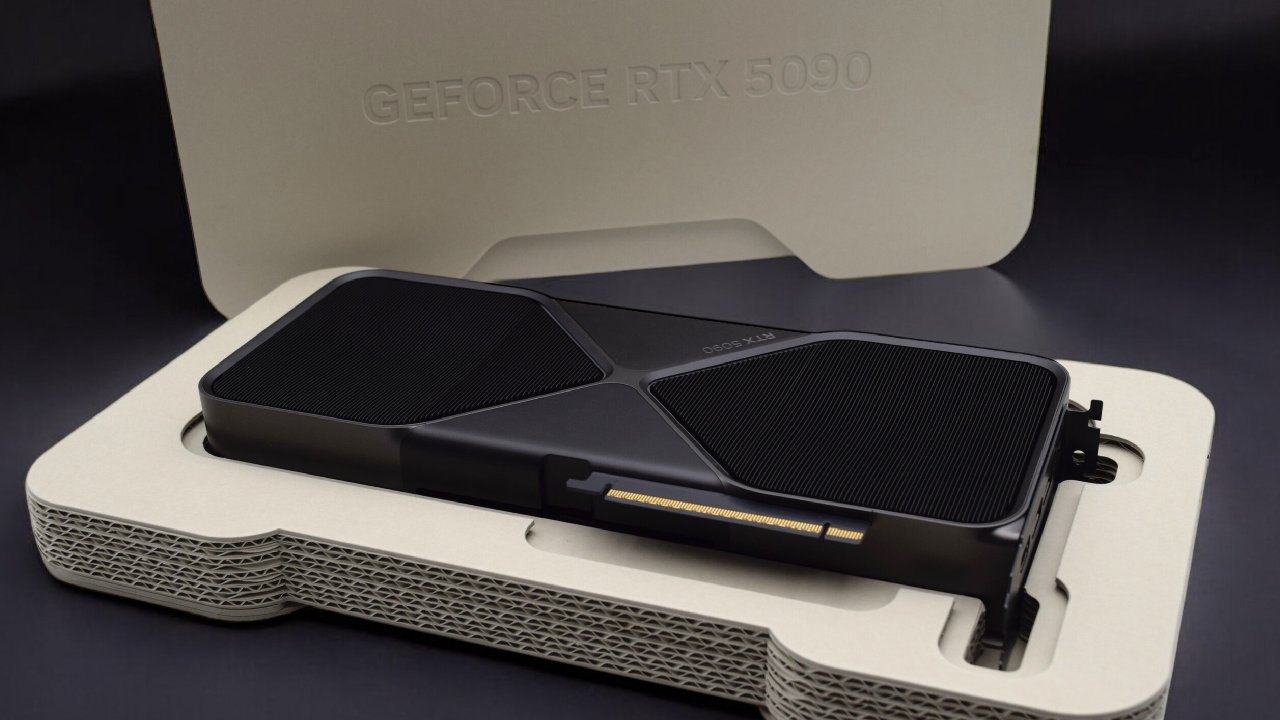
Nvidia RTX 5090 Prices Reach Nearly $8,000
Some believe Nvidia is favoring lucrative AI hardware over gaming GPUs. That could explain broader market pressure, but it doesn't prove Nvidia canceled the RTX 5090 to make room for AI chips. Until we see solid shipment numbers, claims about production cuts and recovery dates remain speculation.
While the most expensive GeForce card is hard to get, Radeon is testing some of its software advantages. Developer Daniel Blanco's unofficial DLSSNR on AMD mod has reached version 0.8.0. It began with DLSS 5 neural rendering and now includes experimental access to Super Resolution, Ray Reconstruction, Frame Generation, and up to 4x Multi Frame Generation.
However, this is an enthusiast workaround, not an official compatibility announcement from Nvidia or AMD. There are strict requirements. You need Windows 11, DirectX 12 support, recent Radeon drivers, and a user-supplied NVIDIA DLL. RX 7000 and RX 9000 series GPUs have the widest support, while RX 6000 remains experimental. Some games break, and anti-cheat systems can interfere.
Performance is another unknown. One RX 9070 XT test in Cyberpunk 2077 reported almost no additional frame rate loss with Ray Reconstruction enabled under path tracing. Another result showed about a 25% performance hit. Neither result tells us how the mod performs across dozens of games. So, no. Radeon hasn't suddenly erased Nvidia's software advantage.
The experiment is worth watching, but official DLSS support still offers a more predictable experience.
Meanwhile, NVIDIA is trimming DLSS 5's cost. Its October neural rendering model is reportedly about 24% smaller, needs 20% less VRAM at 4K, and cuts processing overhead by 50% compared with September's model. Nvidia claims up to 1.4x the frame rate in NBA 2K27. A modded Witcher 3 test also showed up to a 90% gain.
Here's the part you shouldn't miss. That comparison was against the previous DLSS 5 model, not the game running normally. It doesn't promise your favorite game will suddenly run almost twice as fast. That matters because AI-altered lighting and materials can be expensive, especially on GPUs with limited memory.
Before changing GPUs, check independent benchmarks for your games, compare real street prices, and think about whether the new features matter to you. We need to look beyond headline performance figures and consider actual costs, compatibility requirements, and gameplay impact. Would you try unofficial DLSS on Radeon or stay with official GeForce features? Share your GPU and your thoughts on these developments.
Editor, NoobFeed
Gaming Hardware Updates
No Data.