
NVIDIA RTX 3060 Performance in Modern Games and Pricing Concerns Explained
DLSS4.5 introduces advanced frame generation using a second-generation transformer upscaling model
Hardware by Shinji Okazaki on Jan 17, 2026
There was no mention of consumer graphics cards in NVIDIA's CES speech. The spotlight remained on data center technology and shareholder-speak rather than new Super-series GPUs for gaming. The business launched new data center GPUs that made Blackwell GPUs feel obsolete. The talk about Rubin taking Blackwell's place showed how swiftly NVIDIA's enterprise hardware cycles move, leaving older flagship products behind.
There wasn't any news on consumer GPUs, but a separate GeForce announcement revealed DLSS 4.5 for gamers. This version lets you make 6 fake frames instead of 4, increasing the output of false frames. The second-generation transformer model underpinning DLSS4.5 is more fascinating, even though this might not be for everyone. The original transformer model improved DLSS upscaling, and the next one could make it even better.
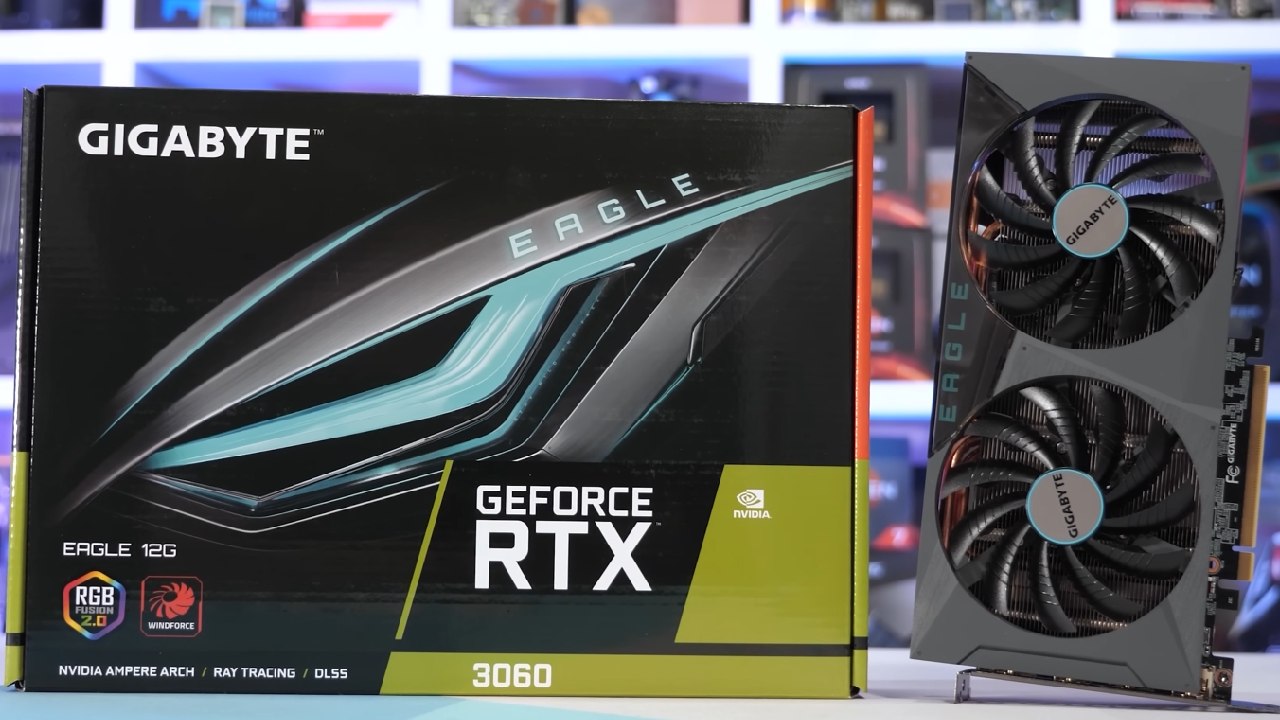
The RTX 3060 Production Restart Rumor
Some people think NVIDIA might restart production of the RTX 3060 to address supply issues for customers without using newer wafers. The goal is to see how well an old GPU performs with new games and estimate a fair price for people who want to buy it now. There may be an opportunity to re-release previous models if the RTX 3060 re-release does well and is priced competitively.
Keep in mind that this is just a rumor. There is no proof that NVIDIA will actually bring the RTX 3060 back to market.
Why the RTX 3060 is Still Important
One thing that sets the RTX 3060 apart from certain recent 60-class GPUs is its 12GB of VRAM. NVIDIA also released an 8GB version with the same core setup but a smaller memory bus and lower bandwidth. That version is less enticing because it has less memory and runs less well.
The 12GB version was utilized for testing. The machine had a Ryzen 57600X processor and 32GB of DDR5 memory running at 6000 MT/s. This CPU and a GPU like the RTX 3060 go well together.
How well esports players do in CS2
RTX 3060 worked great with CS2 on low settings. The GPU usage was higher than normal for an esports game, indicating it worked well on the Ryzen 57600X. Frame rates remained high, keeping the experience smooth and steady.
ARC Raider: How it works at 1080p and 1440p
We tested Arc Raiders on medium settings, with a 1080p render resolution and dynamic low global illumination. The frame rate stayed between 80 and 90 fps, which was good. There were small stutters since the servers were different.
When the resolution was raised to 1440p, the frame rate dropped to about 60 fps, which made the experience less enjoyable. Using the transformer model to enable DLSS in Quality mode boosted performance back up to about 80fps. The game was still fun to play even though the combat was slick.
Problems with Battlefield 6 testing and secure boot
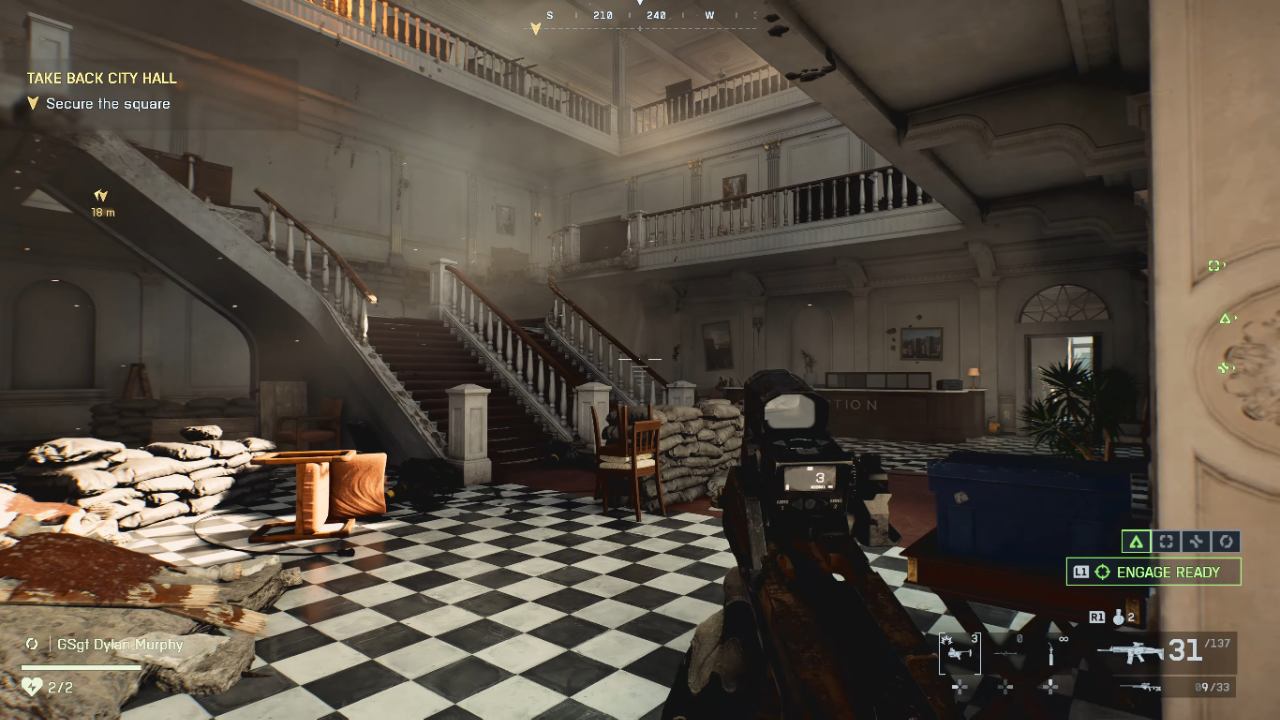
To start Battlefield 6, you had to upgrade the BIOS to turn on Secure Boot. After the problem was fixed, the game was tested at high settings without upscaling. The single-player campaign was playable, and the frame times were smooth.
At 1440p, performance dropped but remained workable with DLSS enabled. Quality DLSS was needed to keep good performance in multiplayer. The experience worked, but it wasn't perfect. Medium settings would be better.
Mod for Half-Life 2 RTX
RTX 3060 has a hard time with the Half-Life 2 RTX mod. It was extremely hard to use DLSS in Quality mode at 1080p; Balanced mode was chosen instead. Even then, frame rates were just slightly above 30 fps, indicating how limited the GPU was under intense ray tracing workloads.
Oblivion Remastered with UE5 Performance
The Oblivion Remastered only worked at 1440p, so DLSS Quality was applied to make it look like 1080p. At medium settings, the frame rate remained between 40 and 50 fps. The graphics weren't great, but the gameplay worked.
This proved that the RTX 3060 could still run remastered Unreal Engine 5 games at 1080p on medium settings.
How well Stalker2 works
At first, the settings didn't work right. After the patch, the game ran at about 60 fps on medium settings. Enabling DLSS improved performance stability. Even though these settings didn't require much graphics, the game was still fun to play.
How the RTX 3060 did in 2026
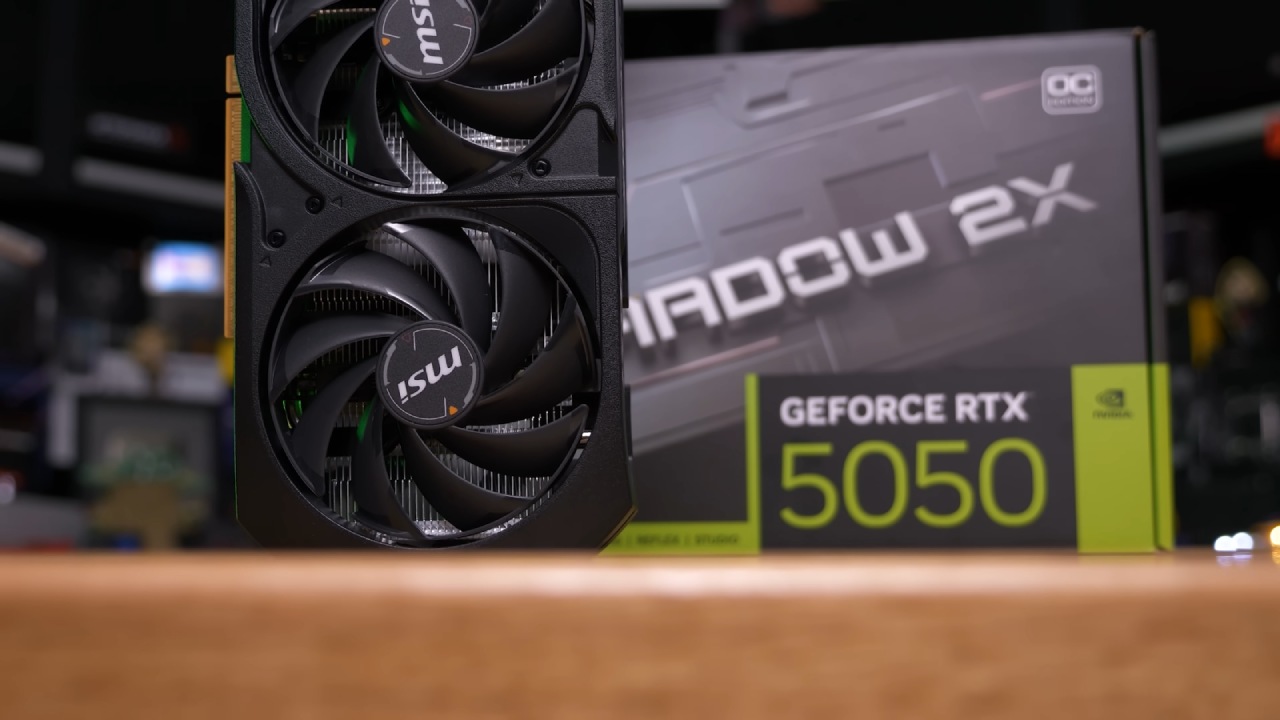
RTX 3060 still performs well in modern games at 1080p. The primary worry is the price. New RTX 3060 cards are still sold for about the same price as when they first came out. This is a problem when you compare them to newer budget GPUs like the RTX 5050.
RTX 3060 compared with RTX 5050
The MSRP for the RTX 5050 is about $250. Both GPUs did about the same in CS2 at 1080p. RTX 5050 stayed slightly ahead at 1440p.
RTX 5050 has a bigger edge in Arc Raiders, getting about 110 fps compared to 90 fps on the RTX 3060. RTX 5050's frame rate range of 60fps to 70fps felt smoother at 1440p. With Quality DLSS and 4xFrameGen, frame rates reached about 200 fps, but latency increased.
RTX 5050 gave Battlefield 6 a 12% performance boost. The upgraded GPU also supports NVIDIA's latest features.
In Half-Life 2 RTX, both GPUs performed almost identically, though the RTX 5050 could use frame generation. Oblivion and Stalker2 ran a little better on the RTX 5050, but the increases were generally small.
Pricing Issues and Market Strategy
RTX 5050 isn't very good for its price, but it still beats the RTX 3060 in many situations. This means that NVIDIA can't sell a re-released RTX 3060 for $250 without getting a lot of angry comments. The price would have to be lower to make sense.
One worry is that NVIDIA might stop making low-end 50-series cards and replace them with RTX 3060 stock at the same prices. That way of doing things would probably make purchasers angry.
Final Thoughts
If the pricing is around $180, a re-released RTX 3060 could be interesting in 2026. If the price is right, it might make sense for budget-conscious gamers to buy older GPUs again. The plan wouldn't help customers if the prices weren't right.
Also, check our other NVIDIA articles below:
- NVIDIA GeForce RTX 5080 Review (2025): Still A 4K Gaming Powerhouse?
- NVIDIA RTX 5070 Review: Mid-Range Muscle or Marketing Hype?
- RTX 5070 Ti Review: Performance, Thermals & Power Efficiency Tested
- ASUS GeForce RTX 5090 LC Liquid Cooled GPU Review: Unmatched Silence & Speed
- MSI GeForce RTX 5090 32GB SUPRIM SOC Review: Power Efficiency, Cooling, and Gaming Performance
- INNO3D RTX 5060 Ti 16 GB X2 Review: Gaming Benchmarks, Temps, and Power Efficiency
- HP Omen 45L Review: RTX 5090 Performance, Thermals, and Value Analysis
- ASUS TUF Gaming GeForce RTX 5060 Ti Review: DLSS 4, Power Efficiency, and Gaming
- ASUS Prime RTX 5060 Ti OC 16GB Review: DLSS 4, Ray Tracing, & Thermals Tested
- NVIDIA GeForce RTX 5060 Review: Specs, Gaming, and Cost per Frame
- MSI GeForce RTX 5090 GAMING TRIO OC Review: A Monster Power GPU
Editor, NoobFeed
Gaming Hardware Updates
No Data.