
AMD Zen6 and Ryzen 9850X3D Revealed as Nvidia DLSS 4.5 and Intel Updates Shape CES
CES announcements highlight AMD Ryzen X3D updates, Zen6 architecture details, Nvidia DLSS4.5 rollout, and limited Intel disclosures.
News by Nahe Yan on Jan 07, 2026
CES featured many product news and updates from across the business. AMD revealed new desktop CPUs, provided more details on Zen 6, and clarified the status of a suspected dual-VCache chip. NVIDIA talked a lot about DLSS4.5, multi-frame generation, and new display technologies. Intel, on the other hand, didn't say much about upcoming CPU launches but did say it was making progress on future platforms.
AMD recently revealed the Ryzen 9850X3D, which fits right nicely with the current X3D portfolio. The processor still has 8 cores and 16 threads, and its L2 and L3 cache sizes remain the same. The main change is that the clock rates are now higher, up to 5.6 GHz, which means better binning rather than architectural modifications.
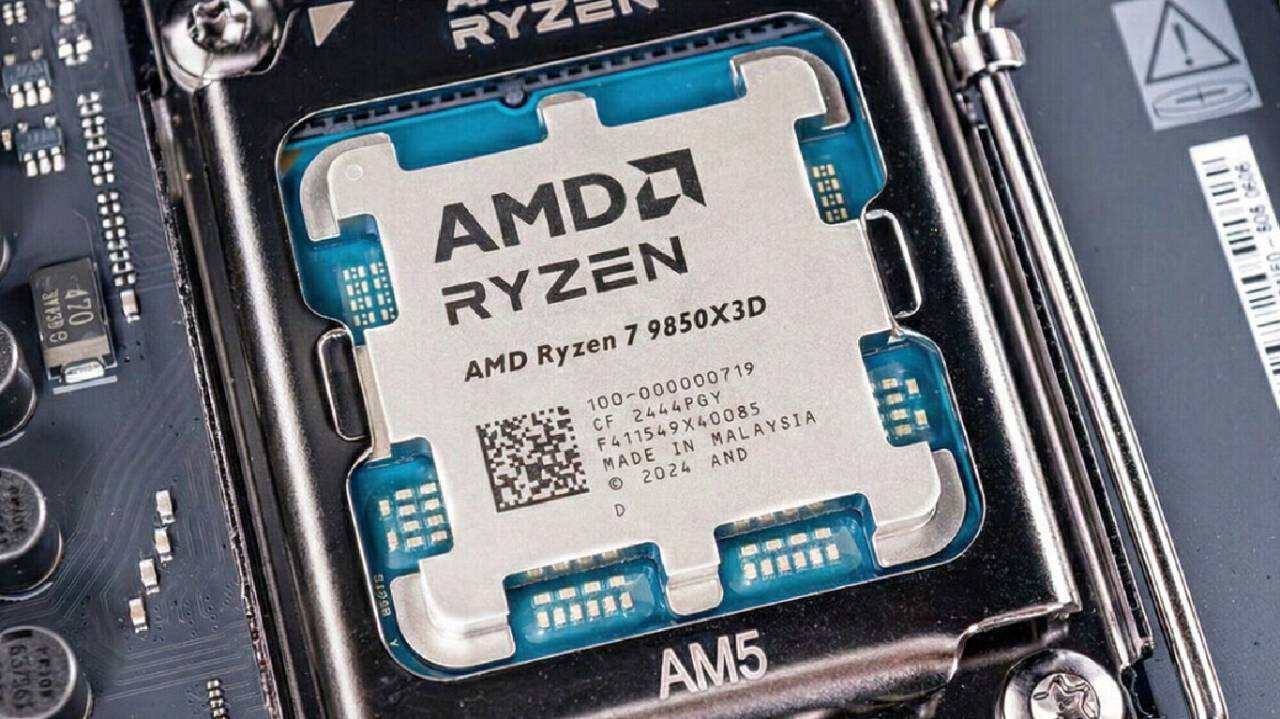
AMD's own tests show that the 9850X3D performs up to 27% better in games than Intel's Core 285 K. 9800X3D, which was already 24% faster than the identical Intel processor, is around 3% faster than the 9800X3D. This improvement is very similar to the small increase in clock frequency. If you're considering getting a new computer, choose the 9850X3D over the 9800X3D. It may give you a small performance boost without any other major changes.
There was additional talk about the suspected Ryzen 9950X3D2.
Sources in the industry said the processor was an internal engineering prototype, not a finished product intended for sale to the public. AMD hasn't officially canceled the CPU, but there's been no word on when it will be available to the public.
Alleged benchmarks showing strong performance in the past raised hopes for a launch. However, talking to people in the industry shows that there hasn't been any current work on planning production or release. From a gaming perspective, the dual-VCache design may not be very helpful. Still, it could be useful for tasks like virtualization and content development. A design like this could still appear on a future Zen6 or next-generation Ryzen platform.
AMD confirmed several technical facts about Zen6, such as the configurations for VeniceX and the normal Venice variants. VeniceX is designed for high-performance computing and features 8 Zen 6C CCDs, each with 32 cores, for up to 256 cores and 512 threads, with about 1GB of L3 cache. It also has 3DVCache to handle heavy computing tasks.
The usual Venice setup has 16 Zen6 CCDs, each with 12 cores. This adds up to 192 cores and 768MB of L3 cache. When the cache is split evenly, each CCD gets 48MB, which aligns with long-standing speculation about the next generation of desktop Ryzen processors, sometimes called Medusa. The jump from 8 to 12 cores per CCD should improve multithreaded performance and better meet the needs of future software, such as next-generation game engines and workloads driven by consoles.
Along with upgrades to its multi-frame generation technology, Nvidia also unveiled DLSS 4.5. DLSS4.5 works with RTX 20 through RTX 50 GPUs, but performance costs vary by hardware. The update makes the image more stable over time, reduces ghosting, improves anti-aliasing, and enhances overall image quality.
RTX 50 GPUs can now generate up to 6x more frames, whereas RTX 40 GPUs can only generate 2x more frames. A new targeting technique enables frame generation to adapt to the display's refresh rate. This makes the frame pace and motion clearer. Early testing shows that performance improves, but latency increases too, especially on older RTX cards. These results are based on drivers that were made available before the product was offered to the public. The full rollout is planned to happen later this year.
You may already have turned on DLSS4.5 by going to the Nvidia App, choosing beta and experimental features, then installing the newest drivers. Users can switch DLSS models and choose newer presets, such as ModelM. The newer transformer-based models slow down and cost more to run on GPUs like the RTX 3080, especially at 4K resolutions.
Compared to older DLSS models, memory usage and per-frame latency increase significantly. DLSS4.5 works better on newer cards since the tensor hardware is better, hence the penalties are lower on RTX 40 and RTX 50 GPUs.
NVIDIA also released Pulsar displays, starting with a 27-inch 1440p 360Hz screen that is supposed to make motion appear clearer at up to 1000Hz. These screens are mostly meant for people who play competitive games. The focus is on motion performance, though some users who prefer higher resolutions or larger screens for gaming and work may not like the format as much.
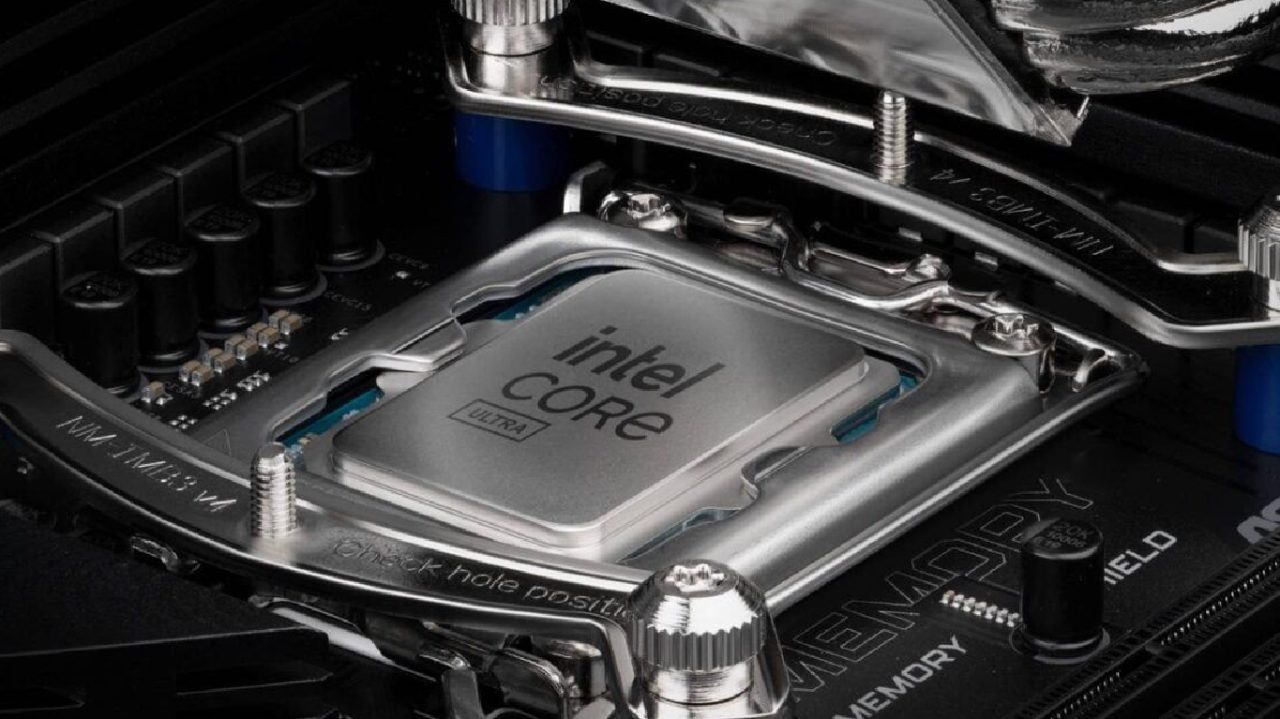
Intel didn't say anything about Nova Lake or a new version of Arrow Lake at CES, which was surprising given the reports. But Panther Lake was confirmed, and early evidence suggested it would be a good thing. Xe3 graphics are likely to feature on the platform, and performance improvements should help Intel stay competitive in future product cycles.
All of the big companies at CES had a typical focus on AI.
Ryzen 9 9850X3D was AMD's most important gaming-related announcement. The DLSS 4.5 upgrade from Nvidia improves graphics on all RTX cards, even for people who don't care about multi-frame generation. It was surprising that Intel didn't release any new desktop CPUs in the near future, but Panther Lake suggests that things will get better.
Overall, the event didn't change any trends; it just reaffirmed them. For example, CPUs are improving, upscaling technology is advancing, and AI-driven features are still attracting a lot of attention.
Editor, NoobFeed
Related News
No Data.