
Crimson Desert is Chaos by Design
Part fantasy, part steampunk, part fever dream, the "everything game" might finally have found its rhythm.
News by Zahra Morshed on Nov 10, 2025
Crimson Desert is an open-world epic made up of sky islands, clockwork titans, elemental chain reactions, and arena-level boss fights. It has worn the "everything game" title like armor. After years of hints, a better silhouette is starting to show. Under the show is a more traditional structure, with regions, towns, and outposts spread out across a world that was made for exploration. It's not strange that the title says that. In fact, it might make a lot of sense.
Pearl Abyss shows the world as a mix of different times and styles, not just one. There is a lot of overlap between medieval citadels, steampunk machines, and science fiction. This creates conflict that drives group politics and questlines. Some leaders are open to growth, while others are against it. The result is a variety that isn't just a gimmick. Quests can go from siegecraft to skyborne mischief without breaking the story.
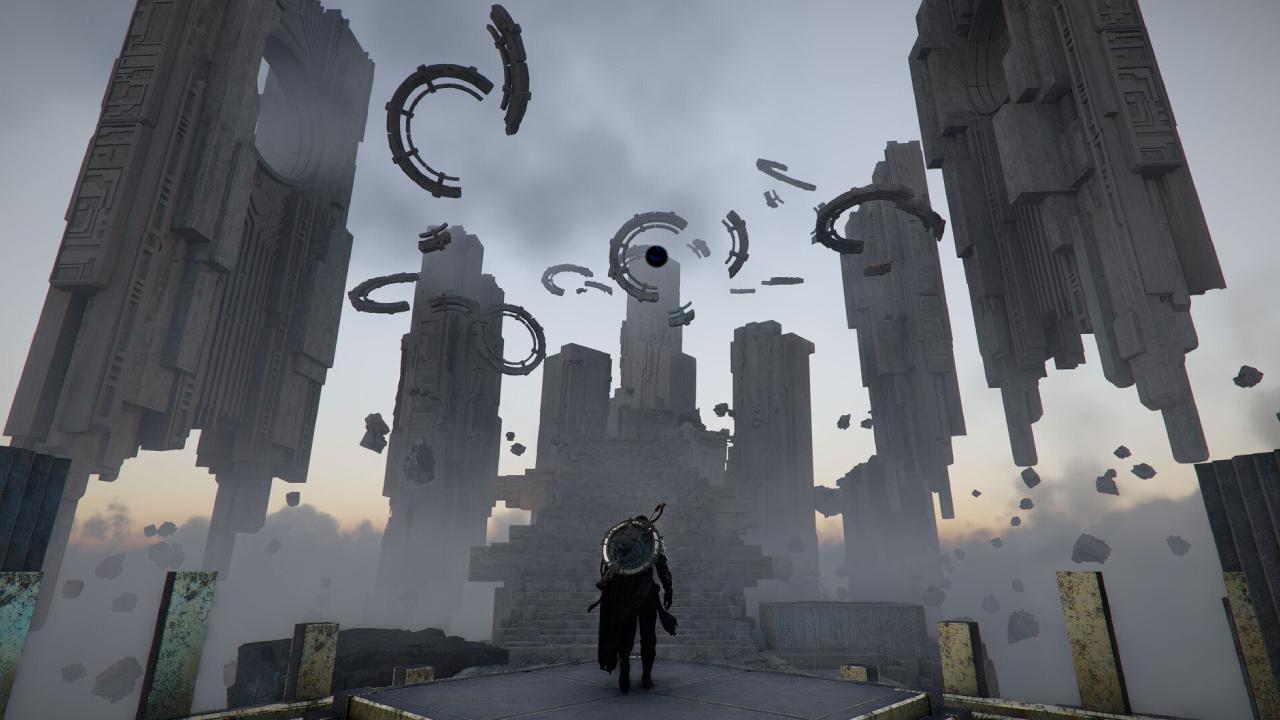
Extremes have been used to sell Combat, and for good reason. When you fight a boss, the system is at its sharpest, with punish windows, telegraphed patterns, and arena features that work like puzzles. This formula is shown by the mechanical dragon "Golden Star": environmental triggers set off EMP weapons, timing changes the phase, and payoffs hit perfectly.
Additional flexibility is added by status lines, grapples, and counter-fire, which encourage trying new things over doing things the same way over and over again.
An attack on a large scale tells a different story. When seen from far away, their clashing lines and artillery circles look impressive, but when seen up close, they risk becoming noise. Targeting can get off when there is a lot of pressure, and crowd control can make things hard to read sometimes. The best sequences add layers of choice, like signal volleys that change the view of the battlefield, stealth routes that get around bottlenecks, and tools that change the pace, moving chaos toward choreography. The campaign takes a break when those choices come up.
Traversal is meant to be motion in Crimson Desert, not just movement. There are a lot more mounts than just horses. Aerial and mechanical rides turn the map into a vertical show. A grappling line can be used in battle and for travel, letting players launch, flank, or make up their own moves. The size of the world encourages improvising first and planning later, pointing to a rhythm more like freeform adventure than checklist tiredness. The discovery doesn't feel like it happened by chance.
The rage is broken up by rhythm changes in puzzle play above the clouds. Artifacts and portals let you access abyss islands, which work like separate task rooms. Pathfinding grids, reactive tiles, and solutions that are led by equipment all use the loadout as a language. The early designs are meant to be easy to get into. The hope is that later islands will add more layers to the rules to make problems that are harder to solve, but don't stop progress.
There is a lot of side content in Crimson Desert, like bounties, caravans, camps, and faction tasks that go from being simple errands to full-on sieges. The studio is clear about what's at stake: these groups add to the world, not change the ending. This means that the value must come from story depth and unique gameplay, not from endings that can go in different directions. When done right, they become symbols of character, the reason why a place stays in your mind after the map icon is gone.
The question that hasn't been solved is what holds everything together. The main idea behind great open-world games like Mordor's enemies, Tsushima's skill-based exploration, and Red Dead's lived-in simulation is what ties all of their systems together.
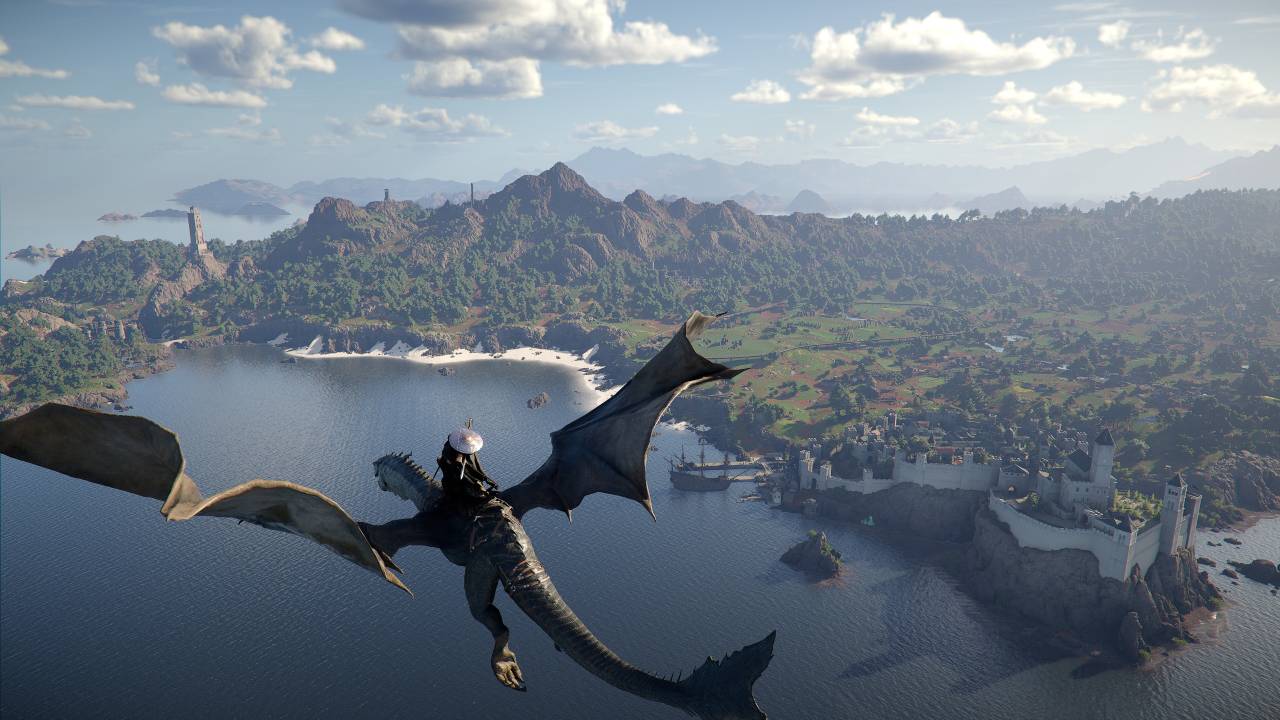
Crimson Desert already points the way to possible candidates: traversal that changes how you approach enemies, boss areas that combine problem-solving with combat, and a world where the tension between technology and tradition creates a constant drive. If those threads connect the map, something new becomes a mark.
What is certain is the purpose. This is an open world that wants to surprise players without leaving them stranded, put on dramatic set pieces without letting them lose control, and make tools feel like verbs instead of icons. Crimson Desert won't just be a "everything game" if Pearl Abyss sets the rhythm, quiet interest, sudden chaos, and well-earned relief. There will be a clear goal that makes everything work for the trip. That's where spectacle turns into memory.
Contributor, NoobFeed
Related News
No Data.