
Ghost of Yōtei Legends Ending Support Points Towards Live Service Gaming Issues
As more studios step away from expensive online projects, smaller multiplayer modes may be making a comeback.
News by Tahmid Mahi on May 17, 2026
The gaming industry has spent the better part of the last decade chasing the idea of the “forever game.” Publishers pushed heavily toward live service titles that could keep players engaged for years through constant updates and battle passes. The goal was to create games that players would return to daily, rather than move on after finishing.
But after several cancellations, failed launches, and ballooning development costs, it is starting to feel like parts of the industry are slowly backing away from that strategy. A recent update involving Ghost of Yōtei Legends added even more fuel to that discussion. Tuning in the audience to the discussion of the game.
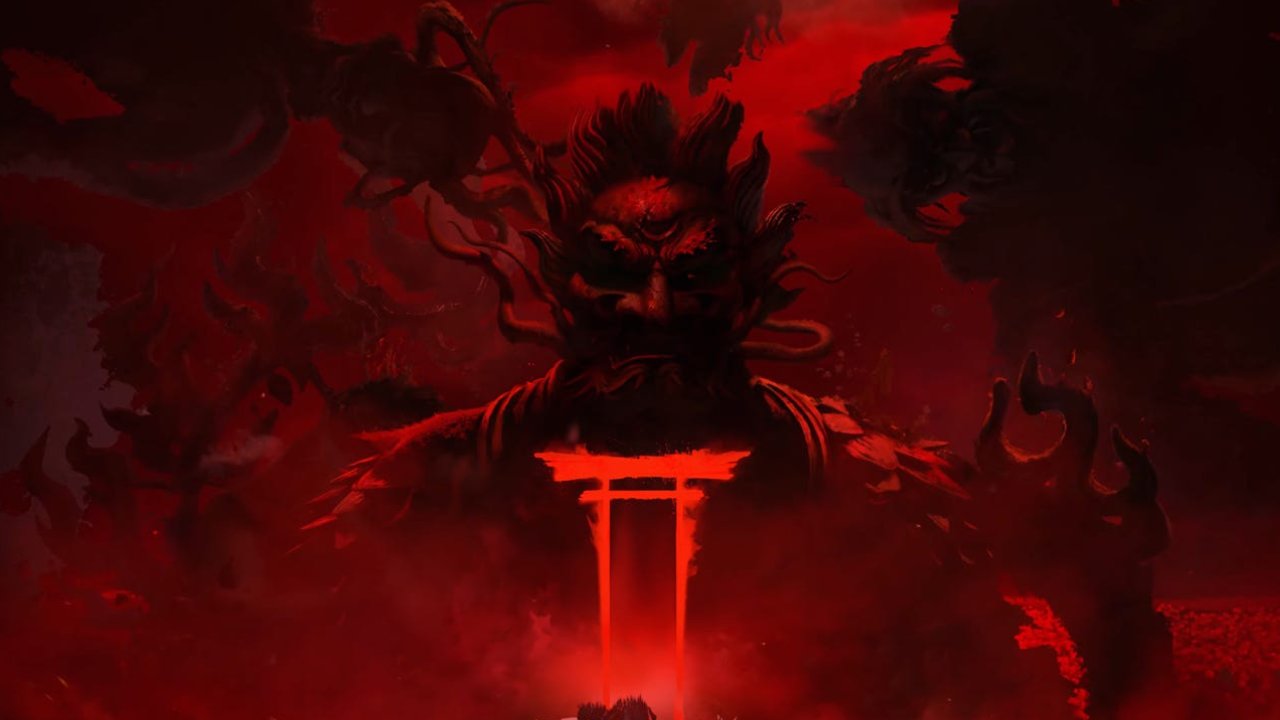
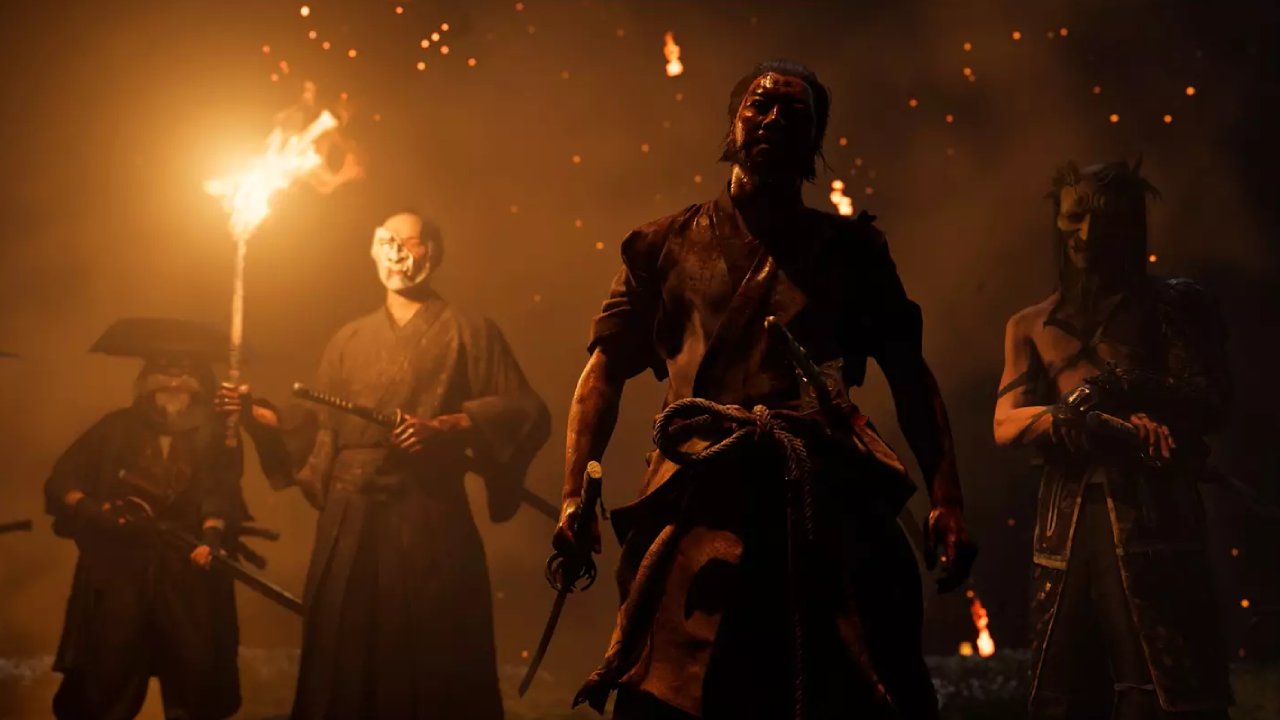
The multiplayer mode recently received what developers described as its final major planned update. Alongside the addition of a raid and new missions, the team confirmed that the story of the Yōtei Six had officially concluded within the mode. While bug support may continue when necessary, the studio made it clear that ongoing content updates are no longer part of the plan.
Most online games today are designed to continue indefinitely.
New seasons, limited-time events, cosmetics, and expansions are expected to arrive regularly, sometimes weekly. The idea of a multiplayer game simply ending after delivering its intended content almost feels unusual now. That expectation has become normal because so many major publishers spent years training audiences to expect endless support.
What makes Ghost of Yōtei Legends interesting is that it was never positioned as the main attraction. The core experience was always the single-player campaign, while multiplayer was a bonus feature that added extra value. Some players may view the phrase “tacked-on multiplayer” negatively.
Ghost of Yōtei Legends itself is actually fairly content-rich despite being treated as an additional mode. It includes missions, progression systems, and cooperative gameplay that go far beyond what many players would normally expect from a side feature. At the same time, it still has a clear ending point rather than becoming a never-ending live service platform.
During the Xbox, PS2, GameCube, Xbox 360, and PS3 eras, many games included multiplayer modes alongside their main campaigns without trying to dominate players’ lives forever. Some were simple competitive modes, while others explored distinctive creative ideas.
Splinter Cell’s Spy vs. Mercenary mode became legendary because it offered something unique compared to standard shooters. Assassin’s Creed, Uncharted 2, Mass Effect 3, The Darkness, and TimeSplitters also delivered multiplayer experiences that added replay value without requiring years of live support.
Even GoldenEye 007 famously added multiplayer late in development, despite originally being planned primarily as a single-player experience. That mode went on to become one of the defining multiplayer experiences of its generation. Back then, multiplayer additions often existed simply because developers thought they would be fun or because they added extra value to the package.
That older approach is becoming more relevant again as publishers face the realities of live service development.
SEGA recently confirmed that it canceled its long-running “Super Game” initiative after years of planning and research. The project was first introduced in 2019, during a period when Fortnite’s explosive popularity pushed many companies toward chasing large-scale online games. At the time, publishers believed live-service titles represented the future of gaming.
According to SEGA, the project aimed to become a major AAA online experience built around long-term growth. The company cited market competition, similar projects from competitors, and changing business conditions as reasons for halting development. It ultimately became too risky to continue investing at that scale.
In simple terms, SEGA looked at the modern live-service landscape and decided the risk may no longer be worth it. After seeing so many multiplayer projects fail, the company likely concluded that spending enormous amounts of money on another online-only title carried too much danger.
That concern is understandable given what has happened throughout the industry over the last few years. Sony aggressively pushed toward live service development during the PS5 generation, only to cancel several projects before they ever launched. The move has made many publishers rethink how far they should go with similar plans.
Reports connected the company to canceled multiplayer projects involving Twisted Metal, Spider-Man, God of War, and Bend Studio.
The most high-profile example was The Last of Us Online, which eventually collapsed under the pressure of needing constant long-term support. That project especially highlighted the problem many studios now face. Instead of creating a smaller multiplayer experience attached to The Last of Us Part II, the goal became building an ongoing service platform capable of lasting for years.
Supporting a game like that requires endless content production, constant updates, and dedicated live teams. Ghost of Yōtei Legends now feels like the complete opposite approach. Multiplayer is designed to improve the single-player experience, not to replace it. It offers additional content, replayability, and cooperative gameplay while still allowing the developers to eventually move on.
The financial risk attached to live service projects has become impossible to ignore. Some reports suggested SEGA’s canceled Super Game project carried a budget approaching hundreds of millions of dollars. If a live service game launches and fails to attract a stable audience, the damage can be enormous, both financially and creatively.
Even the successful live service games have to constantly find ways to keep people interested. Online communities constantly track player counts and engagement figures, turning every dip into a conversation about whether a game is “dying.” Developers find themselves caught in endless content loops, constantly pushing out updates to prevent attention from drifting.
People often bring up Bungie’s situation with Destiny 2 as an example of that challenge.
The studio spent years supporting Destiny 2 while also attempting to develop Marathon. Looking back, some players now believe Bungie may have been better off creating Destiny 3 instead of trying to endlessly extend the life of one platform. That constant balancing act has become one of the biggest problems facing modern live service studios.
.jpg)
At the same time, players themselves only have so much time to dedicate to online games. Every live service title competes for attention, and eventually, the market becomes overcrowded. Games such as Fortnite, Roblox, Minecraft, and Apex Legends already have massive slices of the online gaming audience.
That is why smaller multiplayer additions to single-player games may once again become more appealing. Instead of stretching campaigns artificially to justify higher prices, developers could create replayable multiplayer modes using existing assets, mechanics, and locations.
Some of those multiplayer modes would eventually lose players, but that is not necessarily a failure. Older multiplayer games often faded naturally as audiences moved on to other games. Perhaps it’s simply not realistic to expect every online title to live forever in this day and age.
As we approach the end of the PS5 and Xbox Series generations, many publishers seem to be reflecting on what matters to them. Ultimately, studios known for narrative-heavy single-player experiences may be better off with smaller multiplayer experiments than with giant live-service commitments.
Ghost of Yōtei Legends may not be the future of multiplayer gaming as a whole, but it does prove that there are alternatives to the never-ending live service model that has been dominating the industry for years. It shows that multiplayer can still exist in a more contained, finished form without needing constant updates or long-term seasonal systems.
Editor, NoobFeed
Related News
No Data.