
Intel Xe3P 'Celestial' Drops Gaming GPUs, Shifts Focus to AI and iGPUs in Leaked Roadmap
Xe3P and Xe4 architectures signal Intel's retreat from gaming GPUs as resources shift toward high-margin AI and compute-focused silicon.
News by Tanvir Kabbo on Apr 26, 2026
Intel's Arc GPUs were introduced as the third major player in the GPU market, joining NVIDIA and AMD's duopoly. The idea of a third player was good news for PC gamers, especially those struggling with high prices and low supply. Intel's possible entry into the industry could cause a shake-up, bringing better value and faster innovation to the middle market.
But new revelations regarding Intel's plans for Xe graphics processing units (GPUs) over the next three years suggest a more complicated situation. Instead of strengthening its position in gaming GPUs, Intel seems to be focusing on speeding up AI and integrated graphics. The change suggests that the corporation is shifting its attention from gamers to the growing market for AI gear.
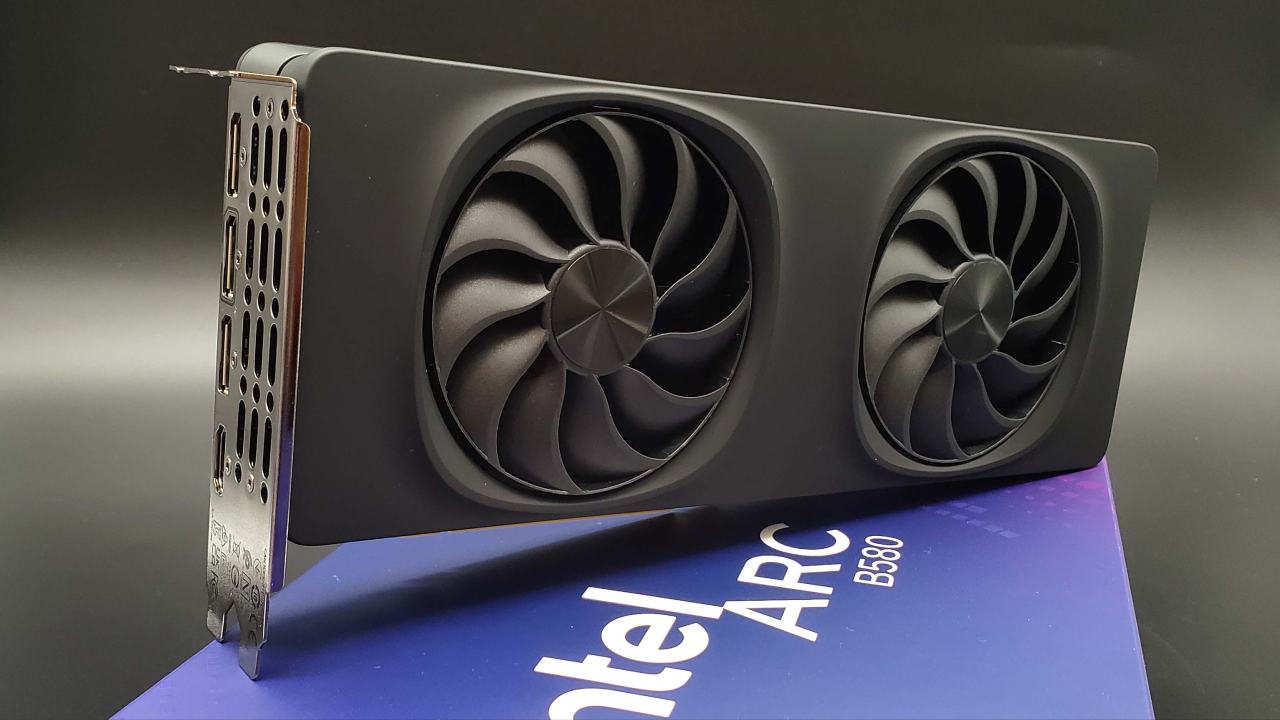
2016 generation, based on Xe3P (Celestial), marks the first major shift in Intel's graphics strategy.
At the consumer level, Intel is focusing on its integrated graphics through the next generation of processors (Nova Lake). These are likely to include iGPUs with up to 12 Xe cores, a big step up that will rival AMD's ever-more-powerful desktop APUs. This announcement suggests that Intel believes the low-end GPU market could be better addressed by high-end integrated graphics, rather than low-end discrete GPUs.
That could be a good thing for casual gamers and small-form-factor PC builders, as it provides acceptable performance without the need for a discrete GPU. But the more interesting story is what's not happening. The Xe3P architecture is not planning any discrete GPUs for gaming. Rather, Intel is turning its focus to the "Crescent Island" family of discrete GPUs, which are targeted at AI and workstation applications.
These GPUs will feature LPDDR5X memory and are engineered for compute-intensive workloads, rather than gaming. This leaves Intel out of the gaming GPU mix for a generation. Looking further ahead in 2027, Xe4 (Druid) further cements Intel's move away from gaming. It will be used in the Titan Lake CPU platform and in the "Jaguar Shores" AI accelerator.
This product makes it clear what Intel's goals are for future high-performance computing. It is said that Jaguar Shores uses Intel's cutting-edge 18A process technology and HBM4 memory to become a strong competitor in the AI training and data center markets. These specifications don't align with consumer needs in graphics computing; instead, they indicate a commitment to enterprise-level performance, where margins are much fatter, and growth is strong.
What is not clear, and increasingly worrying for gamers, is whether Intel will have discrete gaming GPUs in the future.
The Xe4 are uninformative on that front. There's no confirmation or specification of discrete gaming GPUs; a degree of uncertainty that effectively excludes Intel from future gaming GPU conversations for gamers and PC enthusiasts. The Intel roadmap is even less clear after 2027, when there is a "placeholder" architecture named "Xe-Next." It is touted as a successor to Xe4, but there are few details on what it can do, what markets it will target, or which products will be released.
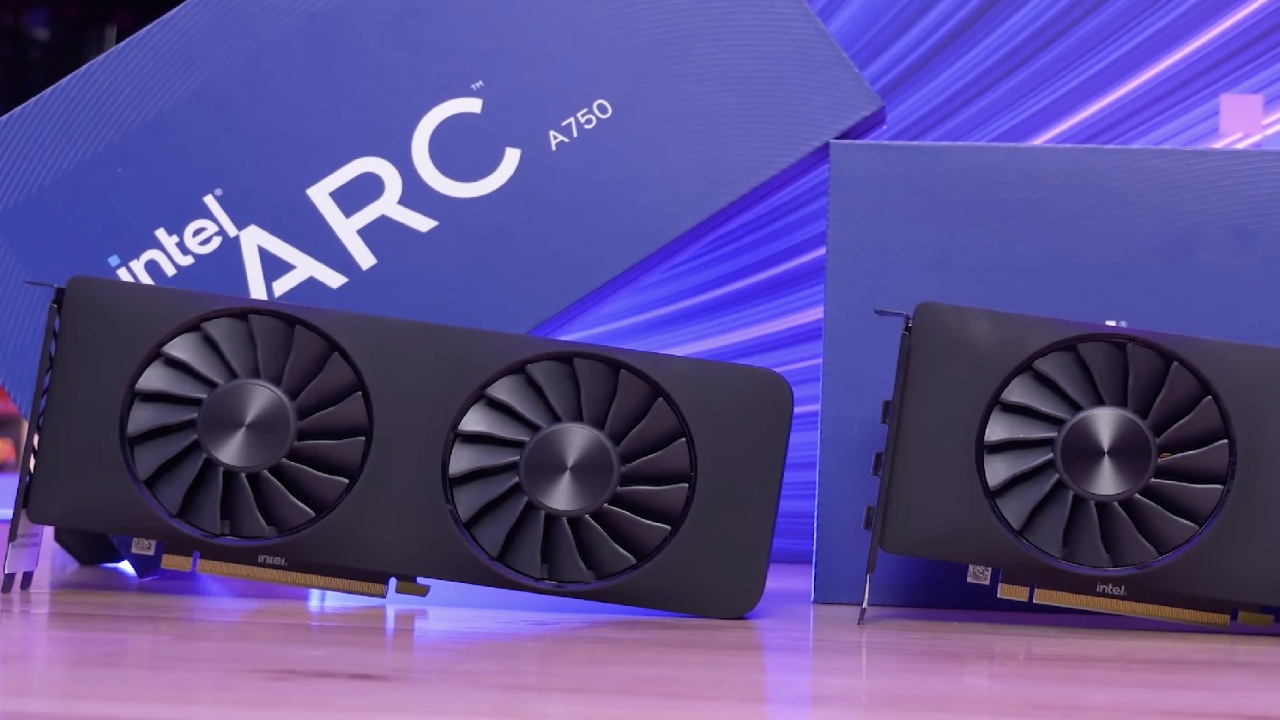
Adding to this confusion is Intel's ever-changing naming convention. The use of codenames and architecture names like Battlemage and Celestial (which transitions into Xe3P) has only added to the confusion. This makes partners, developers, and end users less likely to trust Intel's GPU future. In a gaming industry where the ability to predict the future is often the key to ecosystem buy-in, Intel's confusing messaging could be as much of a curse as its new strategy.
Intel's leaked Xe roadmap shows the company making a strategic move to focus on AI.
It makes sense from an investment perspective. AI accelerators are more profitable, have stronger enterprise market demand, and a more stable growth outlook than consumer GPUs. The loss of Intel from the discrete gaming GPU market, whether short- or long-term, reduces competition between NVIDIA and AMD. This constrains price reductions and innovation in areas critical to the mass-market PC.
While improved integrated graphics may cushion the impact at the low end, they can't fill the gap left by discrete GPUs at the mid- and high-end. Intel's absence, if only temporary, is a hole in the market that gamers were hoping it would fill. For the time being, the Arc dream is on pause, replaced with an AI-driven future in which gaming AI replaces the gaming frame rate.
Senior Editor, NoobFeed
Related News
No Data.