
Mewgenics is Getting a Lot of Attention as Voice Cameos Caused an Online Firestorm
The independent hit by Edmund McMillen is at the top of the charts, but there is an argument about contributors who are causing a clash of cultures in the game.
News by M. Hasan on Feb 15, 2026
An online game where you breed cartoon cats seems to be the cause of one of the biggest changes in culture on the web. With help from Edmund McMillen, who worked on "The Binding of Isaac," the long-awaited indie game "Mewgenics" came out to great reviews and sales. Fans of the game used to enjoy its popularity, but now it's become a place where people fight about politics, internet activism, and the freedom to be creative.
It is said that the strange roguelike game Mewgenics, about genetically different cats working their way through crazy situations, made back the eight years it took to make in just a few hours after it came out. A lot of people joined very quickly. Many more people logged in every day for a week. On the first day, tens of thousands of people did so.
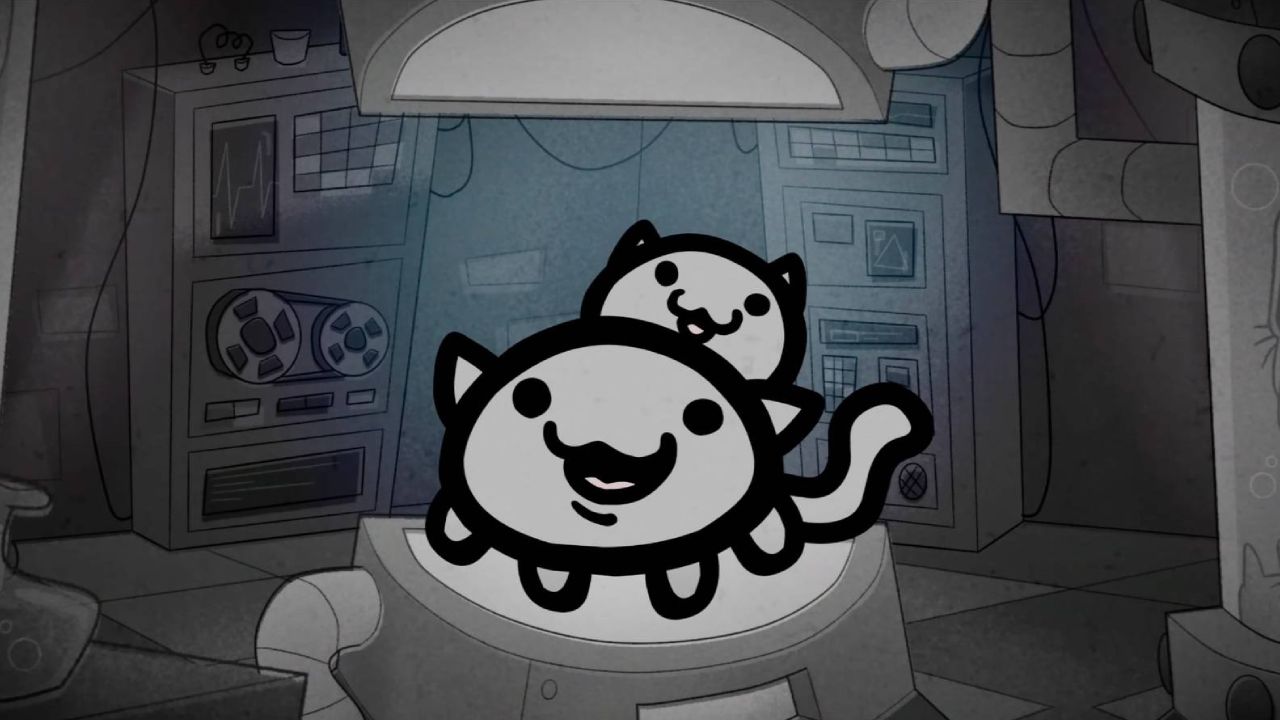
At the time the game first came out, there were about 77,000 regular players. Soon after, that number quickly rose to nearly 90,000. If this is true, it means that interest—and maybe even controversy—was gaining rather than losing attention.
So what's the big deal about an independent cat-themed game that's not about how it plays?
The argument is about speech acting that only shows up in small roles in the game. Mewgenics doesn't use normal cat sounds. Instead, they use "meows" made by famous people on the internet. Ethan and Hila Klein of H3H3 Productions, Chris Chan, who is well-known on the web, and other artists who have caused arguments in different parts of the web are among them.
Some people online didn't like how some writers were chosen because of their political views, especially when it came to the conflict between Israel and Palestine. Some users were mad when they saw the cameo credits because hearing certain sounds made them not enjoy the game as much. It is said that one review lost points not because of issues with the game's technology or mechanics, but because some writers didn't like what other people said about it in public.
In direct response to the criticism, McMillen said that many of the guest tracks were made years ago, when the game was still being made. He said the appearances were meant to include a range of well-known internet voices and not to support a certain political view. He is said to have said that having a lot of different kinds of people take part was important for the artistic experiment and that the project would not have been as open-ended if it had only been people who agreed with him.
It's interesting that some of the donors who were called out have been in public fights before. McMillen made sure that everyone who worked on the project felt good about it. That proves the cameos were just for fun and not to make political points.
Most of the time, though, internet conversations won't stay funny.
A lot of people got angry on social media very quickly. Some called for boycotts, while others defended the developer's artistic choices. A lot of people said it was like other gaming problems, like the fuss over Hogwarts Legacy, where people tried to stop buying games with Harry Potter themes.
The numbers, on the other hand, seem to say something different. Some people say that Mewgenics not only kept going after it came out, but it also became more well-known despite calls to stop. People who watched said that similar boycotts in the past had not been able to turn the anger on the Internet into real sales drops. It looks like players' interest went up in this case instead of down.
People say that McMillen told a joke to critics to make the case more complex. People could get rid of a cat in the game if they didn't like a certain voice part, he said. This showed that the experience is made up and can be changed. Many people shared the comment, which was seen as proof that the person who made it doesn't plan to change his mind about the things he's made.
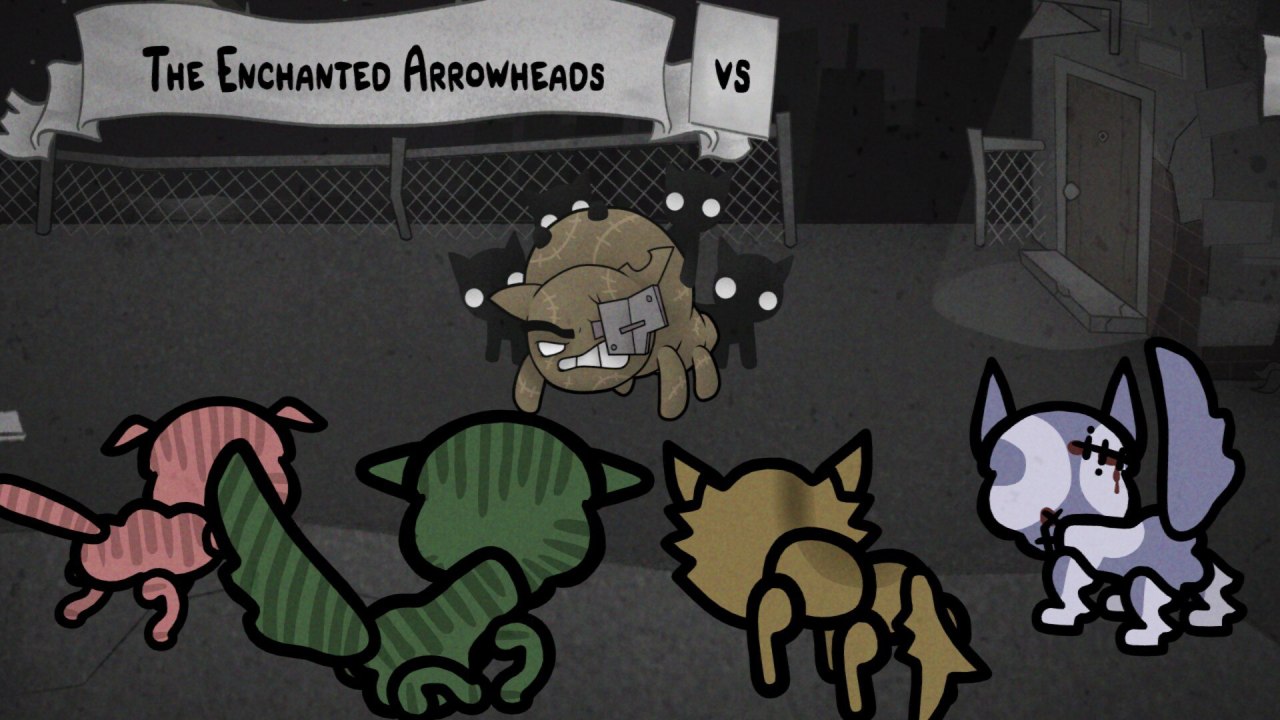
Should a person be in charge of what the whole team thinks?
Is it possible for a crazy cat-themed roguelike game to stay crazy? Or does every piece of modern culture have to be connected to a bigger moral problem? Some players believe games should be safe spaces where people can forget about politics in real life. Others say that choices about platforms and image always have weight, especially in this digital age where everything is so connected.
Because the tone and theme are so different, over-the-top ways to breed cats, random fights, and crazy humor make the game pretty silly. Still, the conversation has turned more serious, like when people talk about politics instead of cute pets. The business picture looks good, even with all the noise. With early money gains and steady player growth, it looks like the debate may have brought attention to the issue instead of making it worse.
People who work in the industry say that outrage cycles often shine a light on a game, making people interested in it who might not have heard about it otherwise. But McMillen's point of view seems strong at the same time. He has said many times that the guest cast of the game shows how the different kinds of internet culture have affected him over the years. He hasn't said that he wants to change the donors or honors.
In the end, Mewgens is a big moral problem as well as a big business deal.
It shows how jokey projects can get tangled up in the bigger fights that happen in online groups these days. Some people see it as proof of how strong individual artists are. Some people see it as a warning that in the digital world, art and speech are rarely kept separate.
Talking in real life doesn't seem to be slowing down, even though cats on TV keep fighting and having kittens. What do you think? Will the argument end as quickly as it began, or is Mewgenics just the latest example of how culture wars can't stay out of video games these days?
Editor, NoobFeed
Related News
No Data.