
New Intel CPUs Impress While AMD Prepares 9950X3D2
Intel launches competitively priced Core Ultra processors while AMD counters with high core count Ryzen announcement amid rising hardware costs.
News by Nahe Yan on Mar 30, 2026
This week, the world watched attentively as Intel released two new CPUs to try to rebuild faith in its CPU portfolio after years of criticism and mistakes. The $200 Core Ultra 5 250K Plus and the $300 Core Ultra 7 270K Plus found a good mix between price, performance, and position.
People who wrote reviews said they were "good" and "not a waste of sand." Even so, other factors still affected the launch, such as AMD's counter-announcement and rising DDR5 memory prices. The overall situation shows that there are still problems in the PC hardware market in 2026.
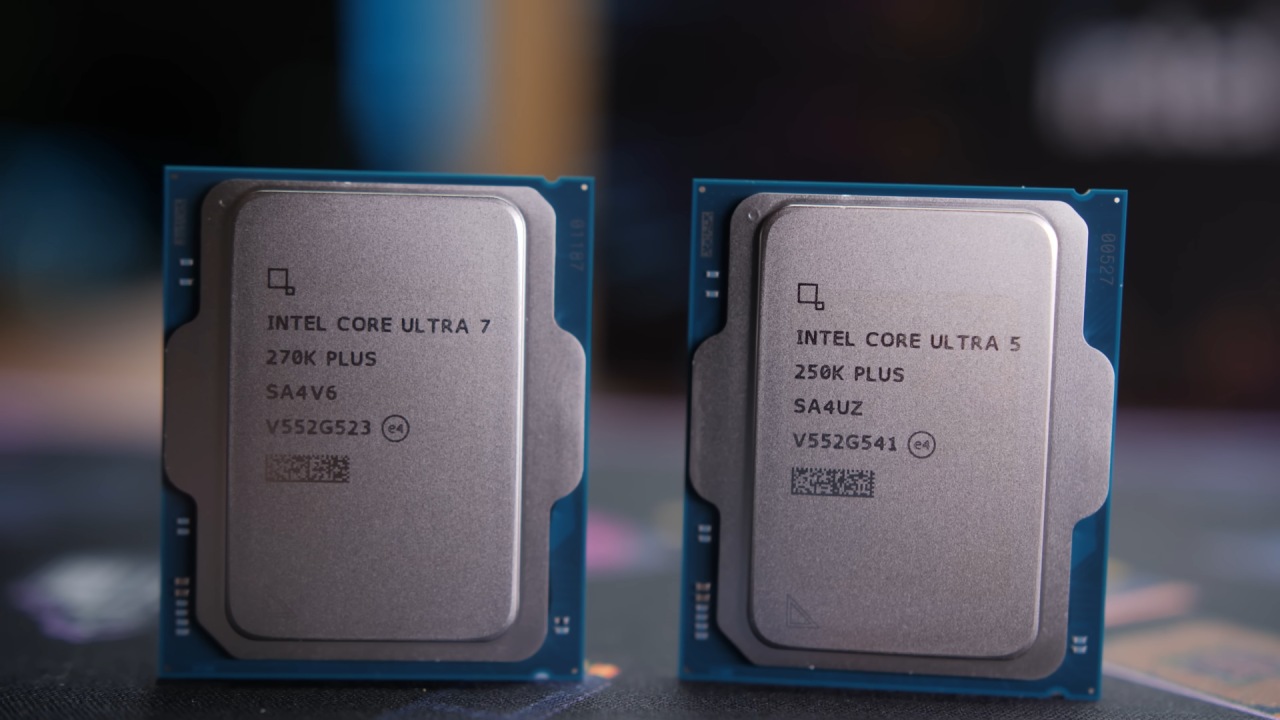
Over the past ten years, the CPU market has changed, with AMD and Intel switching places. Intel is currently making affordable processors, such as the 250K Plus and 270K Plus. There is no high-end Halo-tier SKU like a KS-branded processor this time, unlike past launches. Intel said there will not be a Core Ultra 9 290K Plus, even though there had been speculation about it beforehand.
AMD has released the Ryzen 9 9950X3D2 dual edition to fill this gap. This processor has two 8-core 3D V-Cache dies, which give it 16 cores, 32 threads, and 192MB of L3 cache, for a total of 208MB. The TDP is 200W, while the boost clocks range from 5.7GHz to 5.6GHz.
AMD says that workstation tasks will be 5% to 13% faster.
But game performance is still up in the air due to possible die-to-die delays. Closer to its launch on April 22, further information, including prices, is expected.
After Intel released its new CPUs, many competing products have dropped their prices. Ryzen 9600X costs $178, and the 9900X3D costs $450, which is comparable to the 9800X3D's MSRP of $420. The price of the 7800X3D has dropped to $364, which is the lowest it has been since December. Ryzen 9900X costs $315, which is close to the price of Intel's 270K Plus.
There was also a limited-time deal that included a free Core Ultra 9 285K with a 64GB DDR5-6000 kit, priced at $885. This bargain is no longer valid. Instead, there is a software bundle. These price adjustments make the $200-$300 CPU market more competitive.
Earlier this week, the review embargo on the 250K Plus and 270K Plus was removed, and the reviews were mostly good. Core Ultra 5 250K scored 87 out of 100, and critics noted that both the price and performance had improved.
Adding four more E-cores to each CPU increased productivity. 270K Plus is generally better at productivity activities than CPUs with more cores, and the 250K Plus is almost as good as 12-core processors but costs less. 270K Plus also does better in games than the 14900K. AMD's X3D processors, on the other hand, still have the best gaming performance, although they usually cost more.
LGA1954 will replace LGA1851 in the next version of Nova Lake.
This will make future updates harder. Prices for DDR5 memory remain a major problem; a 32GB kit costs more than $400. The higher-end memory combinations cost more than the CPUs themselves, which makes building a system more expensive overall.
Distributors and OEMs can also expect AMD to boost CPU prices by 15%. Due to processing and shipping delays, these modifications may not appear in stores for 8 to 12 weeks.
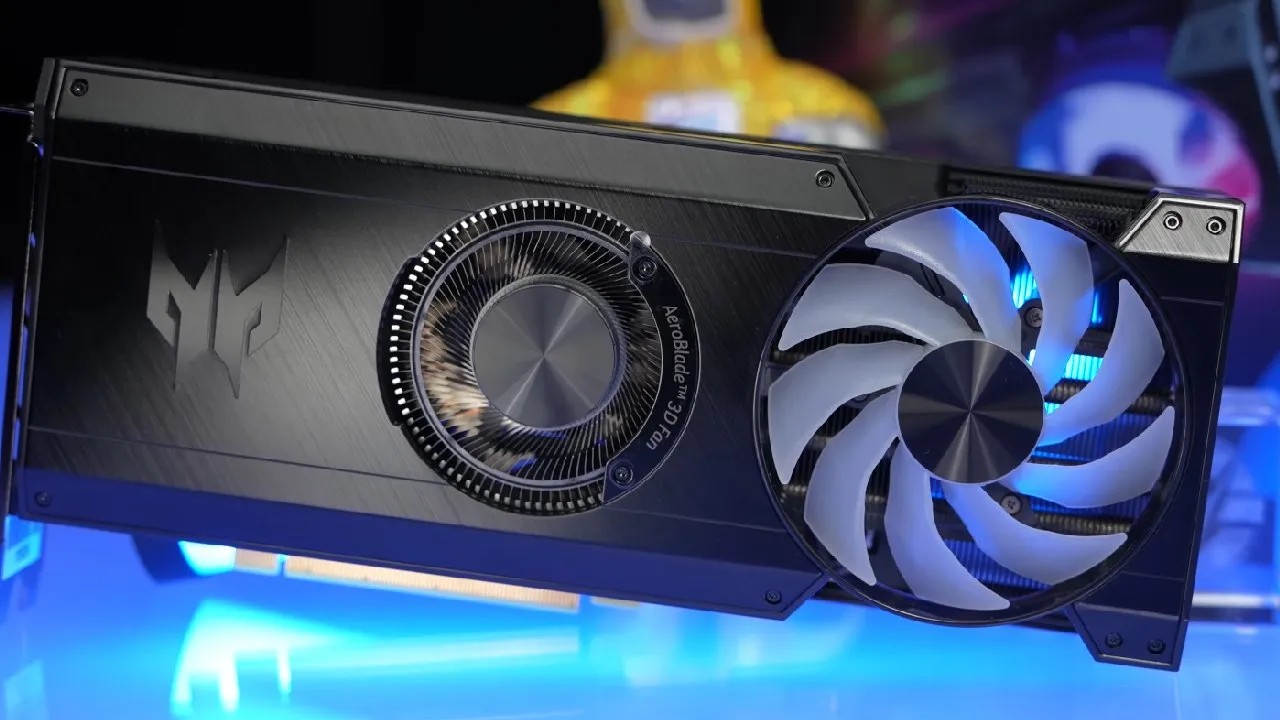
Based on the Battle Mage architecture, Intel has released two new Arc Pro workstation GPUs, the B65 and B70. These GPUs have 32GB of GDDR6 memory and are meant for workstations and AI tasks, not for gaming. B70 costs about $950.
Intel is said to be raising CPU prices by 10%, while ASUS has said that, in some areas, PC prices will go up by 25% to 30%.
B70 is 40-50% faster than B60 in gaming benchmarks. B60 works much the same as the Arc A770, but it's a little slower than the B580. These GPUs are meant for professional use, not for gaming by regular people.
A new rule says that routers made in the United States must be manufactured there to be marketed in certain markets. This applies only to new devices, not to routers already in use. However, the policy is hard to follow because there isn't enough manufacturing infrastructure in the US, and there are still global shortages of parts, including memory chips needed to make routers.
The CPU industry is still changing. Intel and AMD are changing their strategies, competition is getting tougher in the mid-range, and there are still supply and pricing issues. Intel's newest CPUs have raised people's perceptions of them. Still, other factors, such as memory prices and anticipated platform changes, also affect buying decisions.
Editor, NoobFeed
Related News
No Data.