
RAM Prices Finally Show Signs of Relief as AI Shake-Up Hits the Market
Micron stock drop and Google’s new compression breakthrough spark cautious optimism for cheaper gaming hardware and next-gen systems.
News by Wasbir Sadat on Mar 30, 2026
Hardware costs have been steadily going up over the past year, which has been especially hard for gamers and PC fans. The price of consoles, graphics cards, and especially DRAM has gone through the roof, making it very expensive to get into current games. Flagship systems like the PlayStation 5 and Xbox Series machines, which are still selling for more than $600 even though they are in their sixth year, have made people even more worried that something is seriously wrong with the market.
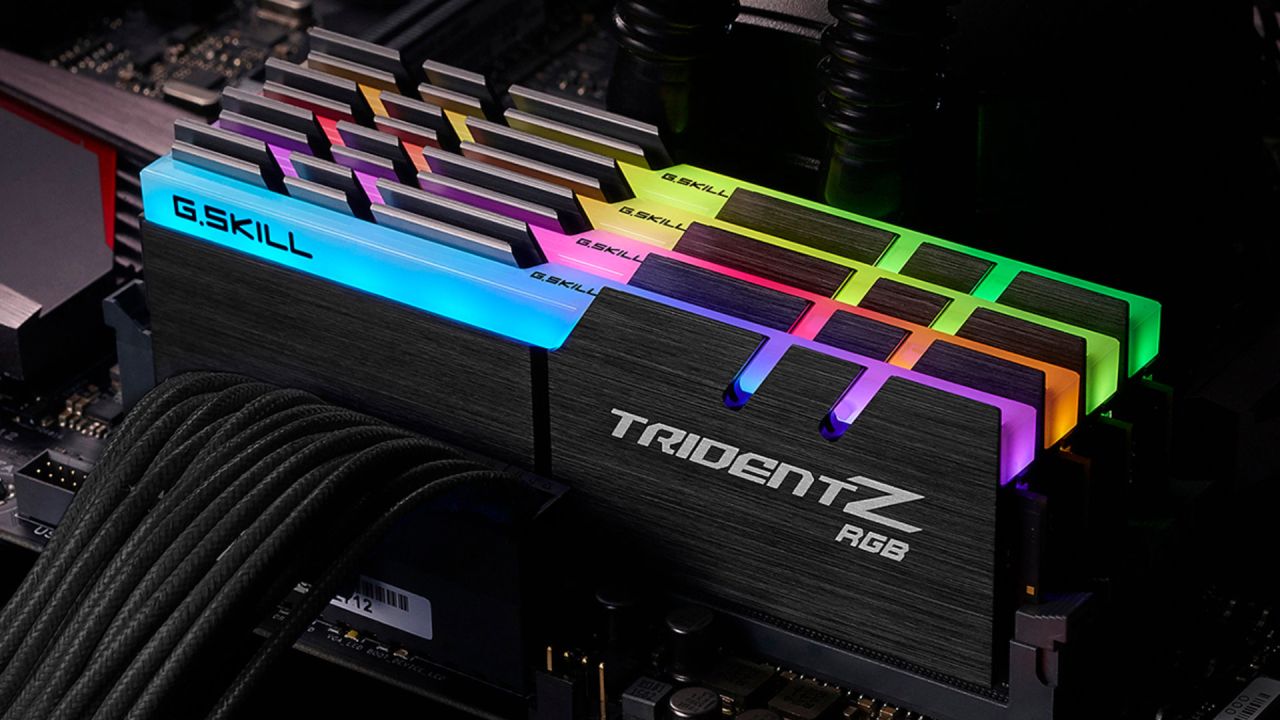
Memory prices have been going up, especially DDR5 RAM, which is still expensive even though it's been on the market long enough for prices to be more fair. For many people, upgrading their system or making a new PC has turned into a game of waiting, with their hopes set on sales that rarely come through.
.jpg)
People are starting to pay attention to a noticeable drop in the price of DDR5.
This is a rare sign of hope in a market that is otherwise very expensive. Even though prices are still not low, the fact that they are going down is enough to make buyers cautiously optimistic. They are used to seeing prices go up, not down.
Tracking information shows that 32GB DDR5 kits, which used to cost more than $400, are now more or less $380. That's still a lot more than what most people think is fair, but the change is clear. In the past week, the price of DDR5 has dropped by about 2%. In the past month, it has dropped by about 3.2%. Even though these small changes may not seem like much, they are a big change from the high rises seen in the past few months.
Micron, one of the world's biggest DRAM makers, recently saw its stock value drop quickly. This seems to have had a big effect on how the market has been acting lately. In just a few days, the stock of the company dropped by about 15%, wiping out profits made over several months. The sharp drop has made people in the tech business look twice, even though the long-term trend is still up.
A surprising factor that many experts and investors have pointed to is a new AI compression method called TurboQuant. Because of this change, some people think that the need for a lot of RAM might go down a lot, especially for AI tasks.
The TurboQuant algorithm, which is meant to make the best use of memory in big language models, says it can cut the amount of memory needed by as much as six times. If this works in the real world, it could completely change how much DRAM is needed to run powerful AI systems, which could lower the demand that has been driving up prices.
It is well known that large language models, especially those that run locally, need a lot of memory.
People who are interested in working with AI often use systems with 64GB or more RAM, with large chunks of that memory being used only for model caching. By making TurboQuant's memory footprint smaller, it might be possible to get the same or better speed from a lot less hardware. Not only would this help developers, but it could also lower the costs of technology for businesses that run large-scale AI services.
But there is still doubt. TurboQuant is still mostly in the study stages, like many other new AI technologies. Early results look good, but it will take time for the system to be widely used and integrated into real-world systems. There is also a chance that any improvements in speed will only be used to make AI smarter, not to lower the hardware needs.
This means that developers might not need less RAM, but instead use the extra power to run models that are even bigger and more complicated.
The sharp drop in Micron's stock shows how emotional and quick to react the market can be, especially when it comes to AI. There have been times in the past when early demonstrations of new technologies caused sudden drops in stocks in related businesses. However, stocks quickly recovered after the initial excitement died down.
More and more people think that the current dip might only last for a short time. Many people think that the demand for AI will continue to grow, which means that memory makers could quickly get back on track. In the end, AI systems, data centers, and high-performance computers are still becoming more and more important.
At the same time, people are starting to change how they behave. Because prices keep going up, a lot of buyers have decided not to update at all. Together, this drop in demand and the amount of supply that is already there may also be causing prices to slightly ease up right now. In the long term, these changes could have big effects on the next wave of gaming hardware. If the price of memory stays the same or goes down, companies making new systems may be able to keep prices from going up even more.
There is even some guarded hope that future systems, like a possible PlayStation 6 or new Xbox platforms, might not have to cost as much as the ones we have now. Costs may be kept down with the help of large-scale contracts for DRAM and more efficient AI and software systems.
The road ahead is still not clear. Many people still think that the price of DDR5 should be less than double what it is now. For example, 32GB kits should cost about $140 instead of almost $400. It will take time and probably a mix of better technology, market changes, and changes in demand to close that gap.
In addition to price, the main topic of talk is now efficiency.
In the early stages of AI research, huge amounts of hardware were needed, and data centers grew quickly. The next stage may focus more on optimization. As compression gets better, algorithms get smarter, and system design gets better, extreme processing setups might become less necessary over time. Over time, this could make strong AI tools available on less powerful devices, getting rid of the need for expensive, specialized systems with lots of memory.
But for now, that future is still a few years away. The industry is still in a transitional phase, balancing fast innovation with the facts of cost and scalability. Breakthroughs like TurboQuant show what is possible. For now, a small drop in the price of RAM is enough to make people feel better. After a long time of prices going up, the thought of goods becoming cheaper again seems almost strange.
Contributor, NoobFeed
Related News
No Data.