
RDNA 4 GPU Price Increases Expected in Early 2026 Due to Memory Supply Pressure
RDNA 4 graphics cards are facing renewed price pressure as memory availability tightens across the supply chain.
News by Mitsuba Miyu on Dec 21, 2025
In early 2026, the prices of RDNA 4 GPUs are likely to go up a lot because there isn't enough memory, and the cost is a concern. It now seems too hopeful to expect small increases, and new information suggests that most of the RDNA 4 lineup will see much bigger increases.
The final in-store prices haven't been set yet, but the cost board partners are telling shops they expect prices to be higher when they first come out. In earlier talks, estimates of how much prices would increase were around 10%. Those numbers were based on early supply estimates that proved wrong.
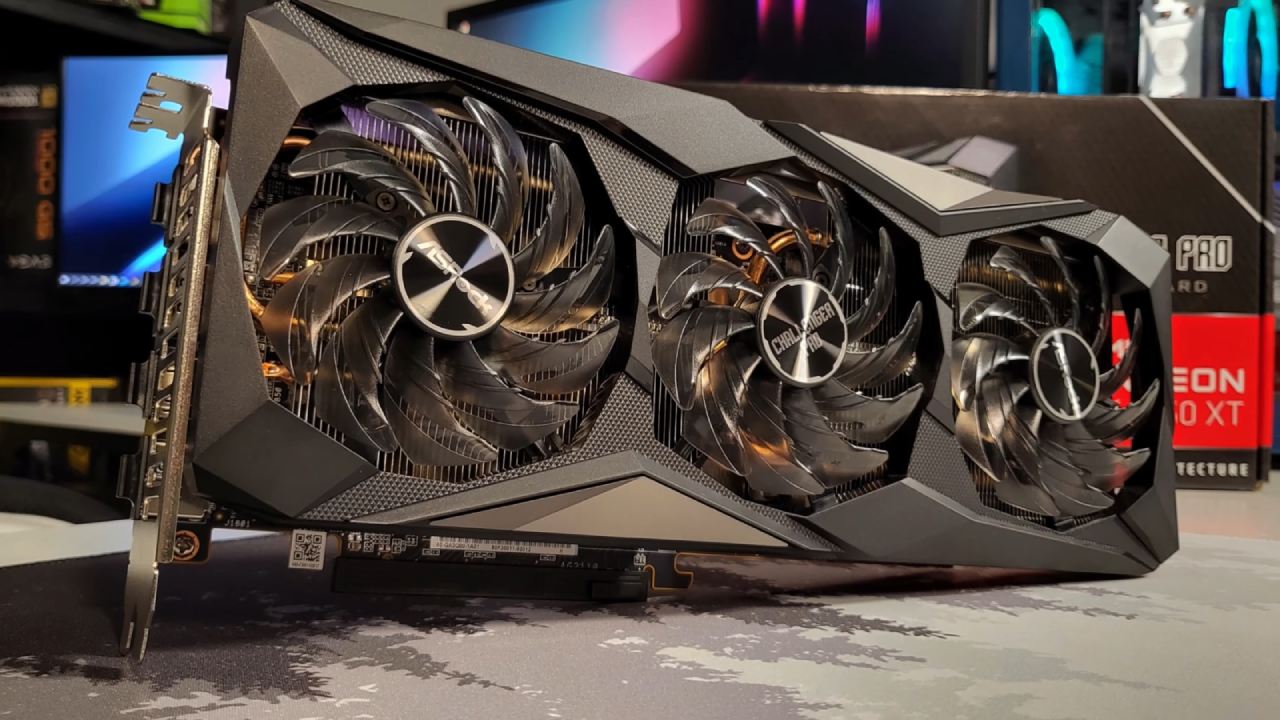
New information from industry sources shows that the wholesale prices stores will have to pay are much higher than previously thought.
The final prices on the shelves may be much higher than expected since stores still need to add their own markups. We want to make it clear that the exact numbers are not set in stone. The numbers in today's market are likely to change quickly, so they should only be seen as a general guide. But the general trend is hard to miss now.
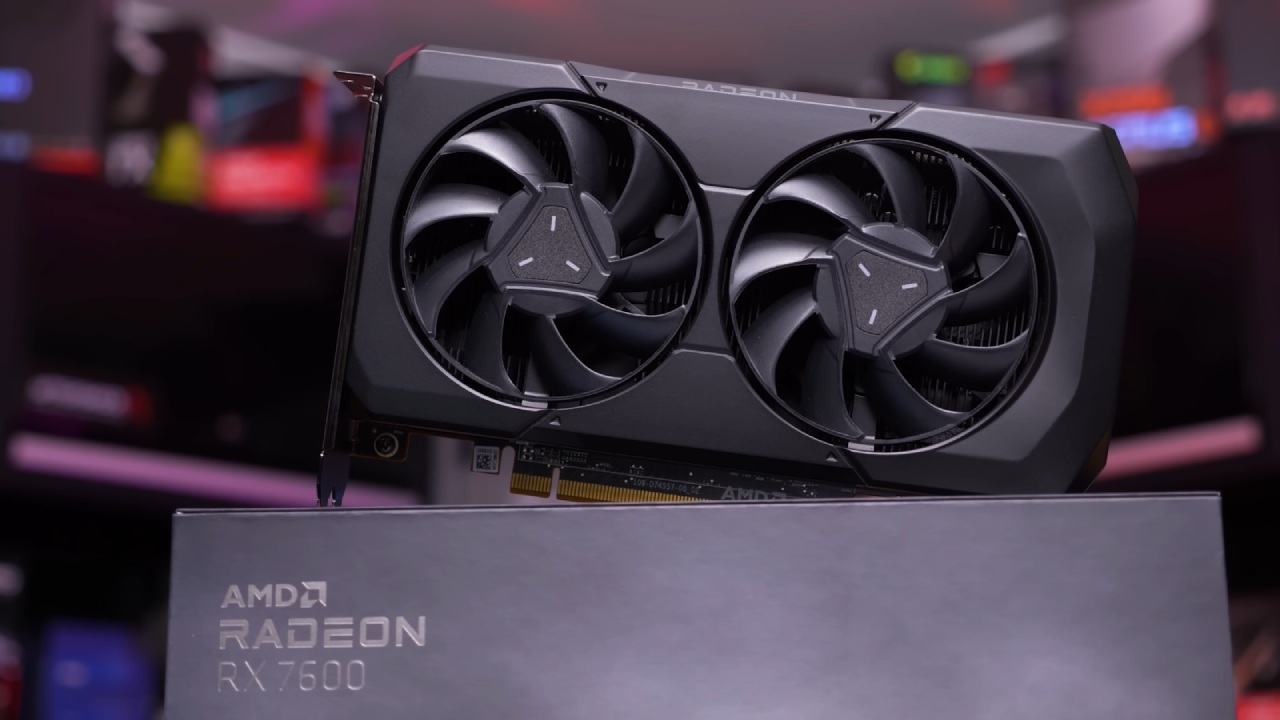
The 9070 XT will probably drift above $700, and it could even land closer to $800 if there are enough of them. Standard 9070 will likely exceed $600 and could approach $700 eventually. It's not just the higher-end models that are affected. The 16GB version of the 9060 XT is expected to cost over $400, and the 8GB version of the 9060 is also expected to cost more than its original MSRP.
These rises make it look like prices will rise by more than just 10% from today's levels. Even now, some RDNA 4 cards are already being seen at high prices, which supports the idea that higher prices are becoming the norm again.
We're probably moving toward a market setting like the one during the first RDNA 4 launch. During that time, prices remained above MSRP, even with ample stock, due to shifting supply patterns and limited competition. We believe there is a good chance that it will happen again, especially if the effort to increase GPU supply fails to settle.
The good thing is that this still doesn't look as bad as the shortages in 2021 or 2022. That said, things can get worse quickly, and if they do, we will continue to let you know about those changes as soon as possible. In our view, the current moment is an important opportunity to buy tools. Because memory prices are high, we don't suggest building a whole new system right now, but getting single parts is okay.
If you know you'll need them next year, it's still okay to buy GPUs, SSDs, and other gear that you use every day. If you're thinking about getting a 9070 XT, the prices right now aren't too bad compared to what people expect. We think this is probably the last chance to get these kinds of GPUs before the prices go up a lot.
RAM prices have already gone up, and we don't expect them to drop significantly any time soon. We suggest waiting to get a memory upgrade until you really need it. If you have to buy RAM, kits with smaller capacities, like 16GB, are likely to stay relatively cheap. You can depend on them for the next few months until things get better.
On the other hand, SSDs are still in a good place for buyers. We think that buying SSDs at reasonable prices now is the last chance before they get more expensive, like RAM did. The meaning goes further than PCs. If you're going to buy hardware you use every day, like a phone, gaming console, or laptop, you might want to move sooner rather than later.
Industry chatter suggests that major original equipment manufacturers were much less ready for upcoming memory issues than they thought.
Because of this, long-term supply agreements are being renegotiated under pressure. We're seeing more and more signs that shortages could affect a wide range of products, not just those popular with hobbyists. If you can put off buying a new device for a while, waiting might still be a good idea. But if you know you'll need one next year, it's better to buy now to avoid higher prices and fewer options.
We don't think these conditions will last for many years, but the next cycle looks hard. We will keep an eye on how changes in price, supply, and OEM readiness affect things. Right now, the message is clear: if you're going to buy a GPU or storage device next year, acting sooner could save you a lot of money.
Editor, NoobFeed
Related News
No Data.