
Steam Machine Pricing Strategy Could Shift Amid Prolonged Memory Shortage
Valve’s reliance on older components may help the Steam Machine remain competitively priced amid rising industry-wide hardware costs.
News by Tanvir Kabbo on Dec 13, 2025
The memory shortage that is still going on and is expected to last until 2025, 2026, and maybe even 2027 is a big problem for new PC and console-style devices. The timing couldn't be worse because PC gaming is expanding faster than ever.
High-end graphics cards that many people traditionally expect to find at MSRP toward the end of the year are now increasingly difficult to obtain, and prices remain volatile. Against this backdrop, Valve finds itself navigating one of the most difficult hardware launches in recent memory.
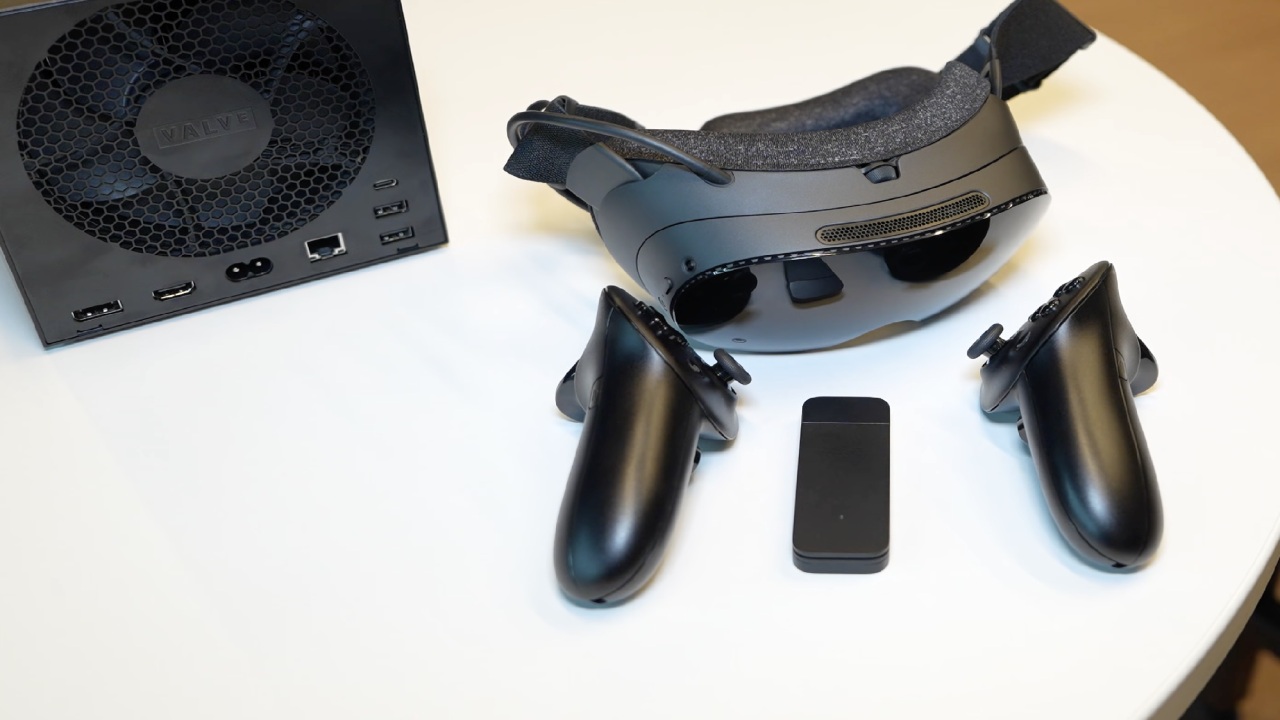
Valve is almost certainly covered for the Steam Machine launch window thanks to existing stockpiles.
There are probably already enough units made to meet early demand.
The actual danger comes when those reserves run out, because the memory deficit will eventually catch up. One interesting notion in the gaming community is a stripped-down pricing plan that would keep the Steam Machine's price around $399 even as the cost of parts rises.
You could sell the Steam Machine without some pieces, for example. The notion is simple yet controversial: send the console without the controller, RAM, or internal storage.
People would then be encouraged to use things they already have, such an SSD from a gaming PC or extra memory they obtained from someone else. The easiest component to remove would be the controller, even though doing so would be disappointing.
The Steam controller experience is difficult to fully appreciate without hands-on use. Trackpads make navigating desktop environments and handling edge cases far easier than traditional controllers. There are times when you need to use a keyboard and mouse, even when other controllers like the DualSense can handle most gameplay situations.
Steam controller reduces those disruptions. It wouldn't be great to take it away. Still, it wouldn't be the end of the world, especially since it has great Bluetooth connectivity that lets up to 4 controllers connect without problems.
In a worst-case scenario, users could purchase the Steam Machine first and add the official controller later when budgets allow. While workable, this approach shifts too much inconvenience onto consumers and risks undermining the appeal of a living-room-friendly PC console.
If Valve reaches a point where major components must be stripped just to maintain affordability, we believe other options should be seriously evaluated. Valve has a unique advantage: it operates the most consumer-friendly digital storefront in gaming.
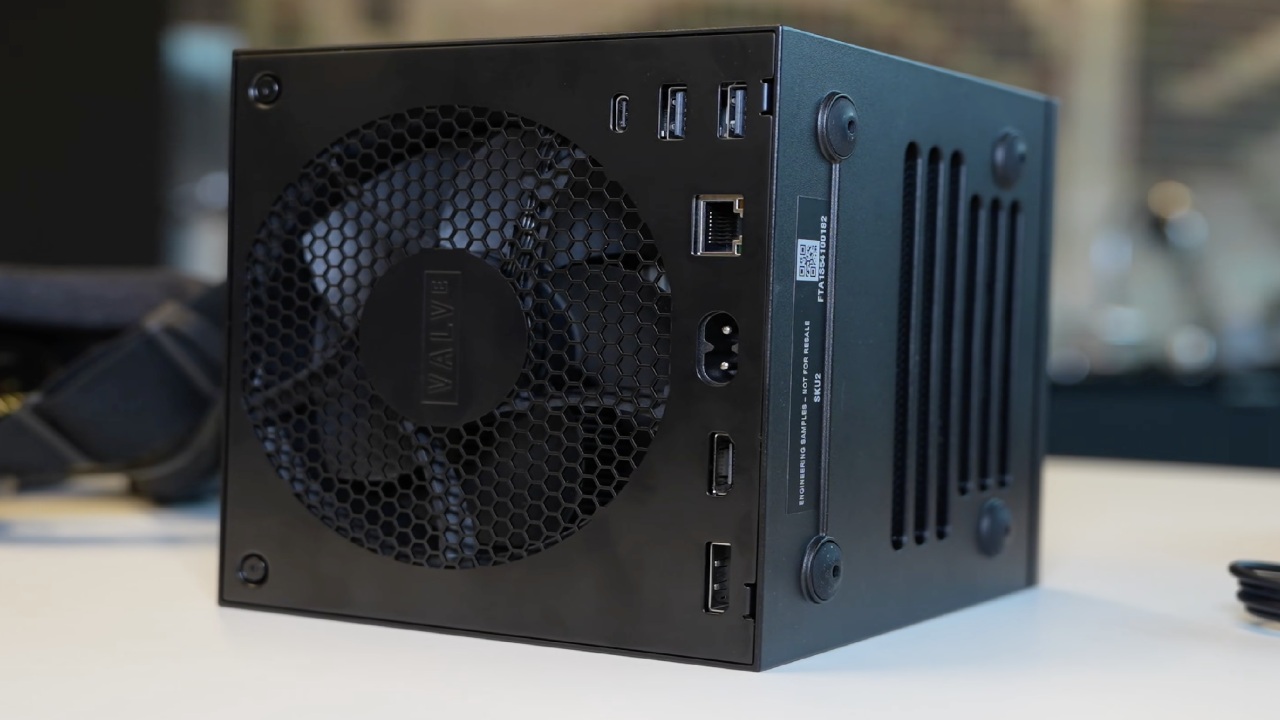
Taking a temporary hardware loss to preserve a complete, convenient product may ultimately be less damaging than fragmenting the user experience.
Transparency would go a long way here. If Valve clearly explained why rising RAM and storage costs make certain price points unsustainable, much of the potential backlash could be avoided. Showing the math and communicating openly with Steam hardware community could soften the impact of inevitable price adjustments.
Valve is not the only company that has to deal with these problems. It seems more and more plausible that prices will go up on competing hardware platforms. Other consoles and PC hybrids are already on the rise, with some devices getting close to or above $600. Premium versions have already gone above $750, and it wouldn't be surprising if prices went up any more because of the cost of making them.
Ironically, Valve's reliance on older, well-understood components may turn out to be a hidden advantage. Even if the Steam Machine sees incremental price increases over time, it is still likely to remain the most affordable option in its category. Relative value may ultimately work in Valve's favor as competitors continue climbing higher.
Rising hardware prices do not exist in a vacuum. Costs for food, housing, energy, and everyday living are still rising, making it harder for many individuals to justify buying high-end gaming technology.
Gaming has long been a way to escape these stresses, which is why the rising fees are so frustrating. There is no quick fix, and accepting that fact is not being negative; it is being realistic.
If Valve does resort to stripping components to hit a specific price point, we hope it remains a temporary measure.
Asking users to source RAM, storage, and controllers independently risks pushing total costs higher than a modest upfront price increase ever would.
When the Steam Machine was first introduced, there was significant uncertainty about HDMI 2.1 support. Even though it didn't have official HDMI 2.1 branding at launch, the hardware features an HDMI 2.1-capable connector and can output 4K120Hz.
The limitation is not due to problems with the device itself, but to limitations in Linux drivers and HDMI Forum licensing rules.
Valve deliberately chose future-proof hardware and is temporarily limiting features while working through driver and certification challenges. While certain HDMI 2.1 features are unavailable at launch, core functionality, such as 120fps output, works as expected. That places the Steam Machine most of the way toward full HDMI 2.1 parity.
Valve's track record suggests this is not a dead end. Valve has always followed through on its promises to fix problems, as seen in the steady rollout from FSR 1 to FSR 3 on SteamOS. There is evidence to back up this optimism; therefore, it is not blind faith.
Playing the original Half-Life trilogy again on Steam Deck shows how timeless these games still are. Half-Life 1 feels unexpectedly modern thanks to native control profiles and optional gyro aiming. Gyro aiming works with thumbstick input instead of replacing it. It gives you more control when you need it while keeping the regular controls.
The game should be older on a smaller screen. A smaller display size makes things look less blocky and more immersive. The uninterrupted first-person perspective, free from traditional cutscenes, reinforces a sense of presence that many modern games still struggle to achieve.
Opposing Force lives up to its reputation as one of the greatest expansion packs ever made. Playing as Adrien Shepard gives you a different point of view, a strong new set of weapons, and a narrative that is more tactical and military-focused.
.jpg)
Even if the game has more weapons, you still have to be alert and aware of your surroundings, which makes the suspense stronger instead of less.
Blue Shift may be shorter, but it remains carefully constructed and rewarding. Playing as Barney delivers clever level design and satisfying puzzles that round out the original Half-Life experience. Community-made control profiles ensure both expansions play smoothly on the Steam Deck.
Taken together, Half-Life, Opposing Force, and Blue Shift remain some of the most cohesive and thoughtfully designed first-person experiences ever made. They don't need manuals, they trust players to be smart, and they work great on modern handhelds. They are still important games to play, especially because the long-awaited next installment of the series is coming out soon.
Senior Editor, NoobFeed
Related News
No Data.