
The Games Industry is Fracturing—This Week Made It Impossible to Ignore
Layoffs, delayed shooters, canceled franchises, and shaky launches reveal an industry running out of patience, trust, and easy wins.
News by Zahra Morshed on Feb 02, 2026
There are clear cracks in the games business, and this week was one of the few times that several of them showed up at the same time. Different versions of the same underlying tension were shown by established giants, ambitious newcomers, and legendary companies.
There is less growth now. There is less patience now. Reputation alone is no longer enough to build trust. At Ubisoft, things have gotten so bad that they are no longer just worried. Reports reveal that the company's Paris headquarters will be losing about 18% of its staff, which will affect close to 200 jobs.
Even though this change is meant to be a fresh start, it can't happen because of France's strict labor laws. When there are layoffs, the government and unions have to negotiate, which slows down a process that leaders say needs to happen quickly.
In response, employees have fought back instead of being reassured.
A group of workers has said that Ubisoft management constantly leads them astray and doesn't follow through with their plans. A lot of projects have been canceled and studios have closed in the last year, according to public records.
The disagreement has grown into planned strikes, showing a growing lack of trust between the leaders' vision and the morale of the workers. The damage to creativity is getting harder to ignore. Reports from the industry say that the Watch Dogs franchise has been put on hold, which means that Ubisoft no longer has one of its few modern properties with a clear personality.
Separately, people who work in marketing for the Prince of Persia The people working on the remake of Sands of Time have said that they found out about the project's closure through news stories rather than through internal communication.
That news has made people more critical of how open companies are.
The stress is also having a big effect on new workshops in other places. Highguard is a competitive shooter that came out with a lot of good qualifications. It was made by a team that had worked on Apex Legends, Titanfall, and Call of Duty.
There were high hopes. At first, the response was not. Early reviews on Steam were mostly bad, even though there were a lot of players at the same time during launch week. Look at things after the start makes things more complicated.
When reviews are limited to people who have played for several hours, the mood gets a lot better. Server stability, maps that are too big, and the way modes are structured have been the main complaints, not the game's core features.
The developers have openly admitted to these problems and said that updates to the balance and technical patches are on the way.
Next is Marathon, Bungie's planned first-person shooter that will be out in March. The project is very important because it brings back a classic name and moves a company known for story-driven games further into live service territory.
Recent layoffs at Bungie and mixed reviews from alpha testers have made people more interested in the game's direction. Because players were worried, Bungie pushed back the release of Marathon and looked into a reported art source controversy. Following changes in leadership showed a readiness to turn things around.
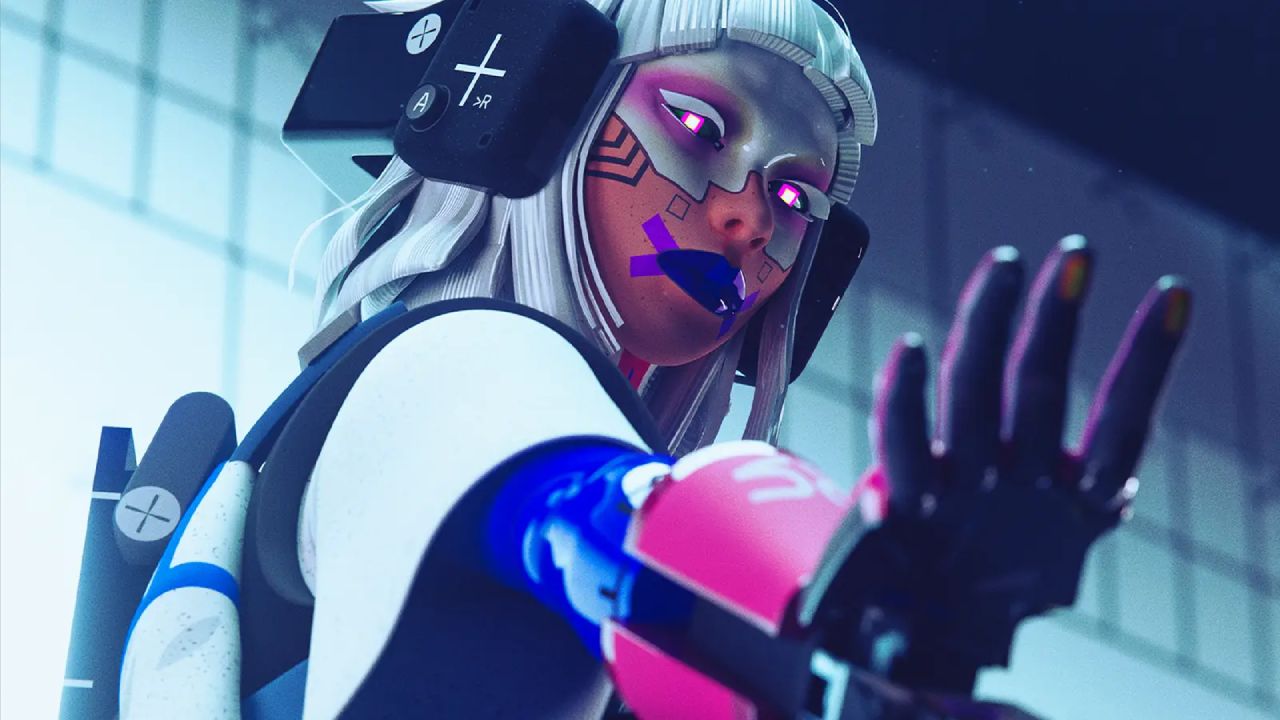
Meanwhile, good reviews for Ark Raiders have sparked new interest in the extraction genre, showing that people are still hungry for it when it lives up to expectations. Marathon's visual character might be its best quality.
Early papers show that the characters and animation were designed and animated by famous artists.
Even doubters agree that the idea has a strong sense of style. As launch gets closer, it's still not clear if style alone can beat genre fatigue. When looked at together, these stories show a problem that many businesses face.

Studios are still looking for ways to make recurring income and formats that get people to interact with them, even though audiences are becoming pickier. The goal of live service is running into player fatigue. Innovation that isn't clear is having a hard time earning trust.
Not failure, but recalibration is what comes out of it. It looks like the business is pushing itself to its limits, learning in public, and clearly losing money on bad bets. Stopping, focusing, and defining may be more important in the next step than going big. The players are paying close attention. This time, you have to earn people's attention.
Contributor, NoobFeed
Related News
No Data.