
XBOX Reinventing Console Strategy Since the Gaming Market is Changing
According to Asha Sharma, XBOX is developing a number of next-gen devices, but the focus will remain on physical games, console experiences, Halo, and its wider platform ambitions.
News by Tahmid Mahi on Sep 02, 2026
XBOX is providing a clearer picture of where the platform is going, and the company’s next-gen plans appear to be much wider in scope than just the release of another traditional console. Asha Sharma discusses some important aspects of Xbox’s future, including physical media, the forthcoming Helix hardware family, Halo, and how the company is handling big franchises.
One of the biggest points from Sharma's comments concerns physical games and Xbox's new disc-to-digital program. She explained that XBOX wants players' libraries to remain useful regardless of whether they prefer physical or digital games.
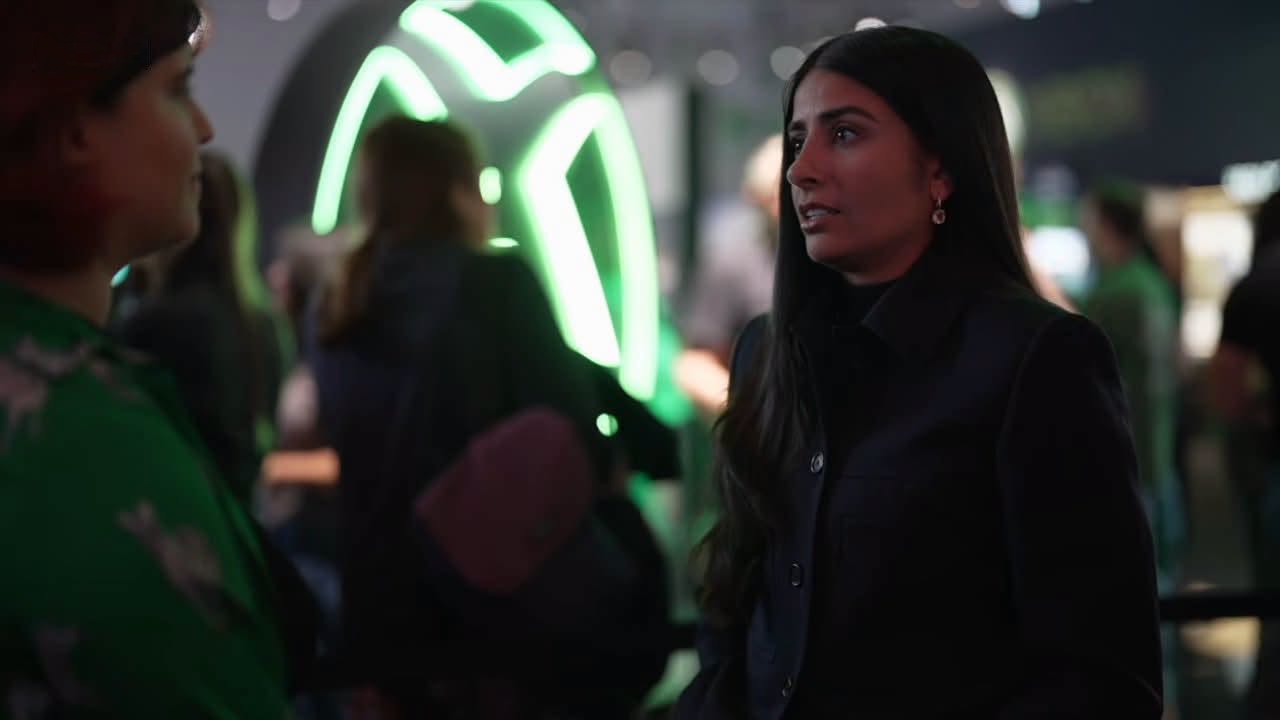
The company has announced digital entitlements for 1,000 physical disc titles, giving players another way to carry their existing collections into Xbox's broader digital ecosystem. For players who have spent years building physical libraries, that represents a meaningful change in how those purchases can remain useful across generations.
The idea is particularly important because physical games still matter to a large portion of Xbox's audience.
Sharma pointed out that many people still have shelves filled with games they have collected over the years, and those physical copies are often connected to memories rather than simply being pieces of software. XBOX, therefore, does not appear interested in telling players that they need to abandon physical media.
Instead, the company is presenting the disc-to-digital program as a way to give physical owners some of the advantages associated with digital libraries while allowing them to retain the value of what they already own.
That approach also fits into Microsoft's broader focus on backward compatibility. XBOX has spent years making older games playable on newer hardware, and Sharma indicated that this will continue across future generations. The company is also looking at PC backward compatibility and other ways of allowing players to move between different forms of hardware.
Sharma also made it clear that XBOX still sees traditional consoles as an important part of its future. She described XBOX as wanting to remain a reference point for how great games are played while acknowledging that players increasingly have other options.
PC gaming is particularly important in markets such as Europe, and XBOX has already expanded its ecosystem beyond dedicated consoles. But she said the traditional console experience remains challenging to duplicate and will be a big part of Xbox's strategy going forward.
And that brings us to Helix, which is arguably the most interesting part of the discussion.
When asked about the company's next-generation plans, Sharma did not provide specific hardware details, but she confirmed that XBOX is working on a "family of devices" under the Helix strategy. That wording is important because it suggests XBOX's next generation may not consist of just one machine.
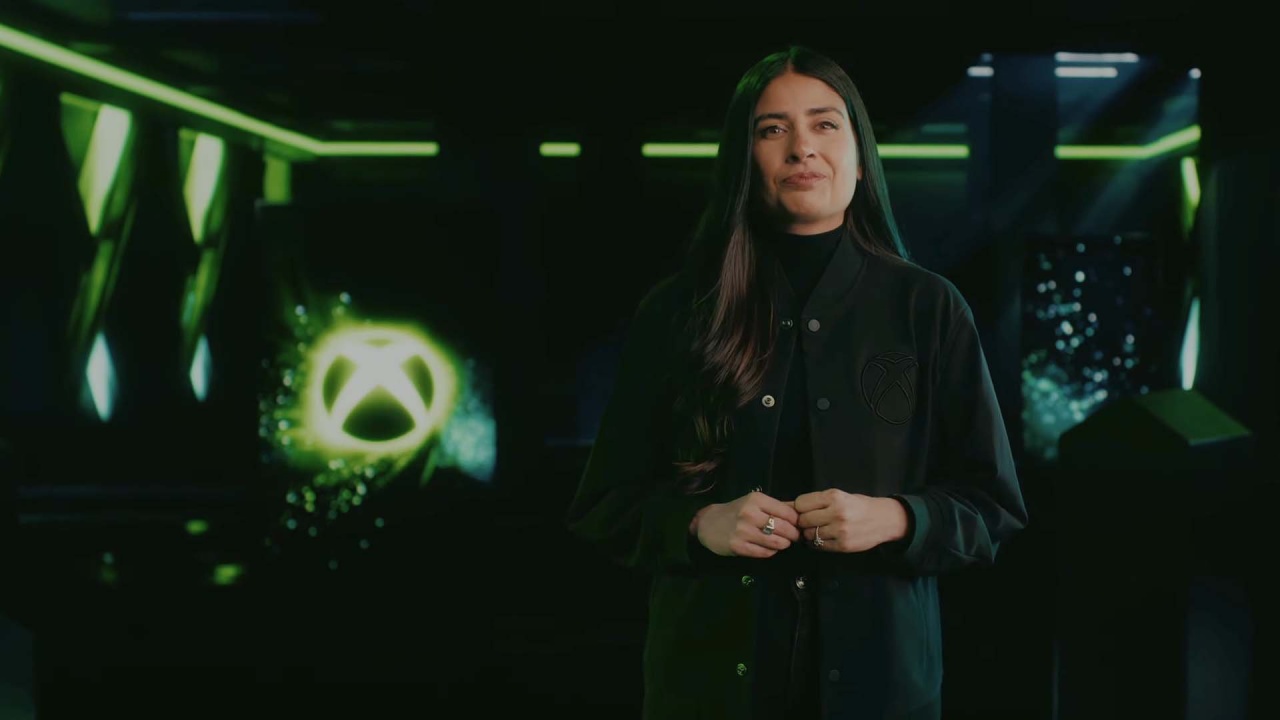
XBOX has previously discussed the idea of bringing PC gaming capabilities closer to the console experience, and Sharma again referenced the ability to play PC games on console hardware. That opens the door to a much more flexible platform where a high-end XBOX could function as both a traditional console and a PC-like gaming machine.
Rather than separating console and PC ecosystems completely, Microsoft appears interested in bringing them closer together. The result could give players more freedom over how they access their games and services.
The phrase "family of devices" also naturally raises questions about a potential XBOX handheld. Microsoft has already collaborated with ASUS on the ROG XBOX Ally line, which shows the company understands how important portable gaming is becoming.
A dedicated XBOX handheld would take that idea a step further, giving Microsoft direct control over the hardware, operating system, and user experience. While Sharma did not confirm that a first-party handheld is part of the Helix family, the broader strategy leaves plenty of room for such a device.
A handheld would also fit into Microsoft's emphasis on letting players take their libraries wherever they go.
If XBOX is serious about making your library portable across generations and devices, a dedicated handheld could become an important part of that ecosystem. The company could potentially offer a high-end device for players who want maximum performance, alongside a cheaper machine designed primarily around Game Pass and cloud-connected features.
Affordability is another major part of the strategy. Sharma acknowledged that the hardware industry is dealing with rising costs and component challenges, meaning manufacturers need to think differently about how much players are expected to spend.
XBOX therefore appears interested in offering more choice instead of expecting every player to buy the most powerful and expensive machine. That could eventually mean a range of XBOX devices designed to serve different budgets while still connecting players to the same ecosystem.
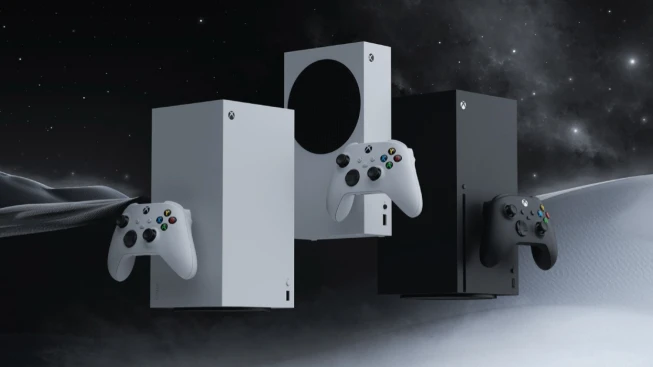
The strategy could also help XBOX respond to the changing hardware market. A traditional console would remain the central option for players who want a straightforward living-room experience, while a handheld could provide portable access to the same library.
A more affordable device could serve the needs of gamers who want Game Pass and popular new releases but don’t want to pay for top-end hardware. At the top of the range, Microsoft could potentially offer a much more powerful console-PC hybrid for players who want the highest performance possible.
Halo is another major part of Xbox's future, and Sharma's comments suggest the franchise will not fall behind.
She described Halo as an important part of Xbox's portfolio and said the company has more news to share about the series going forward. That statement is notable because Halo has been in a period of uncertainty following the difficult reception surrounding some of its recent releases.
The company is also continuing to rethink how its biggest games are distributed. Sharma emphasized that XBOX wants to remain a large publisher and platform while balancing the health of its business. Gears and other titles have already demonstrated Microsoft's willingness to experiment with multiplatform releases, but the company also recognizes that exclusive content can help create value for its hardware.
The Elder Scrolls 6 is an especially interesting example because its eventual platform availability remains a major topic of discussion. When asked directly whether the game would be exclusive, Sharma did not provide a straightforward confirmation.
Instead, she described the game positively and returned to the broader point about balancing business health and platform strategy. That leaves plenty of room for speculation over whether Bethesda's massive RPG will eventually remain exclusive or appear across multiple platforms.
At the same time, XBOX is not relying entirely on its biggest established franchises to drive future growth. Sharma discussed the company's plans to work more closely with independent developers, particularly in Europe.

According to her comments, XBOX has added a significant number of indie developers to its platform efforts in recent months. That strategy could give XBOX a larger stream of smaller games capable of generating attention between major AAA releases.
Indie games can play an important role in keeping a platform active because successful smaller projects can suddenly become major hits.
XBOX has already seen such success with games such as High on Life and Palworld, both of which generated substantial attention while benefiting from Game Pass and the broader XBOX ecosystem. Microsoft seems to get it; it doesn't need every successful game to come from one of its biggest internal studios.
It also gives XBOX another way to compete for player attention. Big-name franchises like Halo, Forza Horizon, Gears of War, Fallout, and The Elder Scrolls can deliver the major releases that anchor the platform, while indie developers can provide unexpected hits.
That combination could become increasingly important as XBOX tries to grow its ecosystem across consoles, PCs, handhelds, and potentially other devices. Instead of relying on a small number of blockbuster releases, Microsoft appears to be building a broader content network around its platform.
Perhaps the most reassuring part of Sharma's comments for XBOX players is her insistence that the company is not retreating. She said XBOX intends to maintain its ambitions over the next decade and continue investing in content and services. Today, the company has over 100 million players and wants to reach even more over time.
The exact shape of that future remains unclear, but the pieces are starting to come together.
Physical games are being given a stronger connection to digital libraries, backward compatibility remains a priority, and Helix is being developed as a family of devices rather than simply one next-generation console.
Halo is still a major part of the portfolio, while XBOX is also expanding its relationships with independent developers and reconsidering how its biggest games are distributed. Taken together, those decisions point toward a much more flexible XBOX ecosystem.
The biggest question now is what Microsoft actually means by a "family of devices." A high-end console-PC hybrid, a lower-cost XBOX, and a dedicated handheld would represent a major expansion of the company's hardware strategy, but none of those specific products have been officially detailed yet.
What you can take from Sharma's comments is that XBOX is thinking beyond the traditional console cycle. If the company follows through on that vision, the next generation may be less about choosing one Xbox and more about choosing the XBOX device that fits the way you want to play.
Editor, NoobFeed
Related News
No Data.