
Dinoblade Review
PC
A ridiculous concept backed by satisfying combat, memorable boss fights, and surprising heart, even if a few rough edges stop it from reaching its full potential.
Reviewed by Tahmid Mahi on Jul 29, 2026
Some game ideas sound so absurd that they immediately grab your attention, and Dinoblade is one of those rare examples. Instead of putting you in the boots of another armored knight or silent warrior, Dinoblade hands control of a young Spinosaurus carrying an enormous greatsword in its mouth.
Your enemies are equally ridiculous, with rival dinosaurs wielding massive weapons as they battle for survival in a world that has changed beyond recognition. It's a premise that feels like something pulled straight from a childhood imagination, yet it somehow works the moment you start playing.
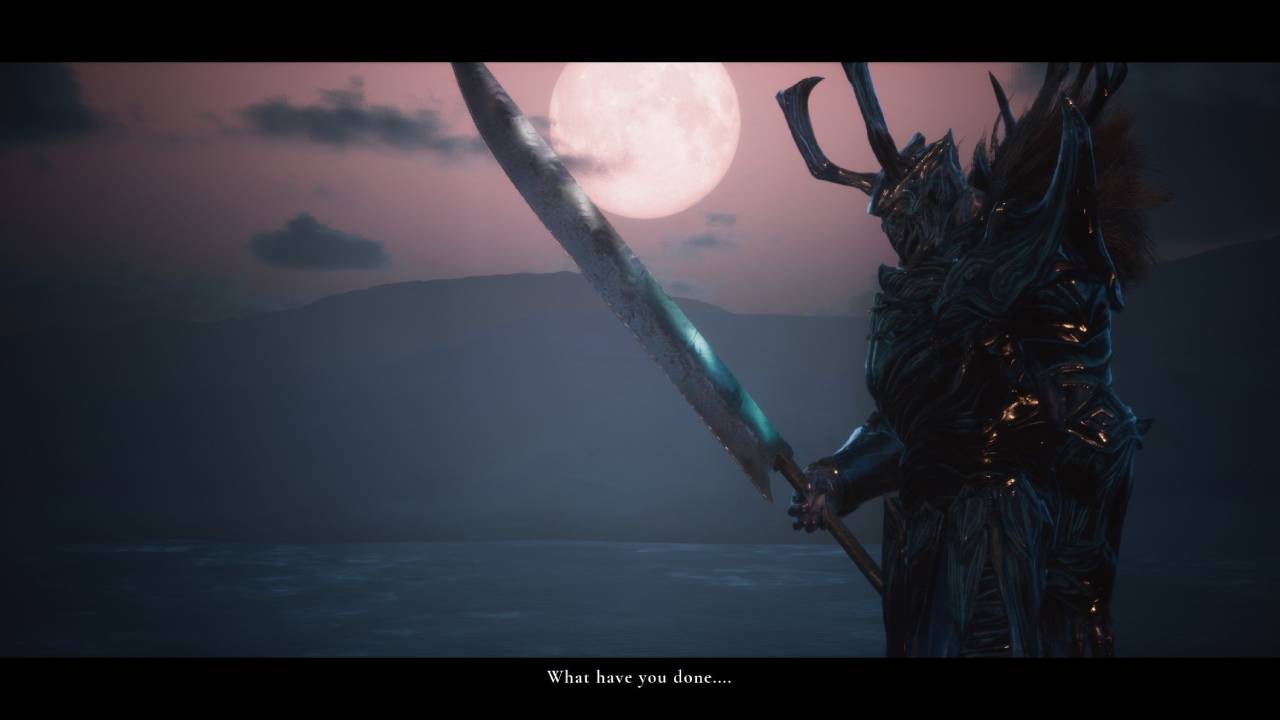
Dinoblade is the work of solo developer Jean Nguyen.
A veteran animator who previously worked at Sucker Punch Productions on Ghost of Tsushima and Ghost of Yōtei. That background becomes obvious almost immediately once you see the game's fluid animations in action. What originally began as a short animation concept eventually evolved into a complete action RPG after the idea attracted attention online.
Instead of going for realism, Dinoblade embraces its over-the-top identity, blending Soulslike mechanics with anime-style action, giant swords, heavy metal music, and prehistoric creatures. Every encounter feels designed to celebrate that outrageous concept rather than tone it down, giving the game a personality that's hard to mistake for anything else.
It's not a huge AAA production with endless systems or cinematic storytelling. But Dinoblade is aiming for a simple action experience, where flashy combat and memorable boss fights are the main draw. It knows exactly what kind of game it wants to be, and for the most part, it stays committed to that vision from beginning to end.
The story keeps things surprisingly simple. A mysterious cataclysm has transformed the dinosaur world, leaving every species fighting for survival while extinction looms over them. You are a young Spinosaurus. Your adventure starts when an encounter with hostile predators leaves you trapped deep inside a cavern.
As you go further into your adventure, you slowly find clues about what made the dinosaurs start using weapons. The story is told in short cutscenes, environmental details, mysterious ruins and occasional encounters with strange dinosaurs that communicate telepathically, rather than long conversations or exposition.
That’s all well and good, but don’t expect a story full of emotional weight, memorable characters, and dramatic twists and turns.
The story mostly exists to set up the next battle and drive you towards another powerful enemy. There are hints of deeper lore scattered throughout the world, but many of those ideas never get any real payoff. Fortunately, this restraint helps the pacing, since lengthy dialogue rarely interrupts you and keeps the action the primary focus throughout the campaign.
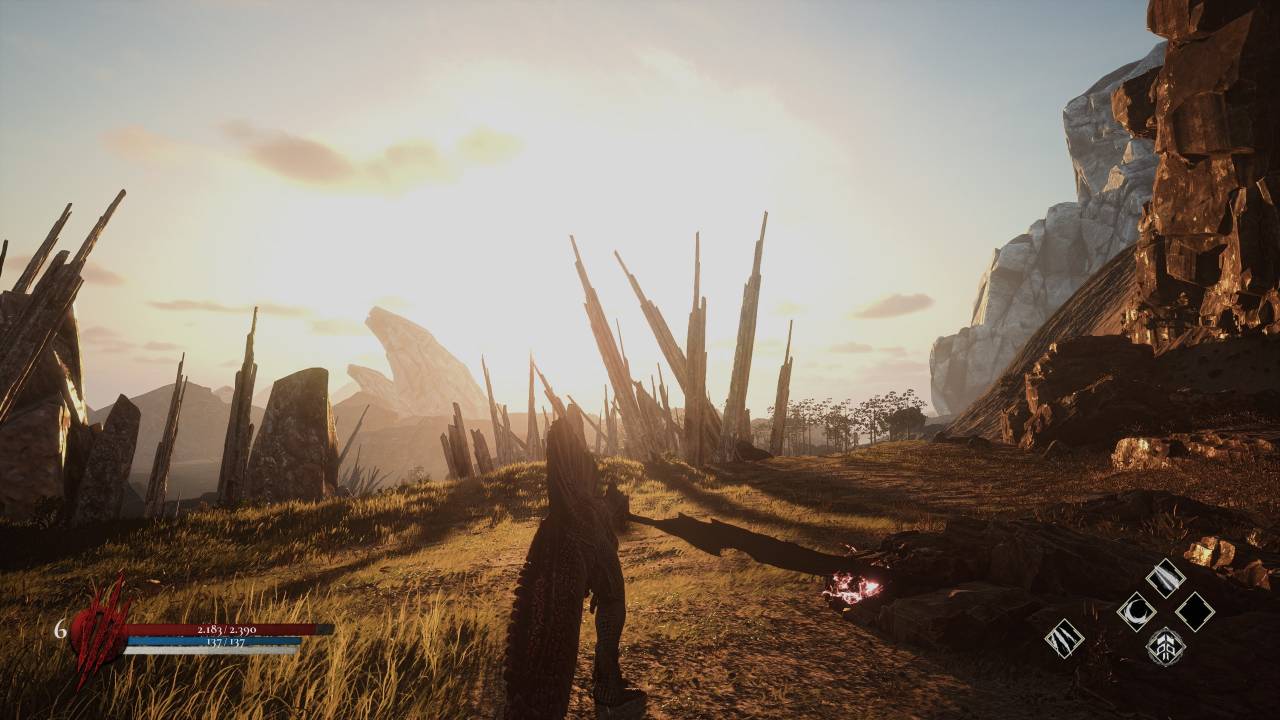
Your adventure will take you through many different areas with different settings, including rocky canyons, thick jungles, and snowy landscapes. The world isn't entirely open, but the levels frequently diverge into optional paths that reward exploration with additional upgrade materials, hidden weapons, mini-bosses, and healing upgrades.
Progression is about slowly making your way deeper into ever more dangerous areas while killing the alpha dinosaur that blocks your way out of each region. These alpha creatures are the last challenge in the area before you can move on, creating a satisfying rhythm of exploration, combat, and boss battles.
Dinoblade features familiar soulslike principles but simplifies many of the genre's more complicated systems. You gain experience points for defeating enemies, which you can spend to improve your character, but the general progression is pretty forgiving. You don’t lose the upgrades you’ve accumulated when you die, so feel free to experiment without major setbacks.
You can upgrade your character’s 4 main stats: health, strength, resonance, and stamina. Health improves your chances of survival, strength improves your attack, resonance unlocks your skill set, and stamina is the basis for attacking, dodging, and even some late-game transformations.
Besides the basic leveling system, Dinoblade has an ability tree that gradually unlocks new offensive skills and passive upgrades. As you progress, abilities can be further upgraded to increase their damage, utility, or defensive mechanics like parrying, making them even stronger.
The progression of weapons is deliberately simple.
Instead of collecting hundreds of statistically different swords, you will have a small selection of unique weapons that will subtly change the way you fight. Some create shockwaves during heavy attacks, others attack more quickly due to their lighter weight, while a few late-game surprises introduce entirely different weapon behaviors.
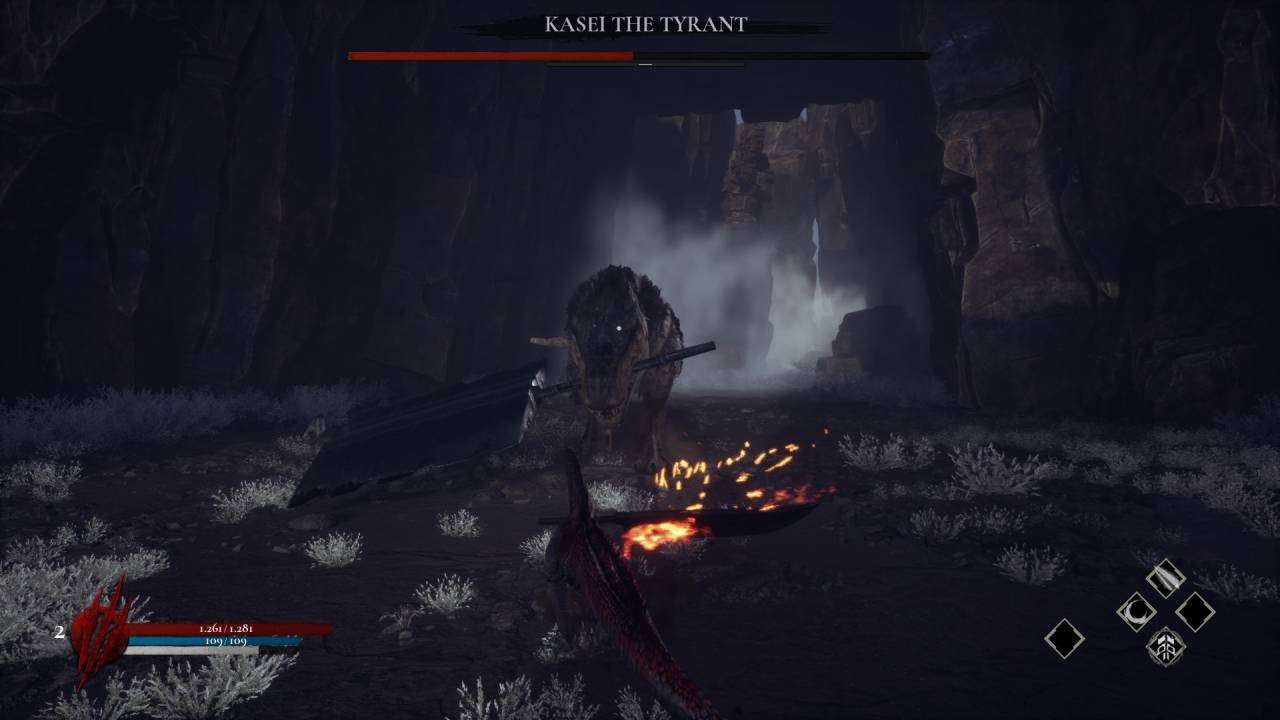
Combat is unquestionably the heart of Dinoblade. At its core, you're juggling light attacks, heavy strikes, dodges, blocks, perfect parries, stamina management, and special abilities powered by resonance. The animation work is really smooth, making everything feel responsive, and every swing transitions seamlessly into the next.
Instead of looking stiff or mechanical, your Spinosaurus will move with a remarkable fluidity that gives every encounter an energetic rhythm. That smooth animation work also makes every successful dodge, parry, and finishing blow feel more satisfying, reinforcing the impact of each battle.
Parrying is at the heart of almost every battle. Successfully timing a perfect parry not only prevents incoming damage but also restores stamina and resonance, allowing you to immediately counterattack or unleash powerful abilities.
Blocking is a safer option, but it drains stamina quickly. Dodging is crucial whenever enemies start to release attacks that simply can't be blocked. Bosses constantly force you to alternate between all three defensive options, ensuring combat never becomes a mindless button-mashing exercise.
Boss encounters easily represent the game's biggest highlight. Each major dinosaur has different attack patterns, movement speeds, and mechanics to test your mastery of the combat system. Some rely on brute force, others on careful spacing, and some fights almost require perfect parry timing to survive.
Combat is not perfect; of course, some dodges seem slower than they should be.
In particular, some boss attacks feel faster than they should be. Sprinting and dodging are also mapped to the same button as mouse and keyboard controls, which leads to some unnecessary frustration during tense encounters. The hit detection can also feel a little inconsistent at times, with attacks registering that look like they missed.
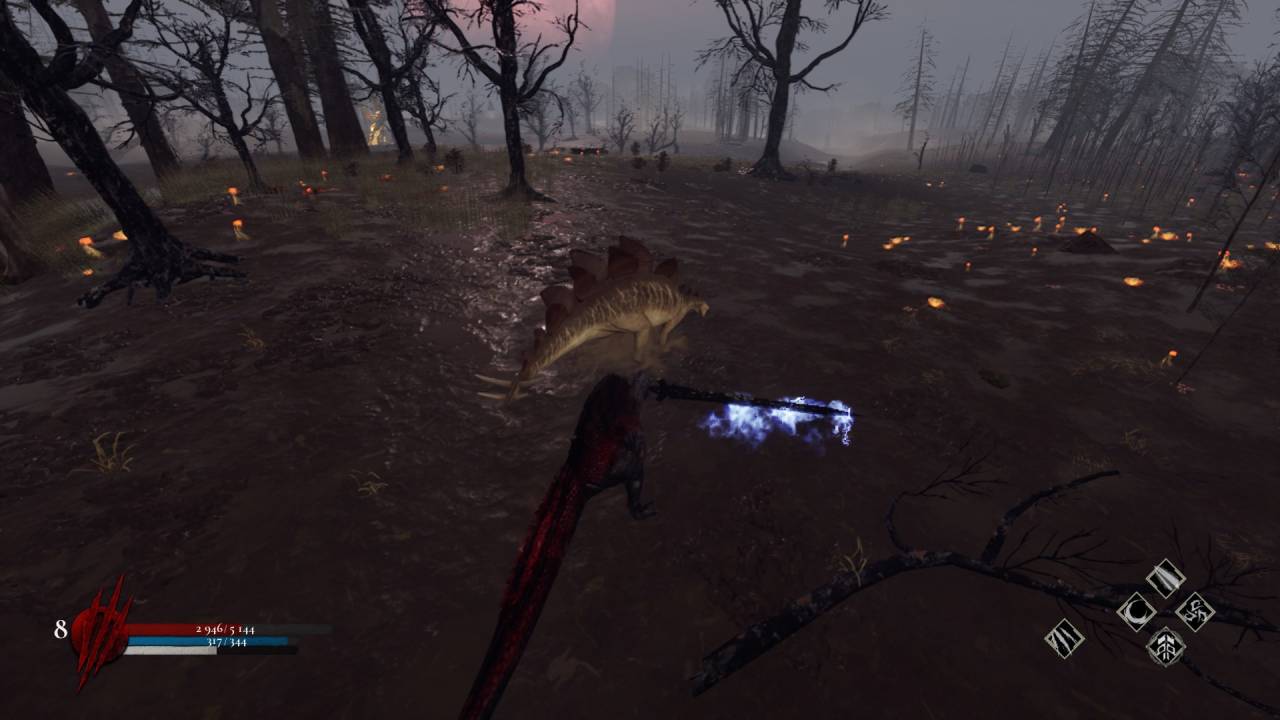
Resource management adds an interesting additional dimension but can sometimes cause trouble. Since parrying is the main way to restore resonance, defensive players who rely more on dodging during tough boss fights might struggle to generate enough energy for special abilities.
Such a system can make you rely on basic attacks for a long time, making some encounters feel longer than necessary. For experienced players who are willing to master their parries, the system will be fun, but others might find it unnecessarily restrictive.
Character progression usually supports gameplay without being overly complex. Getting the usual experience points boosts your core stats, while special boss points unlock more powerful skills after you defeat major enemies. More upgrades increase healing power, expand ability choices, and improve current skills.
The costs of leveling up are consistent throughout the adventure and the penalties for dying are minimal so you always feel as though you are progressing and not being punished. Grinding rarely becomes necessary since regular exploration naturally provides enough resources to keep pace with the increasing challenge.
The visual presentation tells two very different stories.
Character animation ranks among the strongest aspects of the entire experience. Every movement flows effortlessly between attacks, dodges, blocks, and finishing blows. Big weapons have enough heft to satisfy without losing their responsiveness, and over-the-top attack animations take inspiration from anime and samurai fantasy to make for spectacular moments in combat.
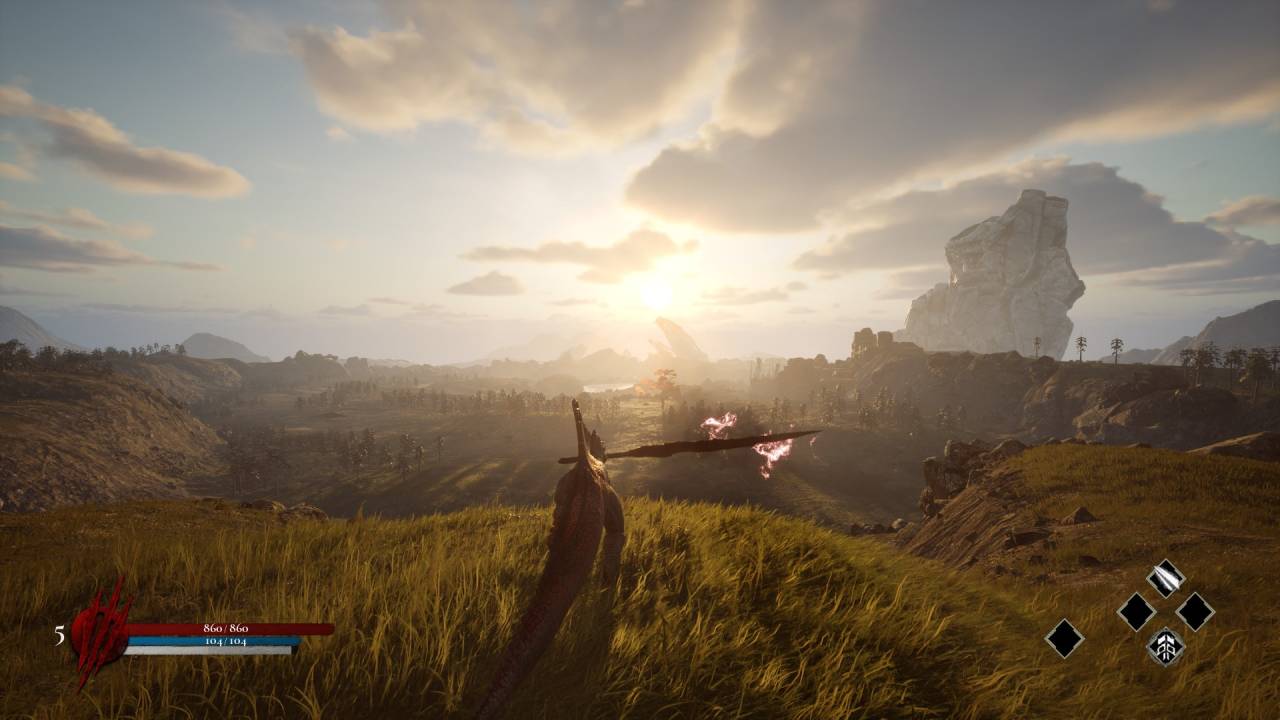
But when you’re not in combat, the visuals aren’t as impressive. Environmental textures are often muddy; many locations feel pretty plain, and level layouts prioritize function over visual spectacle. There are still a few rewards for exploration in the form of hidden paths or optional encounters, but the world itself seldom offers memorable landmarks or breathtaking scenery.
Audio results are just as mixed. The soundtrack is instantly noticeable with its unabashedly heavy metal style, matching the absurdity of prehistoric creatures having dramatic sword duels. Boss battles are so much more exciting when the guitars start to roar in the background, adding an extra layer of energy to each major encounter.
Sound effects change more dramatically. Some abilities have a satisfying impact with loud, weighty audio, while others don’t carry the same punch and can feel underwhelming at times. Ambient environmental audio feels somewhat limited as well compared to other Soulslike games, preventing certain areas from developing a stronger atmosphere.
The technical side is consistently solid. Dinoblade runs well with stable frame rates, very few visual glitches, and no major stability issues, allowing you to focus completely on the combat rather than technical distractions.
Dinoblade works because it’s committed 100 percent to a gloriously stupid idea, and it executes it with genuine bravado.
Controlling a sword-wielding Spinosaurus could have been little more than a joke, yet Dinoblade backs up its unusual premise with responsive combat, excellent animation, memorable boss encounters, and progression systems that remain satisfying without becoming overly complicated.
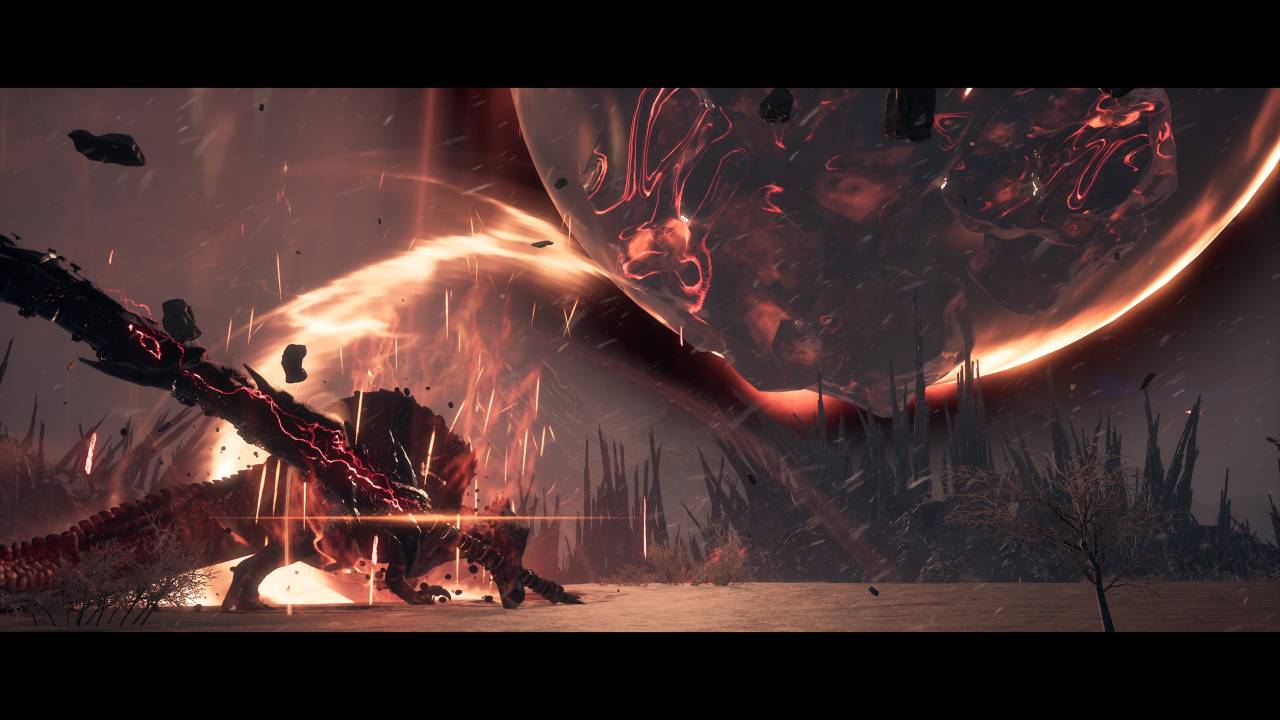
Its limitations are equally clear. The story never really amounts to anything particularly memorable, exploration lacks the kind of rewards you’d expect from the Soulslike genre, weapon variety could stand to be a lot deeper and a few combat mechanics still need some work. The environments and interface also speak to the realities of a solo-developed project, not a large studio production.
Still, Dinoblade is always a blast because it knows what it’s best at. Dinoblade delivers precisely the experience it promised during those intense boss battles, where heavy metal music blasts in the background and giant dinosaurs trade devastating sword blows.
If you want an action RPG with polished combat, creative ideas, and an acceptance of its own absurdity, Dinoblade is an experience that’s difficult to find anywhere else. It doesn’t reinvent the Soulslike formula, but it delivers enough memorable moments to make its odd premise more than just a gimmick.
Editor, NoobFeed
Verdict
Dinoblade delivers on satisfying combat, great animation, and unforgettable dinosaur fights. Although it doesn't completely revamp the Soulslike concept, it packs enough memorable moments to bring its unusual premise.
81
Related News
No Data.