
Divinum Review
PC
Divinum delivers fast, satisfying combat and a dark fantasy world worth exploring, but its linear progression and uneven storytelling keep it from fully living up to its Metroidvania ambitions.
Reviewed by Rahe Numa on Sep 01, 2026
If you're hoping Divinum is a classic Metroidvania packed with exploration, hidden paths, and lots of reasons to revisit old areas, you may want to adjust your expectations a bit. Divinum, made by solo developer Sigil Games, is a dark fantasy action-platformer with fast-paced hack-and-slash combat, exploration, character upgrades, hidden areas, and abilities that help you grow stronger over time.
It's inspired by Metroidvania games, but it doesn't try to copy them exactly. The first thing you'll notice is the focus on combat. Divinum encourages you to move fast, attack aggressively, and use your abilities, instead of just walking from room to room and waiting for enemies. This approach actually works really well.
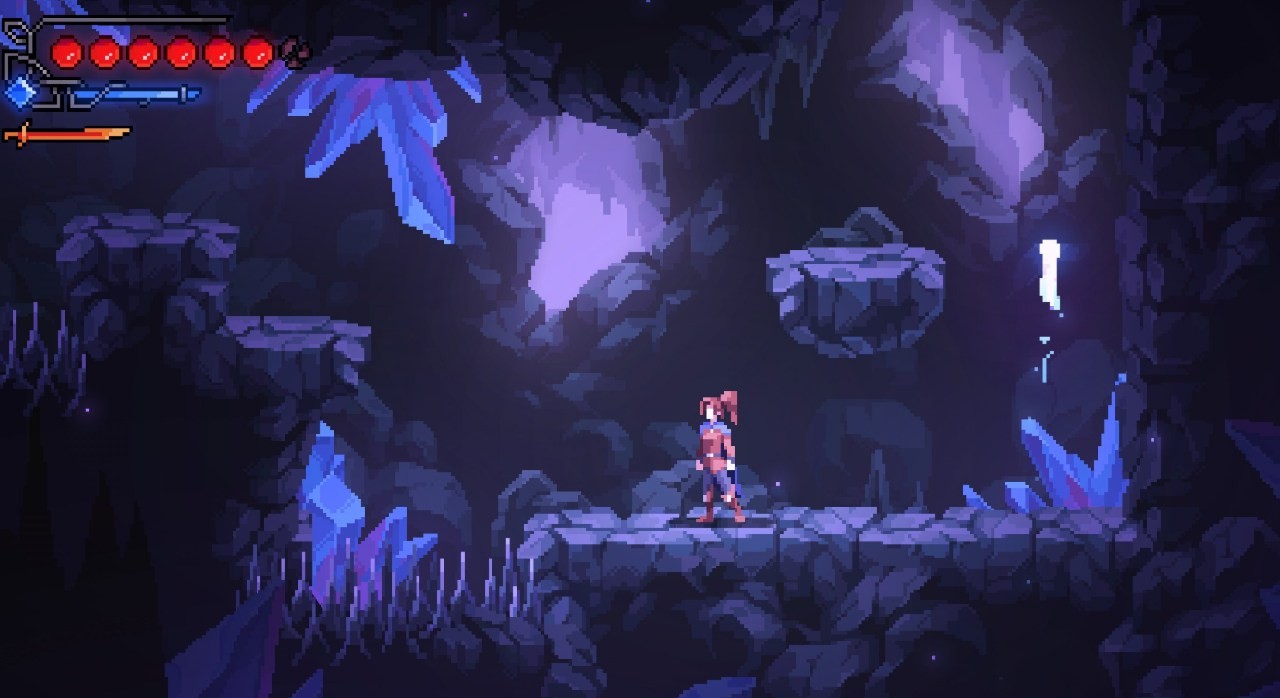
The downside is that exploration and progression aren't as deep as the combat.
You get some Metroidvania elements, but overall, the experience is more straightforward than games like Hollow Knight. Divinum's story sets up an interesting dark fantasy world, but the narrative doesn't always match the strength of its setting.
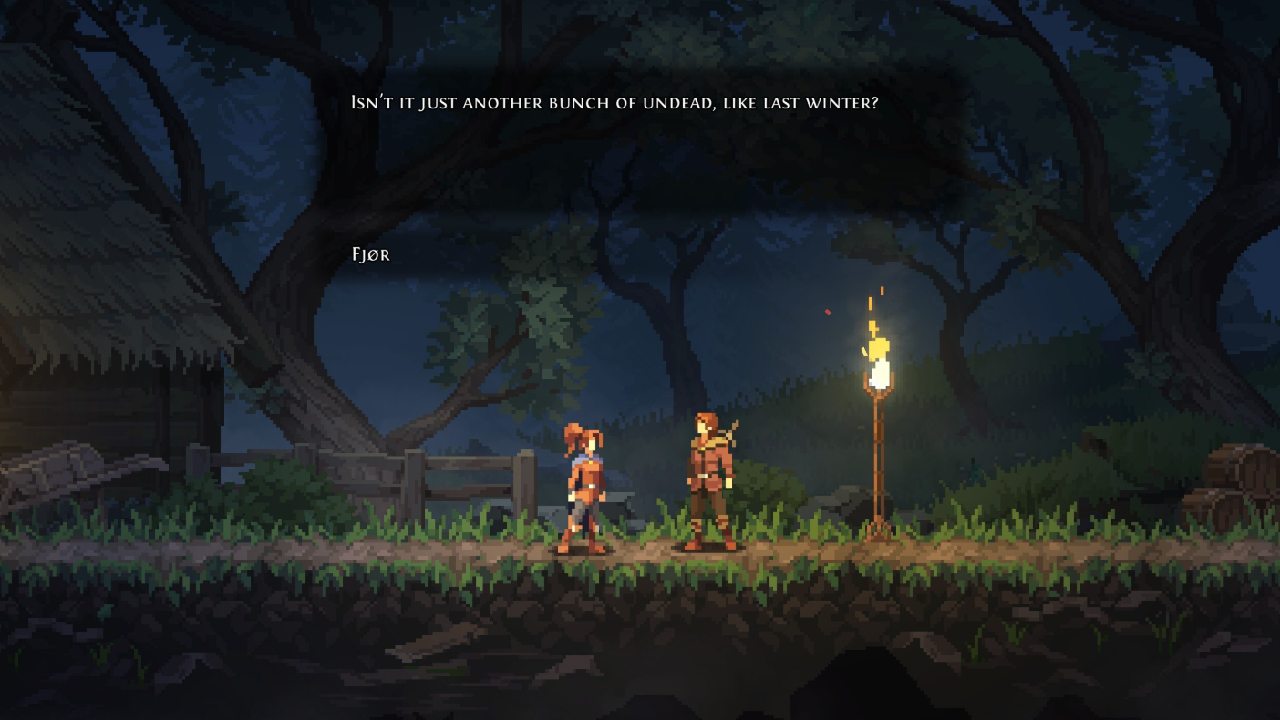
You play as Fjør, who gets caught up in a conflict with mysterious forces, religious sites, undead enemies, and a strange world around her. The beginning gives you just enough to get curious, but the story loses focus as you go further.
The game takes place in underground areas and catacombs, and there are stretches where you're spending more time fighting and exploring than actually learning something meaningful about the story. That's not a big issue if you’re mostly here for the gameplay, but some character moments feel inconsistent.
Fjør reacts strongly to some situations, but other important events don't get the same attention. Because of this, the story sometimes feels like it’s trying to do more than it has time for. Even so, there are enough mysteries in the world to keep you interested, especially as you find new areas and uncover information while exploring.
The story is interesting, but you never really get a clear understanding of it.
This might not matter if you care more about gameplay, but some character moments feel inconsistent. Fjør reacts strongly to some things, but other big events don't get the same focus. As a result, the story often feels like it’s trying to do more than it can actually achieve.
Still, there are plenty of mysteries in the world to keep you interested, especially as you find new areas and learn more by exploring. The core gameplay is simple: you explore, fight, find upgrades, unlock new abilities, and use those abilities to reach places you couldn't get to before.
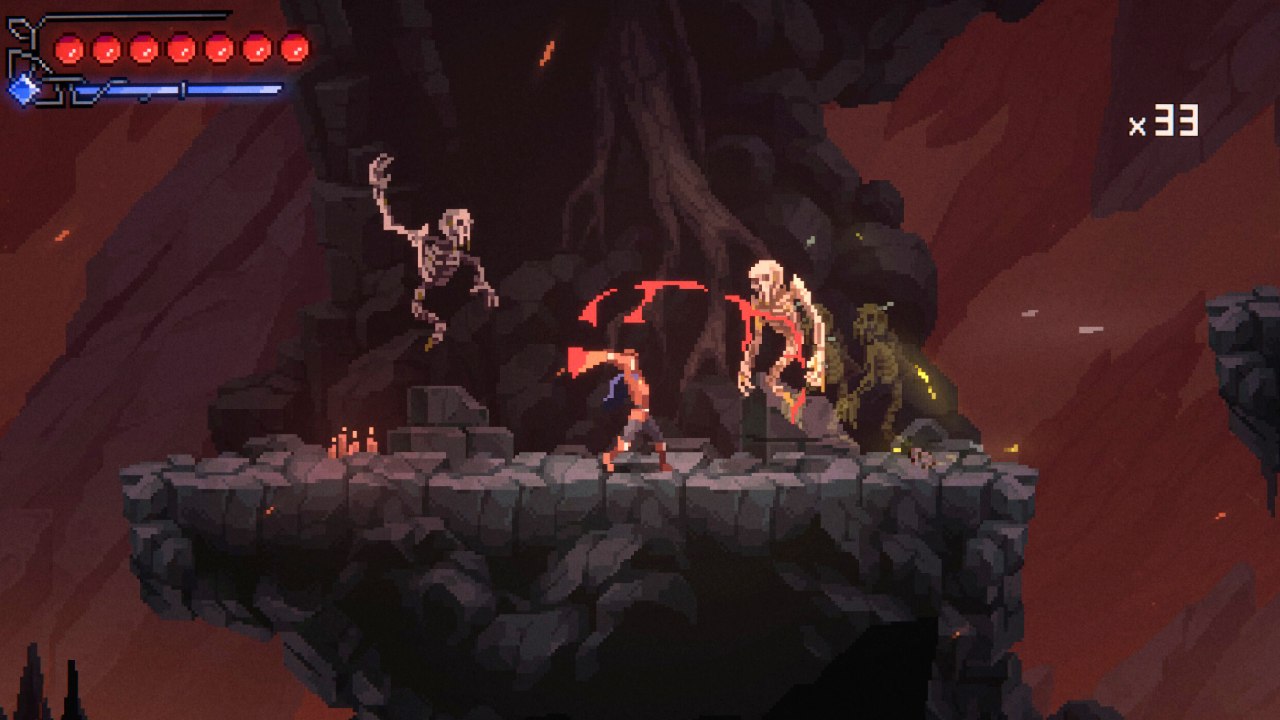
This formula works because there's always something useful waiting just around the corner. While searching for collectibles and upgrades like Life Shards, Mana Shards, Runes, and Sanctite, you'll explore different environments.
Life Shards increase your health, Mana Shards boost your mana, and Sanctite is a currency you can use in several ways throughout the game. Exploration isn't as open-ended as you might expect from a Metroidvania. There are hidden rooms and optional areas, and some places get easier to reach with new abilities, but the main story mostly keeps you on a clear path.
This is both a strength and a weakness.
If you don't like getting lost in a huge, interconnected map, Divinum's focused approach can be a nice change. This way, you spend more time enjoying the combat instead of always wondering where to go. But if you want that classic Metroidvania feeling of finding brand new paths after getting a new ability, the experience might feel a bit limited.
Combat is where Divinum really shines. For a small action platformer, the game gives you a lot of tools. You can launch enemies into the air, chain attacks, block and perfect block, deflect projectiles, and use movement abilities to reposition yourself.
Once you get the phase dash, combat gets even more flexible. Instead of just dodging, you can move through the air in different directions and stay mobile while attacking. When everything comes together, fights are fast and fun. You can stagger an enemy, launch them, keep the combo going, dodge incoming attacks, and jump right back in to keep fighting.
The combat has a great sense of momentum. You can build your character in different ways, and the Rune system lets you equip effects that boost your defense, movement, attacks, and more. You also get abilities like Incinerate and Impale, giving you more options against different enemies.
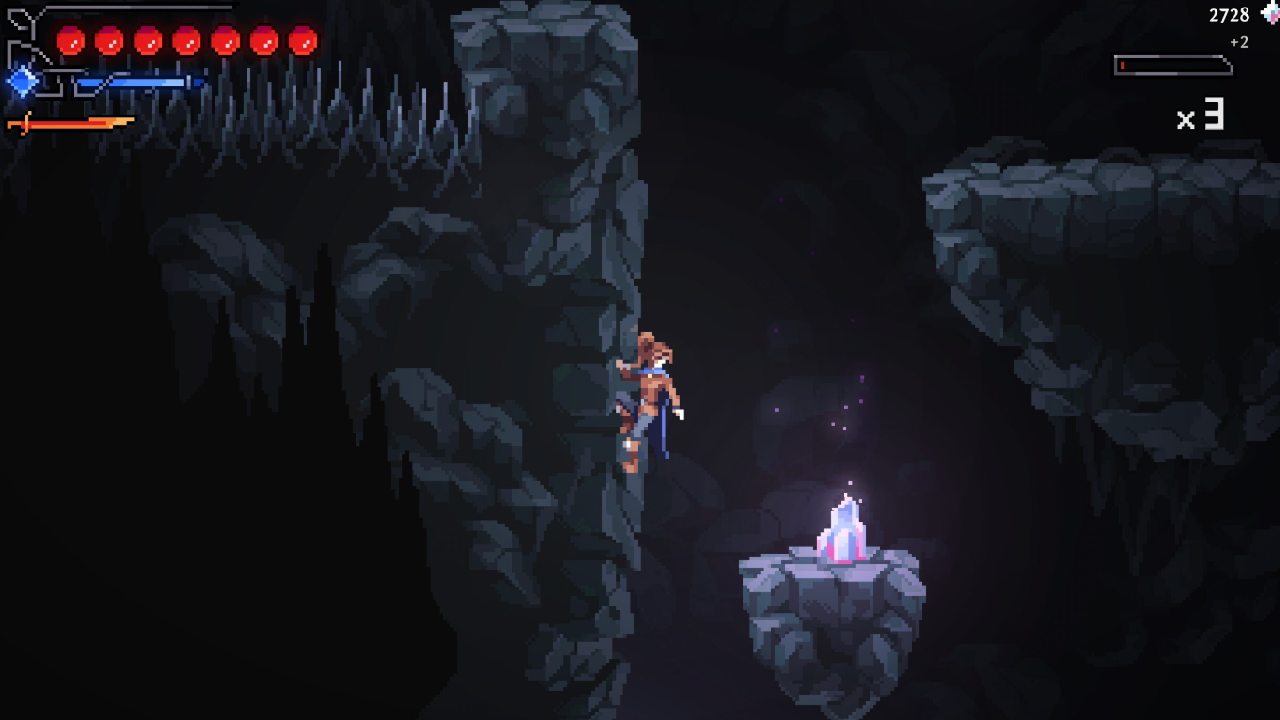
The Fury gauge adds another layer to combat.
Playing aggressively gives you temporary bonuses, so you're encouraged to stay active instead of always backing away. Special abilities can affect your blocking too, so you need to consider how you use that resource in difficult situations. All these systems work together really well.
What about the downsides of combat? The main issue is how much health enemies have. Some enemies just feel too tough. You might land a long combo, use your abilities, and dodge attacks, but their health bar barely moves. This can make some fights drag on longer than they should.
The combat itself isn’t the problem—it’s actually one of Divinum’s best features. The issue is that high enemy health slows down the fast, responsive feel that makes the combat fun in the first place. A bit more balance would make these encounters feel more rewarding.
Instead of a typical XP system like in some RPGs, Divinum's progression comes from gathering resources, finding upgrades, and improving your abilities. Sanctite is a main currency, while Life Shards and Mana Shards give you permanent boosts. Runes let you customize your build and try new strategies.
This system gives exploration a real purpose—finding a hidden room could mean getting an item that makes you stronger or gives you more combat options.
There are also combat challenges that reward you with extra abilities and Runes, which help you test your skills. It’s nice that you don't have to grind for hours to make progress; if you’re stuck, it’s usually better to explore and look for upgrades than to keep fighting the same enemies.
Puzzles in Divinum are much simpler than the combat. The main challenge is figuring out how to reach new areas, understand the environment, and use your abilities well. The game doesn't overwhelm you with tough puzzles, so the focus stays on movement and combat.
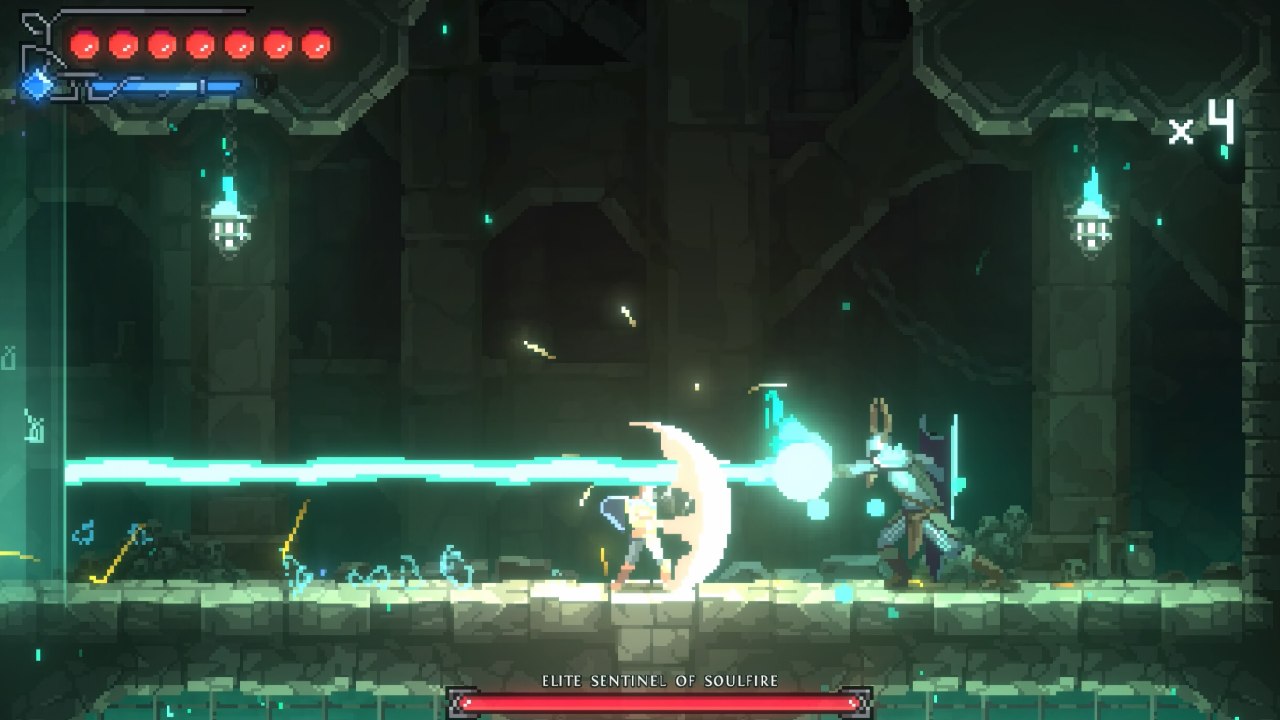
Exploration gets more interesting as you unlock abilities that open up new places, which is where Divinum feels most like a Metroidvania. Sometimes you’ll find a spot and wonder if you can reach it, and only after getting a new ability will you come back. This works well because it rewards you for remembering where you’ve been.
The downside is you don’t always have much freedom in how you move forward. You usually have to follow the intended path, and if you’re stuck on a tough boss, there aren't many other ways to progress. One of the main reasons why the Metroidvania label seems slightly exaggerated is that.
That's one of the main reasons the Metroidvania label feels a bit exaggerated here.
Its gloomy environments, underground areas, strange creatures, and detailed backgrounds create a world that feels appropriately dangerous. The environments work well with exploration, letting you search for hidden paths and collectibles instead of just moving from one fight to the next.
It doesn't try to match the visuals of big AAA games, and that's fine. The art direction gives Divinum its own personality, which matters most. The sound design is solid, but the soundtrack isn't a highlight. Sometimes, a stronger soundtrack could have made a bigger impact, especially during major fights and key story moments.
Combat sounds and ambient audio help set the mood, but the lack of a memorable soundtrack stands out, since the rest of the game clearly tries to create a strong atmosphere. It doesn't ruin the experience, but it does feel like a missed opportunity.
Divinum is an interesting game because its biggest strengths and weaknesses are easy to see. The combat is impressive for a game of this size—it's fast, responsive, and deep enough that you'll want to try different abilities and Rune combinations. Thanks to the phase dash, blocking, Fury system, and active abilities, you have lots of ways to handle encounters.
Exploring is fun too, especially when you find hidden rooms, collectibles, and areas that need abilities you get later. But the game doesn't always take its Metroidvania features far enough. The world isn't as open or interconnected as the best games in the genre, and progression feels pretty linear.
You get the basics of a Metroidvania, but you don't always feel that same sense of freedom and discovery. The story has some good ideas, but it doesn't develop them consistently, and the soundtrack could have done more to build the atmosphere.
Still, there's a lot to praise here, especially since it was made by just one person. Divinum doesn't need to be the next Hollow Knight to be great. It makes more sense to see it as a stylish action-platformer with some Metroidvania elements, rather than a full Metroidvania.
Editor, NoobFeed
Verdict
Divinum is a stylish, enjoyable action-adventure game with excellent combat, but its lack of substantial Metroidvania elements and uneven storyline keep it from being truly special.
80
Related News
No Data.