
CPU Shortage 2026 Explained as AI Demand Drives Price Hikes and Supply Crisis
CPU shortages intensify as AI demand shifts production priorities and increases pricing pressure across consumer and server markets.
Hardware by Naheyan Tahmin on Mar 27, 2026
The CPU market is changing quickly, and the AI sector is still unsure about what will happen next. Changes in prices, limited availability, and new competitors are changing the sector. At the same time, changes in AI workloads and infrastructure continue to affect how organizations use their resources.
We now know the truth about AMD's work on FSR4. AMD accidentally posted the whole MSR4 source code just a few months ago. The source code showed that the business was making an INT8 version of FSR4.
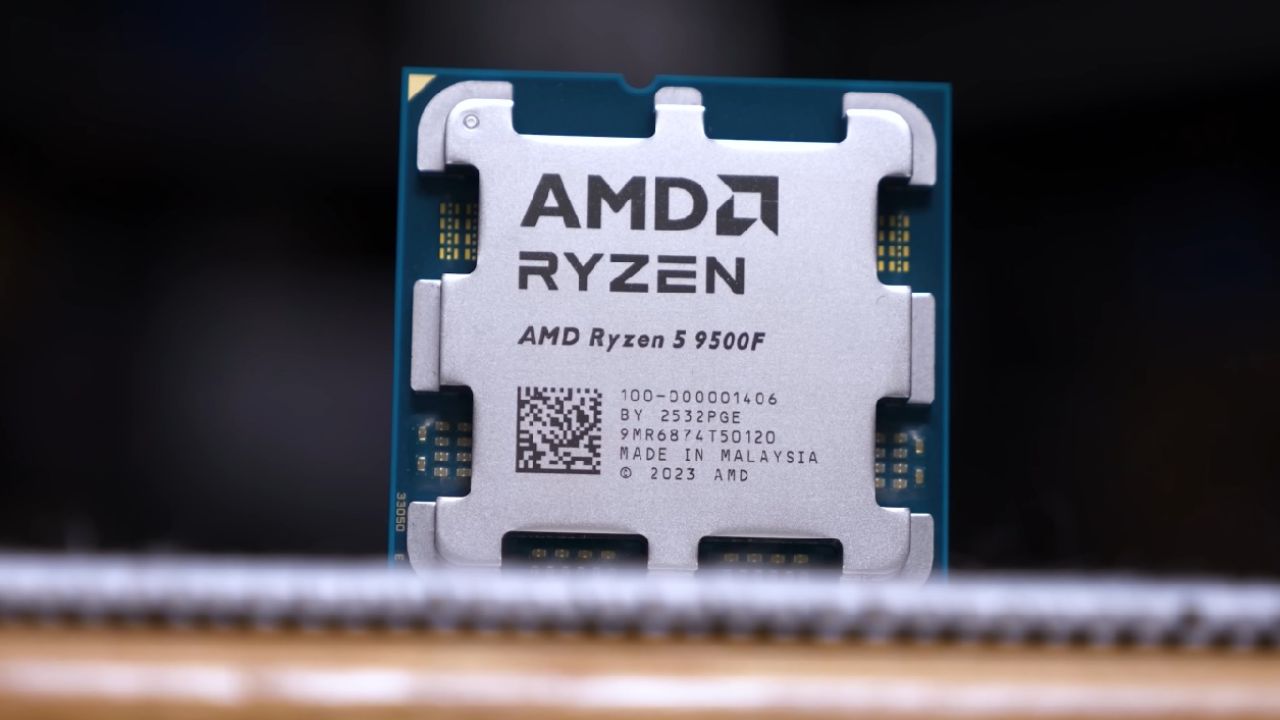
AMD's FSR4 Development and Hidden Features
AMD didn't release FSR4 for anything other than RDNA4 hardware since it needed FP8 support, which previous hardware didn't have. But the source code showed that there was an INT8 version that worked with older systems. Since then, Optiscaler has been able to make it run on older hardware with INT8. It doesn't look as fantastic as the FP8 implementation, but it still looks a lot better than FSR3.1.
Now we know why AMD was working on this. Mark Cerny from Sony discussed PSSR in an interview and said that FSR upscaling uses 8-bit floating-point values, whereas PSSR uses 8-bit integer values. The PS5 Pro has an iGPU based on RDNA2, which doesn't support FP8 but does support INT8. That's why there is a difference.
This shows that AMD wasn't just trying things out at random. It was evident that the INT8 version was made for an actual product. AMD has no good reason to keep this version from you. It could still be useful as a prototype or beta because it is already being used in a real-world setting.
Lack of CPUs and Rising Prices
We talked about how Intel raised costs on consumer CPUs and how AMD followed suit. Things are worse than we thought.
Reports say that both the PC and server CPU industries are struggling to get enough parts. Prices are rising by 10% to 15%, and some models are rising much more. Intel and AMD have both told their customers that prices will increase across all CPU series starting in March and April.
Lead times have also gotten a lot longer. Other orders that used to take 1–2 weeks now take 8–12 weeks, and others can take up to 6 months. Executives in the business say the shortfall is likely to worsen between April and June.
It's evident why. Both firms are prioritizing server CPUs over consumer goods. This change is happening because the AI sector, especially for agentic AI workloads, is asking for it. These workloads require significant CPU power, and the profit margins in this industry are higher than in the consumer market.
Because of this, production capacity is being moved. You can see that this reduces the supply of consumer CPUs, raising prices and making people wait longer.
Concerns about the AI Market
There is also a big change in the world of AI. OpenAI has said that Sora, a platform for turning text into videos, would no longer be available.
The official announcement indicates that the Sora app will no longer be available. More information on when it will happen and how to save data is expected. This choice comes soon after a big deal with licensed characters; thus, it was unexpected.
There seem to be several reasons for this. Making AI video content costs a lot of money. There are also concerns about deepfakes, copyright issues, and legal risks. Also, fewer and fewer people are interested in Sora.
Instead, it looks like resources are being moved toward products that are more focused on businesses. This means that consumer-focused AI technologies may not last as long as initially thought.
There are signs that the AI market is not growing as quickly as expected. This makes people wonder if the AI bubble is starting to lose strength.
ARM Goes Straight into the CPU Market
The CPU industry has changed a lot since ARM made its own CPU. In the past, ARM has licensed its architecture to other companies instead of making chips itself. This adjustment makes that model different.
The new CPU has up to 136 ARM Neoverse V3 cores. It has a 300W TDP and a memory bandwidth of 6GB/s per core with a latency of less than 100ns. It is designed for 1U server configurations with many servers and is intended for AI workloads.
ARM says that its CPUs can do up to twice as much work per rack as x86 CPUs. The focus is on server efficiency and rack density, not on customer performance.
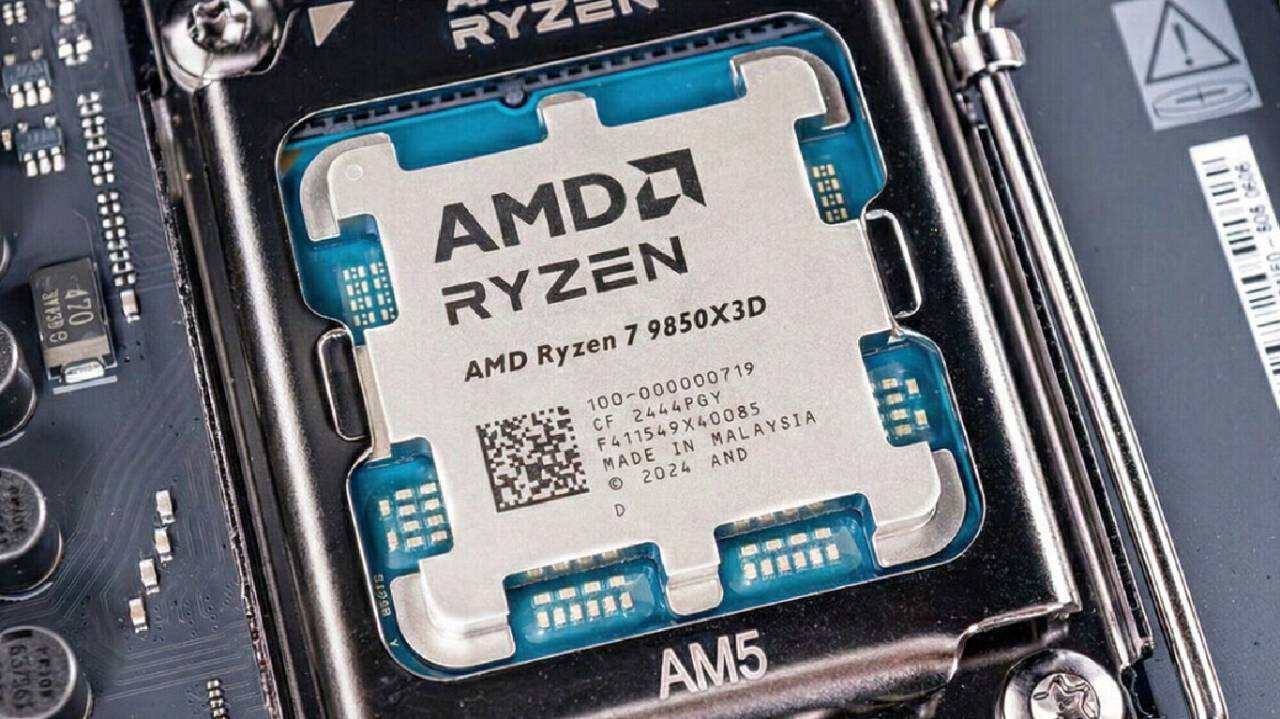
The biggest change is that ARM is now a direct competitor to its own partners. Companies that use ARM's IP, such as those that make bespoke chips, now find themselves in a situation where the supplier is also a competitor.
We can see what might happen. ARM might put its own products first, change the conditions of its licenses, or make it harder to access innovative technologies. This leaves businesses that rely on ARM architecture unclear.
This strategy also explains why ARM has been tried to be bought in the past: owning the architecture would stop this kind of rivalry. The balance of power in the CPU market is shifting now that ARM is making its own silicon.
Final Thoughts
Many changes are happening at once. Consumers are feeling the effects of CPU shortages and rising prices. The need for AI is changing the order in which things are made. Cost and legal issues are causing some AI products to be scaled back. At the same time, ARM's entry into the CPU market adds new competitors.
As businesses deal with these pressures, you may expect more changes. The CPU and AI sectors are becoming increasingly intertwined, and choices made in one area are affecting the other.
Also, check our other hardware articles:
- AMD Ryzen 9 9950X3D Review: Setting The Standard For 2025 Gaming CPU
- Amazon Luna 2025 Review: Is Prime Gaming's Cloud Service Your Go-To For Casual Fun?
- AMD RX 9070 XT Review: AMD's RDNA 4 Champion for 1440p Gaming
- GeForce Now Ultimate: Ditching Your Gaming PC For Cloud RTX 4080 Power?
- NVIDIA GeForce RTX 5080 Review (2025): Still A 4K Gaming Powerhouse?
- Intel Core Ultra 9 285K Review And Performance Breakdown (2025)
- AMD Ryzen 7 9800X3D Review: 3D V-Cache Goes God Mode with Stunning Gaming Performance
- Intel Core Ultra 9 285K vs AMD Ryzen 7 9800X3D: In-Depth Gaming Performance and Benchmark Comparison
- NVIDIA GeForce RTX 5080 Super Performance In Cyberpunk 2077: Path Tracing & DLSS 4.0 Tested
- AMD Radeon RX 9070 XT In Cyberpunk 2077: Ray Tracing & FSR 4.0 Tested
- Intel Arc B580 Review: The $250 GPU Revolutionizing 1440p Gaming
- Intel Arc B570 Vs. B580: Value, Specs, And Real-World Gaming Performance
- RTX 5090 Laptop Vs. M4 Max MacBook Pro: Ultimate Raw Performance Vs. Battery Endurance
- Intel Arc b580 Vs. RTX 4060: Game Performance And Value Analysis
- RTX5090 Hell Is Us Demo 4K Ultra Benchmark: DLSS Vs. Native Performance Guide
- NVIDIA RTX 5070 Review: Mid-Range Muscle or Marketing Hype?
- Nintendo Switch 2 Review: Handheld Performance, Features & Value Breakdown
- RTX 5070 Ti Review: Performance, Thermals & Power Efficiency Tested
- Samsung Odyssey OLED G81SF Review 2025: Ultimate 32-Inch QD-OLED Gaming Monitor
- AMD RX 9070 Performance Review: Thermals, Clocks, and Real-World FPS
- AMD Ryzen 5 7600 Review: Best Budget Gaming CPU of 2025?
- AMD Radeon RX 7800 XT Review: RDNA 3 Power For Midrange Gaming
- Asus ROG RTX 5090 Astral OC Vs. Founders Edition: The 4K Gaming Benchmark
Editor, NoobFeed
Latest Articles
No Data.