
Jurassic World Evolution 2 Guide | How To Build the Best Dinosaur Enclosures
Master the art of creating stunning and functional dinosaur enclosures for your park in Jurassic World Evolution.
Game Guide by Jubair Baky on Jul 20, 2025
Creating spectacular dinosaur habitats in Jurassic World Evolution 2 can transform the look and feel of your park.
This guide provides step-by-step instructions and practical tips for building more immersive, functional, and visually impressive enclosures.
The focus is on imaginative design, without requiring mods, perfect for sandbox builders who want to craft memorable and unique enclosures. If you're changing the plan of your park for visitors or trying out new features, this guide will help you do a great job.
Getting Started: Planning Your Enclosure
Select the method you want to use first. You can choose which species to house first and then let that guide your design, or you can come up with ideas for the plan first and then pick species that will work with it.
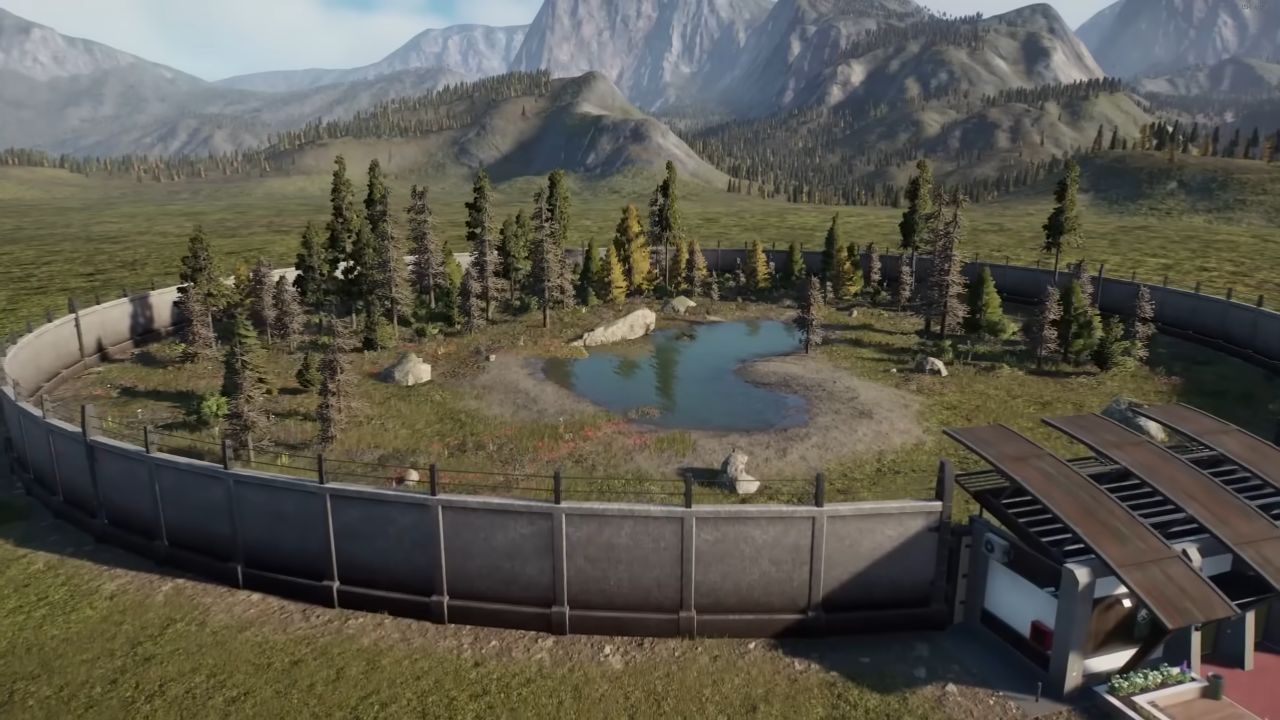
Consider how guests will experience the exhibit before building any fences. Sketch your layout on paper, use the terrain tool, or experiment directly in-game.
For instance, envision lookout points from the path, semi-circular viewpoints, and mountain backdrops to give the habitat a natural setting.
Choosing Species and Assigning Spaces
Once the concept is ready, select species that match your layout.
For example, a nighttime-themed enclosure might feature a Log Viewing Gallery exclusive for small species.
Pairing a small carnivore, such as the Pyro Raptor, with impressive herbivores like the Apatosaurus and Brachiosaurus can create visual and behavioral interest.
Constructing Essential Enclosure Elements
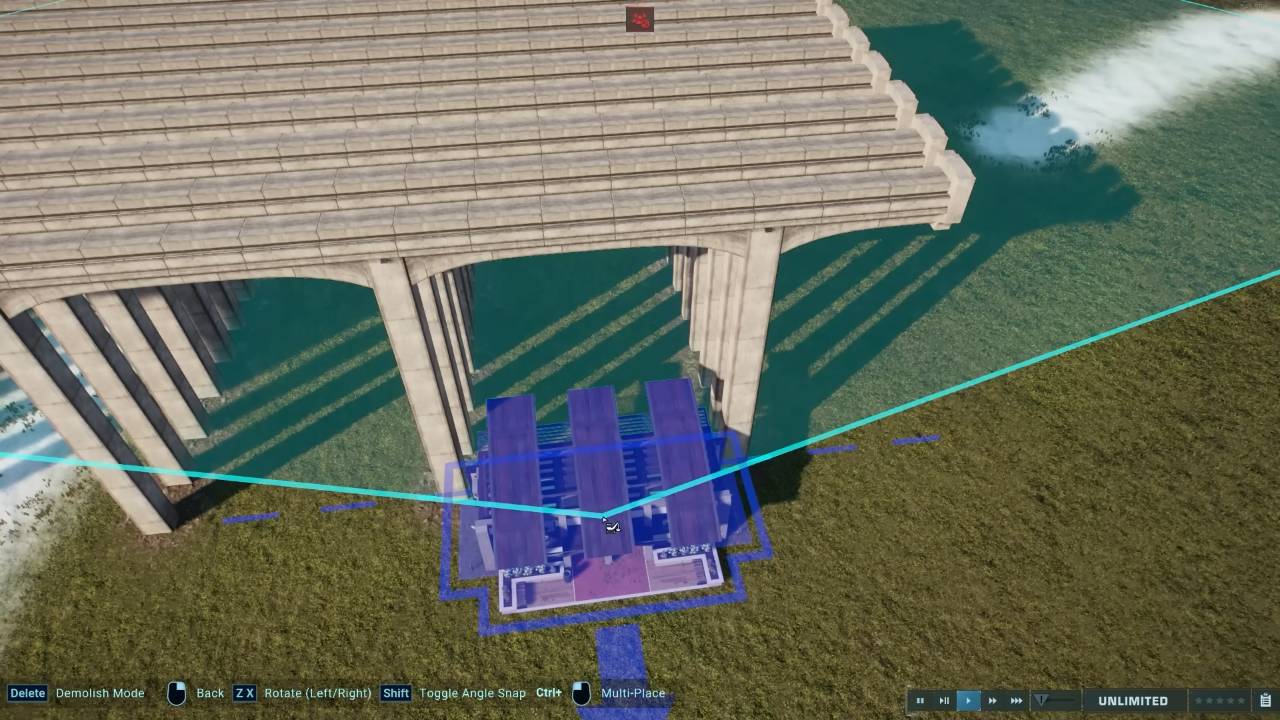
Start construction with the most complex or time-consuming feature. For a nighttime enclosure, building a monorail roof can be the trickiest part. Use paths set at 90-degree angles as guides to ensure the monorail tracks align perfectly.
Adjust depth and shape as needed—sometimes this means starting over if proportions are off, so flexibility is key.
After the core structure is set, place viewing galleries at desirable locations, such as the end of an enclosure or opening from a nighttime habitat.
Position a meat feeder strategically near the gallery to attract small carnivores and ensure they use the nighttime area, especially if larger herbivores don't require carnivore feeding stations.
Laying Groundwork for Interior Features
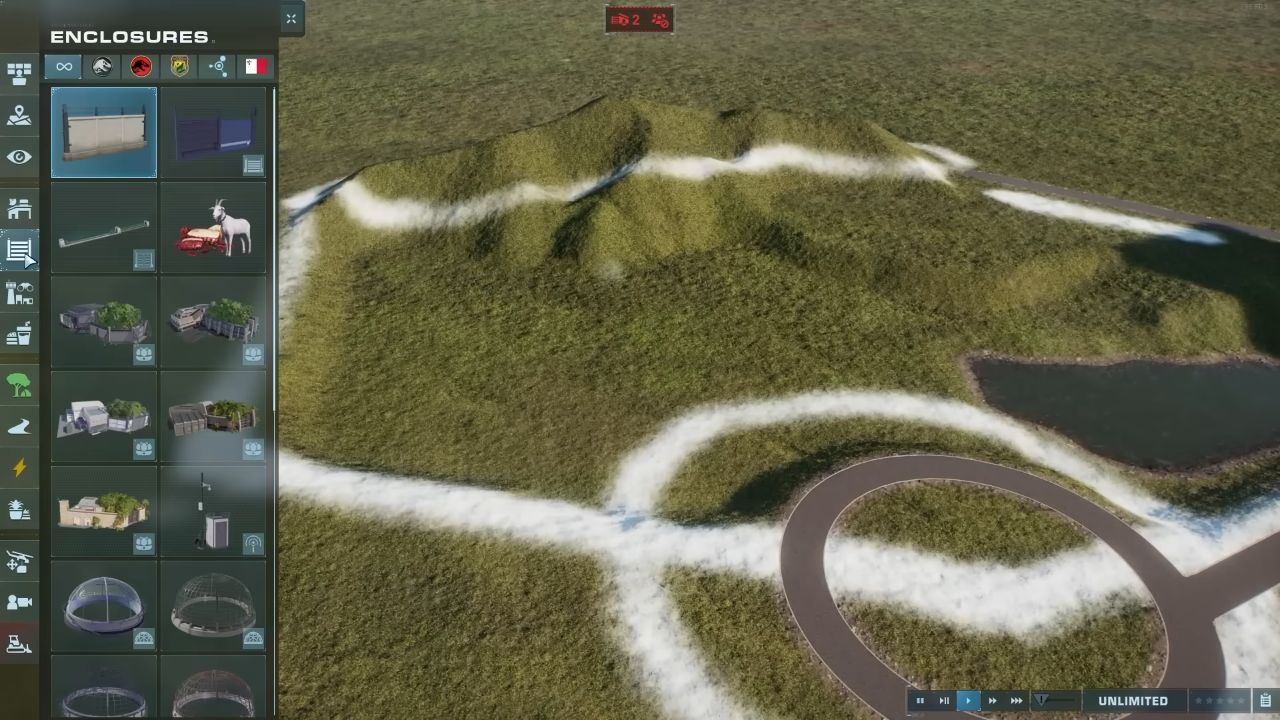
Create natural-looking terrain by building slopes for dinosaur movement and placing water bodies. Use rocks and elevation to shape the habitat while preventing dinosaurs from accessing restricted areas.
The layout may diverge from your initial sketch—embrace these changes to enhance the final result.
Making the Enclosure Functional
Use different fence types where appropriate. For example, employ concrete fencing between exhibits, invisible fencing to block mountain access without disrupting the landscape, and creative objects along guest paths to form boundaries.
Consider "windows" in fences to grant guests views into the enclosure without traditional viewing attractions.
Console players may face limitations with available building options. Even with platform restrictions, innovative combinations of available buildings, decorations, and biomes can produce outstanding results.
Substitute creatively, adapting builds to suit the resources available.
Detailing the Interior: Nature and Decoration
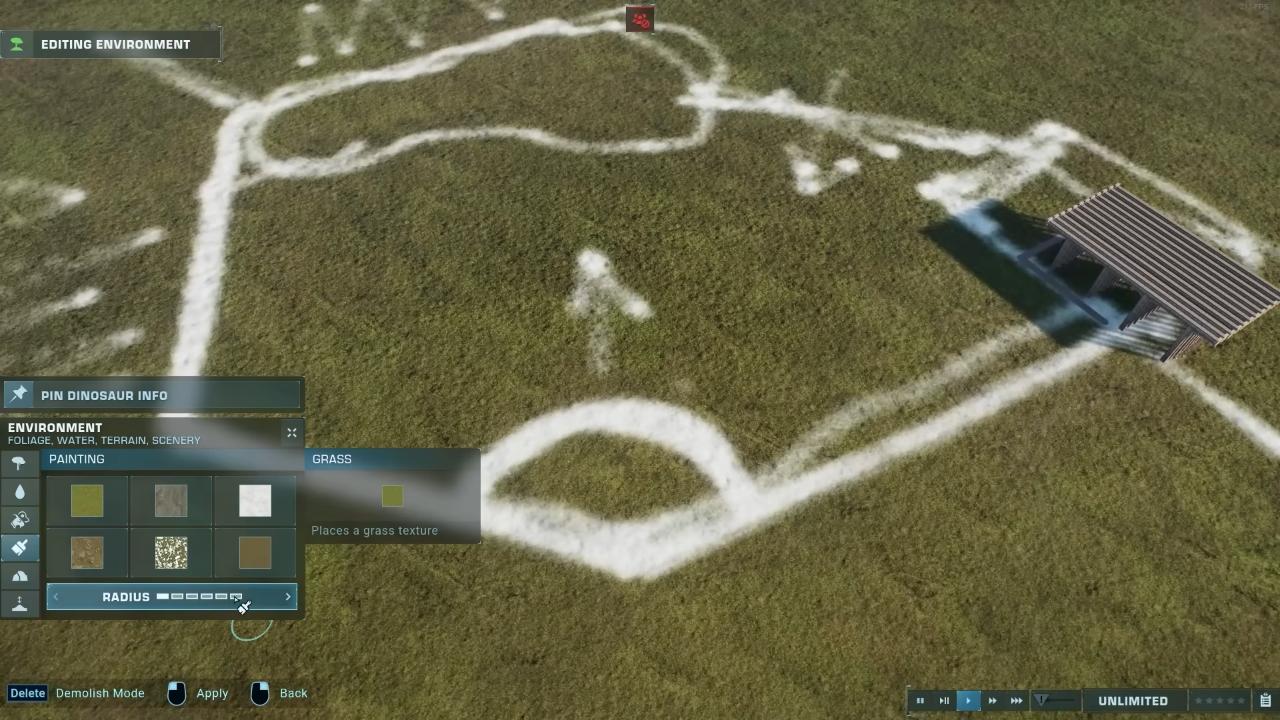
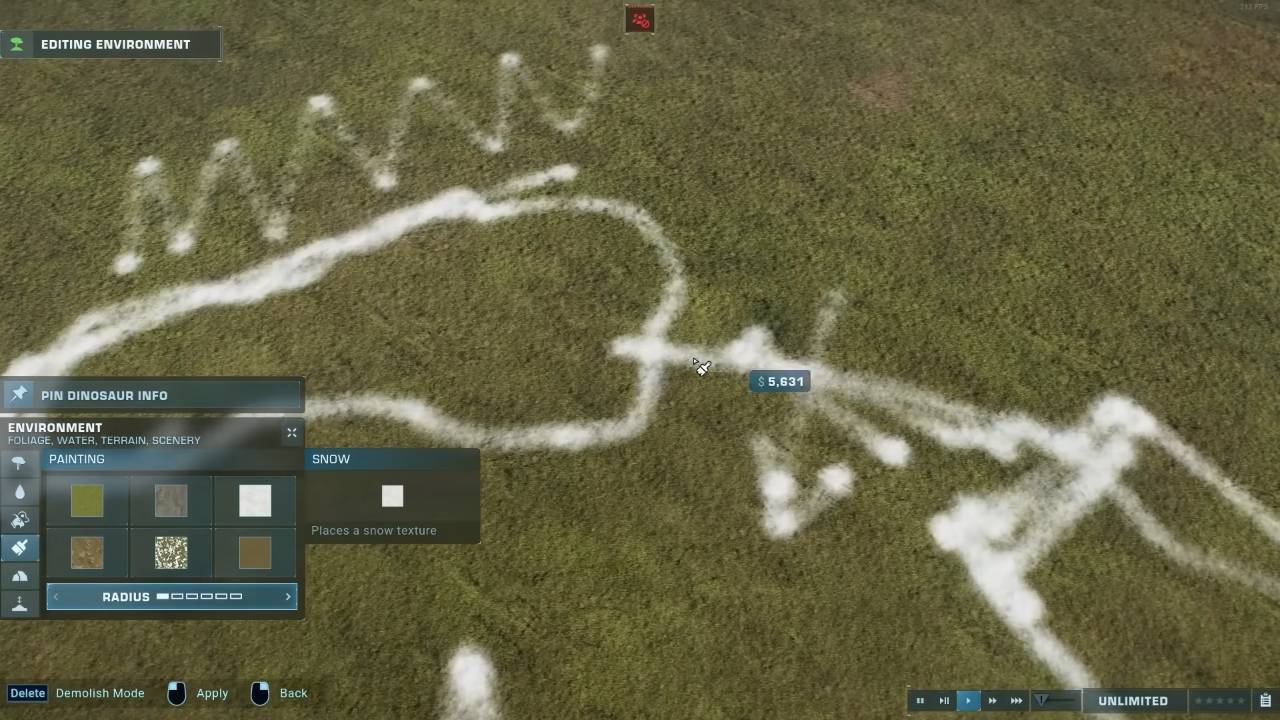
When detailing the interior, use the smallest terrain brush for random shapes and veins, and the largest brush with a light touch for blending textures.
Block steep terrain with varied rocks to create a natural appearance, then fill gaps with foliage and individually placeable trees for more precise sightlines. Always check views from galleries to balance clear vistas with natural scenery.
If the herbivore feeding need is disabled, you can freely choose decorative foliage over functional food sources, shaping the biome to your aesthetic preference without gameplay constraints.
Enhancing the Exterior and Guest Experience
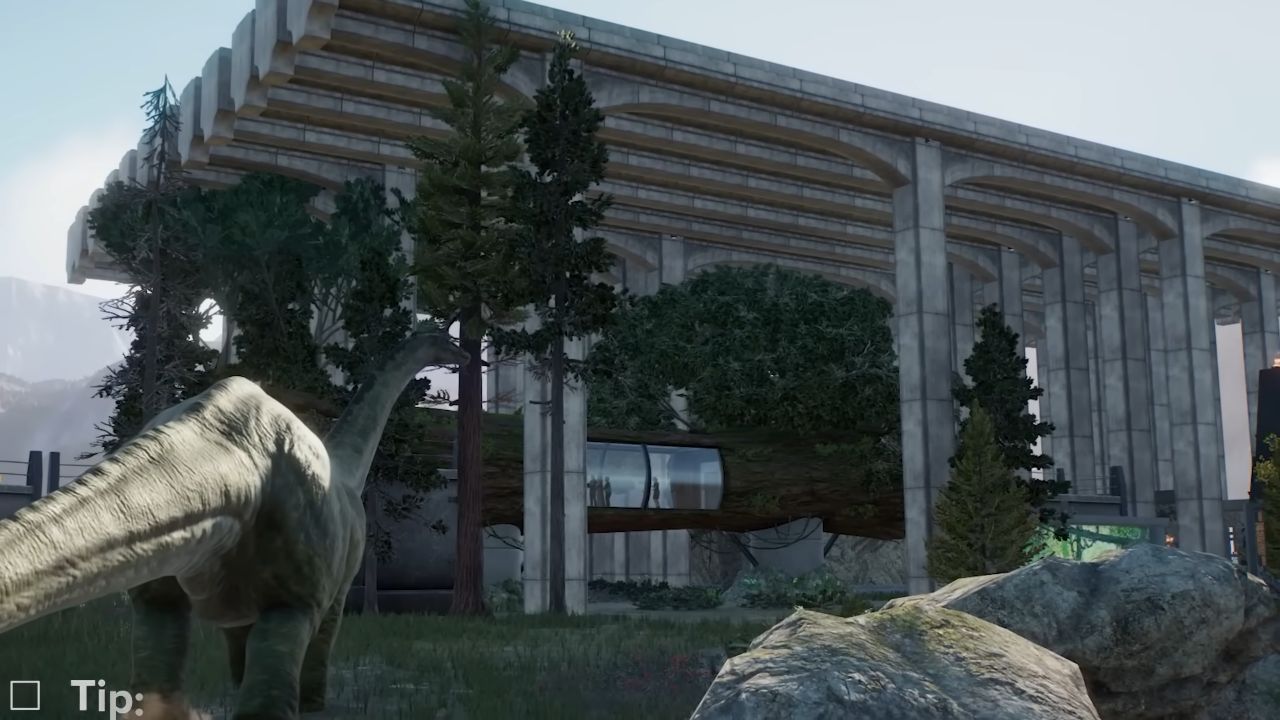
Design the area around the enclosure with the same care as the habitat itself. Adding features like a monorail circle can unify the enclosure's architectural theme.
Multiple plateau levels offer varied guest viewpoints. Break up paths by integrating boxed-in seating areas with distinct patterns, and create photo opportunities with attractive backdrops.
The effective use of decorative items, such as wall pieces from the Jurassic Park update, can create secluded guest sections and realistic tunnels, especially when coordinated with monorail structures.
Applying and Adapting These Techniques
By doing these things, you can create unique enclosures that enhance your park's appearance and provide visitors with a better experience.
You can mix and match the parts in an infinite number of ways to make different containers, each one unique.
For best results, balance highly detailed habitats in key park areas with simpler builds elsewhere to save time while maintaining a visually impressive overall layout.
Also, check our Jurassic World Evolution 2: Dominion Biosyn Review
Editor, NoobFeed
Latest Articles
No Data.