
The Evolution of Player Choice: How Narrative-Driven Games Are Winning Over Hardcore Gamers
Other by Aisaka Taiga on Aug 20, 2025
For a long time, hardcore gamers were thought to crave nothing but punishing mechanics, nail-biting challenges, and competition with no room for “soft” experiences. Story-heavy games? Those were for the casual crowd, or so people believed.
Today, that stereotype has crumbled. Games where player choice drives the story and gameplay aren’t just thriving; they are the new norm.
How Player Choice Shook Up Gaming
Choice in games isn’t new. It’s been around since the early RPGs, but its evolution is remarkable. Chrono Trigger toyed with multiple endings long before they were popular. Then came Knights of the Old Republic, handing you the reins to sway between Light and Dark, twisting not just your character’s path but the entire narrative. Back then, those mechanics felt groundbreaking, even if limited by design.
Modern titles don’t just sprinkle in decisions; they’re built around them. Every quest and every side interaction matters. Players stopped being passengers and became co-authors of the journey.
Why Even Hardcore Gamers are Hooked
So, what changed? Why are players who once lived for high-stakes PvP or relentless speedruns now sinking hundreds of hours into story-driven sagas?
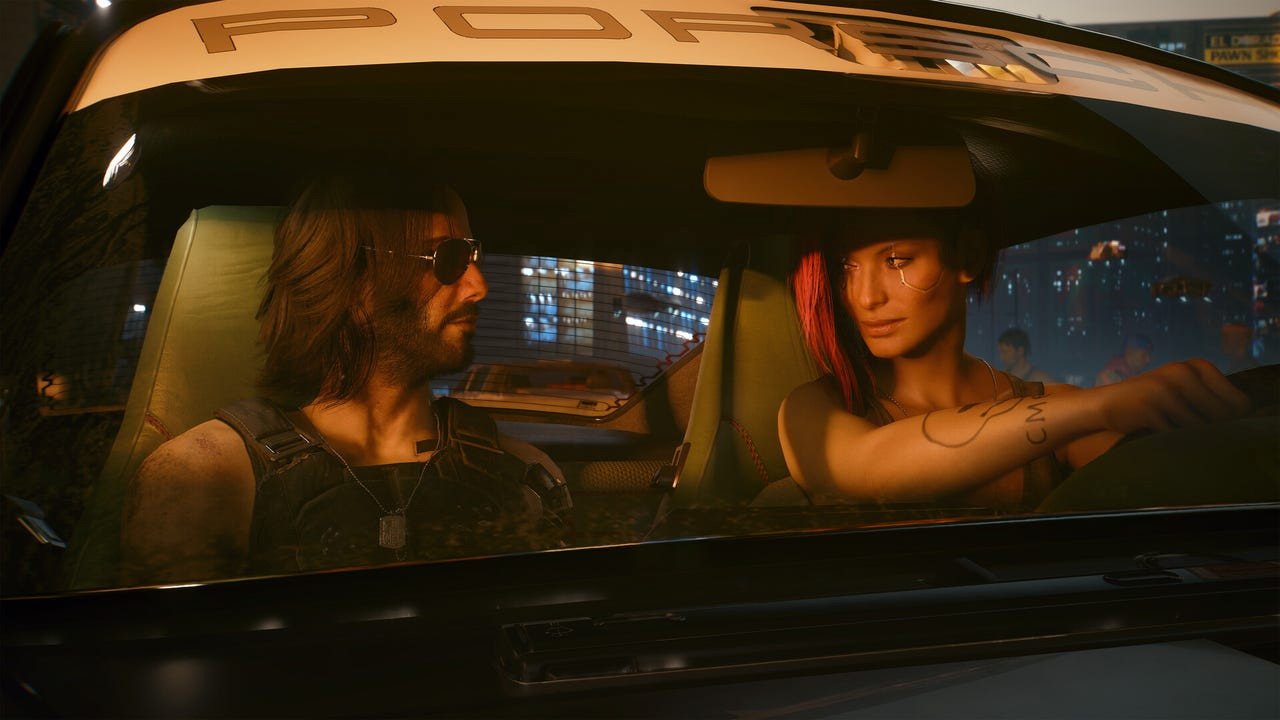
These games don’t trade gameplay for narrative. Deep combat mechanics are blended masterfully with an award-winning story in titles like The Witcher 3 and Dark Souls 3, while Cyberpunk 2077 and Red Dead Redemption 2 prove you can have a sprawling sandbox and a narrative that cuts deep.
There’s also the strategy factor. For hardcore gamers, systems are puzzles to master, and here, the system is the story. Choosing a faction, saving one ally while sacrificing another - those moments hit as hard as clutching a win in a competitive match. Replay value is off the charts. An overlooked path, an unexpected ending, and a secret tucked away in plain sight keep players coming back—the constant sense of discovery, not the mindless grind of repeating the same missions.
And maybe, just maybe, gaming itself has grown up. Gamers who once scoffed at “emotional” experiences have been floored by titles like The Last of Us or God of War (2018). These games don’t just tell a story - they make you feel it, without ever watering down the gameplay.
Narrative Games and Smart Decisions
Here’s the interesting part: the appeal of choice-driven experiences spills beyond gaming. Making decisions that matter, whether in an RPG or real life, just feels good. You weigh options, think strategically, and get rewarded.
Seasoned players know this well. When it comes to online promotions, they gravitate toward offers that give them freedom. This is a fundamental connection and desire that is deeply embedded in human nature. To feel that our actions have meaning, even if on a smaller scale. Games that hand you meaningful choices mirror the decisions you face every day.
The Future of Player Choice
Looking ahead, the momentum isn’t slowing. With AI and procedural design creeping into narratives, the future could bring playthroughs where no two experiences are ever alike.
Hardcore gamers haven’t walked away from the challenge - they’ve rewritten the rules. It’s no longer only about lightning-fast reflexes; it’s about the weight of every choice and the paths those decisions lead.
In the end, the rise of player choice isn’t just making games better - it’s making them yours. Whether you’re forging your way through a sprawling RPG or making a clever call in an online event, the real rush comes from knowing the outcome exists because of you. And honestly? That’s the evolution gaming needed.
Moderator, NoobFeed
Latest Articles
No Data.