
RDNA 5 Could Bring 3GHz+ GPU Clocks to Next-Gen Consoles
RDNA 5 clock speed targets could shape the graphics performance and power characteristics of PlayStation 6 and next-generation Xbox consoles.
PlayStation by Shinji Okazaki on Sep 03, 2026
Many of the specs for the next Xbox and PlayStation 6 have been released. There have been several updates regarding the hardware capabilities of both consoles, suggesting that Microsoft and Sony are going in separate directions. Microsoft seems more interested in achieving better hardware performance at a higher price.
In contrast, Sony seems more interested in finding a balance. Also, leaks have started showing RDNA5 for desktop GPUs, letting people compare next-generation consoles and PC hardware before they come out. At the time of taping, neither Microsoft nor Sony had officially disclosed the final specs for their hardware.
Changes to the RDNA5 Architecture
Sony has confirmed that the PlayStation 6 is in the works, and Mark Cerny has been seen with AMD discussing what future GPUs will be capable of. All the information we have right now is based on leaks until formal announcements are made. Some of these leaks, meanwhile, come from sources with a good track record, such as NeoGAF discussions and KeplerL2, whose past information has been correct.
In earlier RDNA generations, compute units were not equivalent to workgroup processors. In RDNA 2, for instance, two compute units were equivalent to one workgroup processor. AMD is changing this arrangement with RDNA 5, making compute units and workgroup processors essentially the same thing. This represents a significant architectural shift.
These modifications also affect how caches are implemented, especially L1 and L2 caches, which have changed since RDNA 2 and RDNA 4. PlayStation 6 home console is likely to have between 52 and 54 RDNA 5 compute units, each running at 2.6-3 GHz.
At first glance, the L2 cache appears small; this aligns with RDNA 5's new cache layout. The CPU setup should have 7 to 8 Zen6C cores and 2 Zen6LP cores, for a total of 9 to 10 cores. These specs might still vary based on yields and final production decisions, but the information we have now shows they are close to being final.
Specifications for Xbox Magnus
Xbox Magnus system is said to have 68 RDNA 5 compute units, 70 total units, and 2 units that are not working. It has 4 shader engines and 24 MB of L2 cache, a significant improvement over last-generation systems. The CPU also has more cores than the PlayStation 6. Many people have discussed memory capacity, and 48GB of GDDR7 is a common figure.
KeplerL2, on the other hand, provides a more detailed breakdown, with 30GB for the PlayStation 6 home console and 36GB for Xbox Magnus. The amount of memory has increased significantly over the last generation. Xbox system would have more than twice as much memory as current consoles, and the PlayStation 6 would have more than twice as much memory as the PS5's 16GB.
SSD performance will also improve, potentially offsetting discrepancies in raw memory capacity. These adjustments suggest that data throughput and system responsiveness will improve significantly. Sony is focusing on making a console that is both affordable and can be sold in large numbers.
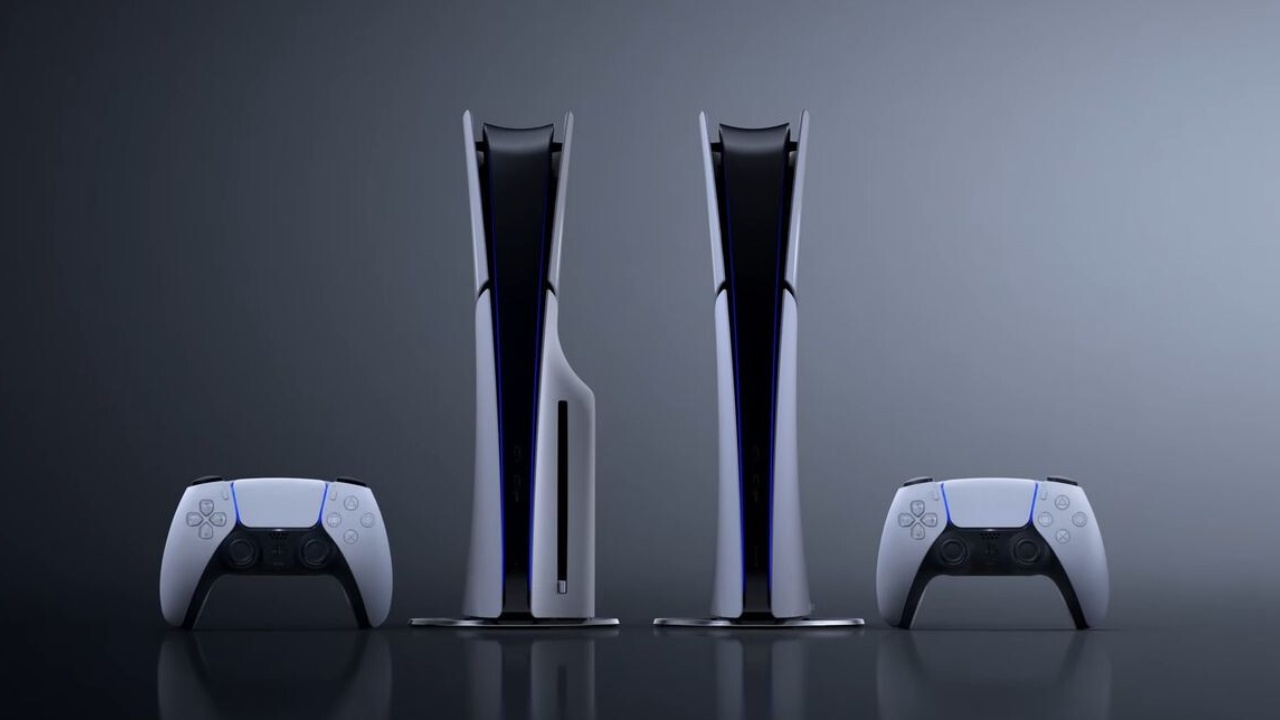
Microsoft's plan points to a high-end gadget that makes it hard to distinguish between a console and a Windows PC. These are aimed at diverse audiences. Some people prefer a classic console ecosystem, while others prefer the versatility of a PC. Backward compatibility and system integration will be quite important in how people react to these platforms.
PlayStation 6 Handheld
There has been a lot of talk about the PlayStation 6 portable, especially about how many compute units it has. Current data suggests that 16 RDNA 5 compute units. This gives a handheld device a lot of memory bandwidth. There have also been discussions about how it could work with future VR devices, but this has not yet been proven. There were reports before that the same processor could run both a handheld console and a VR device on its own.
Several RDNA5 variations have been leaked, including 802, 803, and 804. Rumor has it that the highest-end desktop die will have up to 192 compute units, though most people think gaming GPUs would use smaller versions of these dies. There have also been mentions of numbers like 184 compute units. Lower-tier versions are likely to focus on the mobile and APU markets, with configurations that range from 12 to 48 compute units.
Even if the numbers are right, there is still a big difference between high-end desktop GPUs and console hardware. A console with 70 compute units is only a small part of a high-end desktop GPU setup. Cost is a big deal here because building a system around a top-of-the-line RDNA 5 die would cost much more than building a console.
The next-generation RTX 60 series from Nvidia is likely to focus on higher clock speeds.
Potentially reaching 3GHz, rather than drastically increasing the number of SMs. Ray tracing, neural rendering, and new cache hierarchies are among the architectural modifications RDNA 5 introduces. This makes it more likely that AMD and Nvidia will compete more closely in areas where Nvidia has always been ahead.
There have been discussions among developers about possible delays, but none have been officially confirmed. Development was going well as of late last year. Reports say that early production of the PlayStation 6 SoC has begun. Even as market competition has helped lower some costs, memory prices remain volatile.
In theory, any major delays may lead to revisions to the specifications, but redesigning silicon is a long and complex process. Both Sony and Microsoft are ready to release next-generation systems that are competitive yet have different goals. We still don't know the final clock speeds, special features, or how the software will work together. When official announcements are made, everything should become clearer.
Editor, NoobFeed
Latest Articles
No Data.