
Evolution of NVIDIA’s X60 Series: 9 Generations of Mainstream Gaming Power
NVIDIA’s X60 lineup has consistently balanced affordability and performance, defining mainstream gaming standards across multiple generations.
Hardware by Tanvir Kabbo on Nov 05, 2025
The GeForce GTX 460 popularized the idea in 2010, and Nvidia's X60 series has since been the standard for what we consider a true gaming card. These GPUs are designed for the average user and have consistently performed well without incurring significant costs. Across nine generations, the X60 lineup has shaped the desktop gaming experience and set the standard for value-oriented performance.
Kepler Architecture and the Rise of Efficiency
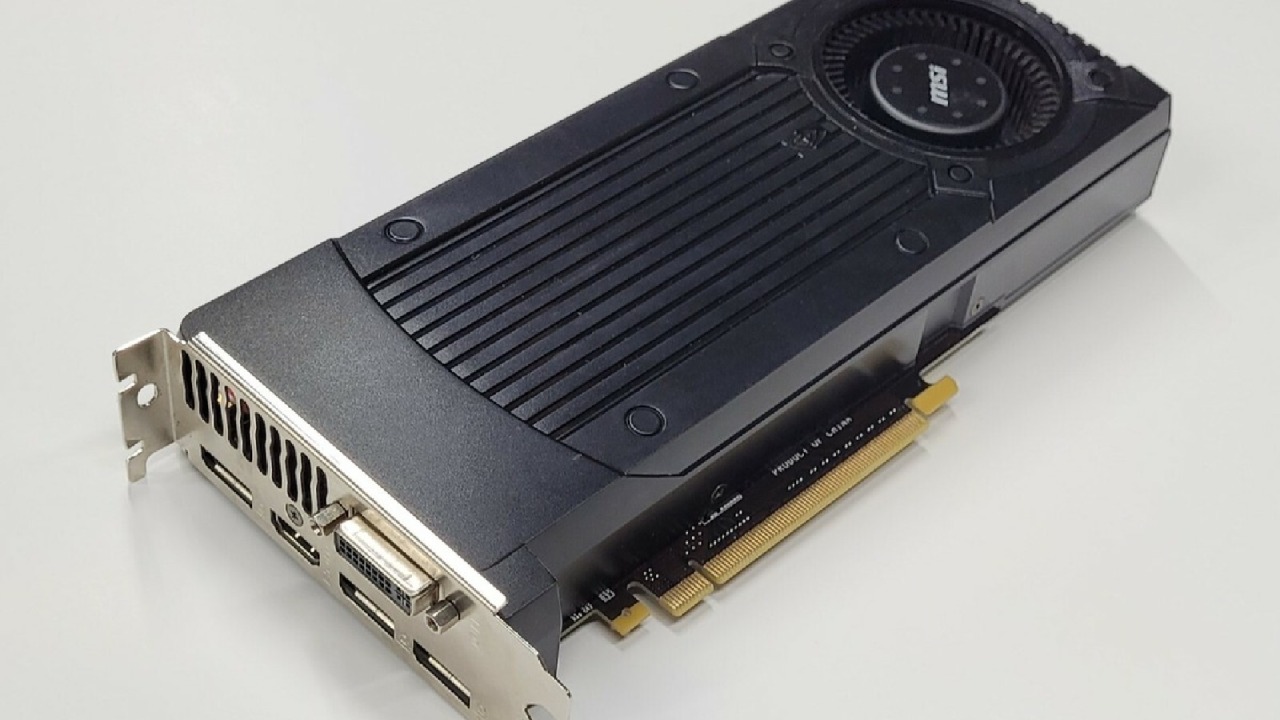
In September 2012, the GeForce GTX 660 launched at $230, competing against AMD's Radeon HD 7870 and HD 7950—two of the first cards to debut AMD's Graphics Core Next architecture. Powered by the Kepler architecture, the GTX 660 introduced major advancements, including significant improvements in performance per watt, dynamic GPU Boost, and the first implementation of NVENC, a hardware-accelerated video encoding technology. It also established 2GB as the new mainstream video memory size.
A year later, in June 2013, Nvidia followed up with the GeForce GTX 760, priced at $250. Also based on Kepler, this refresh competed with AMD's Radeon R9 280 and R9 280X. The 760 used the larger GK104 silicon from the previous generation's higher-end cards, offering GTX 670-level performance at a more accessible price. It was also the first X60 card to support SLI multi-GPU technology.
Maxwell Revolution: Performance per Watt Redefined
The GeForce GTX 960 came out in January 2015 for $200. It went up against AMD's Radeon R9 300 series. Although it was still based on the 28nm node, it represented a significant performance improvement per watt due to its foundation on the Maxwell architecture. The 960 also introduced VR Direct for low-latency display technologies and a new memory compression mechanism, which considerably enhanced effective bandwidth.
Pascal Era: Where Efficiency Meets Raw Power
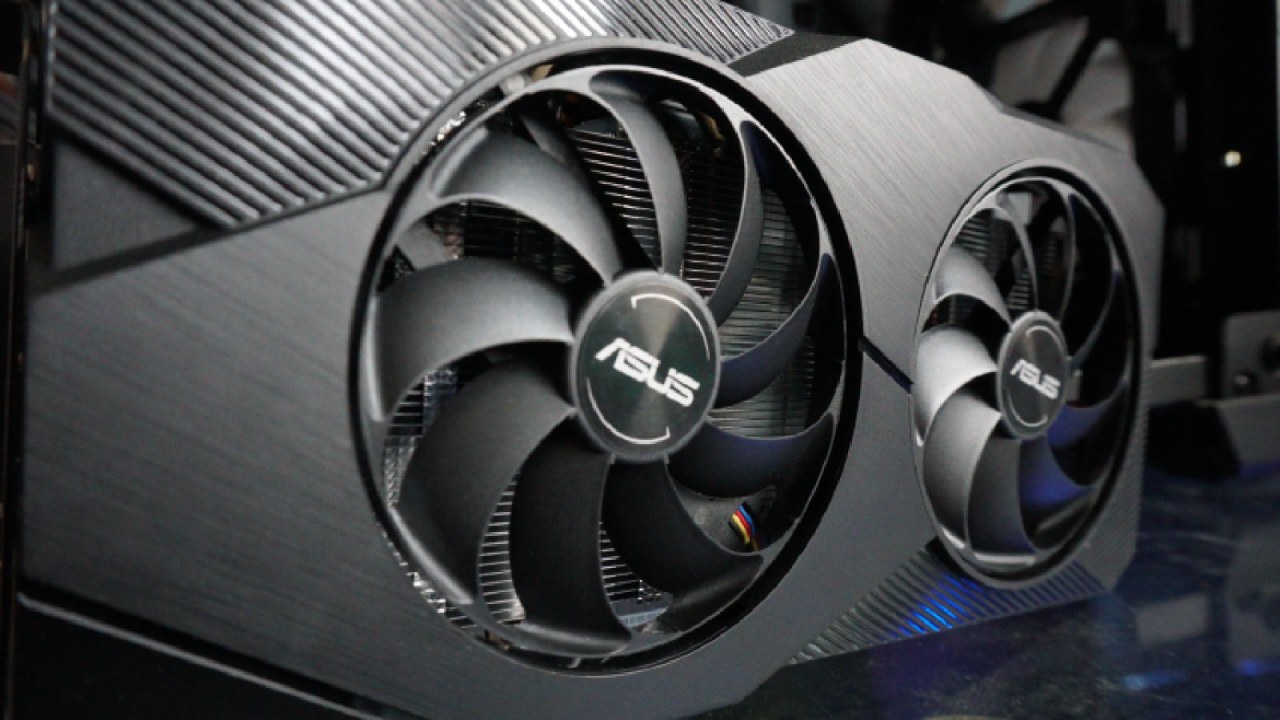
NVIDIA unveiled the GeForce GTX 1060 in July 2016. The 6GB version is priced $300. The 1060 was made using the Pascal architecture and the newest 16nm FinFET node. It consumed only 120W of electricity and performed like a GTX 980. This generation also extended Nvidia's Founders Edition branding to the X60 series for the first time, giving the mainstream lineup a premium touch.
Laying the Groundwork for AI Acceleration
In March 2019, the GeForce GTX 1660 was introduced at $220, competing with AMD's Radeon RX 580 8GB. Utilizing a variant of the Turing architecture that excluded ray tracing and tensor cores, it focused on improved efficiency and classic rasterized performance. It also featured a more capable NVENC encoder for streamers.
However, the true successor to the 1060 arrived earlier that year in January—the GeForce RTX 2060. Priced at $350, it introduced the full Turing architecture, featuring dedicated RT cores for real-time ray tracing and tensor cores for AI acceleration, which enabled the groundbreaking DLSS technology.
Ampere to Ada Lovelace: Expanding the AI Frontier
The GeForce RTX 3060 launched in January 2021 at $330, competing with AMD's Radeon RX 6600 XT and RX 6650 XT. Built on the Ampere architecture, it featured a stronger ray tracing pipeline, PCIe Gen4 support, and an impressive 12GB of memory. It also made DLSS 2.0 an essential feature for 1440p gaming.
In May 2023, the GeForce RTX 4060 arrived at $300, going head-to-head with AMD's Radeon RX 7600. Based on the Ada Lovelace architecture, it introduced the divisive DLSS 3 frame generation—an AI-driven technique capable of creating entirely new frames to effectively double frame rates. Despite debates over its implementation, the 4060 impressed with its exceptional efficiency, drawing just 115W of power.
Blackwell and the Modern Era
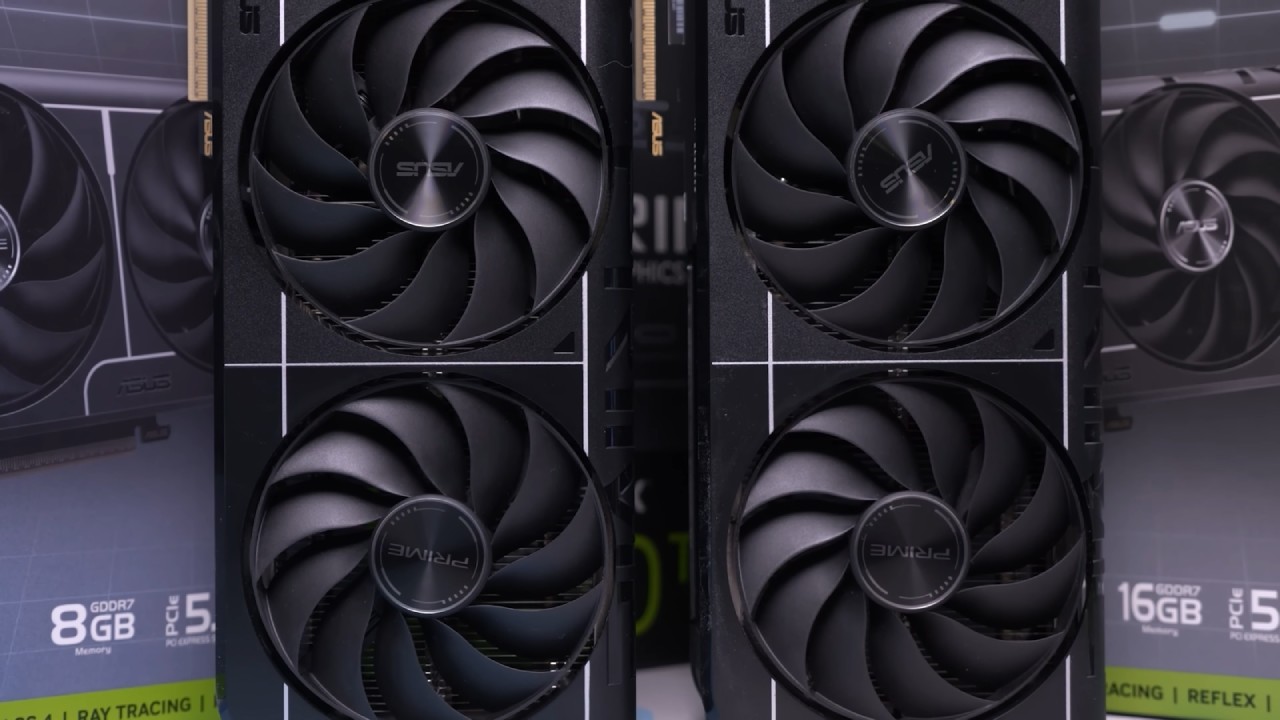
Nvidia finally delivered the GeForce RTX 5060 for $300 in May 2025. It had to compete with the Radeon RX 9060 XT. It still utilized the 5nm node, but now featured support for PCIe 5.0 and faster GDDR7 memory. It was compatible with the Blackwell architecture. Its standout feature, DLSS 4 multi-frame generation, leverages AI to produce up to three additional frames after every conventionally rendered one—potentially quadrupling frame rates in supported titles.
Performance Evolution Across Generations
Testing across a range of titles showcases the remarkable generational growth of the X60 lineup. In Battlefield 1 (2016), the GTX 660 performs admirably for its age, while the GTX 760 shows a slight improvement. The GTX 960 marks a clear step up, but the GTX 1060 delivers a monumental leap at 83fps—over 70% faster than the 960. The GTX 1660 achieves 102fps, while the RTX 2060 surpasses the 1060 by an additional 60%.
The RTX 3060 delivers a solid 20% improvement, the RTX 4060 adds another 15%, and the RTX 5060 leads with 248fps—30% faster than its predecessor. This trend is observed across most tested games, including Counter-Strike 2, Cyberpunk 2077, and Hogwarts Legacy.
While older GPUs, such as the GTX 660 and 760, struggle with newer titles due to their limited 2GB VRAM, the newer cards handle modern engines with ease, especially when aided by DLSS and frame generation. Across nine generations, the RTX 5060 is roughly 800% faster than the GTX 660, marking a steady and transformative evolution.
Price, Value, and Performance Per Dollar
When adjusted for inflation, the GTX 1060 and RTX 2060 were the priciest X60 models at launch, which aligns with their massive performance gains. But examining performance per dollar paints a different story—the GTX 1660 offered one of the most significant value jumps, while the last two generations maintained strong efficiency through improved price-to-performance ratios.
The true shift, however, isn't just raw performance—it's value driven by AI technologies like DLSS.
DLSS and Frame Generation: The AI Advantage
Before DLSS, improving frame rates meant lowering resolution or visual settings. For example, Battlefield 1 on a GTX 960 achieved 48fps at 1080p ultra but required dropping to medium for 60fps. With DLSS, that compromise is no longer necessary.
Games like Borderlands 4, which struggle to hit 60fps on high settings even with an RTX 5060, become playable with DLSS quality mode enabled—offering 60fps on high presets without sacrificing visual fidelity. Similarly, Doom: The Dark Ages jumps from 68fps to 97fps when DLSS quality mode is enabled.
This technology not only speeds things up but also eases the load on VRAM, which makes GPUs last longer and allows you to use higher settings and ray tracing without having to compromise too much.
Decade of defining mainstream gaming
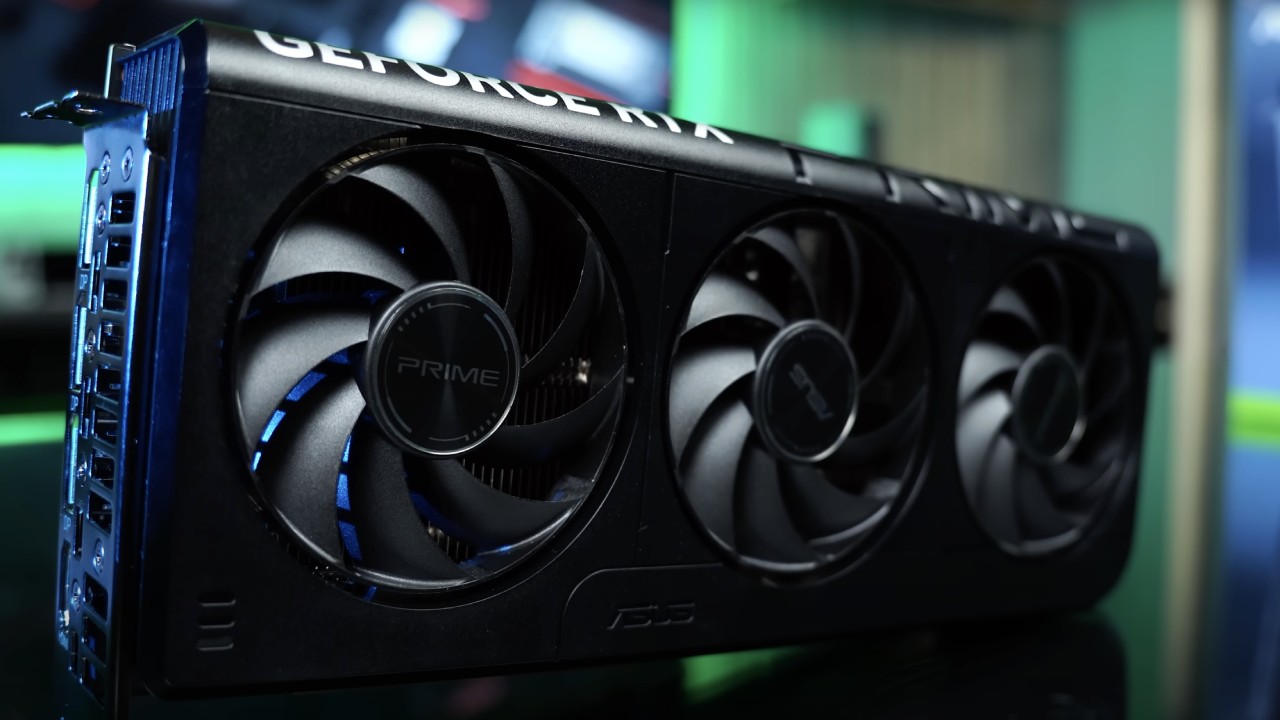
For more than 10 years, Nvidia's X60 series has been the best way to find the ideal mix between price and performance. From Kepler's efficiency to Maxwell's performance increases, Pascal's power leap, and Turing's AI revolution, each generation improved the formula.
The RTX 5060 continues this trend, with just small improvements in raw performance. It is a good example of how AI has changed gameplay. DLSS and frame generation have completely revolutionized how we achieve smooth gameplay, allowing gamers to enjoy more realism without making any sacrifices.
Some people are concerned about the RTX 5060's 8GB VRAM, but it still represents Nvidia's commitment to innovation based on value. We can only speculate about how the X60 legacy will evolve next, as the Super lineup is expected to arrive in 2026.
Also, check our other NVIDIA articles:
- NVIDIA GeForce RTX 5080 Review (2025): Still A 4K Gaming Powerhouse?
- RTX 5090 Performance Testing In GTA 5 – 1080p, 1440p, and 4K Max Settings Benchmark
- NVIDIA RTX 5070 Review: Mid-Range Muscle or Marketing Hype?
- RTX 5070 Ti Review: Performance, Thermals & Power Efficiency Tested
- ASUS ROG Astral RTX 5090 OC Edition Review: 32GB GDDR7 & 4K Gaming Benchmark
- ASUS GeForce RTX 5090 LC Liquid Cooled GPU Review: Unmatched Silence & Speed
- INNO3D RTX 5060 Ti 16 GB X2 Review: Gaming Benchmarks, Temps, and Power Efficiency
- HP Omen 45L Review: RTX 5090 Performance, Thermals, and Value Analysis
- ASUS TUF Gaming GeForce RTX 5060 Ti Review: DLSS 4, Power Efficiency, and Gaming
- ASUS Prime RTX 5060 Ti OC 16GB Review: DLSS 4, Ray Tracing, & Thermals Tested
- NVIDIA GeForce RTX 5060 Review: Specs, Gaming, and Cost per Frame
- MSI GeForce RTX 5090 GAMING TRIO OC Review: A Monster Power GPU
Senior Editor, NoobFeed
Gaming Hardware Updates
No Data.