
NVIDIA GeForce Now Uses RTX GPUs to Change PC Gaming
GeForce Now shifts demanding PC gaming from local hardware to NVIDIA servers, making powerful GPUs accessible through cloud streaming.
Hardware by Shinji Okazaki on Aug 17, 2026
Gaming hardware has traditionally meant a powerful PC with a capable graphics card installed. Cloud gaming changes that approach by moving the hardware to remote servers and sending the rendered game to a user's device through the internet.
NVIDIA GeForce Now is built around this idea, giving access to NVIDIA gaming hardware without requiring the GPU to be physically installed in the local system. GeForce Now is NVIDIA's cloud gaming service, but it works a little differently from the way many people imagine a game subscription service.
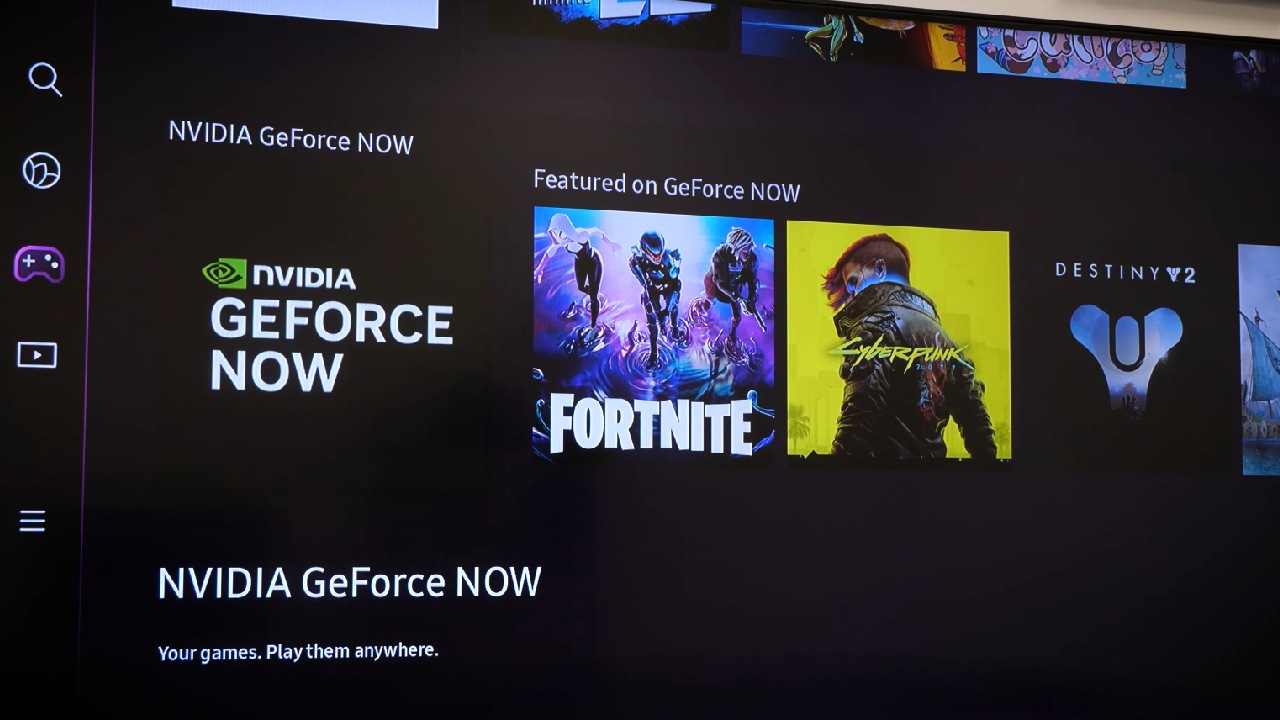
In most cases, you still need to own the supported game through stores and services such as Steam or other compatible platforms. GeForce Now then lets you run that game on NVIDIA's remote hardware.
What is GeForce Now
The key point is that the game isn't mainly running on your computer. Instead, NVIDIA starts a virtual gaming environment on a remote server. The actual game runs there. The GPU is there, and your device is communicating with the remote gaming system over the internet. When you press a button on your controller, move your mouse, or press a key on your keyboard, that input is sent to NVIDIA's server.
The server applies that input to the game. The GPU renders the next frame. The server then compresses that frame and streams it back to your screen. All of this needs to happen quickly. If everything works properly, it can feel close to running the game directly on your own PC. That is why GeForce Now is connected to GPU technology.
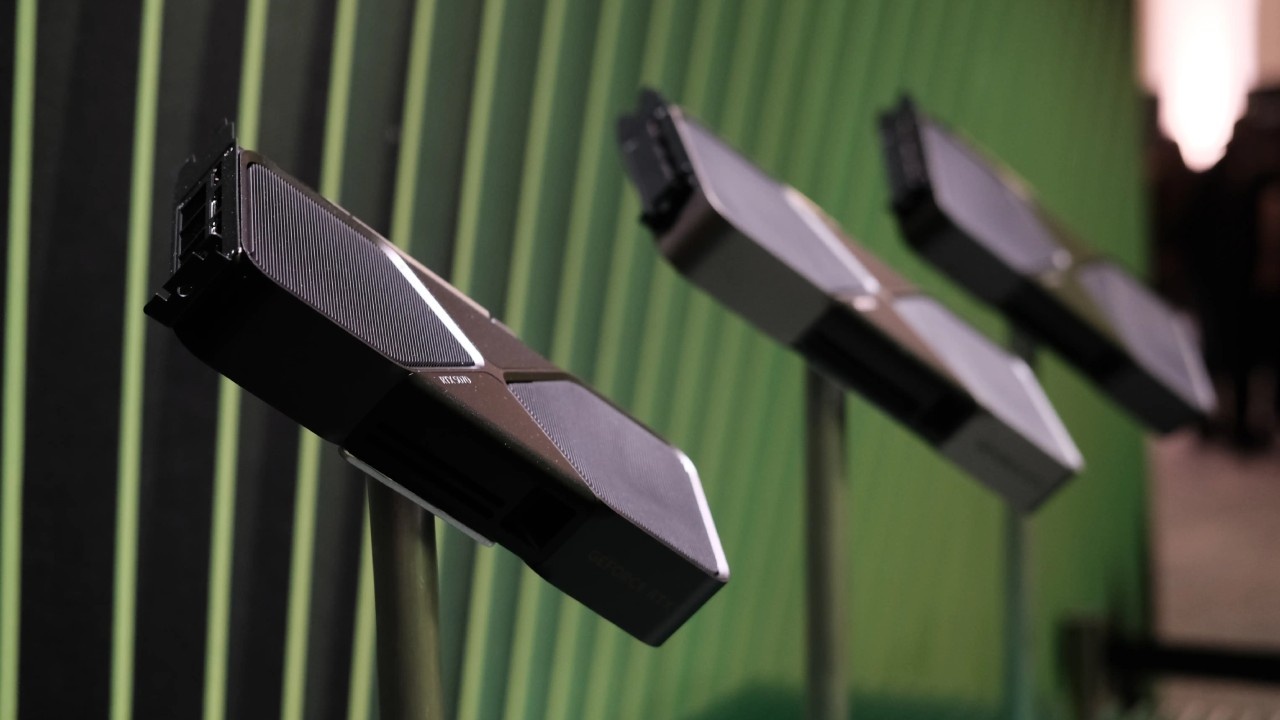
GeForce Now has used RTX 4080-class systems, and NVIDIA has also been bringing newer RTX 5080-class hardware into its servers. Instead of spending money to install a GPU inside your own PC, GeForce Now gives you access to gaming hardware through a subscription.
That creates several possibilities. Maybe you have a Mac, and many of your PC games do not run natively on it. Maybe you have an older laptop. Maybe your desktop PC has a weak graphics card. Or maybe you simply don't want to spend a lot of money on a new gaming setup.
With GeForce Now, devices that normally can't run demanding games can stream them from NVIDIA's servers. That could include laptops, Macs, handheld devices, tablets, or smaller PCs connected to a television. Instead of asking whether your computer is powerful enough to run a game, ask whether your internet connection is strong enough to stream it.
Internet Connection and Latency
Your internet connection matters a lot with GeForce Now. Cloud gaming requires bandwidth because the service constantly streams video to your device. At higher-quality settings, GeForce Now can consume several gigabytes of data every hour. A fast connection and a generous or unlimited data plan can be important.
Bandwidth is only one part of the problem. Latency is another. Every time you press a button, that input has to travel from your device to NVIDIA's server. The game then responds, renders a new frame, and sends it back to you. That creates extra delay compared with playing the game directly on your computer. For slower games, that delay might not bother you very much.
GeForce Now also has other limitations. Not every PC game is available on the platform. Publishers must support the service, which means some major games may still be missing. Subscription tiers, performance levels, session limits, and other restrictions also vary by plan. So GeForce Now is not a replacement for owning a gaming PC in every situation.
Cloud gaming brings one of the biggest changes to PC gaming.
The technology behind it shows how cloud gaming works. A gaming GPU can sit in a remote data center while the game runs on a different device. As internet connections improve, data centers get closer to users, streaming technology improves, and NVIDIA continues upgrading its server GPUs, services like GeForce Now could become more important.
For competitive gamers, owning powerful local hardware can continue to make sense. You get lower latency, full control, fewer restrictions, and no complete dependence on your internet connection. If you only want to play demanding games occasionally, use a Mac or a lower-end laptop, or simply don't want to spend heavily on gaming hardware, GeForce Now offers an alternative.
The hardware stays in NVIDIA's infrastructure while the game streams to your device. GeForce Now shows how gaming can shift from owning hardware to accessing it. As NVIDIA continues upgrading the systems behind the service and internet infrastructure develops, cloud gaming can become another way to access PC gaming without building a gaming PC around a powerful GPU.
Editor, NoobFeed
Gaming Hardware Updates
No Data.