
Panther Lake vs. Lunar Lake: Integrated Graphics and Gaming Benchmarks
Intel’s XeSS technology boosts iGPU frame rates, delivering smooth visuals even at lower wattages for portable gaming.
Hardware by Mitsuba Miyu on Jan 23, 2026
The Panther Lake line from Intel is almost ready to go on sale, and early reviews are already getting people excited. The main focus of the first demos has been on laptops and mini PCs, but what this architecture could mean for portable games is what really matters.
Intel has stated that it will release a full handheld gaming platform powered by Panther Lake. Later this year, hardware and software partners will likely provide more information. This move shows a strong desire to bring high-performance games to small, portable devices.
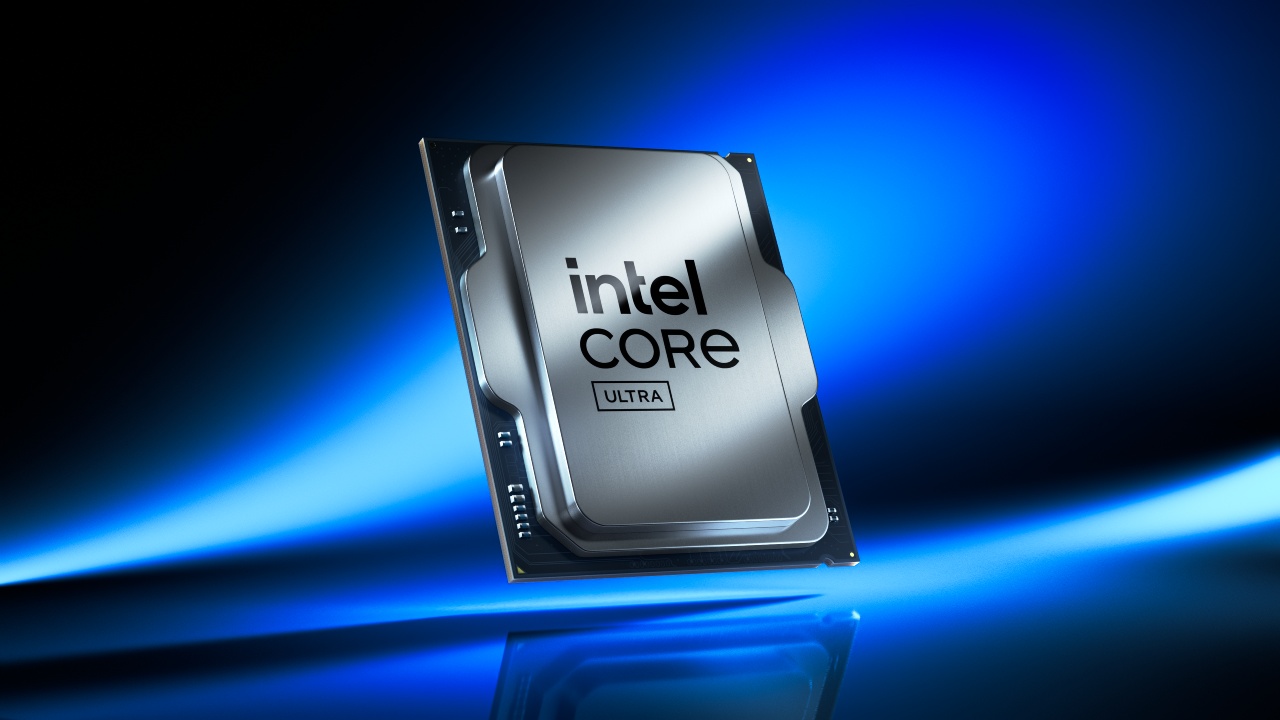
iGPU Gaming on Laptops and Mini PCs
It's been great to work with laptops and small PCs that run the Core Ultra X9 388H and the B390i GPU. The performance is smooth for everyday jobs, and light AI workloads run quickly.
Even though these iGPUs don't have as much power as high-end discrete GPUs that use hundreds of watts, they still work very well for what they are. Gaming is a great example of how far Intel has come with integrated graphics.
When XeSS frame generation was enabled at about 64 watts, games like Battlefield 6 ran at high frame rates. They felt stable and enjoyable in violent outdoor scenes, and Dead by Daylight 2 maintained over 100 fps.
Spider-Man2 ran at over 60 fps at 1280x720 with the best options, even without frame generation. When tested at 12:00 p.m. and XeSS balanced, Doom: The Dark Ages averaged over 90 fps, showing how useful integrated graphics can be for new games.
Role of XeSS Frame Generation
XeSS frame creation is one of the most interesting new technologies that Intel is releasing. On iGPUs, even the most basic 2x frame-generation mode makes things much smoother.
When tested at 19W, Cyberpunk 2077 ran smoothly at high settings with frame generation enabled, providing a responsive experience. With regular driver updates, speed should improve further, making these technologies even more appealing to mobile gamers.
Testing Panther Lake at Handheld-Level Power
Cyberpunk2077 was tried at a 19–20W TDP to see if it would work with handheld devices. At 1280p, on the middle settings and in XeSS quality mode, performance was just below 60 fps, but the image looked smooth.
Performance quickly exceeded 60 fps by lowering the settings or switching XeSS to balanced. These results show that Panther Lake could make games playable and smooth on low-power devices.
It took an average of 78 fps to play the same game at high settings and 1200p with XeSS quality mode when the power was raised to 35W. Even though 35W is more than most handhelds can handle, bigger batteries (80Wh to 90Wh) might be able to handle this level of performance.
It's important to note that this test used a full laptop CPU. A custom handheld version could have fewer cores and a lower TDP while still maintaining the same speed.
Core Ultra X9 388H and B390 iGPU Architecture
The Core Ultra X9 388H has 16 cores and 16 threads, and the B390iGPU has 12XC3cores, 12 improved ray tracing units, and 96XMX engines. This GPU is very powerful, even when drawing little power. Panther Lake has much more raw speed, AI processing power, and graphics options than Lunar Lake, which had only 8 cores and 8 threads.
But for handhelds, speed is very important. The GPU might be able to maintain high clock speeds while using little power if it has a custom setup with fewer cores. It's also possible that a specialized iGPU could be developed that performs best for mobile games.
.jpg)
Why Panther Lake Represents a Leap Forward
It's a big jump from Lunar Lake to Panther Lake. This architecture is better suited to current tasks thanks to more cores, a more powerful GPU, and stronger AI support.
With these improvements, games that are hard on the eyes can now be played on portable devices without a separate GPU. This opens up many exciting options for small, high-performance gaming devices.
Looking Ahead to Custom Handheld Chips
The handheld potential of Panther Lake is one of its most interesting aspects. If Intel makes a special chip for handhelds by adjusting the number of cores, GPU clocks, and power consumption, it might be able to match laptop-level performance while still staying within TDP limits safe for handhelds.
This would let you play high-quality games on machines small enough to fit in your hand, changing what you expect from portable gaming.
Final Thoughts
Panther Lake from Intel looks like a big step forward for handheld game PCs. Early testing on laptops and small PCs shows that the CPU and iGPU are very powerful. XeSS frame generation adds smoothness, making even the most demanding games fun at lower power levels.
If custom handheld chips come out, portable games may get to a level that wasn't possible before without big, high-wattage devices. If Panther Lake does what it says it will do, tablet gaming is about to take a big step forward.
Also, check our other Intel chips Articles below:
- Intel Core Ultra 9 285K Review And Performance Breakdown (2025)
- Intel Core Ultra 9 285K vs AMD Ryzen 7 9800X3D: In-Depth Gaming Performance and Benchmark Comparison
- Intel Core i5-13400F Gaming Performance: Still Worth It in 2025?
- Intel Core i9‑14900K vs. AMD Ryzen 7 7800X3D: Power Profiles & Gaming Benchmarks
- Intel Core i9 14900K: Specs, Benchmarks, and Competitor Comparison
- Intel Core Ultra 5 245K Review: Gaming, Productivity & Power Efficiency Tested
- Intel Core Ultra 9 285 K's iGPU Gaming: In-Depth Benchmarks & Analysis
- Intel vs. AMD Gaming Laptop: Performance, Thermals & Battery Life Compared
- AMD Ryzen 7 9800X3D vs.7800X3D vs. Intel Core Ultra 7 265K: Gaming, Thermals & Price Analysis
Editor, NoobFeed
Gaming Hardware Updates
No Data.