
Why PC Parts Keep Getting More Expensive in 2026 and Beyond
Memory shortages and AI demand are changing pricing structures across consumer electronics and computing
Hardware by Nahe Yan on Dec 24, 2025
Welcome to 2026 and 2028, when it still seems impossible to create a good PC for a fair price. Not only are RAM costs rising, but so are SSD, processor, and GPU costs.
This makes it tougher to upgrade computers or acquire sophisticated technology. What used to seem transient now seems permanent, affecting almost all modern technologies.
Prices for Hardware Keep Going Up
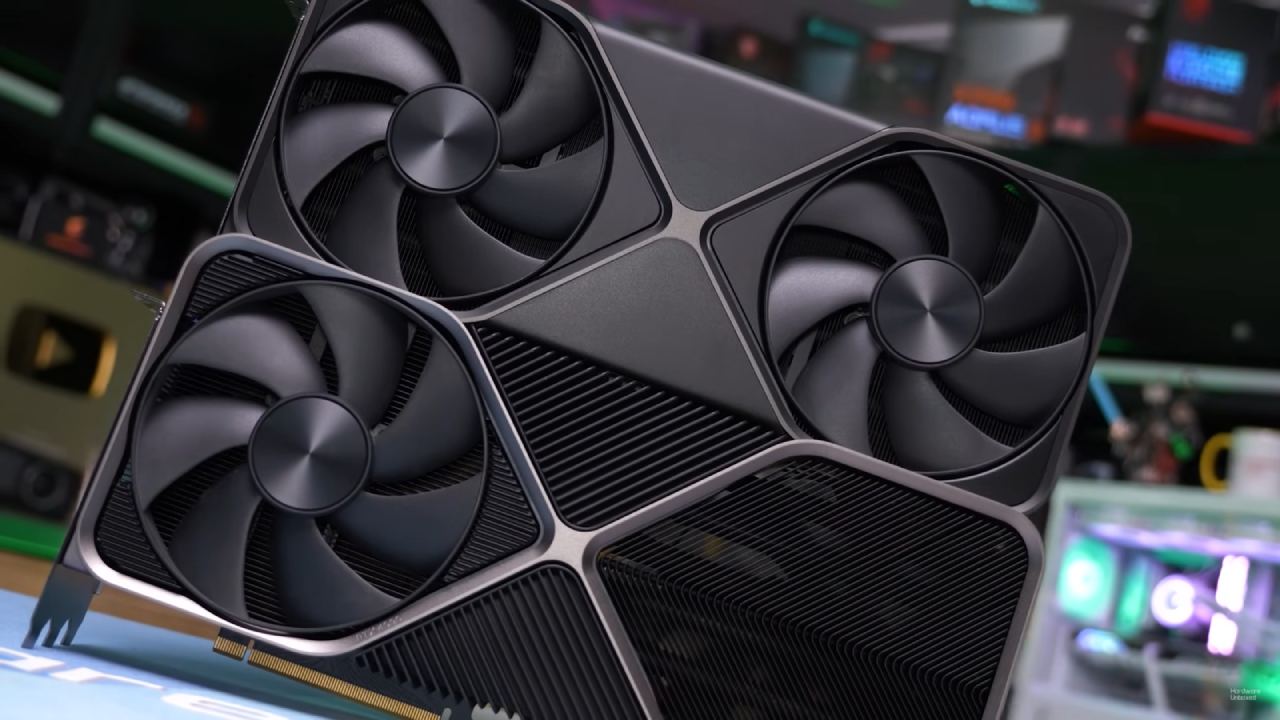
For now, we have to accept that it's not as easy as it used to be to decide whether to upgrade our computers or acquire the most powerful gear. RAM prices keep rising, but that's not the only concern. SSDs are getting more expensive, processors are following suit, and GPUs are getting harder to justify. In the foreseeable future, GPUs are projected to become even more expensive.
Nvidia, the biggest maker of graphics cards, has said that it will slash GPU output by 30% to 40% in the first half of 2026. Usually, these kinds of cuts happen right before a new line of GPUs comes out, like a Super refresh. But in 2026, new consumer cards are unlikely to come out, mostly due to AI-related shortages. This makes the situation seem different from previous rounds.
Lack of Supplies, More than GPUs
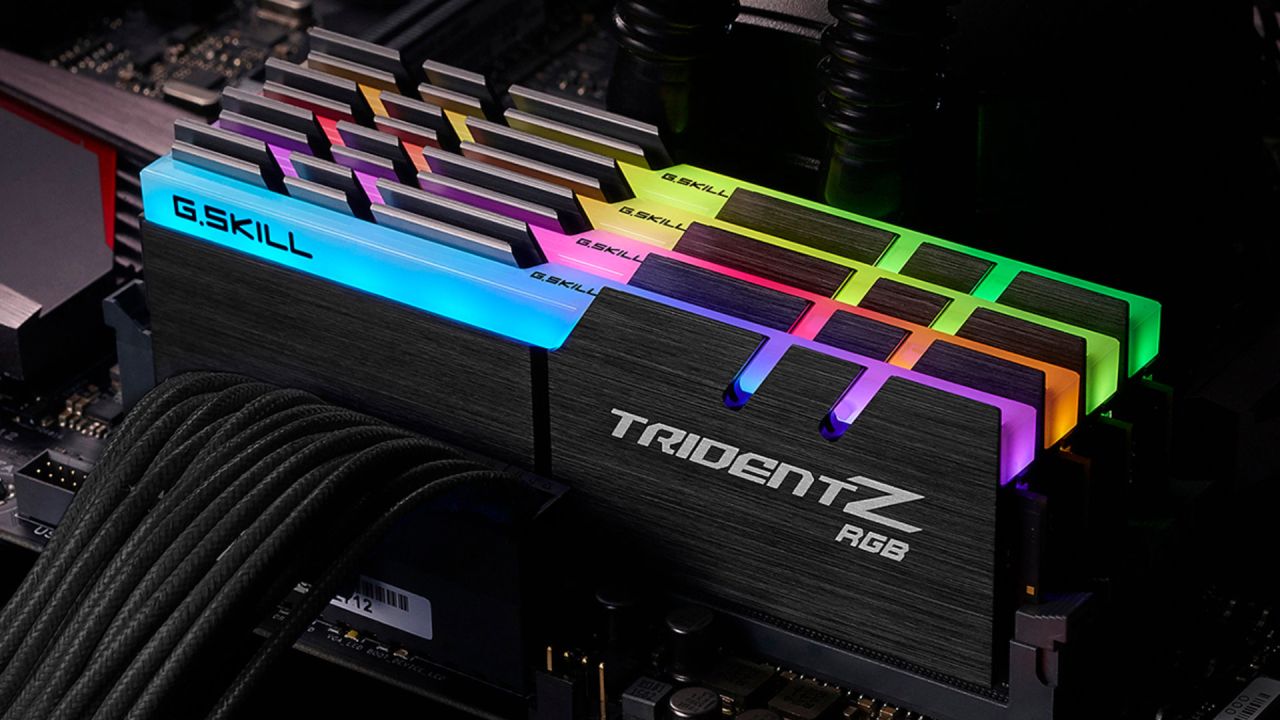
It might seem impossible to connect all of these problems at first. But decreases in production don't just affect GPUs. Other parts of the computer are also affected. The best example is RAM. At one point, RAM was so easy to find that it was one of the cheapest parts of a gaming PC. Memory prices have risen so sharply that RAM can now cost almost as much as a GPU.
The whole system costs more as graphics cards get pricier. It's not just PCs that are affected. RAM is needed for common devices like phones, laptops, and vehicles. Phones are immediately affected because they also need memory space to work well and last a long time.
How Phones are Affected
Phones are starting to feel the effects of AI workloads, with more memory usage around the world. Many phones coming out in 2026 are likely to have less RAM. That means less power and a shorter useful life. Mid-range phones get weaker, low-end phones get fewer features, and high-end phones start to look more like mid-range phones.
This alteration impacts what people expect. Performance levels decline without being officially called such. The products are still there on paper. In real life, they get older faster and reach their limits sooner.
There are no Secret Plots, Only Incentives
We are not saying that businesses are getting together in secret rooms to deliberate price hikes around the world. That idea doesn't get to the heart of the matter. Things are happening that are easier to understand and more believable. Businesses are following the same economic rules.
Yes, Nvidia aims to drop manufacturing by 30% to 40%. Yes, there are genuine limits due to memory shortages, insufficient manufacturing capacity, and AI workloads that consume a lot of resources. Those things are true, yet they only tell part of the story.
The other aspect is money. Lack of things gives you control. A lack of supply helps keep prices high. Higher pricing equals bigger profits. When demand is high and supply is low, there isn't much reason to remedy the situation right away. If you fix it too quickly, you won't make as much money.
How Price Floors Are Made
Nvidia has previously proved that people will pay a lot of money for performance. Once those prices are seen as usual, there is no incentive to go back to the old levels. This is how pricing floors are made.
RAM is a key part of this process. Memory isn't just another part. It is the basis for modern technology. It is used by PCs, GPUs, cellphones, laptops, automobiles, servers, and even home electronics. RAM is a bottleneck that determines how well a device works, how much it can be upgraded, and how long it will last.
Sending Less Memory
Companies don't stop selling smartphones when RAM prices go up. Instead, they send out goods with less memory. The product is still available for sale, but it goes out of style more quickly. Users are pushed to upgrade more often since performance constraints are reached faster.
The system is not broken. The system is working the way it was meant to. There is no need for hidden deals. Incentives that are shared are enough.
People and Making Money
We talked about this issue being caused by something simple: people's behavior. The main goal of big businesses is to make as much money as possible. Helping normal users is not usually the main focus. In the best case, it's a secondary outcome.
If we were in charge of a big corporation that makes GPUs or memory and had a clear chance to make more money, most of us would grab it. Not out of spite, but because the system rewards that kind of conduct. Decisions are based on competition, survival, and profit.
Outcomes that Can be Predicted
It didn't happen overnight that AI became so popular. It was to be expected. Long before consumers felt the effects, production capacity was shifted to AI data centers and business clients. This makes sense from a business perspective. AI customers pay more, buy a lot of things at once, and sign long-term contracts. Not for individual customers.
This makes things easy once again. When there isn't enough of something, prices go up, and the market progressively adjusts to those prices. The GPU scarcity of 2021 illustrated how soon this change can happen.
Cloud Gaming as a Side Effect
One point of view to think about is how cloud gaming is becoming more popular. When hardware costs too much or is too hard to own, subscription-based options become more appealing. Cloud gaming takes away ownership, upgrades, and control over gear, performance, and prices.
From a business perspective, this strategy provides steady income and full control. Even while it might not be the main goal, it fits in well with where the business is already heading. The time is right, as cloud gaming technology will improve in 2025 and 2026.
Final Thoughts
The lack of memory is not a problem that will go away soon. It shows a bigger change in how hardware is made, sold, and controlled. Customers usually think these changes will last.
If you're looking for prices to go back to where they were before, that probably won't happen. It makes more sense to adapt, stay up to date, and think carefully before upgrading. Even if it doesn't make it simpler to accept, knowing what motivated these changes makes the situation clearer.
Also, check our other hardware articles below:
- AMD Ryzen 9 9950X3D Review: Setting The Standard For 2025 Gaming CPU
- Amazon Luna 2025 Review: Is Prime Gaming's Cloud Service Your Go-To For Casual Fun?
- AMD RX 9070 XT Review: AMD's RDNA 4 Champion for 1440p Gaming
- GeForce Now Ultimate: Ditching Your Gaming PC For Cloud RTX 4080 Power?
- NVIDIA GeForce RTX 5080 Review (2025): Still A 4K Gaming Powerhouse?
- Intel Core Ultra 9 285K Review And Performance Breakdown (2025)
- AMD Ryzen 7 9800X3D Review: 3D V-Cache Goes God Mode with Stunning Gaming Performance
- Intel Core Ultra 9 285K vs AMD Ryzen 7 9800X3D: In-Depth Gaming Performance and Benchmark Comparison
- NVIDIA GeForce RTX 5080 Super Performance In Cyberpunk 2077: Path Tracing & DLSS 4.0 Tested
- RTX 5090 Performance Testing In GTA 5 – 1080p, 1440p, and 4K Max Settings Benchmark
- AMD Radeon RX 9070 XT In Cyberpunk 2077: Ray Tracing & FSR 4.0 Tested
- Intel Arc B580 Review: The $250 GPU Revolutionizing 1440p Gaming
- Intel Arc B570 Vs. B580: Value, Specs, And Real-World Gaming Performance
- Intel Arc B570 Review: Efficient Xe2 Performance At An Affordable Price
- RTX 5090 Laptop Vs. M4 Max MacBook Pro: Ultimate Raw Performance Vs. Battery Endurance
- Intel Arc b580 Vs. RTX 4060: Game Performance And Value Analysis
- RTX5090 Hell Is Us Demo 4K Ultra Benchmark: DLSS Vs. Native Performance Guide
- NVIDIA RTX 5070 Review: Mid-Range Muscle or Marketing Hype?
- Nintendo Switch 2 Review: Handheld Performance, Features & Value Breakdown
- RTX 5070 Ti Review: Performance, Thermals & Power Efficiency Tested
- Samsung Odyssey OLED G81SF Review 2025: Ultimate 32-Inch QD-OLED Gaming Monitor
- AMD RX 9070 Performance Review: Thermals, Clocks, and Real-World FPS
- AMD Ryzen 5 7600 Review: Best Budget Gaming CPU of 2025?
- AMD Radeon RX 7800 XT Review: RDNA 3 Power For Midrange Gaming
- Asus ROG RTX 5090 Astral OC Vs. Founders Edition: The 4K Gaming Benchmark
- ASUS ROG Astral RTX 5090 OC Edition Review: 32GB GDDR7 & 4K Gaming Benchmark
- Intel Core i5-13400F Gaming Performance: Still Worth It in 2025?
- ASUS GeForce RTX 5090 LC Liquid Cooled GPU Review: Unmatched Silence & Speed
- ASUS ROG Ally X Handheld Review: Double the Battery, Double the Comfort
- Lenovo Legion Go S Review: The Ultimate Steam Deck 2 Alternative
- Sapphire NITRO+ AMD Radeon RX 9070 XT Review: The Ultimate 4K Gaming GPU
- Alienware 16 Area 51 Review: The Ultimate 2025 Gaming Laptop
- Alienware Area-51 Review: Unmatched 4K, Thermal, and Acoustic Performance
- AMD Ryzen 7 7800X3D: Delivers Gaming Performance Far Beyond Expectations
- AMD Ryzen 9 7900X Review: Powering the AM5 Era with DDR5 & PCIe 5.0
- Intel Core i9‑14900K vs. AMD Ryzen 7 7800X3D: Power Profiles & Gaming Benchmarks
- Intel Core i9 14900K: Specs, Benchmarks, and Competitor Comparison
- ASRock Radeon RX 7800 XT Challenger OC Review: Best Price-to-Performance GPU of 2025
Editor, NoobFeed
Gaming Hardware Updates
No Data.