
NVIDIA GeForce RTX 5060 Ti Gaming Performance: Five Custom Cards Compared
Gigabyte, MSI, Asus, and Palit bring different designs and cooling solutions to the competitive RTX 5060 Ti market.
Hardware by Tanvir Kabbo on Oct 29, 2026
The GeForce RTX 5060 Ti has become an interesting option for gamers who want modern graphics performance without moving into significantly more expensive GPU territory. Its 16GB configuration, improved performance over the previous generation, and support for NVIDIA's latest technologies make it worth considering. However, choosing the right custom model involves more than comparing specifications and clock speeds.
Several manufacturers offer their own versions of the RTX 5060 Ti, each with different approaches to cooling, build quality, noise levels, and extra features. This comparison examines five models: Gigabyte's Eagle Ice OC and Gaming OC, Palit's Infinity 3, MSI's Gaming Trio, and Asus's TUF Gaming OC. Their differences help illustrate which cards justify a higher price and which deliver the most practical value.
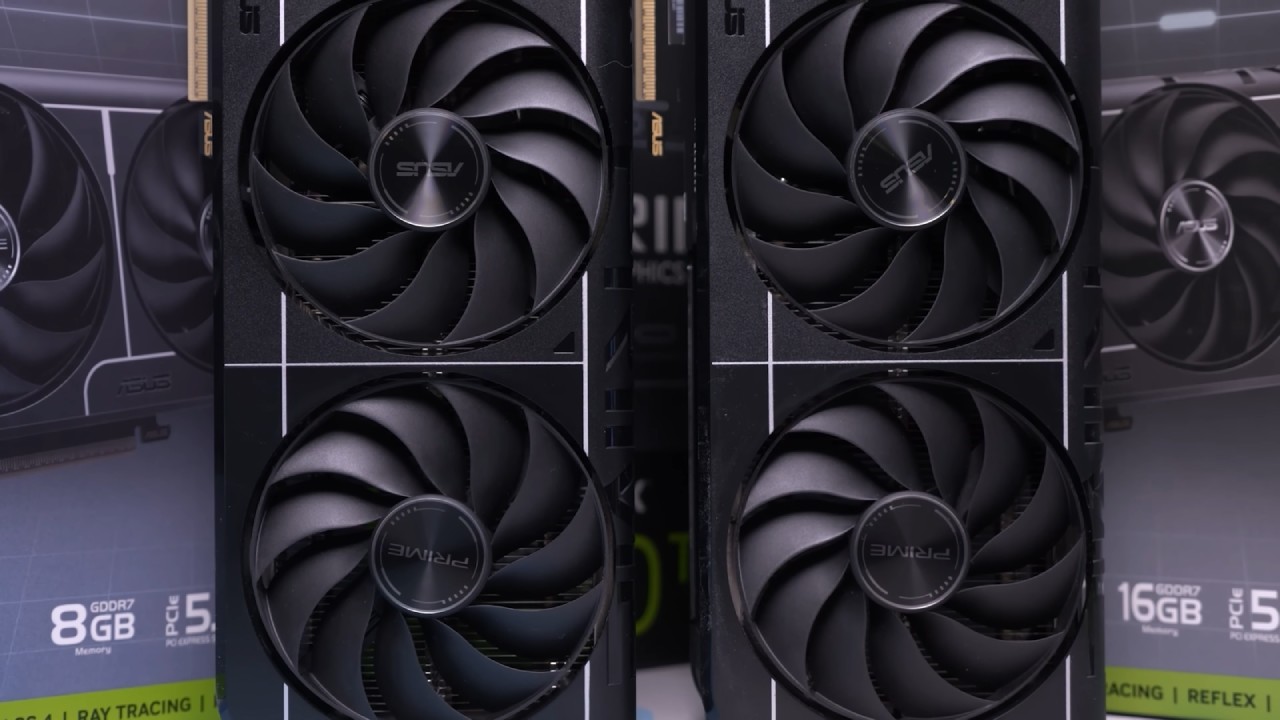
Palit Infinity 3: A Simple Performer
Palit's Infinity 3 takes a relatively straightforward approach to GPU design. It uses a triple-fan cooling arrangement and avoids unnecessary extras, keeping the overall package relatively simple. Its lightweight construction comes from a plastic shroud and a thin plastic backplate. While this makes the card easier to fit in different systems, the materials don't create the most premium impression.
That said, its construction does not prevent it from delivering the expected gaming performance. The bigger concern is pricing. At more than $400, a slightly sturdier design would have made the Infinity 3 feel like a more convincing purchase.
Feature-wise, Palit keeps things minimal. There is no RGB lighting, secondary BIOS, or included GPU support bracket. Connectivity consists of three DisplayPort outputs and one HDMI connection, while a single 8-pin PCIe connector handles power delivery. It is ultimately a no-frills option for buyers who care more about the GPU itself than additional features.
Gigabyte Eagle Ice OC: Compact and Practical
Gigabyte's Eagle Ice OC takes a different direction, focusing on compact dimensions and a cleaner look. Measuring just 21.5cm in length and occupying two slots, it is particularly suitable for smaller PC cases where larger graphics cards may create installation problems.
Despite its compact footprint, the card has a reasonably solid construction. Its metal backplate provides a more reassuring feel than the plastic construction found on the Palit model. RGB lighting and dual BIOS functionality are absent, but the predominantly white design makes it an appealing choice for systems built around a white color scheme.
The output configuration remains familiar, with three DisplayPort connections and one HDMI port. Power comes through a single 8-pin PCIe connector. Overall, the Eagle Ice OC offers a sensible combination of compact dimensions, decent construction, and understated styling without adding unnecessary costs.
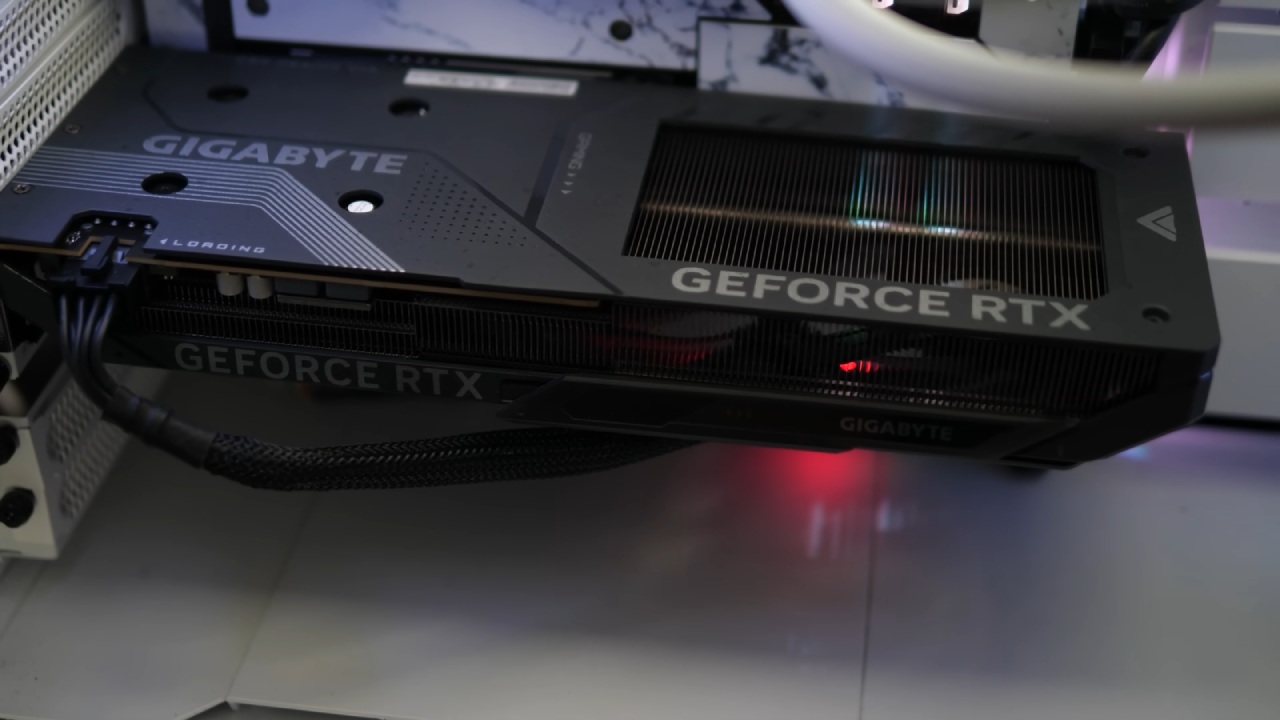
Gigabyte Gaming OC: Balanced Premium Option
Moving up Gigabyte's product stack brings the Gaming OC, a model that improves upon the more basic Eagle design without becoming excessively large. Its metal backplate and heavier construction give it a more substantial feel, while subtle RGB illumination adds some visual personality.
One of its more useful additions is a dual BIOS switch, allowing users to choose between different operating profiles. This provides some flexibility depending on whether cooling performance or quieter operation is the priority.
The connectivity arrangement remains unchanged, offering three DisplayPorts and one HDMI output. It also continues using a conventional 8-pin PCIe power connector. Combined with dependable cooling and reasonable acoustic performance, the Gaming OC delivers a balanced package for buyers who want something more refined than an entry-level RTX 5060 Ti.
MSI Gaming Trio: Premium Design with Added Utility
The MSI Gaming Trio takes a step up in premium design, offering a more elaborate appearance and several practical additions. Although it is slightly longer than some competing models, it maintains a two-slot profile. Its metal backplate and plastic fan shroud combine durability with relatively lightweight construction.
RGB lighting is more prominent than on Gigabyte's alternatives, giving the card a more distinctive appearance. MSI also includes a GPU support bracket in the package, which is a welcome addition for users who want extra support inside their systems. A dual BIOS switch is missing, although its factory tuning provides a reliable operating experience.
For connectivity, the card includes three DisplayPorts and one HDMI output. Its power arrangement supports a 12V-2x6 connection or an adapter using two standard 8-pin PCIe connectors. The Gaming Trio is an attractive option for buyers who appreciate premium styling, useful accessories, and quiet operation.
Asus TUF Gaming OC: The Silent Powerhouse
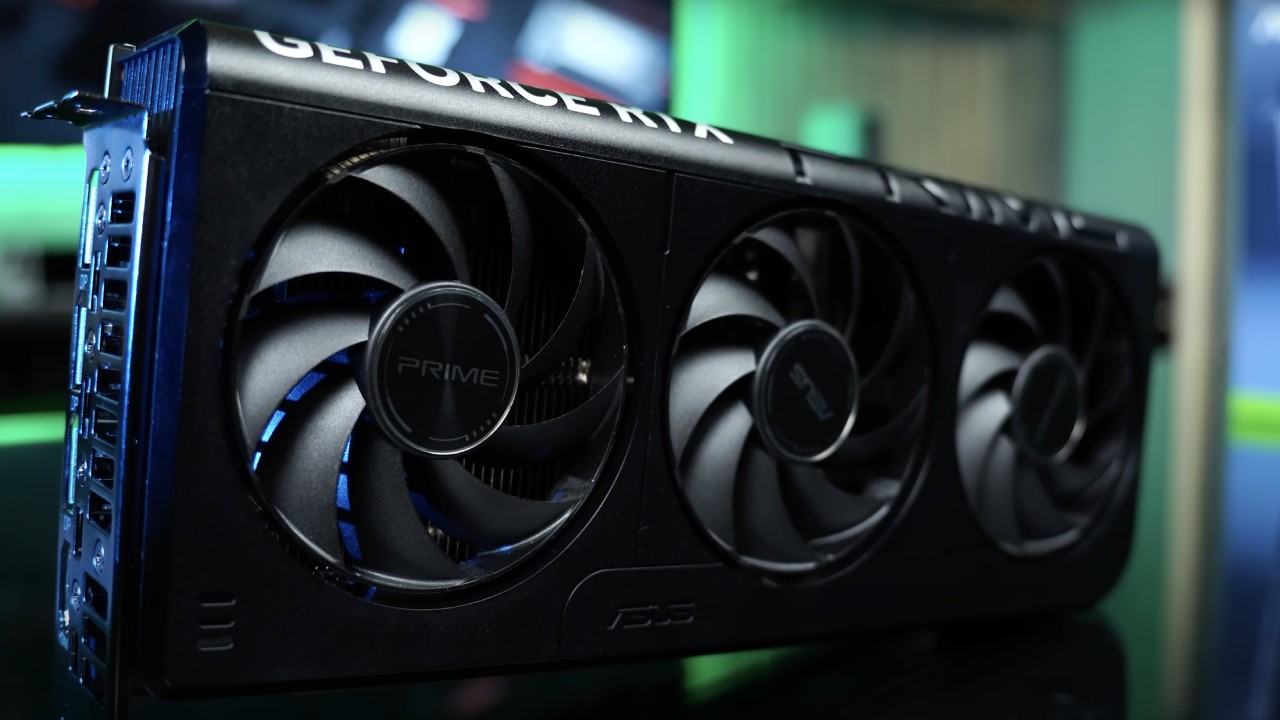
Asus's TUF Gaming OC is the largest model in this comparison, occupying three expansion slots. Its darker gray-and-silver color scheme gives it a more industrial look, while the metal backplate and sturdy shroud deliver excellent build quality.
Asus also equips the card with RGB lighting, a dual BIOS switch, and a GPU support bracket. These additions make it one of the more complete packages among the five graphics cards. Its output selection consists of three DisplayPorts and one HDMI connection, with power supplied through a 12V, 2A connector.
The TUF Gaming OC shines in acoustic performance. Its quiet BIOS profile keeps noise exceptionally low while maintaining temperatures of approximately 57°C under load. That combination of cooling, build quality, and low noise makes it the strongest overall choice for users who prioritize a quiet gaming system.

Performance and Power Efficiency
All five graphics cards use the 16GB version of the RTX 5060 Ti, meaning their fundamental hardware capabilities are largely identical. Compared with the RTX 4060 Ti, the newer GPU delivers approximately 33% better performance at 4K and 24% at 1440p. These gains make it a worthwhile generational upgrade, particularly for users moving from older graphics hardware.
At 1080p and 1440p, the RTX 5060 Ti can handle a broad selection of games without requiring upscaling. However, demanding releases benefit from NVIDIA's newer technologies. DLSS upscaling becomes especially important for maintaining consistent frame rates at 4K.
The reference boost clock is listed at 2.572GHz, although actual gaming operation generally falls between 2.700GHz and 2.800GHz. Memory speeds remain identical across all five versions.
Factory overclocking creates relatively small differences between the tested models. Gigabyte's Eagle Ice OC leads the Palit Infinity 3 by just under 1%, while MSI's Gaming Trio achieves approximately 1.5% more performance. The Gigabyte Gaming OC improves performance by roughly 4%, and Asus's TUF Gaming OC finishes at the top with an advantage of approximately 4.5%.
Power consumption is much less differentiated. The variation between the five cards remains within approximately 2%, meaning none offers a particularly meaningful efficiency advantage over the others. All models also feature fan-stop functionality at idle, and testing found no coil whine.
Thermals and Noise Levels
Cooling and acoustic performance reveal more meaningful differences than raw gaming benchmarks. Gigabyte's Gaming OC reaches approximately 40dB in its performance BIOS, while the Asus TUF Gaming OC becomes almost silent when operating in quiet BIOS mode. The more affordable cards produce slightly more noise, although their levels remain below 39dB and are generally acceptable.
Temperature differences are relatively small across the entire lineup. Under load, measured GPU temperatures range from approximately 57°C to 64°C. Asus's TUF Gaming OC leads at 57°C, showing that its larger cooling design can maintain excellent thermal performance without excessive noise.
CPU temperature testing also shows limited variation between the graphics cards. The difference between the coolest result, recorded with the Eagle Ice OC, and the warmest result, produced by the Gaming OC, is approximately 4°C. Such a small gap is unlikely to influence most purchasing decisions because case airflow and overall system configuration also affect CPU temperatures.
Price and Value Considerations
Pricing matters most when comparing the RTX 5060 Ti with NVIDIA's higher-tier alternatives. The RTX 5070 costs approximately 28% more in the US but delivers around 40% greater performance. That makes it a serious option for buyers willing to increase their budget for a meaningful improvement in gaming performance.
Paying extra for better cooling, quieter fans, RGB lighting, or a more substantial construction can still make sense. However, those premiums become difficult to justify when an upgraded RTX 5060 Ti approaches the price of a basic RTX 5070.
Among the tested models, Asus's TUF Gaming OC offers the best combination of low temperatures and quiet operation. MSI's Gaming Trio is another attractive premium option, delivering strong performance alongside useful accessories and a more elaborate design.
For buyers who want the most gaming performance for their money, the Palit Infinity 3 and Gigabyte Eagle Ice OC are more sensible choices. Their simpler designs keep the focus on the hardware itself, avoiding extra costs for features that don't significantly improve frame rates.
Final Thoughts
The five RTX 5060 Ti models deliver broadly similar gaming performance, but differences in construction, cooling, and extra features make each suitable for a slightly different audience. Asus's TUF Gaming OC stands out for its excellent thermal and acoustic performance, while MSI's Gaming Trio provides a more premium experience with useful extras.
On the other hand, Palit's Infinity 3 and Gigabyte's Eagle Ice OC make stronger cases for buyers who want to avoid unnecessary spending. Both provide the essential RTX 5060 Ti experience without charging extra for features that have little influence on gaming performance.
Ultimately, the smartest purchase depends on the price difference between individual models. Paying a small premium for quieter cooling or better construction can be worthwhile, but spending considerably more for marginal factory overclocking gains makes little sense. Unless premium features matter most, choosing the most affordable 16GB RTX 5060 Ti will likely deliver the best overall value.
Senior Editor, NoobFeed
Gaming Hardware Updates
No Data.