
AMD Zen 6 V-Cache Rumors Debunked as Storage Costs Worry Developers More Than RAM
Zen 6 V-Cache rumors suggest stacking support exists, but consumer CPUs are unlikely to receive multi-layer cache designs.
News by Mitsuba Miyu on Dec 21, 2025
People have been discussing whether future CPU designs will use multiple V-Cache layers to greatly increase cache size. People have even joked that buyers might purchase expensive server chips with large caches instead of regular system memory.
Even though that thought is clearly an overstatement, it makes us think about where AMD is really going in terms of technology. Based on what we've seen so far, it doesn't look like Zen 6 will use multi-layer V-Cache stacking in customer models.
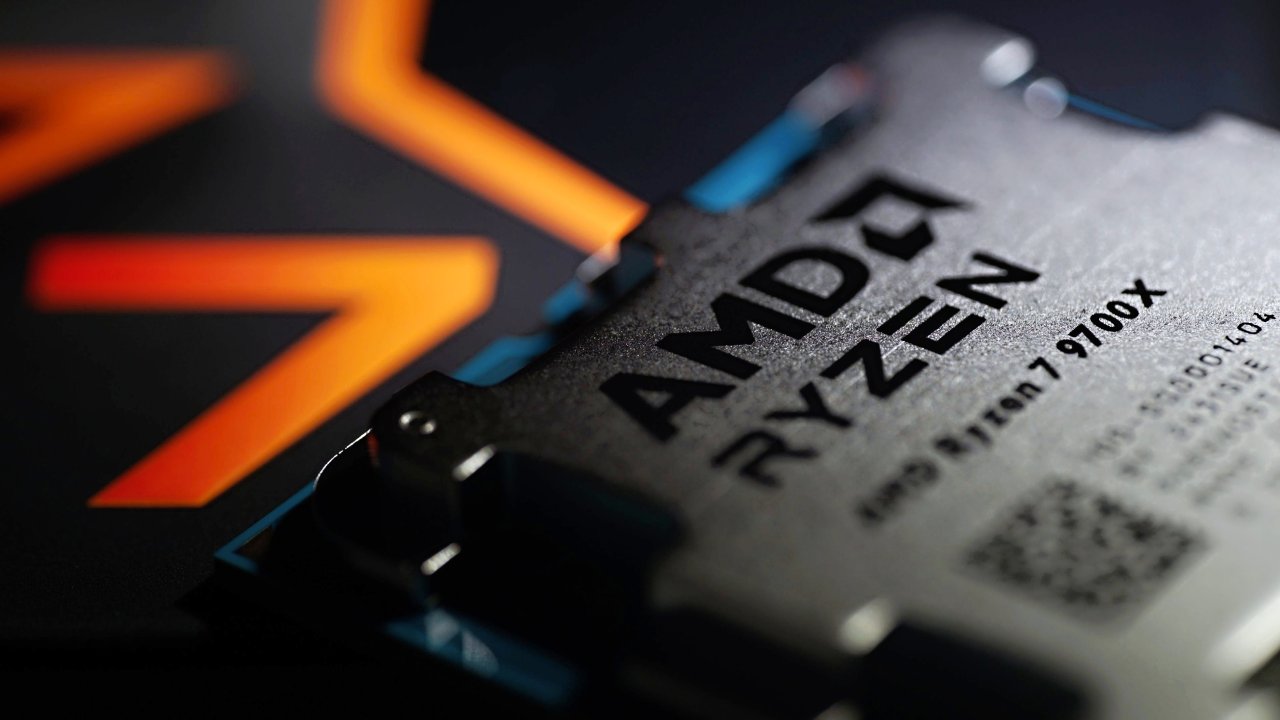
We've heard repeatedly that Zen 6 might support some form of cache stacking, but it's unlikely to stack more than one layer on popular desktop parts. To sum up, the tech might exist, but it seems like AMD doesn't want to make it available to customers in that way.
In the long term, things change with Zen 7. We've already talked about stories that say Zen 7 might come with really big cache sizes, maybe even half a gigabyte of cache by itself, even without stacking. If that's the case, cache size probably won't affect how well things run for a long time, even with stacking.
Another thing people often worry about is whether the rise in RAM prices could lead to higher game prices, especially for AAA companies and indie developers.
No, in short. We don't think RAM costs will have any real effect on game prices.
The people who make games already use very powerful computers. Many companies already have access to the latest hardware, such as next-generation GPUs and workstations designed for testing and development. Even if RAM prices go up and coders have to update their systems, the cost increase is very small compared to the overall development costs.
When we look at where research money really goes, hardware makes up a very small part. Salaries, office space, infrastructure, and long-term running costs are the most important parts of a budget. If the cost of tools goes up from 1% to 2% of the total, it doesn't matter when a lot of things are made.
To put this in perspective, even buying dozens of high-end computers with lots of memory doesn't really make a difference. In AAA development, budgets in the millions of dollars are normal, so spending tens of thousands of dollars on RAM for development machines is not a big deal.
It still isn't fair to double the prices of games, even at the most expensive end, where the costs are in the hundreds of thousands of dollars. So, we don't see a world where developers charge $100 for AAA games just because their testing systems cost more. That story isn't backed up by the economy.
.jpg)
Storage is what coders are much more worried about right now.
Big projects generate a lot of data, and companies need large SSDs to keep up with the storage they require. We've heard directly from coders who are trying hard to get high-capacity SSDs; some buy the same 8TB Gen4 drive dozens of times to keep systems running and ensure data is backed up.
In some cases, companies are stockpiling RAM and SSDs not to make more games but to ensure they can fix or replace systems quickly if shortages get worse. System memory isn't as much of a problem anymore, but storage infrastructure (especially for servers and internal data streams) is.
In general, it doesn't look like Zen 6 will bring multi-layer V-Cache to consumer CPUs any time soon. In fact, even upcoming designs seem ready to offer a huge cache without having to stack them really high.
At the same time, there are real shortages of RAM and SSDs that are disruptive. Still, they aren't big enough to seriously change the economics of game pricing or development. Keeping that in mind, the bigger conversation about the hardware shortage continues, which brings us to the next big thing: Micron is discontinuing the Crucial brand.
Editor, NoobFeed
Related News
No Data.