
Clair Obscur: Expedition 33 Ignites GOTY Debate
Multiple wins start a conversation across the industry about the limits of awards and what "indie" means.
News by Nusrat Choity on Dec 20, 2025
Clair Obscur: Expedition 33 made a huge splash at the Game Awards, becoming one of the year's most popular games and leaving little room for other games to breathe. Sources say that the game won in several categories, making the moment feel less like a surprise and more like an unstoppable march. Its huge success set social media on fire right away, and it sparked new questions about whether one game should be able to totally take over award shows.
The main point of the argument is the nominations and wins in a wide range of categories, from art direction to audio and storytelling. Some critics have asked whether award ceremonies should limit the number of categories a game can be nominated for or win, according to the sources.
.jpg)
Some others say that a studio's dominance just shows that it is doing an excellent job in many areas. Each area, from animation to sound design, shows the labor of numerous teams. The fact that so many people know about it demonstrates that it was a concerted creative effort, not a problem with the awards process.
The popularity of Expedition 33 has also sparked a larger conversation about how to judge quality in current games. The insiders say that the game's recognition shows how award shows are giving more weight to overall excellence than to specific strengths. Instead of focusing on one great thing, Expedition 33 was praised for providing consistently high quality throughout the whole experience.
Some others have said that the actual problem isn't that the game is so popular, but that it's so rare for a single title to do so well in every area.
The game's presence has brought back an old and unsolved controversy about the "debut indie" category, along with the GOTY sweep. Sources say that Expedition 33's awards run has brought attention to how loosely the word "indie" is used these days. Several finalists in the same space had help from well-known publishers, which made it hard to tell the difference between independent development and publisher-supported projects.
Critics say that the label has lost its original significance, even though publisher backing doesn't make creative work less valuable. People are asking for clearer definitions within award categories because of this uncertainty. Sources say that "indie" used to mean small, self-funded teams that worked without help from big companies and often had to make do with what they had.
These days, the word is more often used to describe a style than a structure, and it includes games with big marketing budgets and publisher involvement. The success of Expedition 33's awards has unwittingly brought this issue to the fore, pushing the industry to think about whether its categories still reflect the realities of game creation.
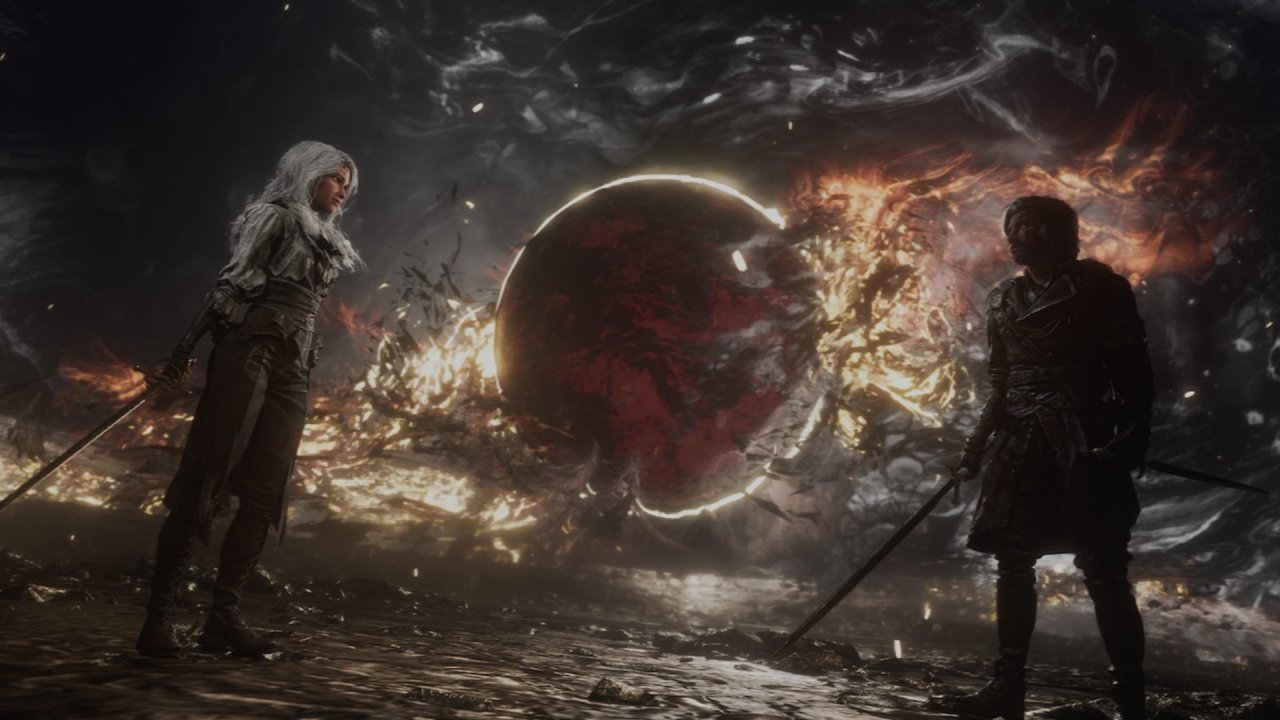
Even with all the commotion, there is little doubt that Clair Obscur: Expedition 33 was a success. The game's huge success is a sign of a time when skill, teamwork, and ambition all came together in a perfect way. The awards did what they were meant to do: get people talking. People are still talking about the limits on nominations and the meaning of the different categories.
The question that still has to be answered is whether future ceremonies will adjust their regulations or if Expedition 33 will be regarded as the moment that showed that brilliance has no limits.
Contributor, NoobFeed
Related News
No Data.