
DDR5 Prices Drop as AI Boom Faces Reality Check and Market Correction
AI investment surge reveals growing financial instability as infrastructure costs rise and revenue models remain uncertain across the industry.
News by Shinji Okazaki on Apr 10, 2026
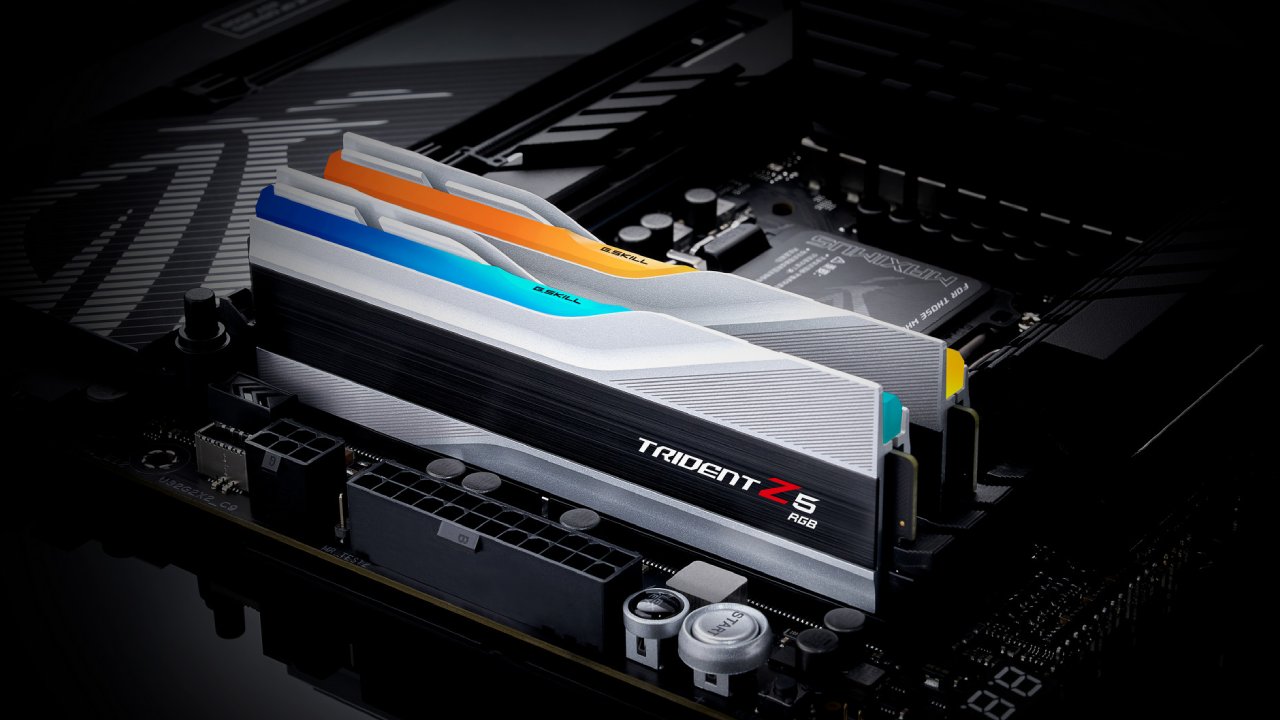
People are worried about the long-term effects of the current rise in AI investment on the economy as a whole. AI is likely to be useful in some way, but the financial system that supports its rapid growth seems to be getting weaker. It's getting harder to ignore signs of pressure, as reports show DDR5 prices are starting to fall across markets worldwide.
At the same time, even well-known figures in the AI field have admitted that there are problems with how money is entering the industry. This suggests that some sections of the investment landscape are not based on reasonable assumptions.

There have been times in the past when these kinds of situations have resolved on their own, which usually results in big losses. This doesn't mean that the underlying asset loses all its value; it only means that its value is brought back in line with what people really think it is worth.
The current valuations of the top AI businesses show how unbalanced the market is.
Several companies have very high valuations even when they don't have the same level of revenue or profit. Some businesses make billions of dollars every month, but that doesn't mean they are profitable. Revenue and profit are not the same thing. Even if they have received a lot of money and have been in business for a long time, many companies are still losing a lot of money.
We can observe that organizations that have been around for a while, have a variety of income sources, and consistently make money have stronger finances. AI-focused companies, on the other hand, depend more on what they expect to happen in the future than on how well they are doing now.
AI companies are trying to make money in several ways, including selling subscriptions to consumers and solutions to businesses. But it's still not clear how to turn many users into paying clients. Even with hundreds of millions of customers, it might be hard to make enough money to cover operational costs.
From your point of view, enterprise adoption makes things much more complicated. Customers who pay want things to be reliable and accurate, yet many AI systems don't meet these standards. Also, companies might want to host their own localized or open-source models instead of relying on external sources for everything.
To grow AI infrastructure, significant investment is needed in hardware and energy.
These costs keep rising, making it hard for businesses that want to grow. In other circumstances, projects have been cut back or terminated because they couldn't afford the costs of running them. Long-term investment plans are also changing, with some corporations cutting back on spending. This change shows that people are becoming more worried about whether the expected income will be enough to cover the cost of the infrastructure being built.
The market's behavior suggests a larger correction is on the way. Some corporations have seen their stock prices go up and down and their businesses shift, even cutting jobs. Some sectors are still doing well, but others are feeling pressure to decline as expectations change.
You can see that not all businesses are affected in the same way. Companies with diverse revenue streams and well-known products are better able to withstand market changes. They generally make small investments in AI instead of big ones, which lets them grow more slowly.
There is still significant competition in the AI market.
Many companies are working on comparable technologies, making it less likely that any one company will take over the market. This competitive pressure makes it even harder to turn a profit. Integrating AI across platforms and services will still require significant infrastructure. But the people who possess this infrastructure may not be who they thought they would be.
Some corporations might move into more specialized roles rather than maintaining broad control over the ecosystem. From your point of view, this means that the industry is slowly changing rather than completely falling apart. The technology itself is still useful, but the way it makes money is changing.
The recent drop in spending and pledges shows that financial oversight is once again becoming more important. More and more people are making investment decisions based on genuine revenue opportunities rather than speculative growth.
This stage represents the start of a change in the AI sector. The technology will still be around, but the amount and type of investment will probably become more measured. You should expect more changes as businesses fine-tune their plans and ensure their expectations align with what they can actually do.
Editor, NoobFeed
Related News
No Data.