
Ghost of Yōtei Ignites Debate Over Samurai Representation
A more realistic and negative picture of the subject goes against long-held ideas about tradition and respect.
News by Nusrat Choity on Dec 16, 2025
The game Ghost of Yōtei has gotten a lot of people in the gaming community talking, and more and more players are wondering if its samurai characters are disrespectful to Japanese history and culture. The criticism focuses on how the game shows samurai as politically motivated and morally flexible, even cruel, instead of calm, stoic fighters with perfect honor, according to the sources.
Sources say much of this discomfort stems from not knowing who the warriors really were in the past. Samurai were paid fighters for strong lords who controlled land and resources, not legendary protectors of honor. They were loyal for practical reasons, like life and status, rather than for poetic ones, like love.
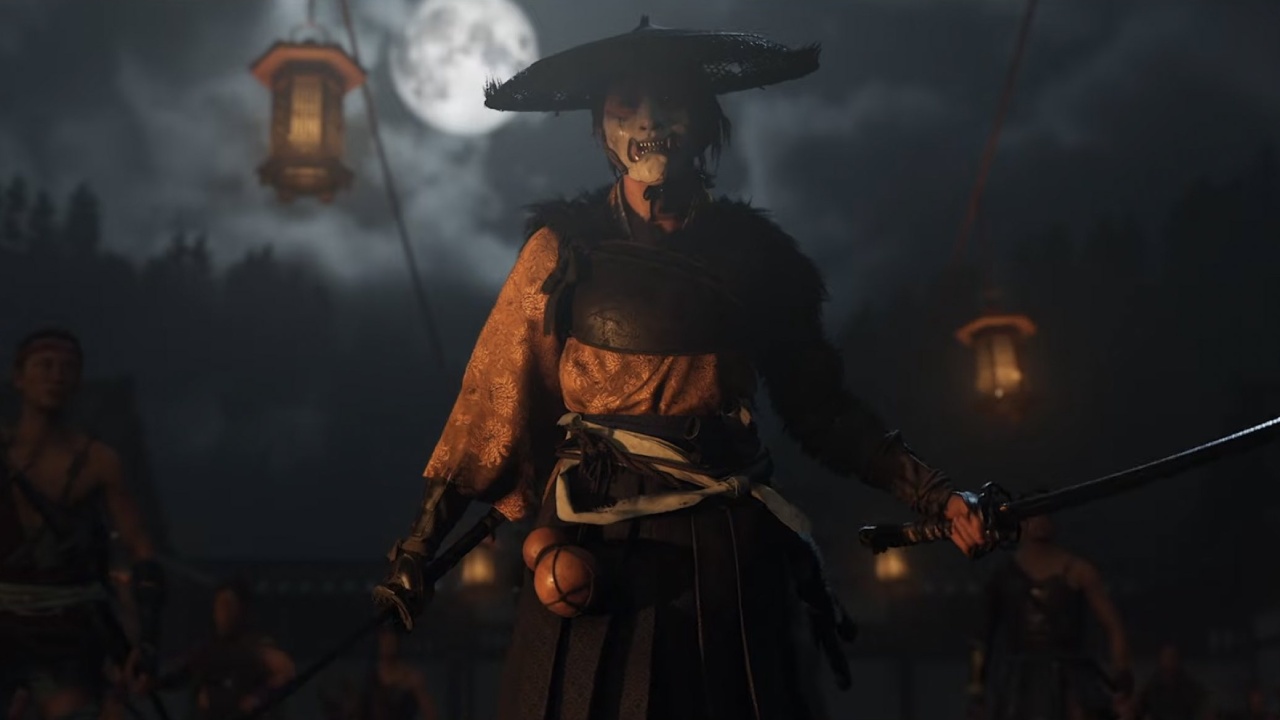
Many samurai quietly changed who they were loyal to when staying loyal would have meant losing land, destroying their families, or ruining politics. These choices were not big betrayals but thought-out actions in a harsh and unpredictable system. The game shows this truth by featuring people who have to make difficult decisions without being morally perfect.
The concept of Bushido also plays a central part in the debate. The sources say that many people see Bushido as an old book of rules that every samurai follows without thinking. In fact, a lot of the samurai's way of life, which is now called Bushido, was written down later on, especially during the Edo era, which was a time of peace when samurai were not always in war.
During this time, the warrior class looked for a moral identity that would explain why they were a part of society. The ideas of self-sacrifice, discipline, and honor became standards to look up to instead of ways soldiers acted on the battlefield every day. In real wars, life and winning were much more important than following strict rules about right and wrong.
The historical chaos is embraced by the Ghost of Yōtei.
The game shows samurai using deception, night strikes, ambushes, and overwhelming force. These were common tactics in history but are often left out of romantic portrayals, according to the sources. Villages were burned, people were hit from behind, and justice was not very important.
Winning meant keeping land, power, family, and respect, which often broke under pressure. The game takes away the mythological lens that has made samurai look more heroic over the years by showing them as people who lived in fear, political tension, and constant danger.
This way of thinking doesn't say that there weren't any noble samurai. The sources say that there were people who really believed in those ideas and would rather die than give in. But these examples didn't always hold true for all clans, places, or periods of time. If you treat them as the standard, you ignore the diversity and complexity of the samurai past.
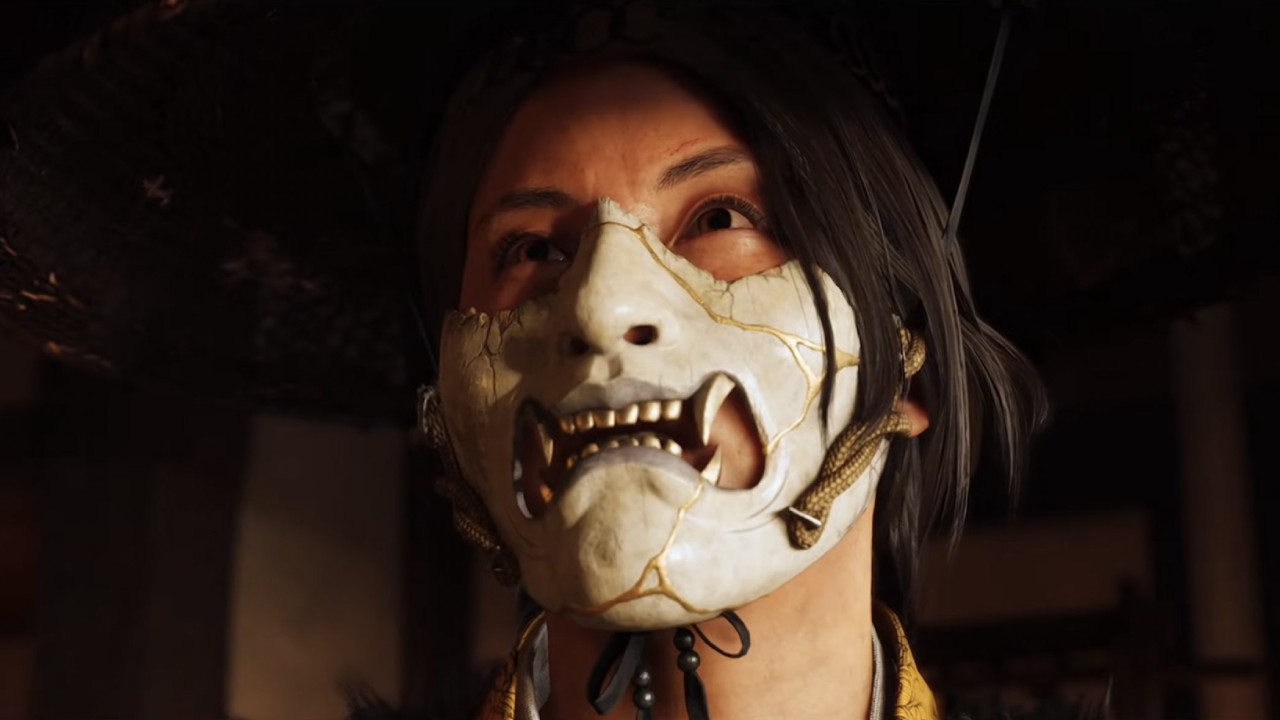
In contrast, Ghost of Yōtei shows a world with no clear right or wrong, where people must deal with flawed decisions because of the way things really are. That grayness isn't a mistake; it's a planned design choice meant to show how history can be contradictory.
The argument over Ghost of Yōtei brings to light a bigger cultural issue.
The samurai have been noble and easy to admire and praise in popular media for a long time. But real history is uneasy, doesn't always make sense, and is full of give and take. Sources say the game forces players to face that truth instead of holding on to a nicer dream. As historical games get more complicated and focus on folklore less, the question remains: should interactive stories keep comfortable myths or tell the past in a correct way?
Contributor, NoobFeed
Related News
No Data.