
Memory Prices Stabilizing and NVIDIA's Monopoly Weakening: What Gamers Should Expect
Growing industry developments indicate a gradual shift away from inflated memory pricing and unstable hardware market conditions.
News by Masaru Hoshino on Dec 19, 2025
A change is happening in the world of PC hardware. Memory prices, which recently hit record highs, may finally stabilize. Changes in the GPU and AI spaces also signal that long-term domination by strong firms may be fading.
As competition increases and other technologies advance, users may soon see a more balanced market, with better prices and a wider range of hardware options.
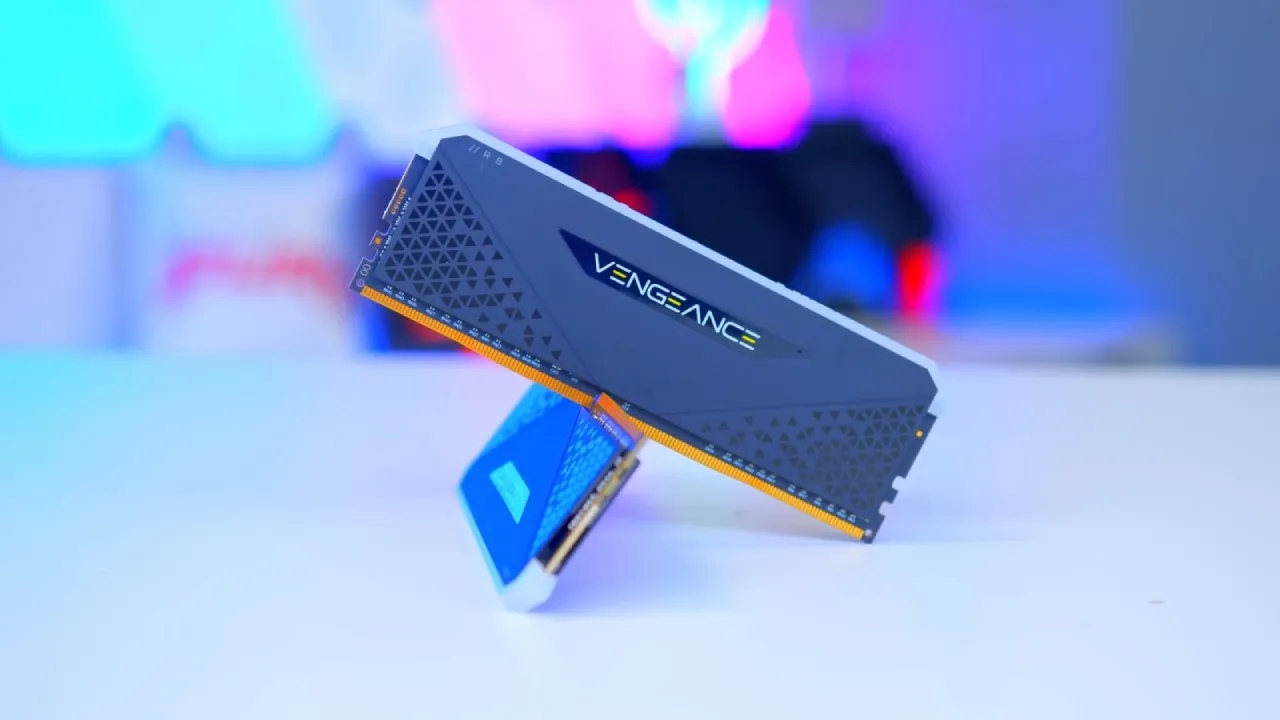
We got some good news about memory prices that have been bothering builders and upgraders for months. Edward Chrysler, Sapphire's PR manager, said volatility is driven by sector uncertainty.
Still, he thinks things will calm down in 6 to 8 months. His message is especially important because he works for a corporation that makes money when people buy gear. Even so, he told people not to rush into upgrades out of worry, saying that fear and short-term market movements can drive prices too high.
We know it's uncommon for a hardware producer to tell people to be patient, which makes his message even more powerful.
Earlier forecasts said volatility would persist much longer, and some even said prices wouldn't return to normal until 2027 or 2028.
A 6–8 month view seems much easier to handle than those estimates. If you need new construction right now, you might not be able to wait.
Still, anyone who can wait a year for upgrades will benefit greatly from more stable prices and easier-to-find items. The main point is that things aren't as bad as many people thought they would be, and there is reason to be hopeful.
People typically praise Nvidia for making powerful GPUs, but the company's dominance extends beyond hardware. CUDA is a proprietary software framework that enables developers to perform highly optimized computations on Nvidia hardware. It is the key to the company's success.
CUDA is more than just a name for Nvidia processors. It has AI, machine learning, scientific computing, and professional applications all working together. Nvidia noticed the potential of AI early on, so developers started creating tools, frameworks, and models around CUDA long before other companies offered any serious options.
We can see the strategic reason behind Nvidia's scheme. NVIDIA ensured that companies looking to get into AI naturally turned to its GPUs by focusing on software early on. This created a strong feedback loop: more developers used CUDA, more companies bought Nvidia hardware, and the ecosystem kept growing.
Over time, this led to a real monopoly in AI acceleration, making it very hard for competitors to gain a foothold and keeping hardware prices high.
NVIDIA's dominance is now being challenged by several major changes. Rockom 7 launched early this year and delivered significant performance gains over Rockom 6. This opened up new options for developers who want to use hardware that isn't restricted to CUDA.
These changes make workloads run more smoothly and deliver competitive performance, so users may no longer need to choose Nvidia by default.
We also saw Microsoft release new tools that make it easier to change CUDA-based apps into forms that work with Rockom. This is an important step because one of the greatest problems with switching hardware is the high cost and the difficulty of rewriting existing CUDA programs. With translation tools, developers may try out hardware that isn't made by Nvidia without having to fully change their apps.
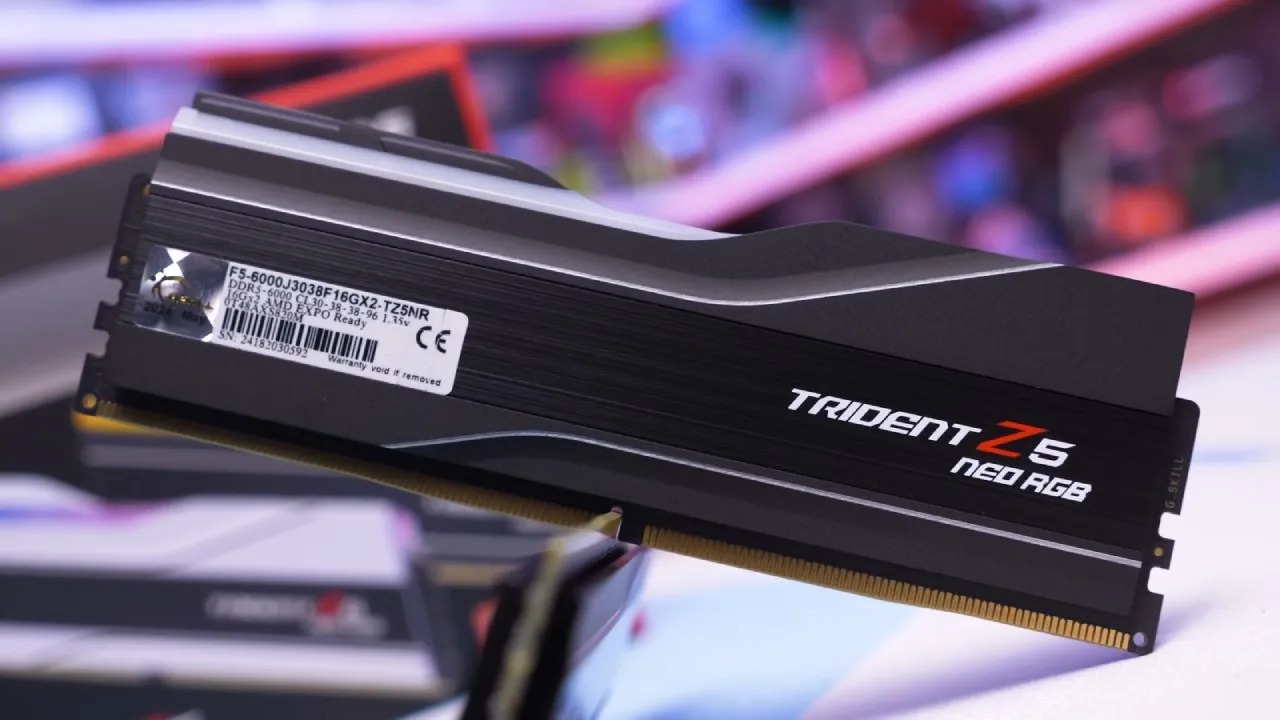
The Trannium3 chip from Amazon added to the change. Amazon said the processor runs twice as fast as the previous generation and uses about 40% less energy. The business also said that training and inference expenses for some AI workloads might be decreased by as much as 50%.
These increases show that major cloud providers are serious about reducing their reliance on Nvidia hardware, even though the real-world value varies widely by workload and optimization. Some consumers were unhappy with Amazon's earlier AI chips. Still, the changes in Trannium3 show that the company is clearly working to improve the technology.
Another big step forward is ZLuda's progress. This open-source project lets CUDA apps run on GPUs from other vendors. The most recent release adds support for Rockom 7, making it easier than ever to run CUDA tasks outside Nvidia's environment.
This implies that developers who used to feel stuck with Nvidia may now try other things without losing access to the tools they need.
None of these advances will bring Nvidia down on its own, but combined, they pose the firm's largest threat in years. The push toward alternatives is picking up speed, and even slight changes can affect prices, availability, and competition across the whole industry.
This could mean users will soon see a wider range of GPUs, as many businesses fight hard to offer better performance and value.
Editor, NoobFeed
Related News
No Data.