
Nintendo Seeks Dismissal of Post-Tariff Refund Lawsuit
Nintendo presented a nuanced defense in court explaining why post-tariff price increases shouldn't trigger refunds, arguing the situation is far more complex than quick headlines suggest.
News by Adeela Tas on Jul 22, 2026
If you bought Nintendo hardware during last year's price increases and were hoping to get some cash back, you'll likely be disappointed. Nintendo's legal team filed a motion to dismiss the lawsuit over its 2025 price increases, and the argument boils down to this: you got exactly what you paid for.
According to the filing, customers who bought Nintendo products at the higher price simply received the console, game, or accessory they wanted, at a price both sides agreed to. In Nintendo's eyes, that's the end of the story — no Nintendo refund owed, no matter what happened afterward with tariff rulings.
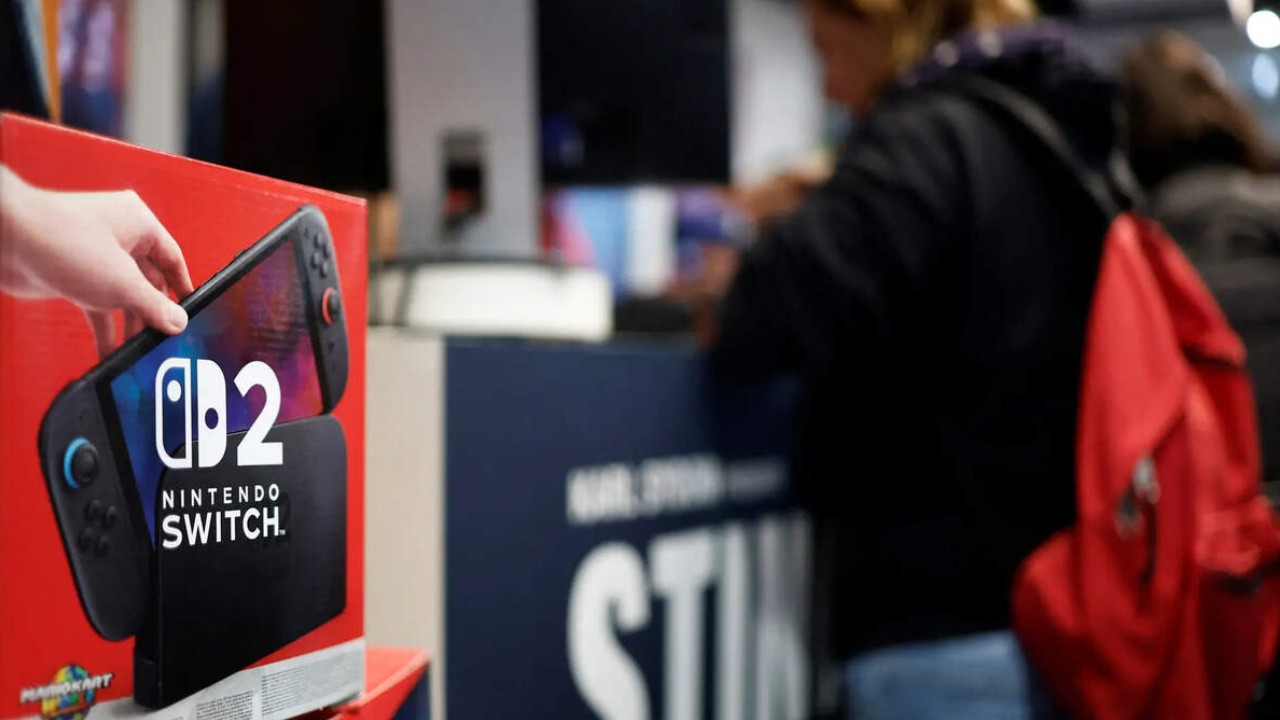
The lawsuit itself centers on the idea that Nintendo should have adjusted prices retroactively once the courts ruled the tariffs behind those price hikes were illegal. But Nintendo's lawyers pushed back hard on that logic, basically saying that's not how buying and selling works.
You don't get to renegotiate a price after the fact just because outside legal circumstances shifted.
The company argues plaintiffs aren't owed a Nintendo refund simply because of what happened later in a separate legal battle over tariffs. Nintendo didn't just slap a blanket surcharge on everything the way a lot of other companies did.
Instead, the company says it made selective, modest adjustments across its lineup, factoring in rising costs tied to memory, labor, shipping, and yes, tariffs. And notably, Nintendo claims it chose to eat the cost of tariffs on some of its most popular items from 2025, including the Switch 2 itself.
So while some products saw price bumps, the flagship console reportedly didn't get hit with a direct tariff surcharge the way you might expect. You'll notice a pattern once you step back and look at how every major gaming company has handled this. Nintendo, Microsoft, Sony, Valve — basically all of them raised prices at some point last year because of tariffs and rising costs.
And realistically, almost none of them are lining up to hand out a Nintendo refund, a Sony refund, or a Microsoft refund. If you've bought literally anything shipped from overseas recently, you've probably noticed the same price creep. That's just the environment right now, and no company is rushing to reverse it retroactively.
What's interesting is watching the reaction play out.
A lot of the loudest voices calling this anti-consumer online are people who haven't actually bought anything from Nintendo recently. Meanwhile, people who've actually been following the tariff situation for months understand it's a lot messier than "big company bad."
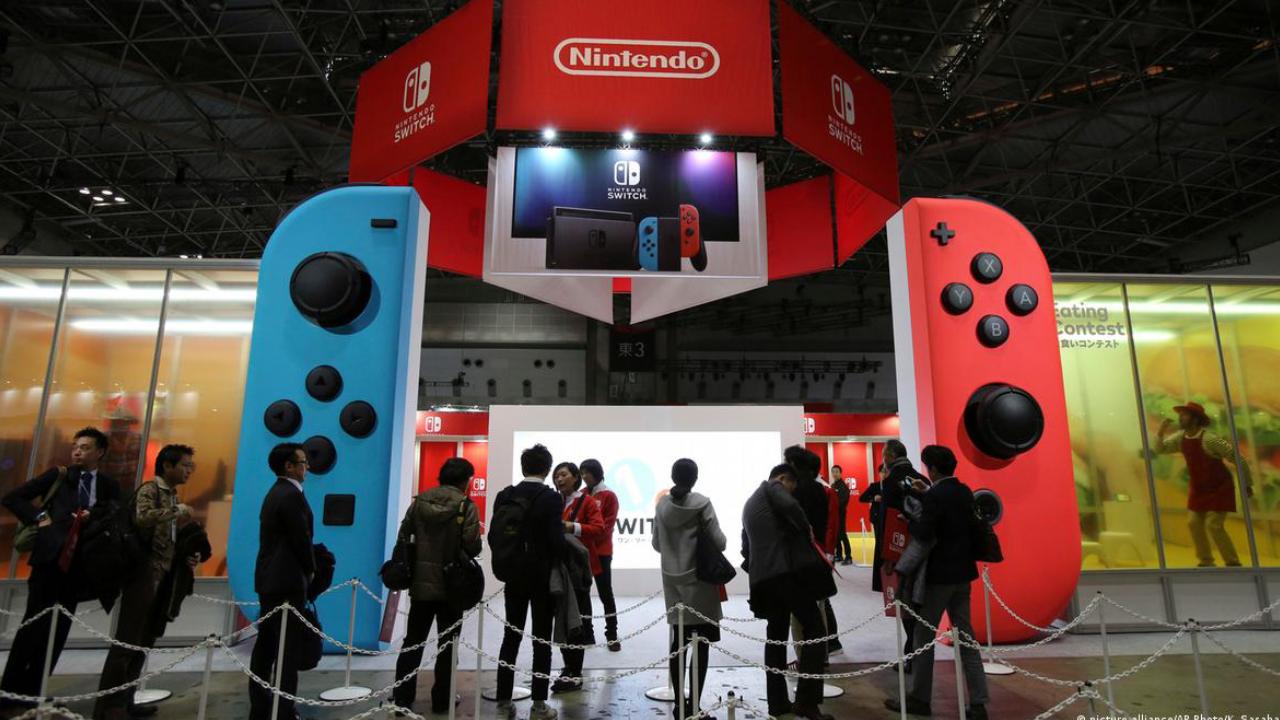
The ongoing litigation is really the key piece here. Tariffs could still come back in some form, and Nintendo isn't going to start sorting through purchase histories trying to cut five, six, seven dollar checks to everyone who bought a specific accessory at a specific time.
If a Nintendo refund program ever does happen, don't expect it to feel satisfying. Based on how these things usually go, you'd probably end up filling out a claim on some web portal, uploading proof of purchase, and then waiting a year or two before a tiny check shows up in your mailbox.
Settlement payouts like that tend to be underwhelming — think a few dollars, not a meaningful refund. That's just how corporate settlements typically shake out once lawyers and courts get involved. None of this should have happened in the first place. The tariffs that triggered these price increases were ruled illegal, and the U.S. government has had to pay back massive amounts of money as a result.
If you're looking for someone to be upset with, it's worth directing that frustration toward the policy that caused the mess.
Not the companies scrambling to adapt to it. Every business handled the price increases differently, and Nintendo's approach — absorbing costs on some products while adjusting others — was actually more measured than a lot of competitors. At the end of the day, you shouldn't expect a Nintendo refund, and you probably shouldn't expect one from any other gaming company either.
Prices went up because of a chain of decisions well outside any single company's control, and reversing that isn't as simple as cutting a check. It's a frustrating situation, but the blame really sits with the tariff policy that started it all, not with the companies trying to navigate the fallout.
Editor, NoobFeed
Related News
No Data.