
Phantom Blade Zero Details Its Combat, 50+ Bosses, Eight Endings, and PC Requirements Ahead of Launch
S-Game's upcoming action game promises a 66-day survival challenge, interconnected regions, and a story-driven experience, but PS5 players will have to settle for a digital release at launch.
News by Mahi Araf on Oct 16, 2026
Phantom Blade Zero is coming fast, with its October 29 release date, and if you're into a fast-paced action game focused on combat and storytelling, there's plenty to get excited about. S-Game's upcoming title combines martial arts-inspired fighting, a wide array of unique weapons, multi-phase boss encounters, and an interconnected world full of secrets. While it shares some similarities with Soulslike games, the developers have consistently emphasized that this is a character-driven action experience, not another punishing entry in the genre.
Before you jump in, here are a few key things to know, especially if you're buying for PlayStation 5 or PC. The game will be available digitally for $59.99 on PS5, but it won't have a physical version at launch. That might disappoint collectors, but a physical version could still come later.
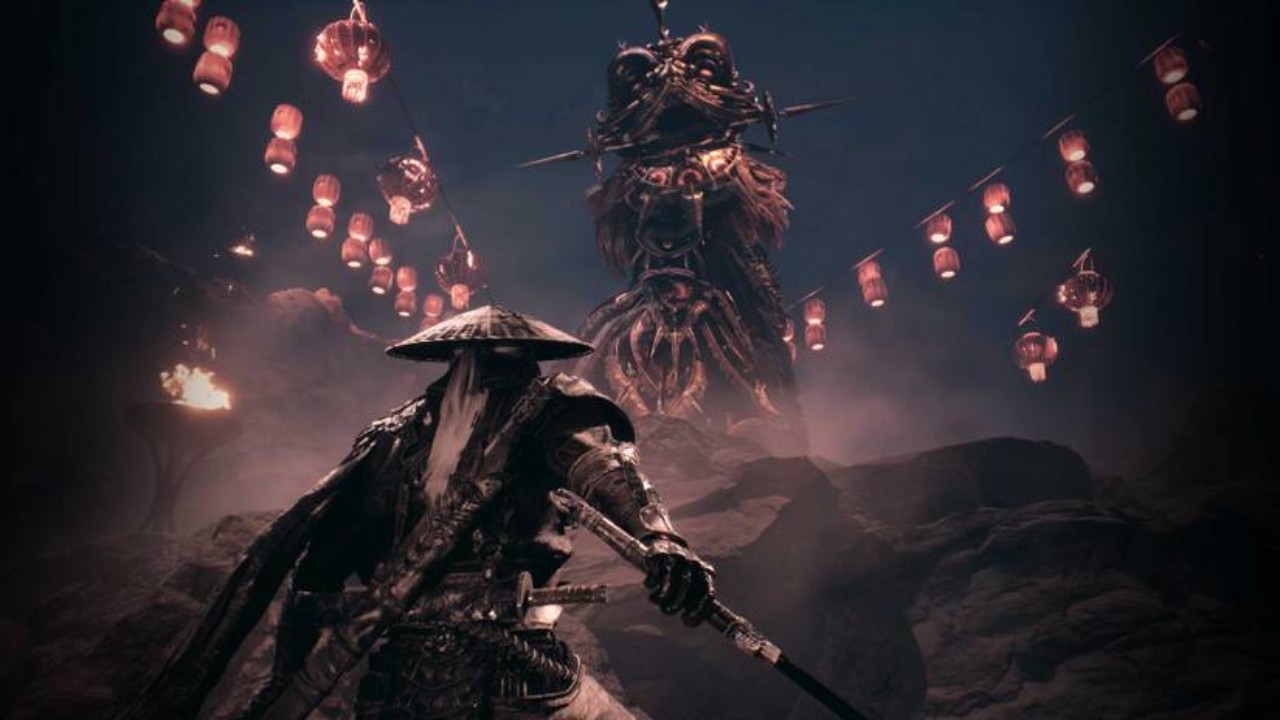
We've seen this with Black Myth: Wukong, which eventually got a physical release through an external publishing partner. Nothing has been confirmed, but something like that could happen with Phantom Blade Zero. If you want to play on PS5 right now, you need to buy the digital edition.
The game will also release on PC, with some extra features. It offers lots of options depending on your hardware, including support for DLSS 4.5 multi-frame generation, ray-traced reflections and shadows, path tracing, ultrawide displays, and high frame rates. But Denuvo will be there, so keep that in mind before you buy.
Phantom Blade Zero is pretty much all about its combat system.
You play as Soul, and you manage a resource called Shachi, which serves as both a stamina gauge and a stagger system. Enemies have Shachi, a resource that depletes when you use heavy moves and block attacks. Once you've depleted their Shachi, you can follow up with high-damage finishers and executions.
Another key part of the combat system is parrying, which deals heavy Shachi damage on success. You'll also need to recognize different attack types, with color-coded indicators helping you understand how to respond to incoming moves.
When blocked, brutal attacks can heavily drain your Shachi, but Killer moves cannot be blocked or parried. That means you will need to learn to spot different attack patterns and adapt your approach, rather than using the same defensive strategy every time you're attacked.
Luckily, the game doesn't restrict you to one fighting style. You can switch between approaches, including drunken sword techniques, dual blades, heavy greatswords, and more unusual weapons with mechanical and fantastical designs. The combat system also supports seamless combo executions, giving you different ways to connect attacks and make the most of your available arsenal.
Speaking of weapons, there will be more than 30 primary weapons and 20 to 25 secondary Phantom Edges, for a total of over 50. Many of these weapons drop from bosses, each with signature techniques and a unique movesets. This means your equipment choices will affect your fighting style, and you will have plenty of opportunities to experiment with different combinations.
The game also has a large number of boss encounters.
The game features more than 50 bosses throughout. Rather than simply giving you larger enemies with more health, S-Game is building encounters around multiple phases, individual mechanics, and dynamic soundtracks. The music can shift genres as a battle progresses, adding another layer to the way these fights develop.
One particularly welcome design decision is how the game handles failure during multi-phase encounters. Since Phantom Blade Zero isn't trying to be a traditional Soulslike, dying to a boss won't necessarily force you to start the entire fight again. If you've already reached a later phase, you can often restart from that point instead of going back to the beginning.
That should make longer encounters less frustrating, especially when you've already spent several minutes learning a boss's patterns and working through its earlier phases. Anyone who has struggled with multi-phase bosses in other action games will probably appreciate this approach. You can still expect challenging fights, but the game respects your time rather than repeatedly forcing you through sections you've already mastered.
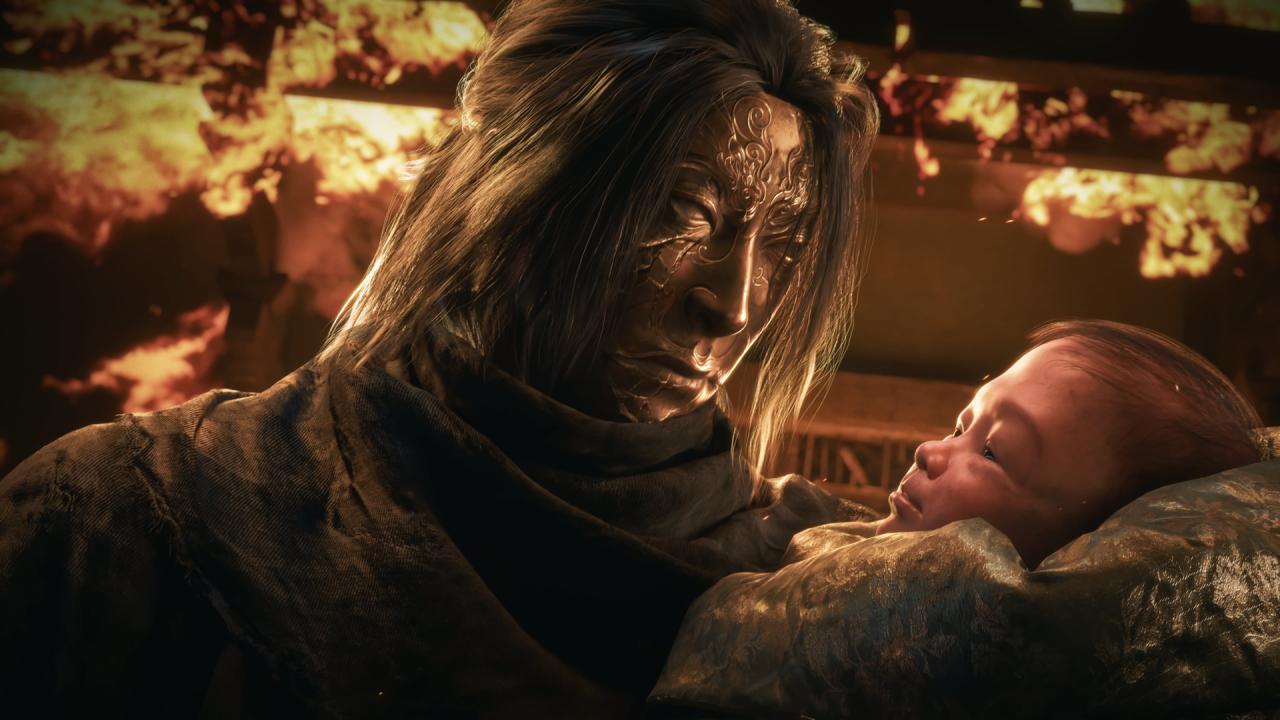
The world itself follows a similar philosophy, offering room to explore without committing to a completely open-world structure. Travel through eight interconnected, hand-crafted areas, each containing unique environments, secrets, and encounters.
The design has drawn comparisons to games like Nioh, particularly in how it breaks exploration into interconnected areas rather than one giant map.
You'll be given a main path to follow, but there's more to find if you want to wander off it. Optional bosses, hidden enemies, treasures, upgrade materials, consumables, and side quests will give you reasons to investigate different locations. Shortcuts also connect different parts of the world, letting you move between areas more easily as you progress.
The environments include bandit valleys, abandoned warehouses full of puppets, villages, and other locations inspired by the game's wuxia setting. The world is further divided into 8 regions, represented by hand-painted Chinese ink-style maps that give you a general sense of direction, but not necessarily every detail. Bells are placed between discovered locations, letting you fast travel back to areas you've visited when you need to.
Exploration is encouraged, and the connected design should leave you with opportunities to discover things outside the critical path. You'll also find optional characters and story moments that further flesh out the world, offering more context on the people and forces at play in Soul's journey.
The narrative seems more involved than you might expect from a game that puts so much emphasis on action. You play as Soul, an elite assassin working for a secretive organization called the Order in a world called Wulin, part of the larger Phantom World.
Everything changes when Soul is framed for murdering the Order's patriarch. And so the hunt begins. Betrayed by his former comrades, he is dealt a devastating wound to the heart. A mysterious healer saves him, but the treatment isn't perfect, giving Soul only 66 days to live.
The deadline is central to the story.
Soul must unravel the conspiracy behind what destroyed his life, investigate the corruption threatening the world, and find a permanent cure before time runs out. Along the way, you'll encounter themes of revenge, kindness, love, hatred, and personal values as the main character tries to figure out what happened to him.
The story is told in a traditional wuxia style, but with a darker fantasy tone and touches of horror. You'll find ideas such as memory flowers, transcendence, the Lady of the Veil, and an increasing cult claiming a sort of perfect transcendence that slowly destroys humanity. These elements suggest the story is more than just Soul trying to clear his name, and that the wider world will matter in the events that unfold.
Depending on your playstyle, difficulty, and how much optional content you pursue, the main story will take around 20 to 40 hours to complete, according to S-Game. That's a pretty broad range, but it gives you a general idea of how much time you might want to devote to Phantom Blade Zero if you venture beyond the main campaign.
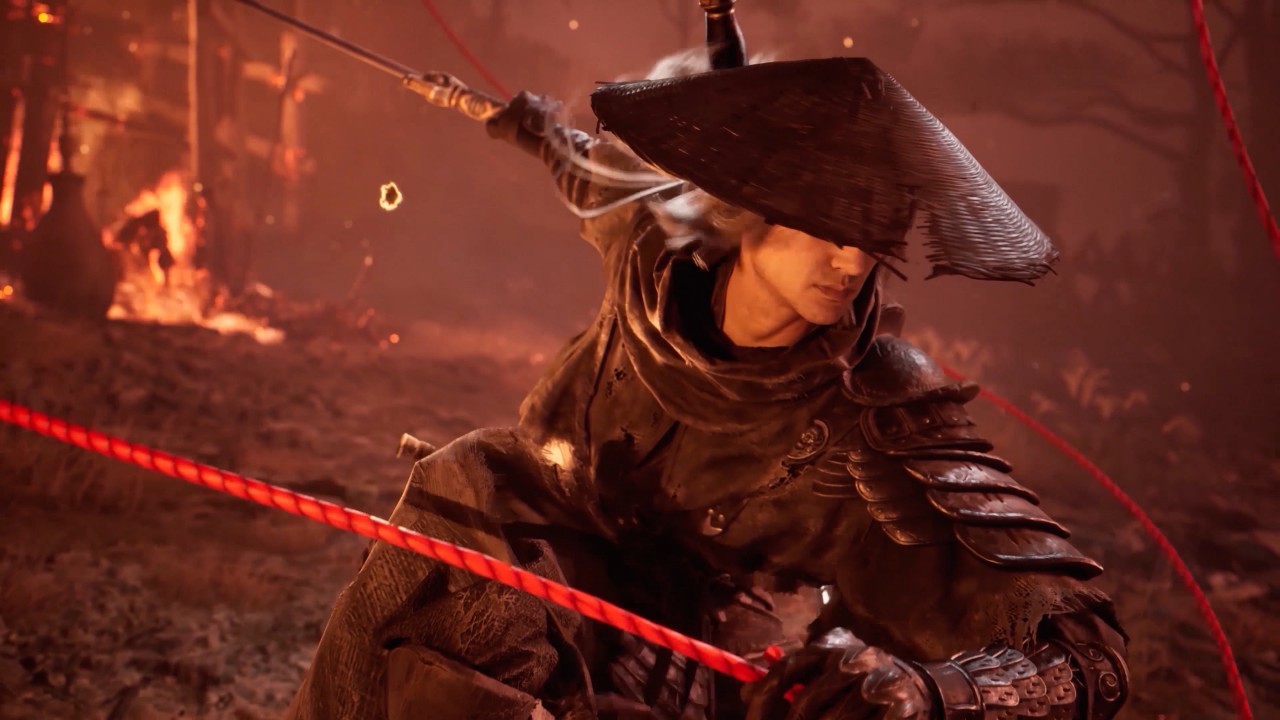
The game has several endings to support replayability. There are eight possible endings, based on such things as whether you completed the content, picked up the items, and made the right choices. Following the main path alone won't be enough to reach the true ending, so you'll need to pay attention to the world and figure out what actions and discoveries you need to uncover everything.
It should also be more accessible to different types of players via difficulty settings.
You'll have a story-focused mode for a more accessible experience, a standard difficulty setting, and a harder option called Hell Walker. The latter will feature adaptive boss AI that adjusts in real time, potentially making encounters more demanding as you learn their mechanics.
The game also includes an optional 66 Days mode for an even tougher challenge. The protagonist's limited lifespan is already central to the story, but this mode makes the countdown a much stricter gameplay condition. Every death costs you a day, and failing to manage the timer can force a full restart.
It's an interesting way to build on a story element that would otherwise remain largely narrative-driven. You can play without that extra restriction, or embrace it if you want your decisions and mistakes to carry greater consequences.
PC players should check their hardware before jumping in, although the minimum requirements seem relatively reasonable. To play at 1080p and 30 FPS, you'll need an Intel Core i7-8700K or AMD Ryzen 5 3600, alongside an NVIDIA GTX 1660 or AMD RX 5500 XT.
For 1440p at 60 FPS, the recommended specifications include an Intel Core i5-10600K or AMD Ryzen 5 5600X, paired with an RTX 3060 Ti or RX 6700 XT. If you want ray tracing at 1080p and 60 FPS, the game lists an RTX 5060 as the requirement. Those who want path tracing at 4K and 60 FPS will need an RTX 5080.
On PlayStation 5, the game will also support PS5 Pro enhancements, although the PC version will offer additional graphical options for players with suitable hardware.
The game will have two editions: the regular edition will cost $59.99, and the Digital Deluxe Edition will cost $69.99. The more expensive version includes the full game, two exclusive outfits, Woolen Legend and Blood Steel Form, a digital artbook, and the original soundtrack.
Pre-ordering either edition will also grant you additional in-game accessories and a legacy outfit. There'll be no early or advanced access period, so everyone will start their journey when the game officially launches October 29.
Phantom Blade Zero offers plenty to stand out from this year's action games, including a huge arsenal of weapons, over 50 bosses, interconnected environments, and eight different endings. Fans of challenging combat but not the harsher progression systems often associated with Soulslike titles may also find its approach to boss checkpoints and difficulty options appealing.
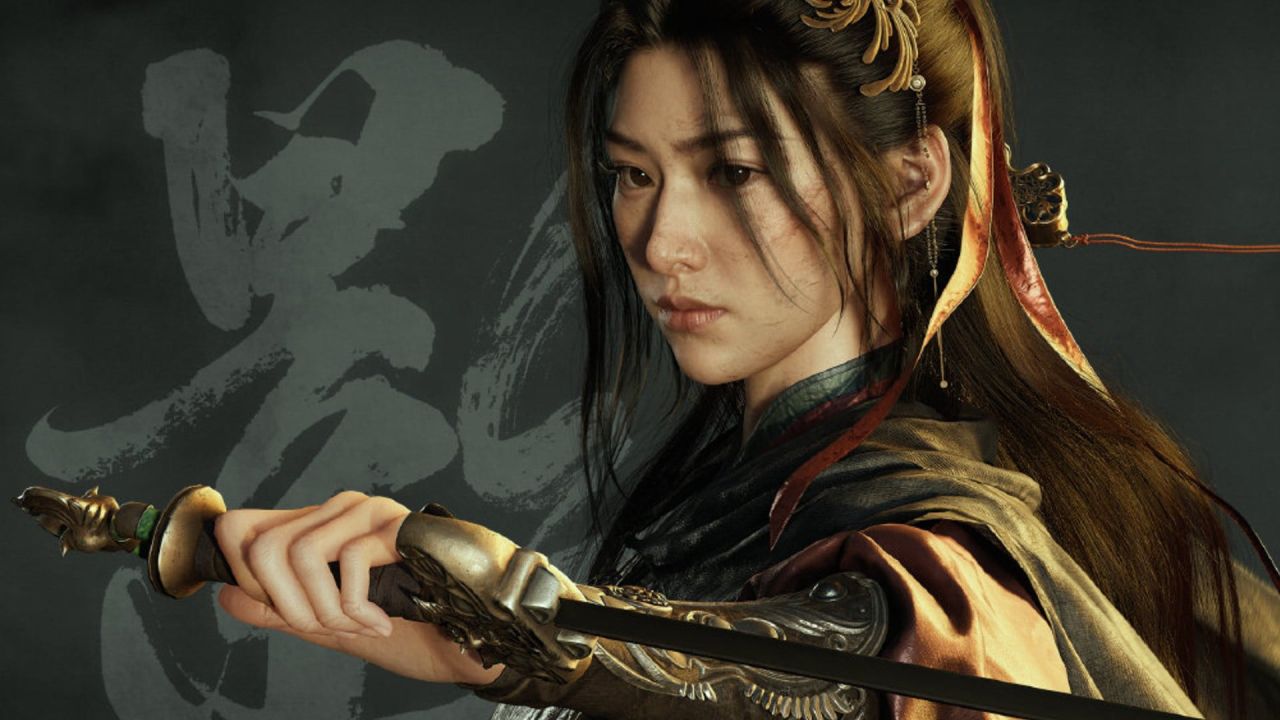
Some collectors may be disappointed there isn't a physical release at launch, and it will be interesting to see whether that affects PlayStation 5 sales. On PC, however, the game won't have to contend with the same launch-window competition from Grand Theft Auto 6, which could help it attract an audience looking for something new to play.
Ultimately, Phantom Blade Zero seems to aim for a balance of demanding action, exploration, and a story that gives you a reason to keep moving forward. If S-Game brings those elements together as expected, its October 29 release could deliver one of the year's more interesting character-driven action experiences.
Senior Editor, NoobFeed
Related News
No Data.