
Steam Hardware Updates Suggest Valve is Preparing For Early 2026 Launch
Valve backend updates and SteamOS changes suggest Steam Machine hardware development remains active despite ongoing industry-wide component shortages
News by Tanvir Kabbo on Jan 29, 2026
People are quietly speculating that Valve is moving closer to delivering its next generation of hardware, which will include the Steam Machine, Steam Frame, and the new Steam Controller. This is because of recent changes to the Steam backend.
These small changes, which are easy to overlook, show that plans are still moving forward even though the sector as a whole is facing problems like increased hardware costs and shortages of parts.
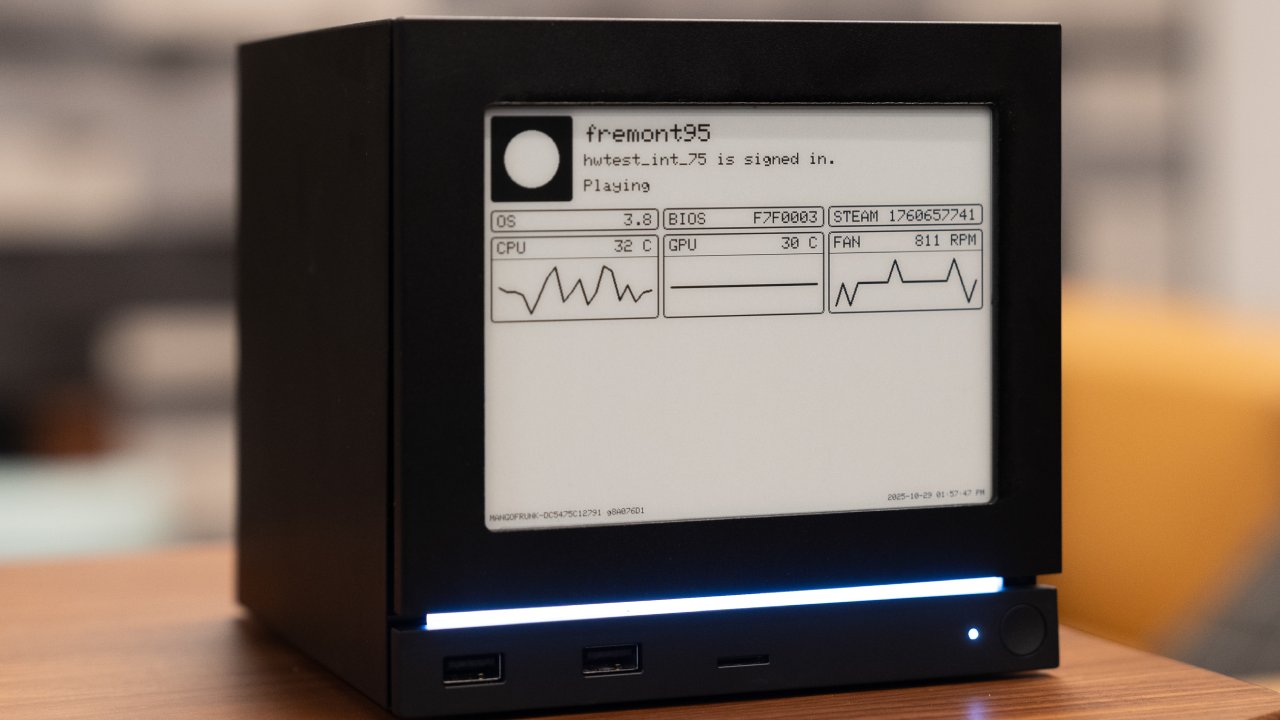
Valve changed the URLs for their future product lineup while doing regular maintenance on the Steam shop.
Before, these products were linked to older "sale" type links. Those links now take you to new pages that are organized by hardware type and are located beneath the main Steam marketplace.
This may seem small, but it generated a big stir in the Steam Machine and Steam Deck communities. Many people thought that when the old URLs started sending them to the Steam homepage, it meant that something huge was about to happen.
Valve has a long history of making announcements in the middle of the week, which just made things more exciting. There wasn't an official announcement right away, but the backend cleanup clearly suggests that they are getting ready rather than giving up. Companies frequently make these kinds of improvements when a product is about to be released to the public.
Even though there are currently shortages of GPUs, SSDs, and RAM, there is still hope. The beginning of 2026 is still a reasonable goal, especially if it means the first three months of the year. We think that anything up to the end of March fits well inside that time frame. Valve seems to think that this schedule is still possible.
Many people think that a lot of this hardware has been ready for a long time. It was probably a planned strategy to announce several goods at once to build enthusiasm and momentum. Even while things like AI-driven data center demand messed with supply chains, that doesn't mean the framework that was been created is gone.
The last big step before shipment might be installing the final software, which means that manufacturing might already be done.
The fact that SteamOS updates are still coming out makes it more likely that these devices will be available soon. A lot of the new capabilities and improvements are precisely what the Steam Machine and Steam Frame require.
This steady advancement in software shows that it is being worked on in conjunction with hardware development rather than just for fun.
Expectations for prices also stay very steady. It still seems possible that the price will be between $600 and $650. Valve has been honest about not giving these devices as much money as the Steam Deck, but that comment was probably based on regular component prices instead of the high prices that happen when there are a lot of shortages. Starting a business at a lower price than others would be a strong statement and a clever way to get people to notice you.
Valve seems a lot more sure of itself now than it did when the Steam Deck first came out. There were already handheld PCs on the market, but the Steam Deck was successful because it had better performance at lower wattages, a higher-quality design, and a far lower price. It gave the best value for money, and it still does.
There are other options that offer better raw performance, but they usually cost a lot more. Even now, open-box handhelds that are on sale can be attractive, especially for people who care a lot about performance and are ready to install SteamOS themselves. The Steam Deck is still the best in terms of balance and value.
There is a clear compromise that would be quite welcome if delays are unavoidable. Releasing the Steam Controller before the other hardware would make a lot of people happy without hurting the bigger launch. There is certainly a demand for it, and many configurations are already waiting for it. It would still create goodwill and momentum even if it were released on its own.
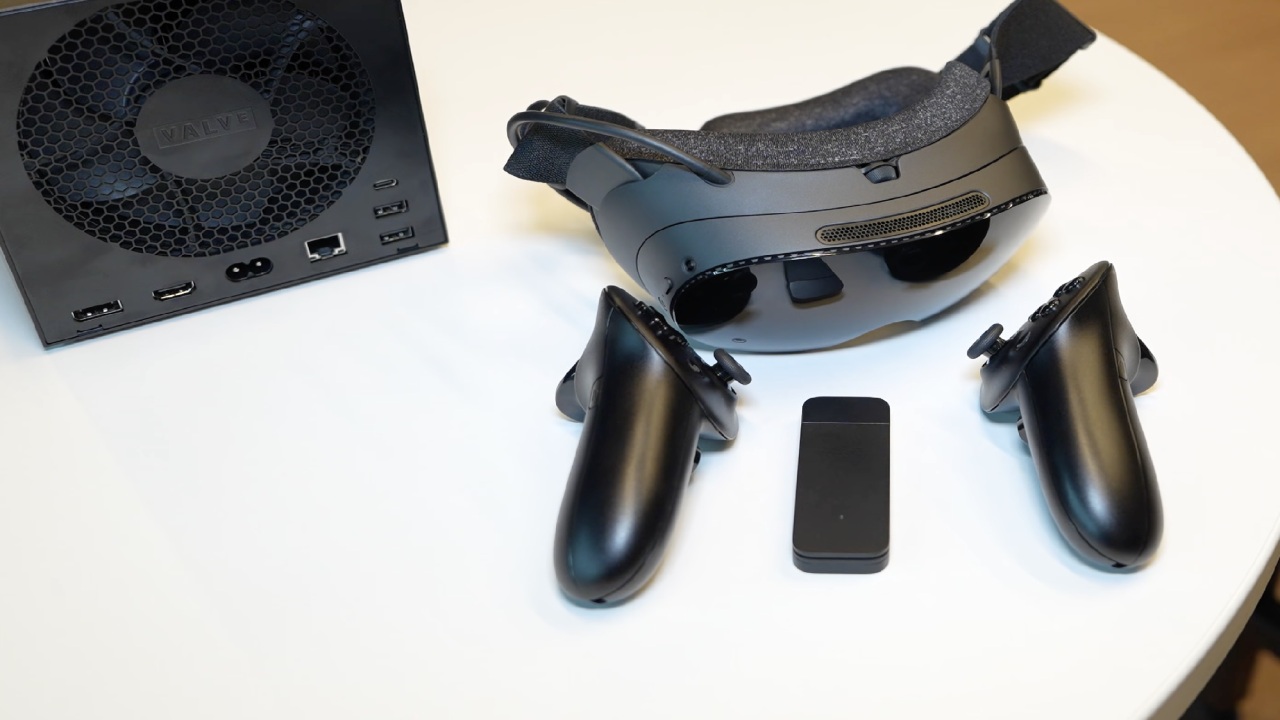
Valve is quietly getting ready for its next move, but Epic Games is still having trouble with how people see it and how it works.
The plan to give out free games and make deals with only a few people hasn't worked to keep users interested for a long time. This is perfectly illustrated by a recent example.
When Blood West was free on the Epic Games Store, a lot more people learned about it. Instead of getting people to use Epic's platform more, it led to a 200% rise in sales on Steam. People found out about the game through the freebie and subsequently bought it somewhere else. This still worked out nicely for the developer, but it shows a bigger problem with how Epic does things.
Steam works because it is a well-made platform with a lot of features. If it weren't, users would be much more likely to move. Taking popular games off of Steam, limiting support for the platform, and preventing Linux compatibility only make things worse. Actions always go against the messages that say you should be pro-consumer and pro-developer.
Players are still very frustrated that some systems won't work with them, especially when there aren't many technical problems. Due to latency and performance issues, using cloud streaming as a substitute for native support in competitive games is not a good idea.
In general, the signs point to Valve sticking with its plan. The Steam Machine, Steam Frame, and Steam Controller are still very much alive, as shown by modifications to the backend, updates to the software, and consistent messaging. There is always a chance of delays, but the progress that has been made gives me hope.
For now, the only thing that can be done is wait and see. The pieces are certainly coming together, and if Valve follows through on its ambitions, this might be one of the most exciting hardware releases in a long time.
Senior Editor, NoobFeed
Related News
No Data.